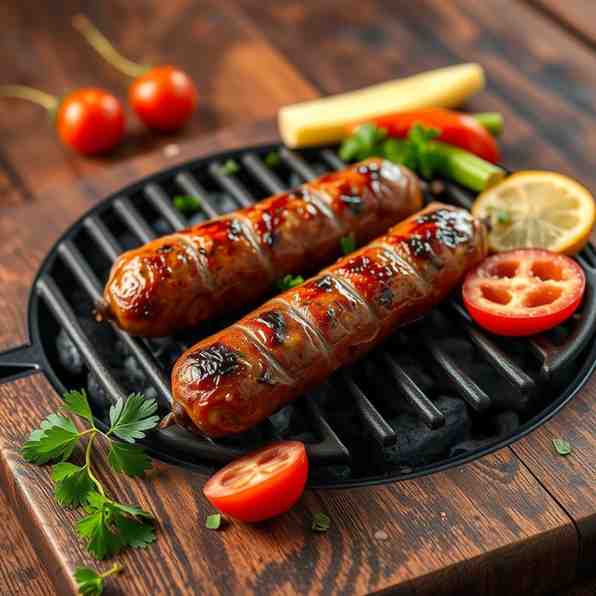
French Guiana Boudin Créole - Blood Sausage (Not Cajun)
French Guiana Boudin Créole - Blood Sausage (Not Cajun)
- Serves: 12 People
- Prepare Time: 30 minutes
- Cooking Time: 90 minutes
- Calories: -
- Difficulty: Medium
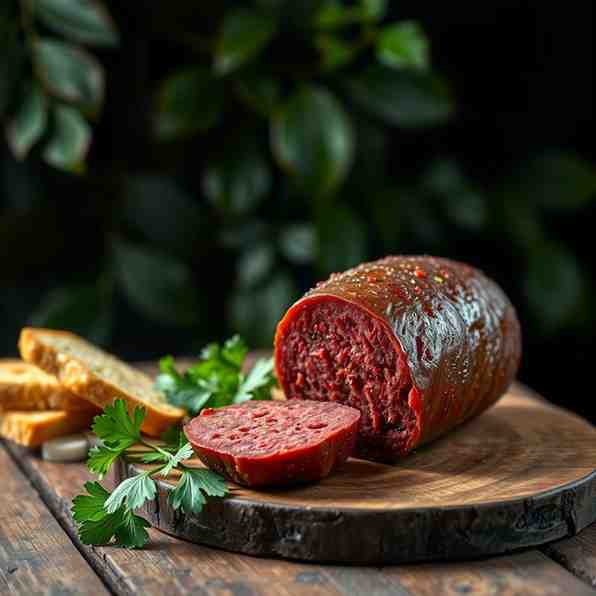
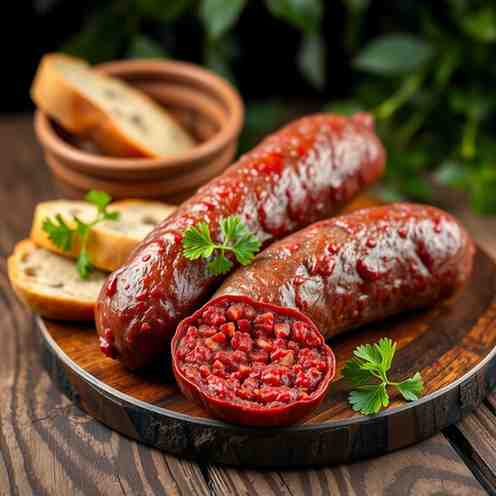
Get ready to dive into the rich, savory world of French Guiana Boudin Créole! This isn't just any sausage; it's an authentic blood sausage recipe (also known as boudin noir), packed with flavor and cultural significance. If you're looking for a truly unique culinary adventure that brings a taste of Guyane right into your home kitchen, you've found it. This method is designed to make creating this traditional delicacy accessible, even if you’re new to sausage making. Just a heads-up: this is not Louisiana Cajun boudin sausage. While both are delicious, French Guiana's Boudin Créole offers a distinct profile that's all its own, focusing on rich pork, aromatic herbs, and a wonderfully complex blood base. Let’s get cooking!
Ingredients
Directions
- Prep the Blood & Aromatics (Keep Cold!): If using frozen pork blood, thaw it completely in the refrigerator. Keep it chilled until ready to mix. Finely mince your onion, green onions, garlic, thyme, and piment. Set aside. Food Safety Note: Always keep blood cold; it's perishable! Work quickly and keep everything refrigerated until needed.
- Cook the Pork in a Seasoned Broth: In a large pot, combine the pork shoulder, pork belly, bay leaves, black peppercorns, whole cloves, and 1 tablespoon of salt. Add enough water to just cover the pork. Bring to a gentle simmer over medium heat, then reduce heat to low, cover, and cook for about 45-60 minutes, or until the pork is tender but not falling apart. This step builds incredible flavor into the meat itself. Remove the pork with a slotted spoon and let it cool. Reserve the cooking liquid – it's full of flavor!
- Make the Binder: While the pork cools, prepare your binder. If using stale bread, crumble it very finely. You can briefly pulse it in a food processor if needed. If using breadcrumbs, simply measure them out. The bread helps absorb moisture and gives the boudin its characteristic texture.
- Chop/Grind Meat + Aromatics (Texture Targets: Not Paste!): Once the cooked pork is cool enough to handle, you have a few options for chopping.
- Food Processor: Pulse the cooked pork in batches with the minced onion, green onions, garlic, and piment until it’s finely chopped but still has some texture – do not over-process into a paste!
- Meat Grinder: If you have a meat grinder, run the cooked pork through a medium plate (around 3/8 inch or 10mm) along with the fresh aromatics. This gives a more traditional, uniform texture.
- Troubleshooting: Grainy Texture? If your boudin ends up grainy, it might be due to uneven grinding or too much bread. Ensure your pork is finely and consistently chopped, and the bread is fully incorporated.
- Mix the Filling (Correct Consistency is Key!): In a very large bowl, combine the chopped pork and aromatics with the chilled pork blood, the finely crumbled stale bread/breadcrumbs, and the chopped fresh thyme. Mix thoroughly with your hands (wearing gloves is a good idea!) until all ingredients are evenly distributed. Add black pepper and taste a small cooked portion (you can pan-fry a tiny bit) to adjust seasoning. The mixture should be moist and cohesive, but not runny. It should hold its shape when squeezed.
- Troubleshooting: Filling Too Loose/Too Tight? If the filling is too loose, add a little more finely crumbled stale bread. If it's too tight, you can add a tablespoon or two of the reserved pork cooking liquid, but be careful not to make it watery.
- Troubleshooting: Tastes Metallic or Bitter? This usually happens if the blood isn't fresh or has oxidized. Ensure you're using very fresh blood and keep it cold. Proper seasoning also helps mask any slight metallic notes.
- Troubleshooting: Not Spicy Enough/Too Spicy? Adjust the amount of piment in this step. You can always add more heat (like a dash of hot sauce) when serving, but it's harder to remove!
- Prepare Casings: Rinse your hog casings thoroughly under cold running water, both inside and out, to remove all salt. Soak them in lukewarm water for at least 30 minutes to make them pliable. Flush the insides with water to ensure there are no kinks or holes.
- Stuff & Link (How Tight is Too Tight?): Fit the casing onto your sausage stuffer's nozzle. Gently feed the boudin mixture into the casings, ensuring there are no air pockets. Do not stuff too tightly! Over-stuffing is a common cause of burst casings during poaching. Leave enough slack for expansion. Once stuffed, pinch and twist the sausage into 6-8 inch links. You can tie off the ends with kitchen twine.
- Poach Gently (Temp Range + Timing): Fill a large pot with water (or the reserved pork cooking liquid) and heat it to a gentle simmer, maintaining a temperature between 160-170°F (71-77°C). Use a thermometer! Carefully add the boudin links to the simmering water. Poach for 20-30 minutes, or until the internal temperature reaches 160°F (71°C).
- Troubleshooting: Casings Burst? This is often due to over-stuffing or poaching at too high a temperature. Ensure your casings aren't packed too tightly and maintain a very gentle simmer (160-170°F is key!). If a casing does burst, it's still safe to eat, just not as pretty.
- Cool, Then Reheat for Serving (Best Texture): Remove the boudin from the water and immediately plunge it into an ice bath to stop the cooking process and set the texture. Once cooled, pat them dry. For serving, you can gently reheat them in a pan with a little oil until lightly browned, or warm them gently in simmering water.
French Guiana Boudin Créole - Blood Sausage (Not Cajun)
- Serves: 12 People
- Prepare Time: 30 minutes
- Cooking Time: 90 minutes
- Calories: -
- Difficulty: Medium
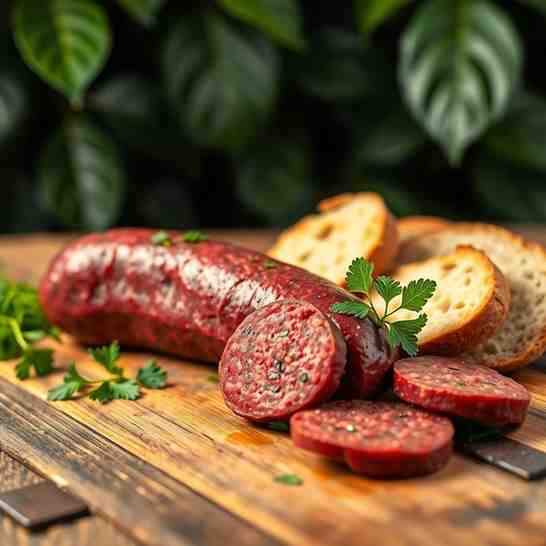
Get ready to dive into the rich, savory world of French Guiana Boudin Créole! This isn't just any sausage; it's an authentic blood sausage recipe (also known as boudin noir), packed with flavor and cultural significance. If you're looking for a truly unique culinary adventure that brings a taste of Guyane right into your home kitchen, you've found it. This method is designed to make creating this traditional delicacy accessible, even if you’re new to sausage making. Just a heads-up: this is not Louisiana Cajun boudin sausage. While both are delicious, French Guiana's Boudin Créole offers a distinct profile that's all its own, focusing on rich pork, aromatic herbs, and a wonderfully complex blood base. Let’s get cooking!
Ingredients
Directions
- Prep the Blood & Aromatics (Keep Cold!): If using frozen pork blood, thaw it completely in the refrigerator. Keep it chilled until ready to mix. Finely mince your onion, green onions, garlic, thyme, and piment. Set aside. Food Safety Note: Always keep blood cold; it's perishable! Work quickly and keep everything refrigerated until needed.
- Cook the Pork in a Seasoned Broth: In a large pot, combine the pork shoulder, pork belly, bay leaves, black peppercorns, whole cloves, and 1 tablespoon of salt. Add enough water to just cover the pork. Bring to a gentle simmer over medium heat, then reduce heat to low, cover, and cook for about 45-60 minutes, or until the pork is tender but not falling apart. This step builds incredible flavor into the meat itself. Remove the pork with a slotted spoon and let it cool. Reserve the cooking liquid – it's full of flavor!
- Make the Binder: While the pork cools, prepare your binder. If using stale bread, crumble it very finely. You can briefly pulse it in a food processor if needed. If using breadcrumbs, simply measure them out. The bread helps absorb moisture and gives the boudin its characteristic texture.
- Chop/Grind Meat + Aromatics (Texture Targets: Not Paste!): Once the cooked pork is cool enough to handle, you have a few options for chopping.
- Food Processor: Pulse the cooked pork in batches with the minced onion, green onions, garlic, and piment until it’s finely chopped but still has some texture – do not over-process into a paste!
- Meat Grinder: If you have a meat grinder, run the cooked pork through a medium plate (around 3/8 inch or 10mm) along with the fresh aromatics. This gives a more traditional, uniform texture.
- Troubleshooting: Grainy Texture? If your boudin ends up grainy, it might be due to uneven grinding or too much bread. Ensure your pork is finely and consistently chopped, and the bread is fully incorporated.
- Mix the Filling (Correct Consistency is Key!): In a very large bowl, combine the chopped pork and aromatics with the chilled pork blood, the finely crumbled stale bread/breadcrumbs, and the chopped fresh thyme. Mix thoroughly with your hands (wearing gloves is a good idea!) until all ingredients are evenly distributed. Add black pepper and taste a small cooked portion (you can pan-fry a tiny bit) to adjust seasoning. The mixture should be moist and cohesive, but not runny. It should hold its shape when squeezed.
- Troubleshooting: Filling Too Loose/Too Tight? If the filling is too loose, add a little more finely crumbled stale bread. If it's too tight, you can add a tablespoon or two of the reserved pork cooking liquid, but be careful not to make it watery.
- Troubleshooting: Tastes Metallic or Bitter? This usually happens if the blood isn't fresh or has oxidized. Ensure you're using very fresh blood and keep it cold. Proper seasoning also helps mask any slight metallic notes.
- Troubleshooting: Not Spicy Enough/Too Spicy? Adjust the amount of piment in this step. You can always add more heat (like a dash of hot sauce) when serving, but it's harder to remove!
- Prepare Casings: Rinse your hog casings thoroughly under cold running water, both inside and out, to remove all salt. Soak them in lukewarm water for at least 30 minutes to make them pliable. Flush the insides with water to ensure there are no kinks or holes.
- Stuff & Link (How Tight is Too Tight?): Fit the casing onto your sausage stuffer's nozzle. Gently feed the boudin mixture into the casings, ensuring there are no air pockets. Do not stuff too tightly! Over-stuffing is a common cause of burst casings during poaching. Leave enough slack for expansion. Once stuffed, pinch and twist the sausage into 6-8 inch links. You can tie off the ends with kitchen twine.
- Poach Gently (Temp Range + Timing): Fill a large pot with water (or the reserved pork cooking liquid) and heat it to a gentle simmer, maintaining a temperature between 160-170°F (71-77°C). Use a thermometer! Carefully add the boudin links to the simmering water. Poach for 20-30 minutes, or until the internal temperature reaches 160°F (71°C).
- Troubleshooting: Casings Burst? This is often due to over-stuffing or poaching at too high a temperature. Ensure your casings aren't packed too tightly and maintain a very gentle simmer (160-170°F is key!). If a casing does burst, it's still safe to eat, just not as pretty.
- Cool, Then Reheat for Serving (Best Texture): Remove the boudin from the water and immediately plunge it into an ice bath to stop the cooking process and set the texture. Once cooled, pat them dry. For serving, you can gently reheat them in a pan with a little oil until lightly browned, or warm them gently in simmering water.
You may also like




Hey there! I’m just someone who seriously loves good food and believes that cooking doesn’t have to be complicated to be amazing. Whether it’s a quick weeknight dinner or a cozy weekend meal, I’m all about sharing easy, tasty recipes that actually work.