Boudin Sausage at Home
Boudin Sausage at Home
- Serves: 6 People
- Prepare Time: 60 minutes
- Cooking Time: 45 minutes
- Calories: -
- Difficulty: Hard
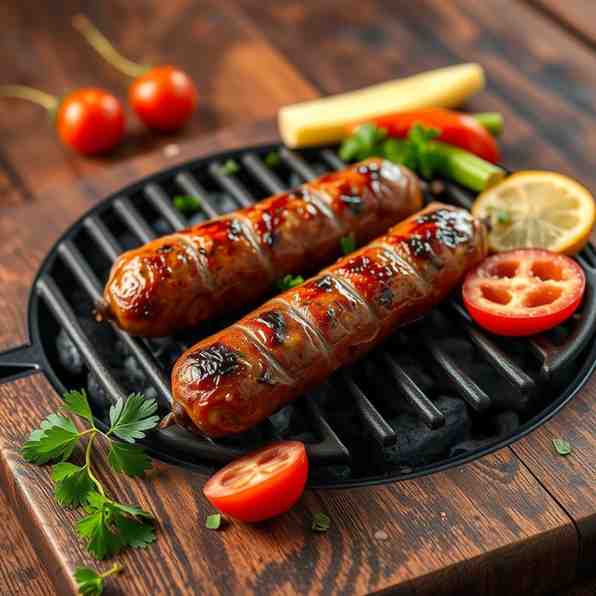
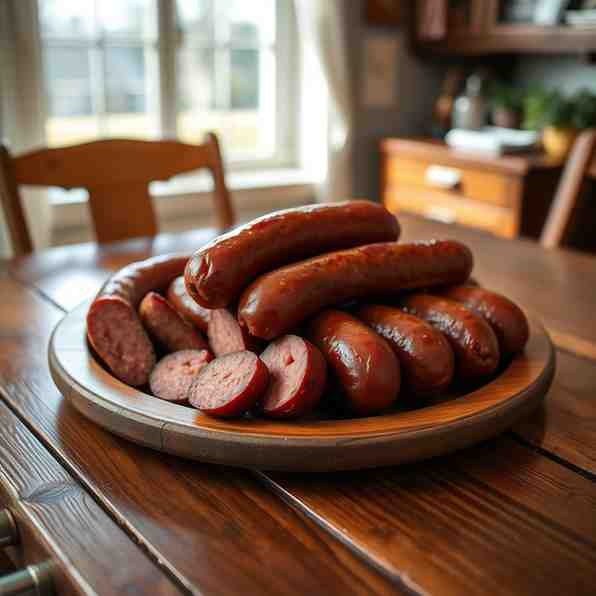
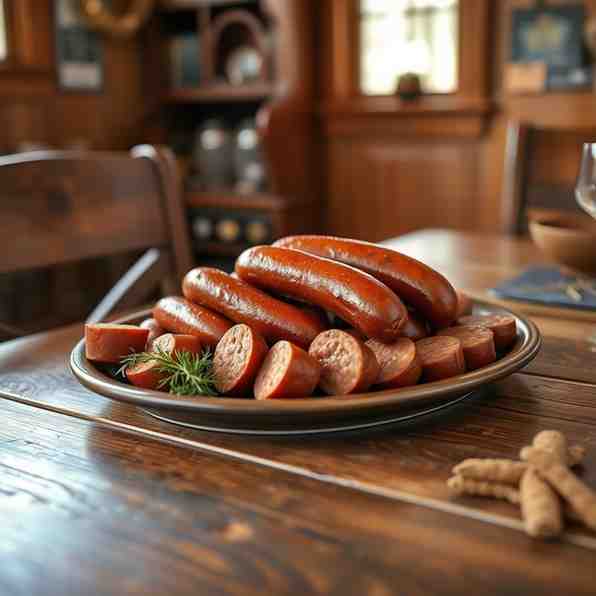
Ever dreamt of making authentic `boudin sausage` right in your own kitchen? This isn't just any `french recipe`; we're talking about the rich, savory, and surprisingly simple-to-master art of `Boudin Noir`. Often seen on a sophisticated `cafe menu` or a special `dinner menu`, this traditional blood sausage might seem intimidating, but we promise, the effort is absolutely worth it.
Boudin Noir boasts a fascinating history, dating back centuries in European culinary traditions, particularly in France. It's a dish steeped in heritage, reflecting a time when every part of an animal was respectfully utilized. Making it at home isn't just about crafting a delicious meal; it's about connecting with a timeless culinary practice, understanding where your food comes from, and savoring flavors that are truly unparalleled. Forget pre-made versions – our guide will walk you through every step, ensuring you create a superior, more flavorful `boudin sausage` that will impress even the most discerning palates. Let's dive in and elevate your `french café` experience right at your dining table!
Ingredients
Directions
- Preparing the Casing Begin by unrolling your natural hog casings. Carefully inspect them for any tears or weak spots. Rinse them thoroughly under cool running water, both inside and out, to remove excess salt. Soak them in a bowl of lukewarm water for at least 30 minutes (or up to a few hours) to make them pliable. This is crucial for easy stuffing and to prevent bursting.
- Blanching Pork Fat In a medium saucepan, bring water to a gentle simmer. Add the diced pork back fat and blanch for about 5-7 minutes. This step renders some of the fat and helps to firm it up, preventing it from turning mushy in the sausage. Drain the blanched fat and spread it out on a baking sheet lined with paper towels to cool completely.
- Preparing Onions and Seasoning Mix In a large skillet, melt a knob of butter or a splash of olive oil over medium-low heat. Add the finely diced onions and cook them slowly until they are very soft and translucent, but not browned – about 10-15 minutes. This gentle cooking brings out their sweetness. Remove from heat and let cool. In a small bowl, combine the salt, black pepper, allspice, cloves, and marjoram.
- Mixing the Blood, Fat, and Seasonings In a large mixing bowl, pour the fresh pig's blood. Add the cooled blanched pork fat, the sautéed onions, and the prepared spice mix. If using, stir in the heavy cream. Mix everything thoroughly with a spoon or your hands until all ingredients are evenly distributed. The mixture should be smooth and well combined.
- Stuffing the Sausage and Securing It Using a sausage stuffer (either a standalone model or an attachment for a stand mixer), carefully load the prepared hog casing onto the nozzle. Tie a knot at the end of the casing. Begin stuffing the blood mixture into the casing, being careful not to overstuff, which can lead to bursting during cooking. Aim for a firm but not taut sausage. As you stuff, gently twist the sausage into links of your desired length (typically 6-8 inches). Ensure you don't trap too much air; if you see air pockets, use a sterile needle to gently prick the casing and release the air. Once all the mixture is used, tie off the other end of the casing.
- Cooking in Water at a Controlled Temperature Fill a large pot with water and bring it to a very gentle simmer (around 170-180°F / 77-82°C). The water should be hot but not boiling vigorously, as this can cause the delicate sausages to burst. Carefully lower the boudin noir links into the simmering water. Cook for 30-40 minutes, maintaining the gentle simmer. The sausages are cooked when they are firm to the touch and no longer release red liquid when pricked.
- Tips for Checking Doneness To accurately check doneness, you can insert an instant-read thermometer into the thickest part of a sausage; it should read at least 160°F (71°C). Alternatively, take a single link out, cool it slightly, and cut into it. The inside should be dark, firm, and fully set, with no raw-looking blood. Once cooked, immediately transfer the boudin noir to an ice water bath to stop the cooking process and firm them up. This also helps prevent wrinkling.
Boudin Sausage at Home
- Serves: 6 People
- Prepare Time: 60 minutes
- Cooking Time: 45 minutes
- Calories: -
- Difficulty: Hard
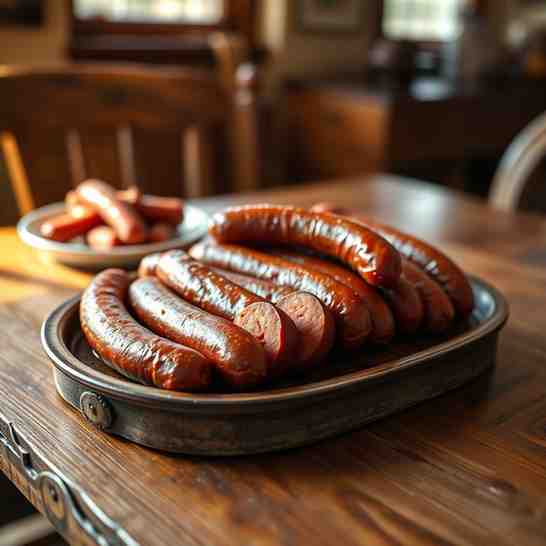
Ever dreamt of making authentic `boudin sausage` right in your own kitchen? This isn't just any `french recipe`; we're talking about the rich, savory, and surprisingly simple-to-master art of `Boudin Noir`. Often seen on a sophisticated `cafe menu` or a special `dinner menu`, this traditional blood sausage might seem intimidating, but we promise, the effort is absolutely worth it.
Boudin Noir boasts a fascinating history, dating back centuries in European culinary traditions, particularly in France. It's a dish steeped in heritage, reflecting a time when every part of an animal was respectfully utilized. Making it at home isn't just about crafting a delicious meal; it's about connecting with a timeless culinary practice, understanding where your food comes from, and savoring flavors that are truly unparalleled. Forget pre-made versions – our guide will walk you through every step, ensuring you create a superior, more flavorful `boudin sausage` that will impress even the most discerning palates. Let's dive in and elevate your `french café` experience right at your dining table!
Ingredients
Directions
- Preparing the Casing Begin by unrolling your natural hog casings. Carefully inspect them for any tears or weak spots. Rinse them thoroughly under cool running water, both inside and out, to remove excess salt. Soak them in a bowl of lukewarm water for at least 30 minutes (or up to a few hours) to make them pliable. This is crucial for easy stuffing and to prevent bursting.
- Blanching Pork Fat In a medium saucepan, bring water to a gentle simmer. Add the diced pork back fat and blanch for about 5-7 minutes. This step renders some of the fat and helps to firm it up, preventing it from turning mushy in the sausage. Drain the blanched fat and spread it out on a baking sheet lined with paper towels to cool completely.
- Preparing Onions and Seasoning Mix In a large skillet, melt a knob of butter or a splash of olive oil over medium-low heat. Add the finely diced onions and cook them slowly until they are very soft and translucent, but not browned – about 10-15 minutes. This gentle cooking brings out their sweetness. Remove from heat and let cool. In a small bowl, combine the salt, black pepper, allspice, cloves, and marjoram.
- Mixing the Blood, Fat, and Seasonings In a large mixing bowl, pour the fresh pig's blood. Add the cooled blanched pork fat, the sautéed onions, and the prepared spice mix. If using, stir in the heavy cream. Mix everything thoroughly with a spoon or your hands until all ingredients are evenly distributed. The mixture should be smooth and well combined.
- Stuffing the Sausage and Securing It Using a sausage stuffer (either a standalone model or an attachment for a stand mixer), carefully load the prepared hog casing onto the nozzle. Tie a knot at the end of the casing. Begin stuffing the blood mixture into the casing, being careful not to overstuff, which can lead to bursting during cooking. Aim for a firm but not taut sausage. As you stuff, gently twist the sausage into links of your desired length (typically 6-8 inches). Ensure you don't trap too much air; if you see air pockets, use a sterile needle to gently prick the casing and release the air. Once all the mixture is used, tie off the other end of the casing.
- Cooking in Water at a Controlled Temperature Fill a large pot with water and bring it to a very gentle simmer (around 170-180°F / 77-82°C). The water should be hot but not boiling vigorously, as this can cause the delicate sausages to burst. Carefully lower the boudin noir links into the simmering water. Cook for 30-40 minutes, maintaining the gentle simmer. The sausages are cooked when they are firm to the touch and no longer release red liquid when pricked.
- Tips for Checking Doneness To accurately check doneness, you can insert an instant-read thermometer into the thickest part of a sausage; it should read at least 160°F (71°C). Alternatively, take a single link out, cool it slightly, and cut into it. The inside should be dark, firm, and fully set, with no raw-looking blood. Once cooked, immediately transfer the boudin noir to an ice water bath to stop the cooking process and firm them up. This also helps prevent wrinkling.
You may also like




Hey there! I’m just someone who seriously loves good food and believes that cooking doesn’t have to be complicated to be amazing. Whether it’s a quick weeknight dinner or a cozy weekend meal, I’m all about sharing easy, tasty recipes that actually work.