
Cabrito Stoba Aruban Goat Stew Recipe
Cabrito Stoba Aruban Goat Stew Recipe
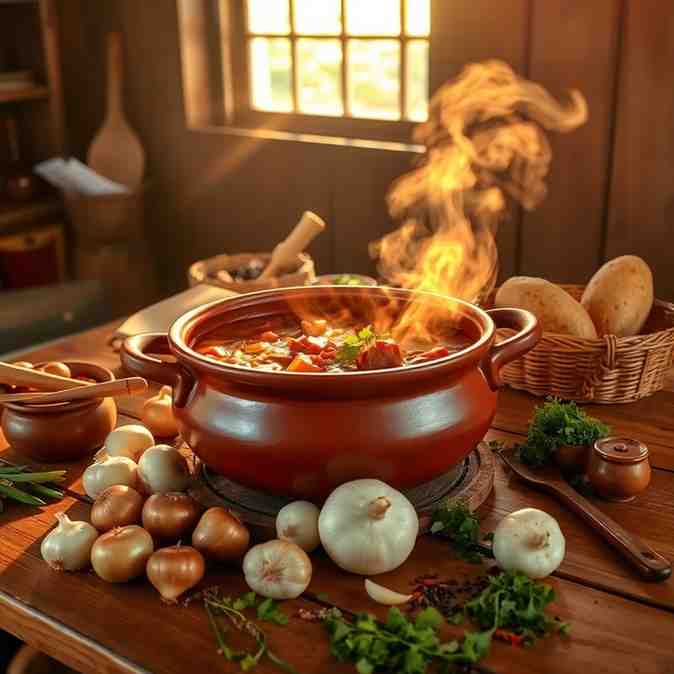

- Serves: 6 People
- Prepare Time: 30 minutes
- Cooking Time: 2 hours 30
- Calories: -
- Difficulty: Medium
Welcome to the vibrant flavors of the Caribbean! Today, we're diving deep into the heart of Aruban and Curaçaoan cuisine with an Authentic Caribbean Cabrito Stoba. This isn't just any goat stew; it's a rich, slow-cooked masterpiece, brimming with warm spices, a gentle underlying heat, and a silky, savory sauce that will transport your taste buds straight to the ABC islands. Imagine tender, fall-off-the-bone goat meat, infused with a medley of aromatics and traditional seasonings, creating a truly unforgettable experience.
Our Cabrito Stoba recipe is specially designed to work beautifully in a US kitchen. We've sourced ingredients that are readily available at most grocery stores—whether you choose goat or opt for the equally delicious lamb alternative. Every step has been thoroughly tested to ensure your success, making this a truly foolproof guide. If this is your first time cooking goat, don't worry, you’re in the perfect place. We're here to guide you to a delicious, authentic result!
Ingredients
Directions
- Prep & Marinate the Meat First, take your goat meat and trim off any excessive surface fat or tough silver skin. Give it a good rinse under cold water. Then, place the meat in a large bowl and soak it in a mixture of lime juice, orange juice, and a splash of vinegar for about 15-20 minutes. This acid soak helps to tame any strong gamey flavors. After soaking, drain the meat thoroughly and pat it very dry with paper towels – this is crucial for good browning! Toss the dried goat pieces with chopped onions, minced garlic, dried thyme, oregano, salt, and pepper. Let it rest and marinate for at least 30 minutes at room temperature, or up to 4 hours in the refrigerator.
- Brown the Goat (and Salted Beef, If Using)Heat the butter or oil in a heavy Dutch oven or a deep, heavy-bottomed pot over medium-high heat until shimmering. Working in batches, add the marinated goat meat to the hot pot, making sure not to overcrowd it. Brown the meat thoroughly on all sides until it develops a beautiful deep-golden crust. This browning step adds immense flavor to your stew. Transfer the browned pieces to a plate and set aside. If you're using salted beef, quickly brown those cubes in the same pot for a few minutes until slightly crisped.
- Build the Stew Base With the delicious browned bits still in the pot, reduce the heat to medium. Add the remaining chopped onions, garlic, and bell peppers. Sauté them, stirring occasionally, until they soften and turn golden, about 8-10 minutes. Next, stir in the chopped fresh tomatoes or canned crushed tomatoes. Cook them down, stirring frequently, until they thicken and slightly caramelize, about 5-7 minutes. Finally, add your spices: nutmeg, cumin, paprika or annatto powder. Toast them briefly for about 1 minute until fragrant, stirring constantly.
- Deglaze & Start the Simmer Pour a splash of beef or goat broth into the pot, scraping up all those flavorful browned bits from the bottom with a wooden spoon. This is called deglazing, and it adds incredible depth. Return the browned goat meat (and salted beef, if using) to the pot, along with any juices that have accumulated on the plate. Add the remaining broth and the bay leaves. Bring the mixture just to a gentle simmer.
- Slow-Cook Until Tender Once simmering, cover the Dutch oven tightly, reduce the heat to low, and let the Cabrito Stoba gently cook. This is where the magic happens! The stew will need to simmer for approximately 1½ to 2½ hours, or even longer, depending on the cut and age of the goat. The goal is super tender meat that slides easily off the bone and can be pierced effortlessly with a fork. Give it an occasional stir to prevent sticking and add a little extra water or broth if the stew gets too dry. Patience is key here!
- Add Vegetables & Finish the Sauce About 30-40 minutes before the stew is done, add your potato chunks (and any optional green papaya or concomber). Continue to simmer gently, covered, until the vegetables are tender but still hold their shape. If you're using a whole Scotch bonnet or habanero pepper for heat, you can add it now. For a milder flavor, ensure it remains whole; for more spice, you can gently prick it with a fork or slice it open. For the last 10-15 minutes, uncover the pot to allow the sauce to thicken slightly. It should be rich and glossy, coating the back of a spoon.
- Taste & Serve Before serving, use a spoon to skim off any excess fat from the surface of the stew if desired. Taste the Cabrito Stoba and adjust the seasonings as needed. You might want a final splash of lime juice for brightness or a pinch more salt. Remove the bay leaves and the whole chili pepper (if used) before serving for a milder dish. Serve hot and enjoy your homemade taste of the Caribbean!
Cabrito Stoba Aruban Goat Stew Recipe
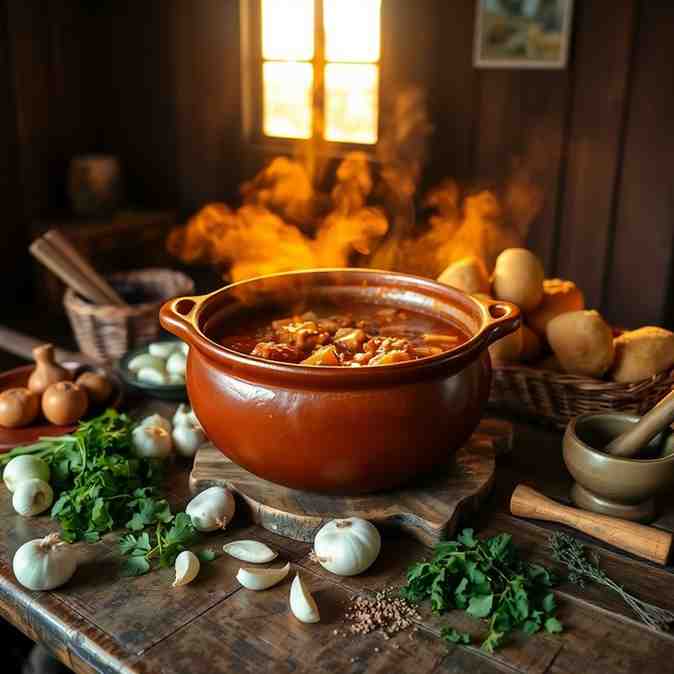
- Serves: 6 People
- Prepare Time: 30 minutes
- Cooking Time: 2 hours 30
- Calories: -
- Difficulty: Medium
Welcome to the vibrant flavors of the Caribbean! Today, we're diving deep into the heart of Aruban and Curaçaoan cuisine with an Authentic Caribbean Cabrito Stoba. This isn't just any goat stew; it's a rich, slow-cooked masterpiece, brimming with warm spices, a gentle underlying heat, and a silky, savory sauce that will transport your taste buds straight to the ABC islands. Imagine tender, fall-off-the-bone goat meat, infused with a medley of aromatics and traditional seasonings, creating a truly unforgettable experience.
Our Cabrito Stoba recipe is specially designed to work beautifully in a US kitchen. We've sourced ingredients that are readily available at most grocery stores—whether you choose goat or opt for the equally delicious lamb alternative. Every step has been thoroughly tested to ensure your success, making this a truly foolproof guide. If this is your first time cooking goat, don't worry, you’re in the perfect place. We're here to guide you to a delicious, authentic result!
Ingredients
Directions
- Prep & Marinate the Meat First, take your goat meat and trim off any excessive surface fat or tough silver skin. Give it a good rinse under cold water. Then, place the meat in a large bowl and soak it in a mixture of lime juice, orange juice, and a splash of vinegar for about 15-20 minutes. This acid soak helps to tame any strong gamey flavors. After soaking, drain the meat thoroughly and pat it very dry with paper towels – this is crucial for good browning! Toss the dried goat pieces with chopped onions, minced garlic, dried thyme, oregano, salt, and pepper. Let it rest and marinate for at least 30 minutes at room temperature, or up to 4 hours in the refrigerator.
- Brown the Goat (and Salted Beef, If Using)Heat the butter or oil in a heavy Dutch oven or a deep, heavy-bottomed pot over medium-high heat until shimmering. Working in batches, add the marinated goat meat to the hot pot, making sure not to overcrowd it. Brown the meat thoroughly on all sides until it develops a beautiful deep-golden crust. This browning step adds immense flavor to your stew. Transfer the browned pieces to a plate and set aside. If you're using salted beef, quickly brown those cubes in the same pot for a few minutes until slightly crisped.
- Build the Stew Base With the delicious browned bits still in the pot, reduce the heat to medium. Add the remaining chopped onions, garlic, and bell peppers. Sauté them, stirring occasionally, until they soften and turn golden, about 8-10 minutes. Next, stir in the chopped fresh tomatoes or canned crushed tomatoes. Cook them down, stirring frequently, until they thicken and slightly caramelize, about 5-7 minutes. Finally, add your spices: nutmeg, cumin, paprika or annatto powder. Toast them briefly for about 1 minute until fragrant, stirring constantly.
- Deglaze & Start the Simmer Pour a splash of beef or goat broth into the pot, scraping up all those flavorful browned bits from the bottom with a wooden spoon. This is called deglazing, and it adds incredible depth. Return the browned goat meat (and salted beef, if using) to the pot, along with any juices that have accumulated on the plate. Add the remaining broth and the bay leaves. Bring the mixture just to a gentle simmer.
- Slow-Cook Until Tender Once simmering, cover the Dutch oven tightly, reduce the heat to low, and let the Cabrito Stoba gently cook. This is where the magic happens! The stew will need to simmer for approximately 1½ to 2½ hours, or even longer, depending on the cut and age of the goat. The goal is super tender meat that slides easily off the bone and can be pierced effortlessly with a fork. Give it an occasional stir to prevent sticking and add a little extra water or broth if the stew gets too dry. Patience is key here!
- Add Vegetables & Finish the Sauce About 30-40 minutes before the stew is done, add your potato chunks (and any optional green papaya or concomber). Continue to simmer gently, covered, until the vegetables are tender but still hold their shape. If you're using a whole Scotch bonnet or habanero pepper for heat, you can add it now. For a milder flavor, ensure it remains whole; for more spice, you can gently prick it with a fork or slice it open. For the last 10-15 minutes, uncover the pot to allow the sauce to thicken slightly. It should be rich and glossy, coating the back of a spoon.
- Taste & Serve Before serving, use a spoon to skim off any excess fat from the surface of the stew if desired. Taste the Cabrito Stoba and adjust the seasonings as needed. You might want a final splash of lime juice for brightness or a pinch more salt. Remove the bay leaves and the whole chili pepper (if used) before serving for a milder dish. Serve hot and enjoy your homemade taste of the Caribbean!
The following nutritional values are per serving (one piece of cake) Calories ~450-550 kcal Carbohydrates ~25-35g Protein ~35-45g Fat ~20-30g Making a delicious Cabrito Stoba doesn't have to be an all-day affair, especially with a few smart tools by your side. Here are some recommendations to make your cooking experience smoother and quicker: Problem: Uneven heating and scorching can lead to tough meat or burnt stew, forcing you to constantly stir and potentially ruining your hard work. Problem: Dull knives make prepping tough goat meat and fibrous vegetables a chore, increasing the risk of slips and slowing down your entire process. Problem: Guessing if your stew has reached a safe internal temperature or if the goat meat is truly fall-apart tender can lead to undercooked, overcooked, or unsafe results. Problem: Traditional Cabrito Stoba takes hours of simmering to achieve that melt-in-your-mouth tenderness, which isn't always feasible for busy schedules. Click any ingredient for detailed nutritional information:Recipe Nutritional Values
Additional Information
Recipe Success Tips
Key Tips for Tender Goat
Ingredient Substitutions & Variations
Cultural Variations
Authentic Caribbean Cabrito Stoba often tastes even better the next day! Here’s how to manage it:
Frequently Asked Questions
Recommended Kitchen Tools
Heavy Dutch Oven or Deep Pot
Agitate: Imagine your carefully marinated goat sticking to the bottom of a flimsy pot, or the stew taking ages to tenderize because the heat keeps escaping. It's frustrating and adds unnecessary time to your cook.
Solution: A heavy Dutch oven or a quality deep, heavy-bottomed pot ensures even heat distribution and retention. This allows for a gentle, consistent simmer, leading to perfectly tender goat and a rich, unburnt sauce without constant babysitting.Sharp Knife & Sturdy Cutting Board
Agitate: Struggling to hack through a piece of goat or slipping while chopping onions isn't just annoying; it's dangerous and adds precious minutes (and potential frustration) to your prep time.
Solution: A well-sharpened knife glides through meat and veggies effortlessly, making your prep work quicker, safer, and much more enjoyable. Pair it with a sturdy cutting board that won't slide around, and you'll be a prep master in no time.Instant-Read Thermometer (Optional)
Agitate: Nobody wants chewy, tough goat or the worry of serving something not quite done. Relying solely on visual cues can be misleading and lead to disappointment.
Solution: An instant-read thermometer takes all the guesswork out. It quickly confirms your stew is cooked through for safety and helps you gauge the meat's tenderness perfectly, ensuring every bite of your Cabrito Stoba is succulent and safe.Pressure Cooker (for faster cooking)
Agitate: You crave authentic, slow-cooked flavor, but you don't always have 2+ hours to dedicate to the stovetop. Waiting for perfection can be tough when hunger strikes or when you're short on time.
Solution: A pressure cooker drastically cuts down the cooking time, transforming tough goat meat into tender, flavorful stew in a fraction of the time. It's a game-changer for weeknights or when you need that delicious Cabrito Stoba without the long wait.Calories per Ingredient
Resources & References
You may also like

.jpg)


Hey there! I’m just someone who seriously loves good food and believes that cooking doesn’t have to be complicated to be amazing. Whether it’s a quick weeknight dinner or a cozy weekend meal, I’m all about sharing easy, tasty recipes that actually work.



