
Cameroon Banga Soup - African Food Recipe You'll Love
Cameroon Banga Soup - African Food Recipe You'll Love
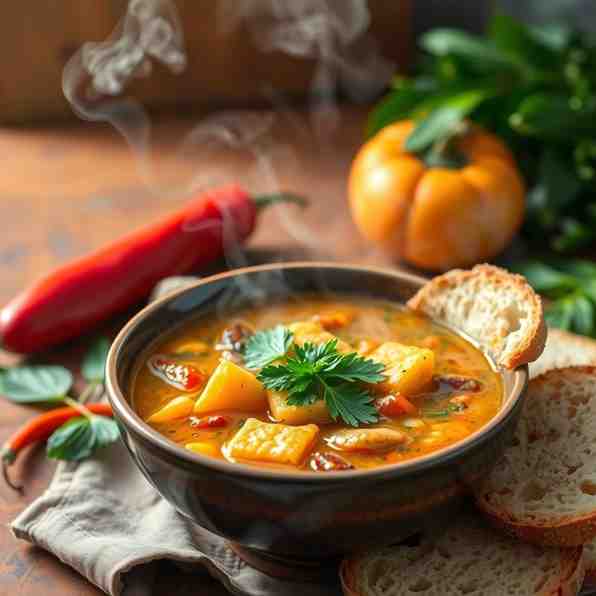
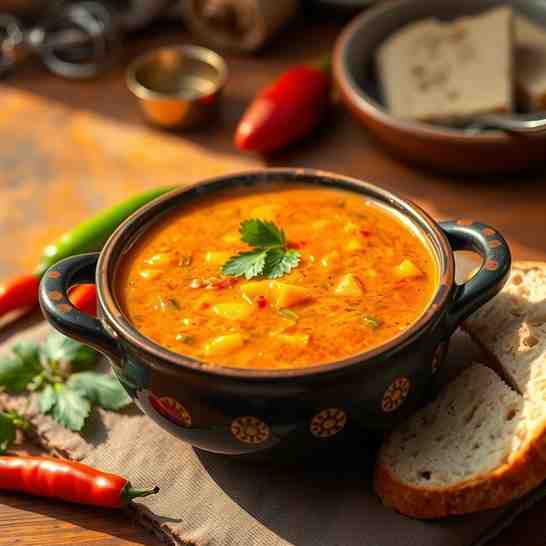
- Serves: 6 People
- Prepare Time: 25 minutes
- Cooking Time: 55 minutes
- Calories: -
- Difficulty: Medium
Hey there, fellow food adventurers! Are you ready to dive into the vibrant, soulful world of African food recipes? We’re about to embark on a culinary journey to West Africa with a truly special dish: Cameroon Banga Soup. This isn't just any soup; it's a rich, smoky, and utterly delicious palm-nut-based stew that’s a staple in Cameroon and its neighboring regions. Imagine a bowl full of deeply savory flavors, a hint of spice, and a creamy, nutty texture that’s absolutely irresistible. It’s the kind of tasty food to cook at home that warms you from the inside out and makes for a truly good family recipe. Typically served with staples like fufu, rice, or boiled yams, this soup is perfect for cozy dinners, family gatherings, or just when you’re craving something deliciously different. Let’s learn how to make this incredible African dish and bring a taste of Cameroon right to your kitchen!
Ingredients
Directions
- Prep the Aromatics & Palm Nut Base In a blender or food processor, combine the roughly chopped onion, garlic, ginger, and Scotch bonnet peppers. Add about 1/4 cup of water or stock to help it blend smoothly. Process until you have a fine, aromatic paste. Set aside. If your palm nut concentrate is very thick, you can dilute it now with 1-2 cups of your stock according to package directions, stirring well to ensure it's a smooth liquid.
- Brown the Meat & Build the Flavor Base Heat 1-2 tablespoons of neutral cooking oil in a large, heavy pot or Dutch oven over medium-high heat. Season your beef pieces with a pinch of salt and pepper. Add the beef to the hot pot and brown on all sides until nicely caramelized. This step is crucial for developing deep flavor. Once browned, remove the beef from the pot and set aside, leaving any rendered fat in the pot. Reduce the heat to medium. Add the blended aromatic paste to the pot and sauté for 5-7 minutes, stirring occasionally, until fragrant and slightly softened. If there are browned bits (fond) stuck to the bottom of the pot, deglaze by adding a splash of stock or water and scraping them up with a wooden spoon – this adds another layer of flavor!
- Simmer with the Palm Nut Base Return the browned beef to the pot. Pour in the diluted palm nut concentrate (or add the thick concentrate and the remaining 3-4 cups of stock/water). Add the cleaned smoked fish pieces, ground crayfish (if using), West African spice blend (if using), bouillon cubes (if desired), and a good pinch of salt and pepper. Stir everything together. Bring the soup to a gentle simmer, then reduce the heat to low, cover the pot partially, and let it cook for at least 45-60 minutes, or until the beef is fork-tender and the soup has thickened slightly. Stir occasionally to prevent sticking and skim off any foam that rises to the surface. You'll notice the color deepening and a rich aroma filling your kitchen.
- Adjust Thickness, Seasoning & Heat After simmering, check the consistency of your soup. If it's too thick, add a little more stock or water until it reaches your desired consistency. If it's too thin, remove the lid and let it simmer uncovered for a bit longer to reduce. Taste the soup and adjust the seasoning: add more salt, pepper, or a squeeze of fresh lime juice for brightness if needed. Ensure the beef is tender. A good sign of doneness is when the oil from the palm nuts starts to separate slightly and floats on the surface, indicating the flavors have fully melded.
- Serve Ladle the hot Cameroon Banga Soup into bowls. It’s traditionally served with fufu (made from cassava or plantain), steamed white rice, or boiled yams. For an authentic experience, use your hands to scoop up the fufu and dip it into the rich soup. Garnish with fresh scent leaves or basil if you like. Enjoy this deeply satisfying and authentic African dish!
Cameroon Banga Soup - African Food Recipe You'll Love
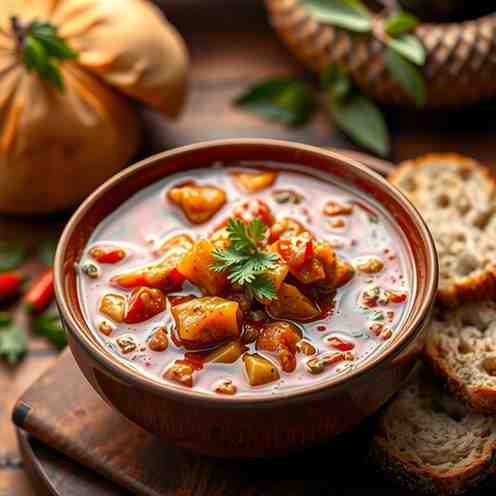
- Serves: 6 People
- Prepare Time: 25 minutes
- Cooking Time: 55 minutes
- Calories: -
- Difficulty: Medium
Hey there, fellow food adventurers! Are you ready to dive into the vibrant, soulful world of African food recipes? We’re about to embark on a culinary journey to West Africa with a truly special dish: Cameroon Banga Soup. This isn't just any soup; it's a rich, smoky, and utterly delicious palm-nut-based stew that’s a staple in Cameroon and its neighboring regions. Imagine a bowl full of deeply savory flavors, a hint of spice, and a creamy, nutty texture that’s absolutely irresistible. It’s the kind of tasty food to cook at home that warms you from the inside out and makes for a truly good family recipe. Typically served with staples like fufu, rice, or boiled yams, this soup is perfect for cozy dinners, family gatherings, or just when you’re craving something deliciously different. Let’s learn how to make this incredible African dish and bring a taste of Cameroon right to your kitchen!
Ingredients
Directions
- Prep the Aromatics & Palm Nut Base In a blender or food processor, combine the roughly chopped onion, garlic, ginger, and Scotch bonnet peppers. Add about 1/4 cup of water or stock to help it blend smoothly. Process until you have a fine, aromatic paste. Set aside. If your palm nut concentrate is very thick, you can dilute it now with 1-2 cups of your stock according to package directions, stirring well to ensure it's a smooth liquid.
- Brown the Meat & Build the Flavor Base Heat 1-2 tablespoons of neutral cooking oil in a large, heavy pot or Dutch oven over medium-high heat. Season your beef pieces with a pinch of salt and pepper. Add the beef to the hot pot and brown on all sides until nicely caramelized. This step is crucial for developing deep flavor. Once browned, remove the beef from the pot and set aside, leaving any rendered fat in the pot. Reduce the heat to medium. Add the blended aromatic paste to the pot and sauté for 5-7 minutes, stirring occasionally, until fragrant and slightly softened. If there are browned bits (fond) stuck to the bottom of the pot, deglaze by adding a splash of stock or water and scraping them up with a wooden spoon – this adds another layer of flavor!
- Simmer with the Palm Nut Base Return the browned beef to the pot. Pour in the diluted palm nut concentrate (or add the thick concentrate and the remaining 3-4 cups of stock/water). Add the cleaned smoked fish pieces, ground crayfish (if using), West African spice blend (if using), bouillon cubes (if desired), and a good pinch of salt and pepper. Stir everything together. Bring the soup to a gentle simmer, then reduce the heat to low, cover the pot partially, and let it cook for at least 45-60 minutes, or until the beef is fork-tender and the soup has thickened slightly. Stir occasionally to prevent sticking and skim off any foam that rises to the surface. You'll notice the color deepening and a rich aroma filling your kitchen.
- Adjust Thickness, Seasoning & Heat After simmering, check the consistency of your soup. If it's too thick, add a little more stock or water until it reaches your desired consistency. If it's too thin, remove the lid and let it simmer uncovered for a bit longer to reduce. Taste the soup and adjust the seasoning: add more salt, pepper, or a squeeze of fresh lime juice for brightness if needed. Ensure the beef is tender. A good sign of doneness is when the oil from the palm nuts starts to separate slightly and floats on the surface, indicating the flavors have fully melded.
- Serve Ladle the hot Cameroon Banga Soup into bowls. It’s traditionally served with fufu (made from cassava or plantain), steamed white rice, or boiled yams. For an authentic experience, use your hands to scoop up the fufu and dip it into the rich soup. Garnish with fresh scent leaves or basil if you like. Enjoy this deeply satisfying and authentic African dish!
You may also like

.jpg)


Hey there! I’m just someone who seriously loves good food and believes that cooking doesn’t have to be complicated to be amazing. Whether it’s a quick weeknight dinner or a cozy weekend meal, I’m all about sharing easy, tasty recipes that actually work.