Sombe (Cassava Leaf Stew) - Easy Central African Recipe
Sombe (Cassava Leaf Stew) - Easy Central African Recipe

- Serves: 6 People
- Prepare Time: 30 minutes
- Cooking Time: 2 hours
- Calories: -
- Difficulty: Medium
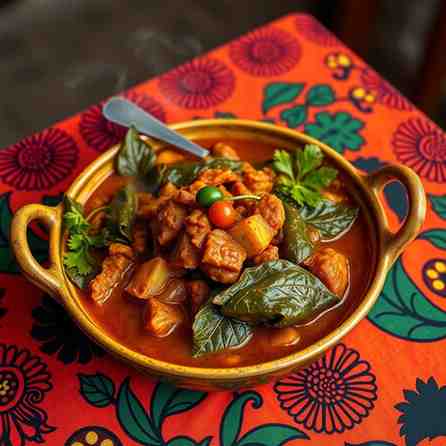
Imagine yourself stepping into a bustling Central African kitchen, the air thick with the earthy scent of simmering greens, the warmth of palm oil, and the rich aroma of peanuts. That's the heart of Central African cassava leaf stew, known across the region as Sombe, Pondu, or Saka Saka. This isn't just a meal; it's a culinary journey, a staple dish that brings families together and tells a story of tradition and flavor.
This recipe will guide you through creating a truly traditional-style Central African / Congolese cassava leaf stew. We're talking about a hearty, one-pot wonder built around the unique taste of cassava leaves, the vibrant richness of red palm oil, the creamy depth of peanut butter, and your choice of savory meat, often enhanced with a touch of smoked fish. You'll love this Central African cassava leaf stew for its incredibly deep, rich flavors, its surprisingly simple ingredients, and how perfectly it feeds a crowd. It’s perfect for new cooks curious about African cuisine and diaspora readers looking for a reliable, well-tested Sombe recipe that tastes just like home. Get ready to dive into a truly delicious and authentic African stew recipe!
This is the definitive guide to creating a rich, flavorful, and authentic Central African cassava leaf stew. It’s a dish that’s as comforting as it is delicious, perfect for any occasion.
Best For: Sunday dinners, celebrations, potlucks, and freezer meals.
Pairs With: Steamed rice, fufu, boiled plantains, or cassava side dishes.
Ingredients
Directions
Core Step-by-Step Instructions
(Intent: “Learn how to cook with cassava leaves” & “Understand traditional Central African cooking methods.”)- Understanding cassava leaves: Cassava leaves, while delicious, have a naturally bitter taste and a fibrous texture when raw. Proper preparation is key to transforming them into the tender, earthy greens that define Central African cassava leaf stew.
- Prepping fresh vs frozen:
- For fresh leaves: Rinse them thoroughly. Strip the tough central stems from the leaves. Chop the leaves finely or pound them in a mortar and pestle. Then, pre-boil them in plenty of water for at least 20-30 minutes, draining and squeezing out the liquid. Repeat this process once or twice if you prefer a milder flavor, or if you're concerned about bitterness. This step is crucial for both safety and taste.
- For frozen leaves: Simply thaw them completely, drain any excess water, and squeeze out any remaining liquid. They're usually pre-chopped, saving you a step!
- Flavor pairing 101: In Central Africa, cassava leaves are almost always paired with rich ingredients like palm oil, peanuts, and savory meats or smoked fish. These ingredients balance the earthy bitterness of the leaves, creating a harmonious and deeply satisfying flavor profile.
- 2 lbs (about 900g) frozen chopped cassava leaves, thawed and squeezed dry (or 3 lbs fresh cassava leaves, prepped as described above)
- 1.5 lbs (about 680g) stewing beef (e.g., chuck or short ribs), cut into 1-inch cubes
- 1/2 cup red palm oil
- 1 large onion, chopped
- 4-6 cloves garlic, minced
- 1 bell pepper (any color), chopped
- 1-2 fresh chilies (like habanero or scotch bonnet), minced (or 1/2 tsp red pepper flakes, optional)
- 1/2 cup natural, unsweetened peanut butter
- 4-6 cups water or beef broth (plus more as needed)
- 1 tsp salt (or to taste)
- 1/2 tsp black pepper (or to taste)
- 1-2 bouillon cubes (optional)
- 1/2 cup flaked smoked fish (e.g., mackerel or cod), optional
- If using fresh leaves, ensure they have been thoroughly rinsed, stripped, chopped, and pre-boiled (for 20-30 minutes), then drained and squeezed very dry. Repeat boiling and squeezing if desired.
- If using frozen leaves, thaw them completely, drain any liquid, and squeeze out as much excess water as possible.
- The goal is for the leaves to be soft, finely chopped, and not stringy, with minimal excess moisture.
- In your large heavy-bottomed pot or Dutch oven, brown the beef cubes over medium-high heat with a pinch of salt until well-colored on all sides. This builds flavor.
- Add 4 cups of water or broth to the pot, scraping up any browned bits from the bottom. Bring to a simmer, then reduce heat to low, cover, and cook for 45-60 minutes, or until the beef is almost tender.
- Skim off any foam that rises to the surface during simmering.
- By the end, you should have about 2-3 cups of flavorful broth remaining with the beef. If there's too much liquid, remove some; if too little, add a splash more.
- In the same pot (with the meat and broth still in it), add the palm oil and warm it over medium heat until fragrant (but not smoking).
- Add the chopped onions, minced garlic, chopped bell pepper, and chilies (if using) to the palm oil. Sauté for 5-7 minutes, stirring occasionally, until the vegetables are soft and the onions are golden.
- Add the prepared, squeezed-dry cassava leaves to the pot with the aromatics and meat. Stir everything together gently to combine.
- Add any reserved broth back into the pot, ensuring the liquid level is just enough to mostly cover the leaves and meat. You want a stew, not a soup, so don't drown it.
- Bring the mixture to a steady, gentle simmer over medium-low heat. Cook, partially covered, for at least 45 minutes to 1 hour, stirring occasionally to prevent sticking. The leaves will soften further and absorb the flavors.
- In a small bowl, whisk the peanut butter with a ladleful of hot broth from the stew until it forms a smooth, pourable paste. This prevents lumps.
- Stir the smooth peanut butter mixture into the pot. It will emulsify into the stew, thickening it and adding richness.
- If using, add the flaked smoked fish to the pot.
- Continue to simmer gently, stirring more frequently now, for another 20-30 minutes, or until the stew is thick, glossy, and the flavors are deeply melded. The palm oil should rise slightly to the surface, creating a beautiful sheen.
- Taste the stew and adjust seasoning with more salt, pepper, or chili to your preference.
- If the stew is too thick, add a splash more broth or water. If it's too thin, simmer uncovered for a bit longer to reduce.
- The final texture should be creamy, spoonable, and rich, clinging beautifully to rice or fufu.
Sombe (Cassava Leaf Stew) - Easy Central African Recipe
.jpg)
- Serves: 6 People
- Prepare Time: 30 minutes
- Cooking Time: 2 hours
- Calories: -
- Difficulty: Medium
Imagine yourself stepping into a bustling Central African kitchen, the air thick with the earthy scent of simmering greens, the warmth of palm oil, and the rich aroma of peanuts. That's the heart of Central African cassava leaf stew, known across the region as Sombe, Pondu, or Saka Saka. This isn't just a meal; it's a culinary journey, a staple dish that brings families together and tells a story of tradition and flavor.
This recipe will guide you through creating a truly traditional-style Central African / Congolese cassava leaf stew. We're talking about a hearty, one-pot wonder built around the unique taste of cassava leaves, the vibrant richness of red palm oil, the creamy depth of peanut butter, and your choice of savory meat, often enhanced with a touch of smoked fish. You'll love this Central African cassava leaf stew for its incredibly deep, rich flavors, its surprisingly simple ingredients, and how perfectly it feeds a crowd. It’s perfect for new cooks curious about African cuisine and diaspora readers looking for a reliable, well-tested Sombe recipe that tastes just like home. Get ready to dive into a truly delicious and authentic African stew recipe!
This is the definitive guide to creating a rich, flavorful, and authentic Central African cassava leaf stew. It’s a dish that’s as comforting as it is delicious, perfect for any occasion.
Best For: Sunday dinners, celebrations, potlucks, and freezer meals.
Pairs With: Steamed rice, fufu, boiled plantains, or cassava side dishes.
Ingredients
Directions
Core Step-by-Step Instructions
(Intent: “Learn how to cook with cassava leaves” & “Understand traditional Central African cooking methods.”)- Understanding cassava leaves: Cassava leaves, while delicious, have a naturally bitter taste and a fibrous texture when raw. Proper preparation is key to transforming them into the tender, earthy greens that define Central African cassava leaf stew.
- Prepping fresh vs frozen:
- For fresh leaves: Rinse them thoroughly. Strip the tough central stems from the leaves. Chop the leaves finely or pound them in a mortar and pestle. Then, pre-boil them in plenty of water for at least 20-30 minutes, draining and squeezing out the liquid. Repeat this process once or twice if you prefer a milder flavor, or if you're concerned about bitterness. This step is crucial for both safety and taste.
- For frozen leaves: Simply thaw them completely, drain any excess water, and squeeze out any remaining liquid. They're usually pre-chopped, saving you a step!
- Flavor pairing 101: In Central Africa, cassava leaves are almost always paired with rich ingredients like palm oil, peanuts, and savory meats or smoked fish. These ingredients balance the earthy bitterness of the leaves, creating a harmonious and deeply satisfying flavor profile.
- 2 lbs (about 900g) frozen chopped cassava leaves, thawed and squeezed dry (or 3 lbs fresh cassava leaves, prepped as described above)
- 1.5 lbs (about 680g) stewing beef (e.g., chuck or short ribs), cut into 1-inch cubes
- 1/2 cup red palm oil
- 1 large onion, chopped
- 4-6 cloves garlic, minced
- 1 bell pepper (any color), chopped
- 1-2 fresh chilies (like habanero or scotch bonnet), minced (or 1/2 tsp red pepper flakes, optional)
- 1/2 cup natural, unsweetened peanut butter
- 4-6 cups water or beef broth (plus more as needed)
- 1 tsp salt (or to taste)
- 1/2 tsp black pepper (or to taste)
- 1-2 bouillon cubes (optional)
- 1/2 cup flaked smoked fish (e.g., mackerel or cod), optional
- If using fresh leaves, ensure they have been thoroughly rinsed, stripped, chopped, and pre-boiled (for 20-30 minutes), then drained and squeezed very dry. Repeat boiling and squeezing if desired.
- If using frozen leaves, thaw them completely, drain any liquid, and squeeze out as much excess water as possible.
- The goal is for the leaves to be soft, finely chopped, and not stringy, with minimal excess moisture.
- In your large heavy-bottomed pot or Dutch oven, brown the beef cubes over medium-high heat with a pinch of salt until well-colored on all sides. This builds flavor.
- Add 4 cups of water or broth to the pot, scraping up any browned bits from the bottom. Bring to a simmer, then reduce heat to low, cover, and cook for 45-60 minutes, or until the beef is almost tender.
- Skim off any foam that rises to the surface during simmering.
- By the end, you should have about 2-3 cups of flavorful broth remaining with the beef. If there's too much liquid, remove some; if too little, add a splash more.
- In the same pot (with the meat and broth still in it), add the palm oil and warm it over medium heat until fragrant (but not smoking).
- Add the chopped onions, minced garlic, chopped bell pepper, and chilies (if using) to the palm oil. Sauté for 5-7 minutes, stirring occasionally, until the vegetables are soft and the onions are golden.
- Add the prepared, squeezed-dry cassava leaves to the pot with the aromatics and meat. Stir everything together gently to combine.
- Add any reserved broth back into the pot, ensuring the liquid level is just enough to mostly cover the leaves and meat. You want a stew, not a soup, so don't drown it.
- Bring the mixture to a steady, gentle simmer over medium-low heat. Cook, partially covered, for at least 45 minutes to 1 hour, stirring occasionally to prevent sticking. The leaves will soften further and absorb the flavors.
- In a small bowl, whisk the peanut butter with a ladleful of hot broth from the stew until it forms a smooth, pourable paste. This prevents lumps.
- Stir the smooth peanut butter mixture into the pot. It will emulsify into the stew, thickening it and adding richness.
- If using, add the flaked smoked fish to the pot.
- Continue to simmer gently, stirring more frequently now, for another 20-30 minutes, or until the stew is thick, glossy, and the flavors are deeply melded. The palm oil should rise slightly to the surface, creating a beautiful sheen.
- Taste the stew and adjust seasoning with more salt, pepper, or chili to your preference.
- If the stew is too thick, add a splash more broth or water. If it's too thin, simmer uncovered for a bit longer to reduce.
- The final texture should be creamy, spoonable, and rich, clinging beautifully to rice or fufu.
You may also like



Hey there! I’m just someone who seriously loves good food and believes that cooking doesn’t have to be complicated to be amazing. Whether it’s a quick weeknight dinner or a cozy weekend meal, I’m all about sharing easy, tasty recipes that actually work.