
Central African Fufu - Cassava & Plantain Recipe
Central African Fufu - Cassava & Plantain Recipe
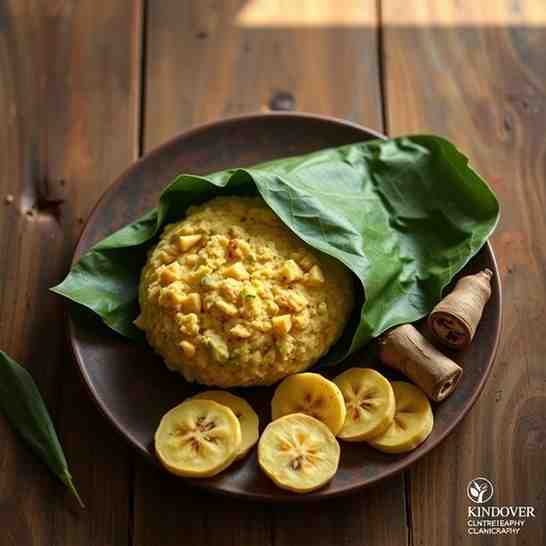
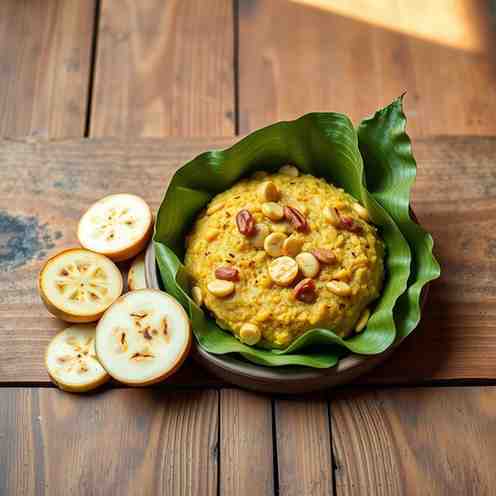
- Serves: 4 People
- Prepare Time: 20 minutes
- Cooking Time: 40 minutes
- Calories: -
- Difficulty: Medium
Welcome to the heart of African cuisine! Today, we’re diving into the incredibly satisfying world of fufu, a staple dish across West and Central Africa. Imagine a soft, dough-like "swallow" food, perfect for scooping up rich, flavorful soups and stews. While there are many regional variations, our recipe focuses on a delicious Central African cassava and plantain fufu that brings together the best of both worlds. This version uses fresh cassava for its wonderful structure and chew, combined with green plantains (think savory green bananas!) for a delightful stretch and subtle flavor. Don't be intimidated if you're a beginner; with simple ingredients and our clear, friendly guidance, you'll be mastering this authentic African swallow food in no time. Get ready to experience a true taste of Africa!
Ingredients
Directions
- Before You Start – Cassava Safety & Prep (Read This First!)It's super important to know that raw cassava contains natural compounds that need to be removed. The good news? It's easy! Just make sure to thoroughly boil the cassava and discard the boiling water after cooking. This ensures your fufu is safe and delicious.
- Choose Your Cassava: If using fresh cassava, look for firm roots without soft spots or discoloration. If you see black streaks inside, it's spoiled, so toss it. Frozen peeled chunks are also a great, convenient option!
- Peel & Trim Cassava: For fresh cassava, use a sharp knife to carefully peel away the thick, bark-like skin. You might need to make a shallow cut lengthwise and then wedge your knife under the skin. Once peeled, trim off any woody ends and remove the fibrous core running through the center. Cut the cassava into even 1-2 inch chunks.
- Prep Your Plantains: Green plantains are easier to peel than you might think! Score the skin lengthwise along one or two ridges. Then, wedge your thumb under the skin at one end and peel it off in strips. Slice the peeled plantains into 1-2 inch chunks, similar to your cassava.
- Let's Make Fufu!
- Boil Cassava and Plantains:Place your prepared cassava and plantain chunks into the large heavy pot. Cover them with plenty of cold water, ensuring they are fully submerged by at least an inch or two. If using, add the optional 1/2 teaspoon of salt. Bring the water to a rolling boil over high heat, then reduce the heat to medium-low, cover, and simmer for 20-30 minutes. You'll know they're ready when both the cassava and plantains are completely tender and a fork glides into them easily.
- Drain Safely & Let Steam Off:Carefully drain the cooked cassava and plantains thoroughly using a colander.
- Remember to discard all the boiling water. Let the pieces sit in the colander for a few minutes to allow any excess steam and moisture to escape. This helps prevent your fufu from becoming too watery.
- Mash in the Food Processor:Transfer the hot, drained cassava and plantain pieces to your food processor (work in batches if necessary to avoid overcrowding). Pulse the mixture in short bursts, stopping to scrape down the sides of the bowl as needed. Continue processing until the mixture is completely smooth, stretchy, and forms a cohesive dough-like ball. It should not be runny! If the mixture seems too stiff to move the blades, add hot water one tablespoon at a time, pulsing after each addition, until it reaches a smooth, pliable consistency.
- Quick Tip for No Food Processor: If you don't have a food processor, don't worry! You can mash by hand using a sturdy wooden spoon or potato masher in a heavy pot, requiring a bit more elbow grease. See our "Pro Tips" section for more on this!
- Knead to Finish the Texture:Scrape the hot fufu dough into a lightly damp, large heatproof bowl. Using a wet wooden spoon or even a wet hand (be careful, it's hot!), knead the dough for a few minutes. This final kneading step is crucial for achieving that signature smooth, elastic, and slightly sticky fufu texture. You want it to be free of any visible lumps.
- Shape Individual Portions:With wet hands (this prevents sticking), portion the fufu into small, golf-ball to tennis-ball sized pieces. Smooth the surface of each ball by gently folding and flipping it in your hands until it forms a neat, rounded shape. If you want perfectly uniform domes, you can press the fufu into small, lightly oiled bowls or wrap them individually in plastic wrap.
Central African Fufu - Cassava & Plantain Recipe
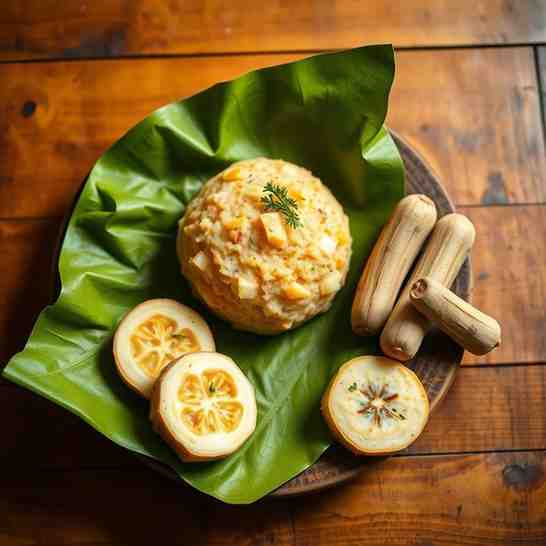
- Serves: 4 People
- Prepare Time: 20 minutes
- Cooking Time: 40 minutes
- Calories: -
- Difficulty: Medium
Welcome to the heart of African cuisine! Today, we’re diving into the incredibly satisfying world of fufu, a staple dish across West and Central Africa. Imagine a soft, dough-like "swallow" food, perfect for scooping up rich, flavorful soups and stews. While there are many regional variations, our recipe focuses on a delicious Central African cassava and plantain fufu that brings together the best of both worlds. This version uses fresh cassava for its wonderful structure and chew, combined with green plantains (think savory green bananas!) for a delightful stretch and subtle flavor. Don't be intimidated if you're a beginner; with simple ingredients and our clear, friendly guidance, you'll be mastering this authentic African swallow food in no time. Get ready to experience a true taste of Africa!
Ingredients
Directions
- Before You Start – Cassava Safety & Prep (Read This First!)It's super important to know that raw cassava contains natural compounds that need to be removed. The good news? It's easy! Just make sure to thoroughly boil the cassava and discard the boiling water after cooking. This ensures your fufu is safe and delicious.
- Choose Your Cassava: If using fresh cassava, look for firm roots without soft spots or discoloration. If you see black streaks inside, it's spoiled, so toss it. Frozen peeled chunks are also a great, convenient option!
- Peel & Trim Cassava: For fresh cassava, use a sharp knife to carefully peel away the thick, bark-like skin. You might need to make a shallow cut lengthwise and then wedge your knife under the skin. Once peeled, trim off any woody ends and remove the fibrous core running through the center. Cut the cassava into even 1-2 inch chunks.
- Prep Your Plantains: Green plantains are easier to peel than you might think! Score the skin lengthwise along one or two ridges. Then, wedge your thumb under the skin at one end and peel it off in strips. Slice the peeled plantains into 1-2 inch chunks, similar to your cassava.
- Let's Make Fufu!
- Boil Cassava and Plantains:Place your prepared cassava and plantain chunks into the large heavy pot. Cover them with plenty of cold water, ensuring they are fully submerged by at least an inch or two. If using, add the optional 1/2 teaspoon of salt. Bring the water to a rolling boil over high heat, then reduce the heat to medium-low, cover, and simmer for 20-30 minutes. You'll know they're ready when both the cassava and plantains are completely tender and a fork glides into them easily.
- Drain Safely & Let Steam Off:Carefully drain the cooked cassava and plantains thoroughly using a colander.
- Remember to discard all the boiling water. Let the pieces sit in the colander for a few minutes to allow any excess steam and moisture to escape. This helps prevent your fufu from becoming too watery.
- Mash in the Food Processor:Transfer the hot, drained cassava and plantain pieces to your food processor (work in batches if necessary to avoid overcrowding). Pulse the mixture in short bursts, stopping to scrape down the sides of the bowl as needed. Continue processing until the mixture is completely smooth, stretchy, and forms a cohesive dough-like ball. It should not be runny! If the mixture seems too stiff to move the blades, add hot water one tablespoon at a time, pulsing after each addition, until it reaches a smooth, pliable consistency.
- Quick Tip for No Food Processor: If you don't have a food processor, don't worry! You can mash by hand using a sturdy wooden spoon or potato masher in a heavy pot, requiring a bit more elbow grease. See our "Pro Tips" section for more on this!
- Knead to Finish the Texture:Scrape the hot fufu dough into a lightly damp, large heatproof bowl. Using a wet wooden spoon or even a wet hand (be careful, it's hot!), knead the dough for a few minutes. This final kneading step is crucial for achieving that signature smooth, elastic, and slightly sticky fufu texture. You want it to be free of any visible lumps.
- Shape Individual Portions:With wet hands (this prevents sticking), portion the fufu into small, golf-ball to tennis-ball sized pieces. Smooth the surface of each ball by gently folding and flipping it in your hands until it forms a neat, rounded shape. If you want perfectly uniform domes, you can press the fufu into small, lightly oiled bowls or wrap them individually in plastic wrap.
You may also like

Hey there! I’m just someone who seriously loves good food and believes that cooking doesn’t have to be complicated to be amazing. Whether it’s a quick weeknight dinner or a cozy weekend meal, I’m all about sharing easy, tasty recipes that actually work.