
Classic Roast Beef & Yorkshire Pudding - The Best Sunday Dinner
Classic Roast Beef & Yorkshire Pudding - The Best Sunday Dinner
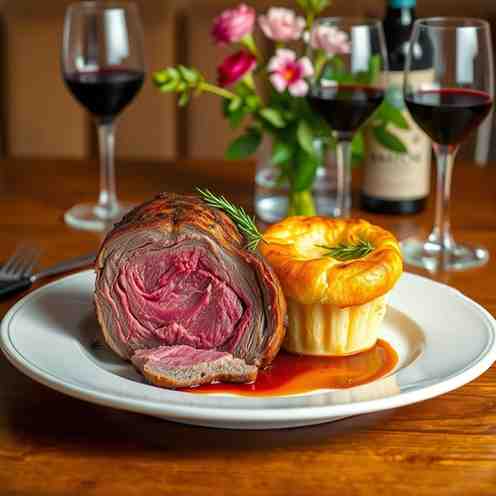
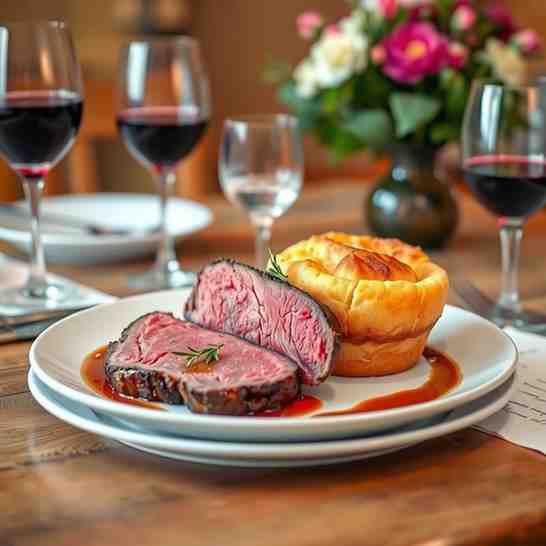
- Serves: 6 People
- Prepare Time: 25 minutes
- Cooking Time: 2 hours
- Calories: -
- Difficulty: Medium
There’s nothing quite like a classic roast beef dinner to bring everyone to the table. Imagine: juicy beef, perfectly cooked to your liking, surrounded by golden, crisp Yorkshire puddings, all drenched in a rich, savory homemade gravy. This isn't just a meal; it's a cozy Sunday roast dinner tradition, a comforting embrace on a plate. Forget complicated methods or guesswork; we're here to show you how to achieve this show-stopping feast with confidence, whether you're a seasoned chef or just starting your culinary journey. Get ready to impress!
Ready to dive in?
This recipe is your ticket to a stress-free Sunday roast. We’ll walk you through a simple, one-pan method for your roast beef, a reliable way to get those iconic, puffy Yorkshire puddings, and a quick pan gravy made right from your drippings. What makes this truly foolproof? We focus on precise thermometer temperatures, the magic of hot fat for your Yorkshires, and a clear game plan to nail the timing. No more guessing, just delicious results!
Choosing the right cut is key to a fantastic roast. Here’s a quick guide:
Ribeye/Rib Roast (Bone-In or Boneless): This is the classic choice for a special occasion. It's well-marbled, meaning it has plenty of fat running through it, which results in a super juicy beef and flavorful roast. Perfect for a prime rib roast beef experience.
Top Sirloin Roast / Sirloin Tip Roast: A leaner option that offers great value. It’s still wonderfully tender, especially when sliced thinly. This is an excellent choice for a lean roast beef that’s full of flavor without being overly rich.
Top Round / Eye of Round: Very lean and budget-friendly. This cut needs careful temperature management to prevent it from drying out, and it absolutely shines when sliced very thin against the grain.
This recipe is specifically written for a Top Sirloin Roast. It offers a fantastic balance of flavor and value, making it perfect for a regular Sunday roast dinner.
When you're buying your roast, aim for about 1/2 to 3/4 pound per person. Look for good marbling – those little flecks of fat mean more flavor and moisture. If your roast isn't already tied by the butcher, tying it yourself with kitchen twine will help it cook more evenly.
Guessing is out, thermometers are in! For food safety, all beef roasts should reach a minimum internal temperature of 145°F (63°C), followed by a 3-minute rest. This resting period is crucial for carryover cooking and juicy results.
Rare: 120-125°F / 125-130°F
Medium-Rare: 125-130°F / 130-135°F
Medium: 130-135°F / 135-140°F
Medium-Well: 135-140°F / 140-145°F
Well-Done: 140-145°F / 145-150°F (Note: For well-done, pull at the lower end to avoid dryness)
Carryover cooking means your roast will continue to cook and rise in temperature by 5-10 degrees (or more for larger roasts) after you pull it from the oven. This is why you always pull the beef before it reaches your desired final temperature.
Why time-per-pound is only a backup: Oven temperatures can vary wildly, and beef roasts come in different shapes and sizes. A thermometer is the only way to guarantee perfect doneness every time. Use time-per-pound as a rough guide, but let your trusty instant-read thermometer be your ultimate decision-maker.
Achieving those impressive, puffy Yorkshire puddings isn't hard, but it does require following a few key rules:
Rest the Batter: This is crucial! Resting the batter allows the flour to fully hydrate and the gluten to relax, which leads to a lighter, airier texture. A quick 30-minute rest at room temperature is good, but if you can, let it rest in the fridge for a few hours or even overnight.
Hot Fat + Batter Should Sizzle: This is the most important rule. You need your fat (beef drippings are best!) smoking hot in the muffin tin before you pour in the batter. The batter should sizzle immediately upon contact, creating that essential steam that makes them puff up.
Don’t Open the Oven Early: Resist the urge to peek! Opening the oven door lets out heat, causing your puddings to collapse. Give them at least 15-20 minutes before even thinking about opening the door.
Serve Immediately: Yorkshire puddings are at their absolute best fresh out of the oven, when they're crisp and airy. They lose their crispness quickly, so plan to serve them as soon as they're done.
A successful Sunday roast is all about timing. Here’s a general timeline to help you orchestrate your meal:
T-2 Hours (or Day Before): Make Yorkshire pudding batter and let it rest (overnight in fridge is ideal!).
T-1 Hour 45 Mins: Remove beef from fridge to come to room temp. Preheat oven.
T-1 Hour 30 Mins: Season and sear beef (if desired).
T-1 Hour 15 Mins: Roast beef in the oven until it reaches target pull temp (use thermometer!).
T-20 Mins: Remove beef from oven, tent loosely with foil, and rest beef on a cutting board.
T-15 Mins: While beef rests, increase oven temp for Yorkshires. Add drippings/oil to muffin tin and heat until smoking hot.
T-0 Mins: Pour batter into hot fat, bake Yorkshires until deep golden and puffed.
T-10 Mins (while Yorkshires bake): Make gravy from drippings in the roasting pan.
T-5 Mins: Carve beef against the grain.
Serve!
How to reserve drippings safely: After the beef has roasted and is resting, carefully pour the drippings from the roasting pan into a heatproof container. You can skim off excess fat if you prefer a leaner gravy, but keep some for flavor and for the Yorkshires.
If not enough drippings: Don't fret if your lean roast doesn't yield a ton of drippings! You can easily top up with a little neutral oil (like vegetable or canola oil) or even some beef tallow for extra richness, especially for heating in the muffin tin for your Yorkshire puddings.
STRICT SINGLE RECIPE: one ingredient set, one unified method.
Ingredients
Directions
- Food safety + prep: Remove your Top Sirloin Roast from its packaging.
- Pat the beef dry thoroughly with paper towels (do not wash it!). This helps achieve a better sear. Season generously all over with salt and pepper. Let the beef sit at room temperature for 30-60 minutes while you prepare the Yorkshire batter. Preheat your oven to 450°F (230°C).
- Make Yorkshire batter first: In a large bowl, whisk together the flour and salt. In a separate bowl, whisk the milk and eggs until well combined. Gradually add the wet ingredients to the dry ingredients, whisking until smooth and lump-free. Cover the bowl and rest the batter in the refrigerator for at least 30 minutes, or ideally for several hours or overnight.
- Season + sear: If searing, heat 1 tbsp olive oil in a large, oven-safe skillet or directly in your roasting pan over medium-high heat until shimmering. Carefully place the seasoned beef in the hot pan and sear on all sides until nicely browned, about 2-3 minutes per side. Transfer the beef to a roasting rack set inside a roasting pan. Scatter the chopped onion, carrots, celery, smashed garlic, and rosemary around the bottom of the pan (under the rack).
- Roast to temperature: Place the roasting pan in the preheated 450°F (230°C) oven for 15 minutes. After 15 minutes, reduce the oven temperature to 325°F (160°C). Insert your instant-read thermometer into the thickest part of the roast, making sure it doesn't touch bone or fat. Continue roasting until the thermometer reads your target pull temp (e.g., 125°F for medium-rare). This will take approximately 15-20 minutes per pound, but rely on the thermometer, not just time.
- Rest beef: Once the roast reaches your desired pull temperature, carefully remove it from the oven. Transfer the roast to a clean cutting board, tent it loosely with foil, and let it rest for at least 15-20 minutes. This allows the juices to redistribute throughout the meat, resulting in a much juicier and more tender roast due to carryover cooking.
- Heat drippings/oil in muffin tin until smoking hot, pour batter, bake until deep golden: While the beef rests, increase the oven temperature to 425°F (220°C). Place 1-2 teaspoons of beef drippings (or tallow/oil) into each cup of your muffin tin. Place the muffin tin in the hot oven for 5-10 minutes, until the fat is smoking hot. Carefully remove the hot tin from the oven. Give your rested Yorkshire batter a final whisk. Quickly and carefully pour the batter into the smoking hot fat, filling each cup about one-third full. Immediately return the muffin tin to the oven and bake for 20-25 minutes, or until the Yorkshires are deeply golden, puffed, and crisp.
- Do not open the oven door during baking!Make gravy from drippings: While the Yorkshires bake, pour the drippings and roasted vegetables from the roasting pan into a heatproof bowl. Skim off most of the fat, leaving about 2-3 tablespoons in the pan (or add butter if needed). Place the roasting pan over medium heat on the stovetop. Whisk in the 2 tbsp flour, cooking for 1-2 minutes until a light brown roux forms. Gradually whisk in the beef stock and optional red wine. Bring to a simmer, scraping up any browned bits from the bottom of the pan. Simmer for 5-7 minutes, whisking occasionally, until the gravy thickens. For a smoother gravy, strain it through a fine-mesh sieve, pressing on the solids. Season with salt and pepper to taste.
- Carve against the grain + serve immediately: Remove the foil from the rested beef. Using a sharp carving knife, carve the roast beef against the grain into thin slices. This is crucial for tenderness. Serve the sliced roast beef immediately with the hot Yorkshire puddings and rich pan gravy.
- Serving Ideas (Traditional Sunday Roast Plate)Round out your Sunday roast dinner with these classic accompaniments:
- Crispy roast potatoes (often cooked in the same pan with the beef drippings!)
- Steamed green vegetables like broccoli or green beans
- Glazed carrots or peas
- A dollop of tangy horseradish sauce or spicy English mustard
Classic Roast Beef & Yorkshire Pudding - The Best Sunday Dinner
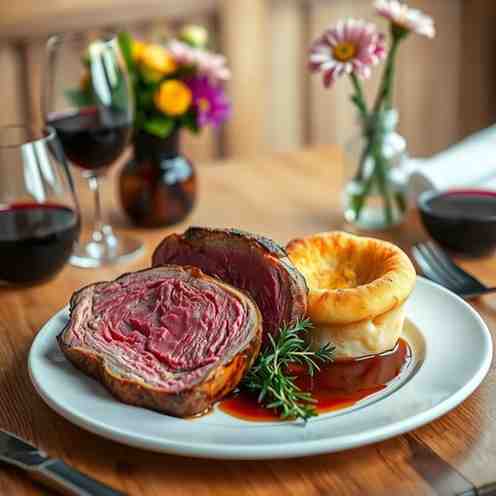
- Serves: 6 People
- Prepare Time: 25 minutes
- Cooking Time: 2 hours
- Calories: -
- Difficulty: Medium
There’s nothing quite like a classic roast beef dinner to bring everyone to the table. Imagine: juicy beef, perfectly cooked to your liking, surrounded by golden, crisp Yorkshire puddings, all drenched in a rich, savory homemade gravy. This isn't just a meal; it's a cozy Sunday roast dinner tradition, a comforting embrace on a plate. Forget complicated methods or guesswork; we're here to show you how to achieve this show-stopping feast with confidence, whether you're a seasoned chef or just starting your culinary journey. Get ready to impress!
Ready to dive in?
This recipe is your ticket to a stress-free Sunday roast. We’ll walk you through a simple, one-pan method for your roast beef, a reliable way to get those iconic, puffy Yorkshire puddings, and a quick pan gravy made right from your drippings. What makes this truly foolproof? We focus on precise thermometer temperatures, the magic of hot fat for your Yorkshires, and a clear game plan to nail the timing. No more guessing, just delicious results!
Choosing the right cut is key to a fantastic roast. Here’s a quick guide:
Ribeye/Rib Roast (Bone-In or Boneless): This is the classic choice for a special occasion. It's well-marbled, meaning it has plenty of fat running through it, which results in a super juicy beef and flavorful roast. Perfect for a prime rib roast beef experience.
Top Sirloin Roast / Sirloin Tip Roast: A leaner option that offers great value. It’s still wonderfully tender, especially when sliced thinly. This is an excellent choice for a lean roast beef that’s full of flavor without being overly rich.
Top Round / Eye of Round: Very lean and budget-friendly. This cut needs careful temperature management to prevent it from drying out, and it absolutely shines when sliced very thin against the grain.
This recipe is specifically written for a Top Sirloin Roast. It offers a fantastic balance of flavor and value, making it perfect for a regular Sunday roast dinner.
When you're buying your roast, aim for about 1/2 to 3/4 pound per person. Look for good marbling – those little flecks of fat mean more flavor and moisture. If your roast isn't already tied by the butcher, tying it yourself with kitchen twine will help it cook more evenly.
Guessing is out, thermometers are in! For food safety, all beef roasts should reach a minimum internal temperature of 145°F (63°C), followed by a 3-minute rest. This resting period is crucial for carryover cooking and juicy results.
Rare: 120-125°F / 125-130°F
Medium-Rare: 125-130°F / 130-135°F
Medium: 130-135°F / 135-140°F
Medium-Well: 135-140°F / 140-145°F
Well-Done: 140-145°F / 145-150°F (Note: For well-done, pull at the lower end to avoid dryness)
Carryover cooking means your roast will continue to cook and rise in temperature by 5-10 degrees (or more for larger roasts) after you pull it from the oven. This is why you always pull the beef before it reaches your desired final temperature.
Why time-per-pound is only a backup: Oven temperatures can vary wildly, and beef roasts come in different shapes and sizes. A thermometer is the only way to guarantee perfect doneness every time. Use time-per-pound as a rough guide, but let your trusty instant-read thermometer be your ultimate decision-maker.
Achieving those impressive, puffy Yorkshire puddings isn't hard, but it does require following a few key rules:
Rest the Batter: This is crucial! Resting the batter allows the flour to fully hydrate and the gluten to relax, which leads to a lighter, airier texture. A quick 30-minute rest at room temperature is good, but if you can, let it rest in the fridge for a few hours or even overnight.
Hot Fat + Batter Should Sizzle: This is the most important rule. You need your fat (beef drippings are best!) smoking hot in the muffin tin before you pour in the batter. The batter should sizzle immediately upon contact, creating that essential steam that makes them puff up.
Don’t Open the Oven Early: Resist the urge to peek! Opening the oven door lets out heat, causing your puddings to collapse. Give them at least 15-20 minutes before even thinking about opening the door.
Serve Immediately: Yorkshire puddings are at their absolute best fresh out of the oven, when they're crisp and airy. They lose their crispness quickly, so plan to serve them as soon as they're done.
A successful Sunday roast is all about timing. Here’s a general timeline to help you orchestrate your meal:
T-2 Hours (or Day Before): Make Yorkshire pudding batter and let it rest (overnight in fridge is ideal!).
T-1 Hour 45 Mins: Remove beef from fridge to come to room temp. Preheat oven.
T-1 Hour 30 Mins: Season and sear beef (if desired).
T-1 Hour 15 Mins: Roast beef in the oven until it reaches target pull temp (use thermometer!).
T-20 Mins: Remove beef from oven, tent loosely with foil, and rest beef on a cutting board.
T-15 Mins: While beef rests, increase oven temp for Yorkshires. Add drippings/oil to muffin tin and heat until smoking hot.
T-0 Mins: Pour batter into hot fat, bake Yorkshires until deep golden and puffed.
T-10 Mins (while Yorkshires bake): Make gravy from drippings in the roasting pan.
T-5 Mins: Carve beef against the grain.
Serve!
How to reserve drippings safely: After the beef has roasted and is resting, carefully pour the drippings from the roasting pan into a heatproof container. You can skim off excess fat if you prefer a leaner gravy, but keep some for flavor and for the Yorkshires.
If not enough drippings: Don't fret if your lean roast doesn't yield a ton of drippings! You can easily top up with a little neutral oil (like vegetable or canola oil) or even some beef tallow for extra richness, especially for heating in the muffin tin for your Yorkshire puddings.
STRICT SINGLE RECIPE: one ingredient set, one unified method.
Ingredients
Directions
- Food safety + prep: Remove your Top Sirloin Roast from its packaging.
- Pat the beef dry thoroughly with paper towels (do not wash it!). This helps achieve a better sear. Season generously all over with salt and pepper. Let the beef sit at room temperature for 30-60 minutes while you prepare the Yorkshire batter. Preheat your oven to 450°F (230°C).
- Make Yorkshire batter first: In a large bowl, whisk together the flour and salt. In a separate bowl, whisk the milk and eggs until well combined. Gradually add the wet ingredients to the dry ingredients, whisking until smooth and lump-free. Cover the bowl and rest the batter in the refrigerator for at least 30 minutes, or ideally for several hours or overnight.
- Season + sear: If searing, heat 1 tbsp olive oil in a large, oven-safe skillet or directly in your roasting pan over medium-high heat until shimmering. Carefully place the seasoned beef in the hot pan and sear on all sides until nicely browned, about 2-3 minutes per side. Transfer the beef to a roasting rack set inside a roasting pan. Scatter the chopped onion, carrots, celery, smashed garlic, and rosemary around the bottom of the pan (under the rack).
- Roast to temperature: Place the roasting pan in the preheated 450°F (230°C) oven for 15 minutes. After 15 minutes, reduce the oven temperature to 325°F (160°C). Insert your instant-read thermometer into the thickest part of the roast, making sure it doesn't touch bone or fat. Continue roasting until the thermometer reads your target pull temp (e.g., 125°F for medium-rare). This will take approximately 15-20 minutes per pound, but rely on the thermometer, not just time.
- Rest beef: Once the roast reaches your desired pull temperature, carefully remove it from the oven. Transfer the roast to a clean cutting board, tent it loosely with foil, and let it rest for at least 15-20 minutes. This allows the juices to redistribute throughout the meat, resulting in a much juicier and more tender roast due to carryover cooking.
- Heat drippings/oil in muffin tin until smoking hot, pour batter, bake until deep golden: While the beef rests, increase the oven temperature to 425°F (220°C). Place 1-2 teaspoons of beef drippings (or tallow/oil) into each cup of your muffin tin. Place the muffin tin in the hot oven for 5-10 minutes, until the fat is smoking hot. Carefully remove the hot tin from the oven. Give your rested Yorkshire batter a final whisk. Quickly and carefully pour the batter into the smoking hot fat, filling each cup about one-third full. Immediately return the muffin tin to the oven and bake for 20-25 minutes, or until the Yorkshires are deeply golden, puffed, and crisp.
- Do not open the oven door during baking!Make gravy from drippings: While the Yorkshires bake, pour the drippings and roasted vegetables from the roasting pan into a heatproof bowl. Skim off most of the fat, leaving about 2-3 tablespoons in the pan (or add butter if needed). Place the roasting pan over medium heat on the stovetop. Whisk in the 2 tbsp flour, cooking for 1-2 minutes until a light brown roux forms. Gradually whisk in the beef stock and optional red wine. Bring to a simmer, scraping up any browned bits from the bottom of the pan. Simmer for 5-7 minutes, whisking occasionally, until the gravy thickens. For a smoother gravy, strain it through a fine-mesh sieve, pressing on the solids. Season with salt and pepper to taste.
- Carve against the grain + serve immediately: Remove the foil from the rested beef. Using a sharp carving knife, carve the roast beef against the grain into thin slices. This is crucial for tenderness. Serve the sliced roast beef immediately with the hot Yorkshire puddings and rich pan gravy.
- Serving Ideas (Traditional Sunday Roast Plate)Round out your Sunday roast dinner with these classic accompaniments:
- Crispy roast potatoes (often cooked in the same pan with the beef drippings!)
- Steamed green vegetables like broccoli or green beans
- Glazed carrots or peas
- A dollop of tangy horseradish sauce or spicy English mustard
You may also like

Hey there! I’m just someone who seriously loves good food and believes that cooking doesn’t have to be complicated to be amazing. Whether it’s a quick weeknight dinner or a cozy weekend meal, I’m all about sharing easy, tasty recipes that actually work.



