Classic Stuffed Grape Leaves (Warak Enab) Recipe | Make Today
Classic Stuffed Grape Leaves (Warak Enab) Recipe | Make Today
- Serves: 6 People
- Prepare Time: 60 minutes
- Cooking Time: 90 minutes
- Calories: -
- Difficulty: Medium
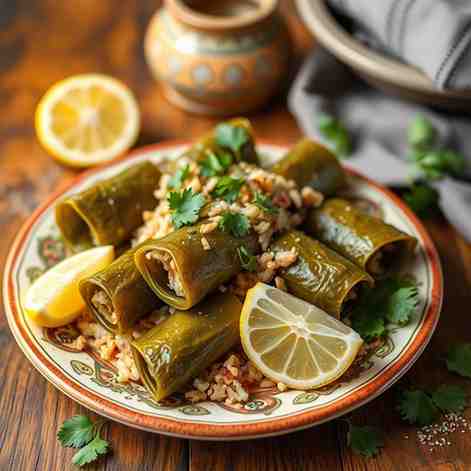
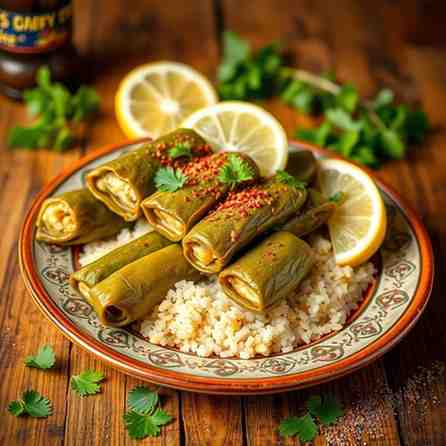
Get ready to roll up your sleeves and dive into one of the most beloved Middle Eastern dishes: Classic Warak Enab, also known as stuffed grape leaves. These tender, savory parcels are a true labor of love, bursting with bright lemon, fresh herbs, and perfectly cooked rice. While they take a little time to prepare, the result is an incredibly rewarding and utterly delicious meal that’s perfect for sharing with family and friends. This grape leaves recipe will guide you through every step, ensuring your Warak Enab turns out perfectly, whether you're a seasoned chef or new to the world of dolma grape leaves.
Ingredients
Directions
- Prep the grape leaves
- If using jarred: Gently remove the leaves from the jar. Rinse them thoroughly under cold running water for several minutes. Then, soak them in a bowl of fresh cold water for at least 30 minutes, changing the water once or twice. Before using, taste a small piece – it should still be slightly salty but not overwhelmingly briny. Drain well.
- If using fresh: Wash the leaves gently to remove any dirt. Bring a pot of water to a boil, then quickly blanch the leaves for 30 seconds to 1 minute until they soften and turn a brighter green. Immediately transfer them to an ice bath to stop cooking, then cool and drain. Trim any tough stems near the base.
- Mix the filling
- Rinse your rice briefly under cold water until the water runs clear (this removes excess starch and helps prevent mushiness). Drain thoroughly.
- In a large mixing bowl, combine the rinsed rice, finely diced onion, diced tomato, chopped fresh parsley, dill, and mint. Add the lemon juice, olive oil, black pepper, and your optional pinch of allspice or cinnamon. Add a small amount of salt, remembering to account for the saltiness of jarred leaves if using.
- Mix everything together really well with your hands. The filling should look moist but not soupy – you want it to hold together when squeezed gently.
- Rolling tutorial (the part everyone struggles with)
- Set up your rolling station: Clear a clean, flat surface. Have your prepped grape leaves, filling, and a plate or tray for the rolled leaves within easy reach.
- Leaf orientation: Place a single grape leaf on your surface with the shiny side down and the prominent veins facing up. The stem end (the wider, rougher part) should be facing you.
- Portion size rule: Place a small amount of filling (about 1-2 teaspoons, depending on leaf size) near the stem end. The key is not to overstuff! Too much filling will make them burst or cook unevenly. Aim for a roll about the size of your pinky finger.
- Fold + roll steps:
- Fold the bottom edge of the leaf over the filling.
- Fold in the left side of the leaf over the filling.
- Fold in the right side of the leaf over the filling.
- Starting from the bottom, tightly roll the leaf upwards towards the tip, creating a snug cylinder. Keep the roll firm but don't squeeze so hard that you tear the leaf.
- What to do with:
- Small leaves: If a leaf is too small for a full roll, you can patch it by laying a small piece of another leaf underneath to create enough surface area.
- Torn leaves: For minor tears, simply double-layer the leaf (shiny side of one leaf down, then shiny side of the second leaf down on top).
- Pack the pot like a pro
- Line the bottom of a large, heavy-bottomed pot (with a lid) with a single layer of sliced tomatoes, potatoes, or onions. This prevents the bottom layer of stuffed grape leaves from scorching.
- Arrange your rolled Warak Enab seam-side down in concentric circles, packing them snugly next to each other. This tightness helps prevent them from unraveling during cooking. Continue layering until all rolls are in the pot.
- Place a heat-proof plate directly on top of the last layer of rolls. This acts as a weight, keeping the leaves submerged in liquid and preventing them from floating and unraveling.
- Add cooking liquid + simmer
- In a separate bowl, mix your broth or water with plenty of fresh lemon juice.
- Carefully pour the liquid over the plate in the pot. The liquid level guidance: it should just cover the plate or nearly cover the top layer of rolls. Don't drown them!
- Bring the liquid to a gentle simmer over medium-high heat. Once simmering, reduce the heat to low, cover the pot tightly with the lid, and let it cook.
- Cook time range: Simmer for 60-90 minutes. How to know they’re done: The leaves should be very tender, and the rice inside should be fully cooked and soft, but not mushy. Taste one to check!
- Rest + finish
- Once cooked, turn off the heat but keep the pot covered. Let the stuffed grape leaves rest for at least 30 minutes (or even longer) before serving. This resting time helps them set and allows the flavors to meld beautifully.
- Carefully remove the plate. Invert the pot onto a large serving platter (if you're feeling brave and have a sturdy platter!) or gently lift the rolls out with tongs.
- Taste one of the leaves and the residual liquid. Adjust with more fresh lemon juice or a sprinkle of salt if needed.
Classic Stuffed Grape Leaves (Warak Enab) Recipe | Make Today
-Recipe-_-Make-Today.jpg)
- Serves: 6 People
- Prepare Time: 60 minutes
- Cooking Time: 90 minutes
- Calories: -
- Difficulty: Medium
Get ready to roll up your sleeves and dive into one of the most beloved Middle Eastern dishes: Classic Warak Enab, also known as stuffed grape leaves. These tender, savory parcels are a true labor of love, bursting with bright lemon, fresh herbs, and perfectly cooked rice. While they take a little time to prepare, the result is an incredibly rewarding and utterly delicious meal that’s perfect for sharing with family and friends. This grape leaves recipe will guide you through every step, ensuring your Warak Enab turns out perfectly, whether you're a seasoned chef or new to the world of dolma grape leaves.
Ingredients
Directions
- Prep the grape leaves
- If using jarred: Gently remove the leaves from the jar. Rinse them thoroughly under cold running water for several minutes. Then, soak them in a bowl of fresh cold water for at least 30 minutes, changing the water once or twice. Before using, taste a small piece – it should still be slightly salty but not overwhelmingly briny. Drain well.
- If using fresh: Wash the leaves gently to remove any dirt. Bring a pot of water to a boil, then quickly blanch the leaves for 30 seconds to 1 minute until they soften and turn a brighter green. Immediately transfer them to an ice bath to stop cooking, then cool and drain. Trim any tough stems near the base.
- Mix the filling
- Rinse your rice briefly under cold water until the water runs clear (this removes excess starch and helps prevent mushiness). Drain thoroughly.
- In a large mixing bowl, combine the rinsed rice, finely diced onion, diced tomato, chopped fresh parsley, dill, and mint. Add the lemon juice, olive oil, black pepper, and your optional pinch of allspice or cinnamon. Add a small amount of salt, remembering to account for the saltiness of jarred leaves if using.
- Mix everything together really well with your hands. The filling should look moist but not soupy – you want it to hold together when squeezed gently.
- Rolling tutorial (the part everyone struggles with)
- Set up your rolling station: Clear a clean, flat surface. Have your prepped grape leaves, filling, and a plate or tray for the rolled leaves within easy reach.
- Leaf orientation: Place a single grape leaf on your surface with the shiny side down and the prominent veins facing up. The stem end (the wider, rougher part) should be facing you.
- Portion size rule: Place a small amount of filling (about 1-2 teaspoons, depending on leaf size) near the stem end. The key is not to overstuff! Too much filling will make them burst or cook unevenly. Aim for a roll about the size of your pinky finger.
- Fold + roll steps:
- Fold the bottom edge of the leaf over the filling.
- Fold in the left side of the leaf over the filling.
- Fold in the right side of the leaf over the filling.
- Starting from the bottom, tightly roll the leaf upwards towards the tip, creating a snug cylinder. Keep the roll firm but don't squeeze so hard that you tear the leaf.
- What to do with:
- Small leaves: If a leaf is too small for a full roll, you can patch it by laying a small piece of another leaf underneath to create enough surface area.
- Torn leaves: For minor tears, simply double-layer the leaf (shiny side of one leaf down, then shiny side of the second leaf down on top).
- Pack the pot like a pro
- Line the bottom of a large, heavy-bottomed pot (with a lid) with a single layer of sliced tomatoes, potatoes, or onions. This prevents the bottom layer of stuffed grape leaves from scorching.
- Arrange your rolled Warak Enab seam-side down in concentric circles, packing them snugly next to each other. This tightness helps prevent them from unraveling during cooking. Continue layering until all rolls are in the pot.
- Place a heat-proof plate directly on top of the last layer of rolls. This acts as a weight, keeping the leaves submerged in liquid and preventing them from floating and unraveling.
- Add cooking liquid + simmer
- In a separate bowl, mix your broth or water with plenty of fresh lemon juice.
- Carefully pour the liquid over the plate in the pot. The liquid level guidance: it should just cover the plate or nearly cover the top layer of rolls. Don't drown them!
- Bring the liquid to a gentle simmer over medium-high heat. Once simmering, reduce the heat to low, cover the pot tightly with the lid, and let it cook.
- Cook time range: Simmer for 60-90 minutes. How to know they’re done: The leaves should be very tender, and the rice inside should be fully cooked and soft, but not mushy. Taste one to check!
- Rest + finish
- Once cooked, turn off the heat but keep the pot covered. Let the stuffed grape leaves rest for at least 30 minutes (or even longer) before serving. This resting time helps them set and allows the flavors to meld beautifully.
- Carefully remove the plate. Invert the pot onto a large serving platter (if you're feeling brave and have a sturdy platter!) or gently lift the rolls out with tongs.
- Taste one of the leaves and the residual liquid. Adjust with more fresh lemon juice or a sprinkle of salt if needed.
You may also like


Hey there! I’m just someone who seriously loves good food and believes that cooking doesn’t have to be complicated to be amazing. Whether it’s a quick weeknight dinner or a cozy weekend meal, I’m all about sharing easy, tasty recipes that actually work.