
Classic Tafelspitz Recipe Tender Austrian Boiled Beef
Classic Tafelspitz Recipe Tender Austrian Boiled Beef
- Serves: 6 People
- Prepare Time: 30 minutes
- Cooking Time: 2 hours 45
- Calories: -
- Difficulty: Medium
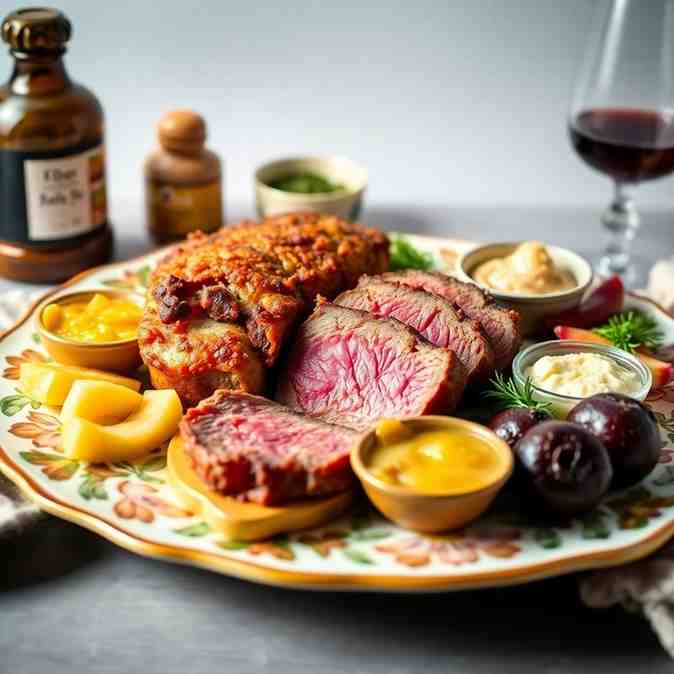
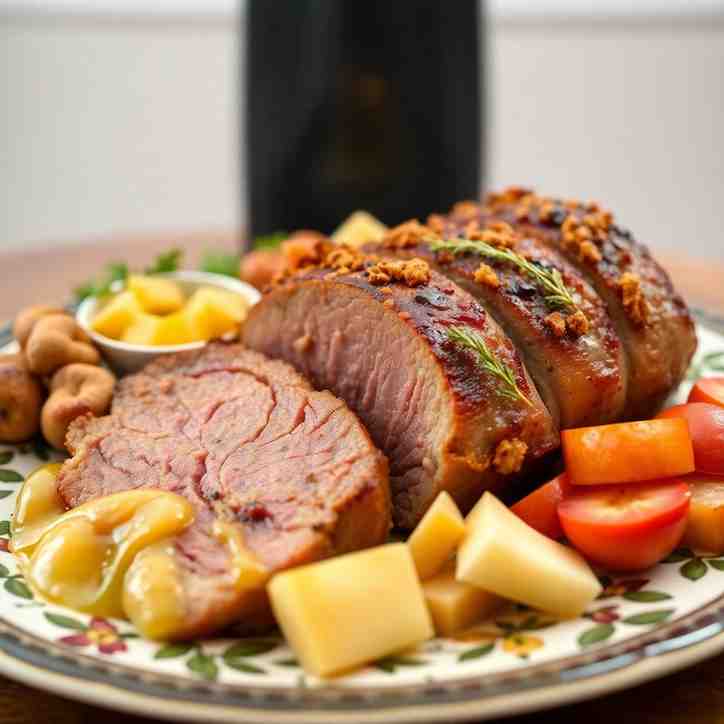
Welcome to the heart of Viennese culinary tradition: Tafelspitz! This isn't just a meal; it's a tender, flavorful journey into Austrian history, perfected by Emperor Franz Joseph himself. Forget everything you thought you knew about boiled meats or boiled steak; Tafelspitz elevates simple beef to an art form. Unlike an American pot roast, which is often braised in the oven with a rich, thick sauce, Tafelspitz is all about the pure, unadulterated flavor of beef gently simmered in a crystal-clear, aromatic broth.
This classic tafelspitz recipe is your guide to creating succulent, melt-in-your-mouth beef, served with the traditional tangy apple-horseradish and a delicate chive cream. Whether you're a seasoned chef or just starting your culinary adventure, we'll walk you through every step, ensuring your Tafelspitz is not just delicious, but truly unforgettable. Get ready to discover why this humble boiled dinner remains a beloved staple in Austrian homes and beyond!
Ingredients
Directions
- Prep the Beef & Vegetables
- The Beef Cut: If you’re using a traditional Tafelspitz cut (from the top round, near the tail), it will have a distinct fat cap. For US alternatives like top round or rump roast, look for a piece with some fat marbling or a small fat cap. The fat cap is crucial for flavor and tenderness, so trim only truly excessive, loose fat, leaving most of it intact. Pat the beef dry with paper towels.
- Vegetables: Roughly chop the carrots, celeriac/celery, parsnips, and leek. No need for precision here, as these are primarily for building broth flavor. If using marrow bones, rinse them under cold water to remove any bone fragments.
- Onion: Leave the onion unpeeled and cut it in half through the root end.
- Build the Broth Base
- Place the marrow bones (if using) and the roughly chopped vegetables (carrots, celeriac/celery, parsnips, leek) into your large stockpot. Pour in 12-16 cups of cold water, ensuring the ingredients are well-covered. Bring this mixture to a gentle boil over medium-high heat. As it heats, you'll see foam rise to the surface; skim this off with a ladle or spoon to ensure a clear broth.
- While the broth base is heating, place the halved onion, cut-side down, into a dry skillet over medium-high heat. Allow it to brown deeply, almost to the point of charring. This browning (which might look almost black) is key for adding a beautiful amber color and a roasted, deep aroma to your broth. Once browned, add the onion to the stockpot.
- Add the bay leaves, peppercorns, juniper berries, and lovage (or its substitute) to the pot. Reduce the heat to a very gentle simmer.
- Add the Beef & Simmer Low and Slow
- Crucial Technique: Unlike making a soup where you might start meat in cold water to extract flavor into the broth, for Tafelspitz, we want the flavor to stay in the meat. Bring the broth back to a rolling boil. Once it's boiling vigorously, carefully add the prepped beef roast to the pot.
- Immediately reduce the heat to the lowest setting possible, so the broth is just barely simmering. The surface of the broth should show only tiny, occasional bubbles, not a rolling boil. This gentle simmer is vital: it allows collagen in the meat to slowly convert to gelatin, resulting in incredibly tender beef. A rolling boil, conversely, can seize muscle fibers, leading to tough meat.
- Skimming: Throughout the cooking process (especially in the first hour), continue to skim any foam or excess fat that rises to the surface. This ensures your broth remains clear and clean.
- Salting: For juicier meat, we add most of the salt later in the cooking process. Simmer the beef for 2 hours, then add about 1 tablespoon of salt to the broth. Continue to simmer for another 30 minutes to 1 hour, or until the beef is fork-tender. The total simmering time will be approximately 2½ to 3 hours for a 3-4 pound roast.
- Doneness Test: The meat is done when a fork can easily be inserted and removed without resistance. If it’s still tough, keep simmering gently; it just needs more time.
- Once the beef is tender, carefully remove it from the pot and set it aside to rest in a warm place (you can cover it loosely with foil).
- Strain the broth through a fine mesh strainer into a clean pot or bowl, discarding the cooked vegetables and aromatics. Return the clear broth to the pot.
- If you plan to serve fresh, tender vegetables alongside the beef (which is traditional), add a new batch of fresh, peeled, and quartered carrots, parsnips, or potatoes to the clear broth. Simmer these until they are just tender, about 15-20 minutes.
- For the Apple-Horseradish: In a small bowl, combine the unsweetened applesauce and prepared horseradish. Start with 2 tablespoons of horseradish and add more to taste for your desired level of heat. Stir in the optional sour cream or heavy cream for a richer texture, then season with a pinch of salt and pepper.
- For the Chive Cream: In another small bowl, combine the sour cream or crème fraîche with the finely chopped chives. Season with a pinch of salt and pepper.
- Allow the beef to rest briefly (5-10 minutes) in a small amount of warm broth to keep it moist.
- Slicing Across the Grain: Locate the grain of the meat. For top round or rump roast, the muscle fibers usually run lengthwise. To ensure maximum tenderness, slice the beef against the grain into finger-thick pieces (about ¼ to ½ inch or 0.5-1 cm). Slicing across the grain shortens the muscle fibers, making each bite much more tender.
- Place the sliced beef back into a little hot broth to keep it warm and prevent it from drying out before serving.
Classic Tafelspitz Recipe Tender Austrian Boiled Beef
- Serves: 6 People
- Prepare Time: 30 minutes
- Cooking Time: 2 hours 45
- Calories: -
- Difficulty: Medium
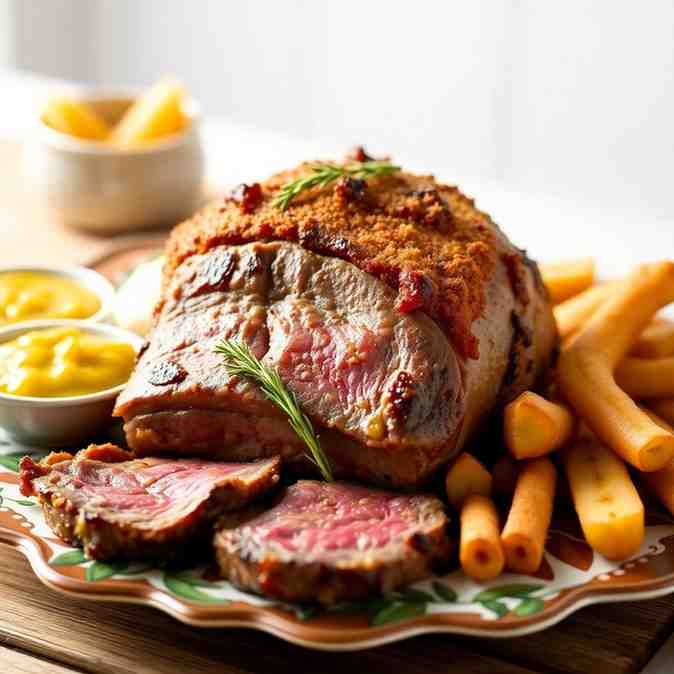
Welcome to the heart of Viennese culinary tradition: Tafelspitz! This isn't just a meal; it's a tender, flavorful journey into Austrian history, perfected by Emperor Franz Joseph himself. Forget everything you thought you knew about boiled meats or boiled steak; Tafelspitz elevates simple beef to an art form. Unlike an American pot roast, which is often braised in the oven with a rich, thick sauce, Tafelspitz is all about the pure, unadulterated flavor of beef gently simmered in a crystal-clear, aromatic broth.
This classic tafelspitz recipe is your guide to creating succulent, melt-in-your-mouth beef, served with the traditional tangy apple-horseradish and a delicate chive cream. Whether you're a seasoned chef or just starting your culinary adventure, we'll walk you through every step, ensuring your Tafelspitz is not just delicious, but truly unforgettable. Get ready to discover why this humble boiled dinner remains a beloved staple in Austrian homes and beyond!
Ingredients
Directions
- Prep the Beef & Vegetables
- The Beef Cut: If you’re using a traditional Tafelspitz cut (from the top round, near the tail), it will have a distinct fat cap. For US alternatives like top round or rump roast, look for a piece with some fat marbling or a small fat cap. The fat cap is crucial for flavor and tenderness, so trim only truly excessive, loose fat, leaving most of it intact. Pat the beef dry with paper towels.
- Vegetables: Roughly chop the carrots, celeriac/celery, parsnips, and leek. No need for precision here, as these are primarily for building broth flavor. If using marrow bones, rinse them under cold water to remove any bone fragments.
- Onion: Leave the onion unpeeled and cut it in half through the root end.
- Build the Broth Base
- Place the marrow bones (if using) and the roughly chopped vegetables (carrots, celeriac/celery, parsnips, leek) into your large stockpot. Pour in 12-16 cups of cold water, ensuring the ingredients are well-covered. Bring this mixture to a gentle boil over medium-high heat. As it heats, you'll see foam rise to the surface; skim this off with a ladle or spoon to ensure a clear broth.
- While the broth base is heating, place the halved onion, cut-side down, into a dry skillet over medium-high heat. Allow it to brown deeply, almost to the point of charring. This browning (which might look almost black) is key for adding a beautiful amber color and a roasted, deep aroma to your broth. Once browned, add the onion to the stockpot.
- Add the bay leaves, peppercorns, juniper berries, and lovage (or its substitute) to the pot. Reduce the heat to a very gentle simmer.
- Add the Beef & Simmer Low and Slow
- Crucial Technique: Unlike making a soup where you might start meat in cold water to extract flavor into the broth, for Tafelspitz, we want the flavor to stay in the meat. Bring the broth back to a rolling boil. Once it's boiling vigorously, carefully add the prepped beef roast to the pot.
- Immediately reduce the heat to the lowest setting possible, so the broth is just barely simmering. The surface of the broth should show only tiny, occasional bubbles, not a rolling boil. This gentle simmer is vital: it allows collagen in the meat to slowly convert to gelatin, resulting in incredibly tender beef. A rolling boil, conversely, can seize muscle fibers, leading to tough meat.
- Skimming: Throughout the cooking process (especially in the first hour), continue to skim any foam or excess fat that rises to the surface. This ensures your broth remains clear and clean.
- Salting: For juicier meat, we add most of the salt later in the cooking process. Simmer the beef for 2 hours, then add about 1 tablespoon of salt to the broth. Continue to simmer for another 30 minutes to 1 hour, or until the beef is fork-tender. The total simmering time will be approximately 2½ to 3 hours for a 3-4 pound roast.
- Doneness Test: The meat is done when a fork can easily be inserted and removed without resistance. If it’s still tough, keep simmering gently; it just needs more time.
- Once the beef is tender, carefully remove it from the pot and set it aside to rest in a warm place (you can cover it loosely with foil).
- Strain the broth through a fine mesh strainer into a clean pot or bowl, discarding the cooked vegetables and aromatics. Return the clear broth to the pot.
- If you plan to serve fresh, tender vegetables alongside the beef (which is traditional), add a new batch of fresh, peeled, and quartered carrots, parsnips, or potatoes to the clear broth. Simmer these until they are just tender, about 15-20 minutes.
- For the Apple-Horseradish: In a small bowl, combine the unsweetened applesauce and prepared horseradish. Start with 2 tablespoons of horseradish and add more to taste for your desired level of heat. Stir in the optional sour cream or heavy cream for a richer texture, then season with a pinch of salt and pepper.
- For the Chive Cream: In another small bowl, combine the sour cream or crème fraîche with the finely chopped chives. Season with a pinch of salt and pepper.
- Allow the beef to rest briefly (5-10 minutes) in a small amount of warm broth to keep it moist.
- Slicing Across the Grain: Locate the grain of the meat. For top round or rump roast, the muscle fibers usually run lengthwise. To ensure maximum tenderness, slice the beef against the grain into finger-thick pieces (about ¼ to ½ inch or 0.5-1 cm). Slicing across the grain shortens the muscle fibers, making each bite much more tender.
- Place the sliced beef back into a little hot broth to keep it warm and prevent it from drying out before serving.
The following nutritional values are per serving (one piece of cake) Calories ~450-550 kcal Carbohydrates ~10-15g Protein ~40-50g Fat ~25-35g Tools and ingredients that can help you cook more easily and consistently. Problem: Constantly checking the broth temperature and risking overcooking or undercooking your beef can be stressful and time-consuming. Problem: Skimming foam and fat from a large pot of broth can be a slow, tedious process, leaving you with a cloudy, less appealing result. Problem: Preparing all the fresh vegetables from scratch for the broth and serving can add a significant amount of prep time to your cooking. Problem: Grating fresh horseradish can be potent, messy, and time-consuming, especially if you're sensitive to its fumes. Click any ingredient for detailed nutritional information:Recipe Nutritional Values
Additional Information
Recipe Success Tips
Ingredient Substitutions & Variations
Cultural Variations
Make-Ahead & Storage Instructions
Frequently Asked Questions
Recommended Kitchen Tools
Time-Saving Tools & Ingredients
Agitate: Guessing if your meat is truly tender can lead to frustration and a less-than-perfect meal, forcing you to extend cooking times unnecessarily.
Solution: An instant-read digital thermometer is your best friend. While Tafelspitz isn't about hitting an exact internal temperature, a thermometer helps you monitor the broth's gentle simmer and gives you confidence the beef is progressing towards fork-tender perfection without constant guesswork.Time-Saving Tools & Ingredients
Agitate: Nobody wants a greasy or murky broth when serving a dish renowned for its clarity and delicate flavor. Manual skimming with a spoon takes ages and rarely gets everything.
Solution: A fine mesh strainer or skimmer ladle makes quick work of removing impurities and excess fat from your broth, ensuring a beautiful, clear finish with minimal fuss.Time-Saving Tools & Ingredients
Agitate: Standing at the cutting board for ages just to get your carrots, celery, and onions ready can make a weekday Tafelspitz feel like a weekend project.
Solution: Consider using pre-chopped mirepoix (a mix of carrots, celery, and onion) from your grocery store's produce section. While fresh is always great, these pre-cut veggies are a fantastic shortcut for building your broth base without sacrificing flavor.Time-Saving Tools & Ingredients
Agitate: Dealing with watery eyes and a strong aroma just for a condiment can be a deterrent, and fresh horseradish isn't always readily available.
Solution:Prepared horseradish is a fantastic pantry staple. It offers that signature piquant kick without the fuss of grating, allowing you to quickly whip up your apple-horseradish sauce. Just check the label for any added sugars or preservatives if you prefer a purer taste.Calories per Ingredient
Resources & References
You may also like


Hey there! I’m just someone who seriously loves good food and believes that cooking doesn’t have to be complicated to be amazing. Whether it’s a quick weeknight dinner or a cozy weekend meal, I’m all about sharing easy, tasty recipes that actually work.



