
Classic West African Peanut Stew - Easy African Food Recipe
Classic West African Peanut Stew - Easy African Food Recipe
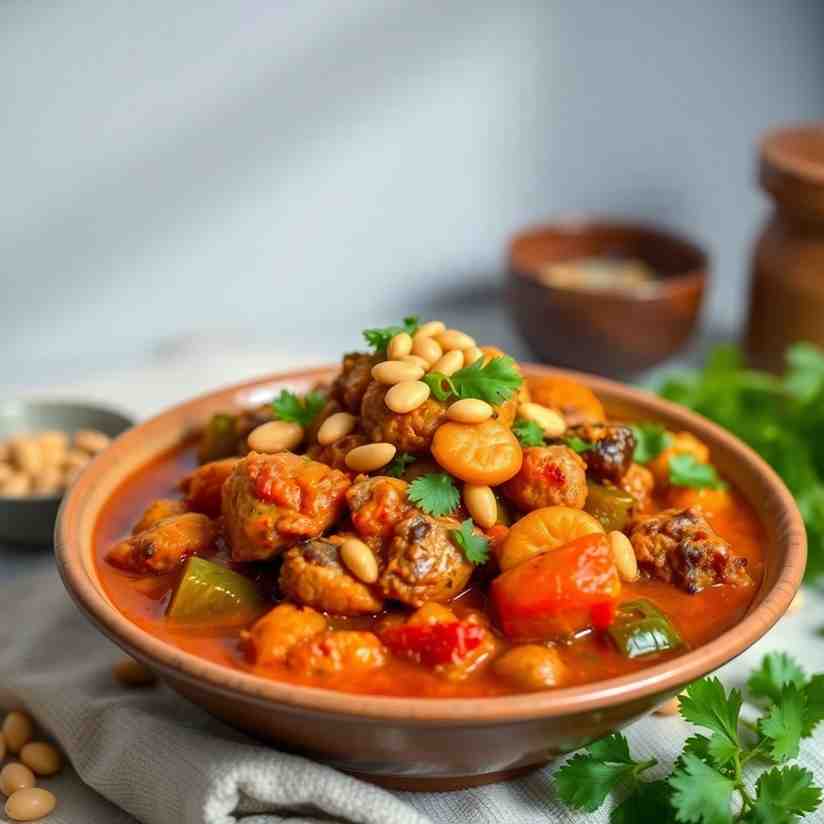
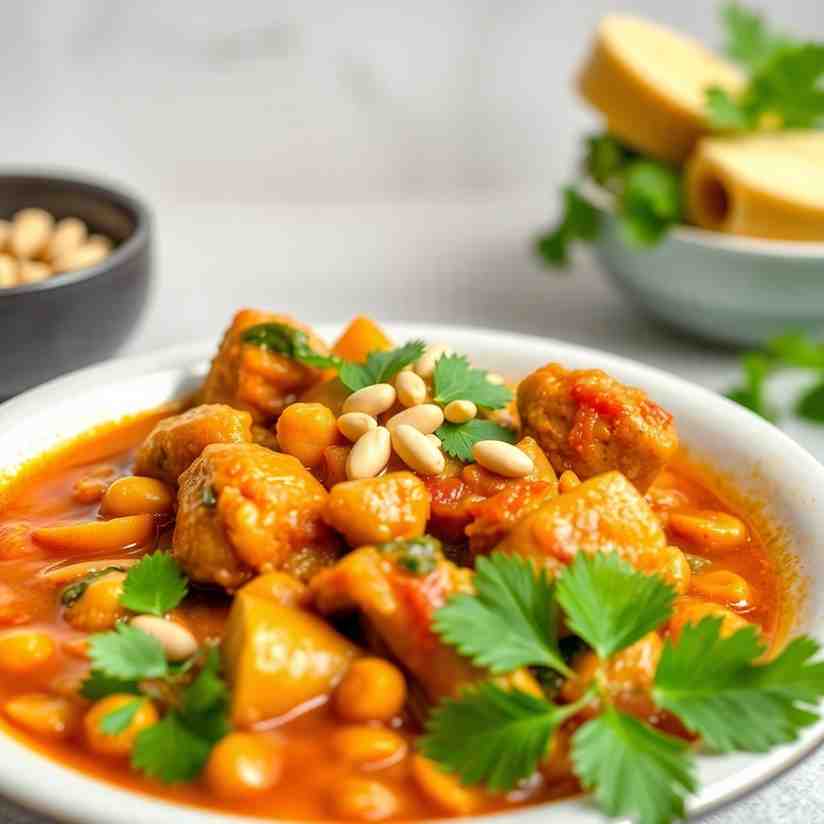
- Serves: 6 People
- Prepare Time: 25 minutes
- Cooking Time: 60 minutes
- Calories: -
- Difficulty: Easy
Ever crave a meal that feels like a warm hug in a bowl? Look no further than Classic West African Peanut Stew, also known as Maafe! This incredibly comforting, one-pot dish is a staple in many West African food traditions, bringing together rich, savory flavors with a gentle warmth that's perfect for any night of the week.
Originating from countries like Senegal, Mali, and The Gambia, Maafe is a beloved cousin to other iconic West African food stews like Ghanaian red-red (bean and tomato stew) and Nigerian tomato stews. It's a beautiful example of how simple, wholesome ingredients can create something truly extraordinary. If you’re curious about exploring african food recipes but feel a little intimidated, don’t be! This easy recipe is designed for everyone. You can whip up this delightful stew using mostly easy food recipes ingredients you’ll find at your local US grocery store, with just a few optional specialty items if you want to dive deeper. Get ready to add this incredible cooking recipe to your rotation – it's about to become a new family favorite!
Ingredients
Directions
- Prep Your Ingredients: Start by getting everything ready. Chop your chicken or beef into uniform 1-inch pieces. Dice the onion, mince the garlic, and grate the ginger. Peel and cube the sweet potato, and slice the carrots. This "mise-en-place" (everything in its place) makes the cooking process smoother. Remember to wash your hands thoroughly after handling raw protein.
- Brown the Meat for Deep Flavor: Heat the neutral oil (and optional palm oil) in a large Dutch oven or heavy-bottomed pot over medium-high heat. Working in batches if necessary to avoid crowding the pan, add the chicken or beef chunks and sear until deeply browned on all sides. Good browning creates incredible flavor! Remove the browned meat and set aside. If the fond (brown bits) on the bottom of the pot starts to get too dark, deglaze with a splash of broth or water before adding the next batch.
- Build the Aromatic Tomato Base: Reduce the heat to medium. Add the chopped onion to the pot and sweat it until translucent and softened, about 5-7 minutes. Stir in the minced garlic, grated ginger, paprika, and pepper, cooking for another minute until fragrant. Add the tomato paste and cook, stirring constantly, for 3-5 minutes until it darkens in color. This step is crucial as it caramelizes the tomato paste, deepening its flavor. Deglaze the pot with a splash of broth or water, scraping up any delicious browned bits from the bottom.
- Simmer the Stew with Veggies: Return the browned meat to the pot. Stir in the crushed tomatoes, remaining broth, sweet potato cubes, and carrot slices. If using, add the whole habanero or Scotch bonnet chile now (you'll remove it before serving). Bring the mixture to a gentle simmer, then reduce the heat to low, cover, and cook for 30-40 minutes, or until the meat is tender and the vegetables are easily pierced with a fork. The stew should be bubbling gently.
- Finish with Peanut Butter: Remove the pot from the heat. In a small bowl, whisk the peanut butter with about half a cup of the hot stew liquid until smooth and completely combined. This helps prevent the peanut butter from clumping or splitting when added to the stew. Stir the peanut butter mixture back into the pot until thoroughly incorporated and the stew looks velvety and lightly thickened, coating the back of a spoon.
- Taste, Adjust, and Serve: Carefully remove the whole chile if you used one. Taste the stew and adjust the seasoning with salt as needed. A squeeze of fresh lemon or lime juice can brighten the flavors beautifully. Serve your Maafe hot over fluffy rice, with simple store-bought or powdered fufu, or alongside golden fried plantains.
Classic West African Peanut Stew - Easy African Food Recipe
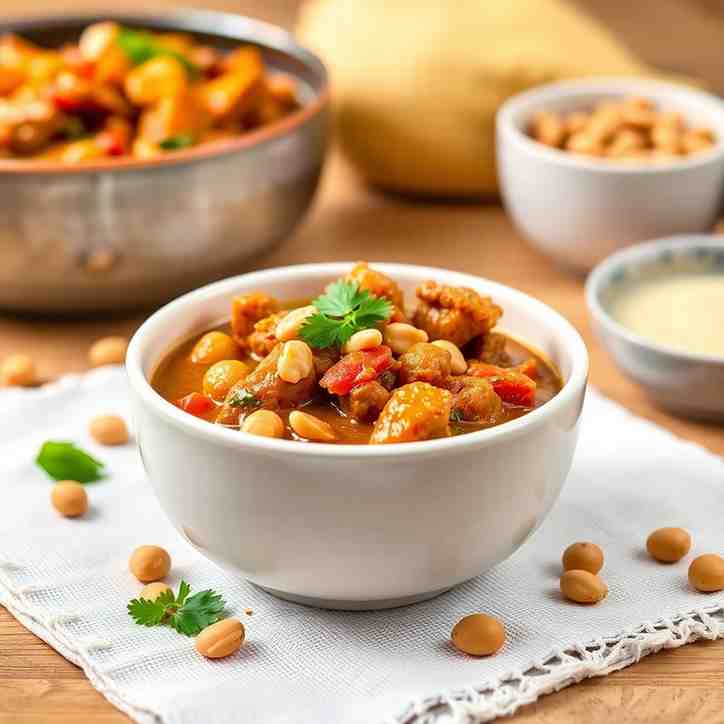
- Serves: 6 People
- Prepare Time: 25 minutes
- Cooking Time: 60 minutes
- Calories: -
- Difficulty: Easy
Ever crave a meal that feels like a warm hug in a bowl? Look no further than Classic West African Peanut Stew, also known as Maafe! This incredibly comforting, one-pot dish is a staple in many West African food traditions, bringing together rich, savory flavors with a gentle warmth that's perfect for any night of the week.
Originating from countries like Senegal, Mali, and The Gambia, Maafe is a beloved cousin to other iconic West African food stews like Ghanaian red-red (bean and tomato stew) and Nigerian tomato stews. It's a beautiful example of how simple, wholesome ingredients can create something truly extraordinary. If you’re curious about exploring african food recipes but feel a little intimidated, don’t be! This easy recipe is designed for everyone. You can whip up this delightful stew using mostly easy food recipes ingredients you’ll find at your local US grocery store, with just a few optional specialty items if you want to dive deeper. Get ready to add this incredible cooking recipe to your rotation – it's about to become a new family favorite!
Ingredients
Directions
- Prep Your Ingredients: Start by getting everything ready. Chop your chicken or beef into uniform 1-inch pieces. Dice the onion, mince the garlic, and grate the ginger. Peel and cube the sweet potato, and slice the carrots. This "mise-en-place" (everything in its place) makes the cooking process smoother. Remember to wash your hands thoroughly after handling raw protein.
- Brown the Meat for Deep Flavor: Heat the neutral oil (and optional palm oil) in a large Dutch oven or heavy-bottomed pot over medium-high heat. Working in batches if necessary to avoid crowding the pan, add the chicken or beef chunks and sear until deeply browned on all sides. Good browning creates incredible flavor! Remove the browned meat and set aside. If the fond (brown bits) on the bottom of the pot starts to get too dark, deglaze with a splash of broth or water before adding the next batch.
- Build the Aromatic Tomato Base: Reduce the heat to medium. Add the chopped onion to the pot and sweat it until translucent and softened, about 5-7 minutes. Stir in the minced garlic, grated ginger, paprika, and pepper, cooking for another minute until fragrant. Add the tomato paste and cook, stirring constantly, for 3-5 minutes until it darkens in color. This step is crucial as it caramelizes the tomato paste, deepening its flavor. Deglaze the pot with a splash of broth or water, scraping up any delicious browned bits from the bottom.
- Simmer the Stew with Veggies: Return the browned meat to the pot. Stir in the crushed tomatoes, remaining broth, sweet potato cubes, and carrot slices. If using, add the whole habanero or Scotch bonnet chile now (you'll remove it before serving). Bring the mixture to a gentle simmer, then reduce the heat to low, cover, and cook for 30-40 minutes, or until the meat is tender and the vegetables are easily pierced with a fork. The stew should be bubbling gently.
- Finish with Peanut Butter: Remove the pot from the heat. In a small bowl, whisk the peanut butter with about half a cup of the hot stew liquid until smooth and completely combined. This helps prevent the peanut butter from clumping or splitting when added to the stew. Stir the peanut butter mixture back into the pot until thoroughly incorporated and the stew looks velvety and lightly thickened, coating the back of a spoon.
- Taste, Adjust, and Serve: Carefully remove the whole chile if you used one. Taste the stew and adjust the seasoning with salt as needed. A squeeze of fresh lemon or lime juice can brighten the flavors beautifully. Serve your Maafe hot over fluffy rice, with simple store-bought or powdered fufu, or alongside golden fried plantains.
The following nutritional values are per serving (one piece of cake) Calories Approximately 450-550 kcal Carbohydrates Approximately 35-45g Protein Approximately 30-40g Fat Approximately 25-35g Tools and ingredients that can help you cook more easily and consistently. Problem: Preparing a stew often means a lot of chopping – onions, garlic, ginger, sweet potatoes, carrots. This can be time-consuming and tedious. Problem: While fresh aromatics are wonderful, sometimes you just don't have the time or energy to peel and chop. Problem: Whisking in peanut butter can sometimes be tricky, especially if you want a super smooth, emulsified sauce without any lumps or separation. Click any ingredient for detailed nutritional information:Recipe Nutritional Values
Additional Information
Recipe Success Tips
Ingredient Substitutions & Variations
Cultural Serving Suggestions
Make-Ahead & Storage Instructions
Frequently Asked Questions
Recommended Kitchen Tools
Food Processor for Quick Chopping
Agitate: Spending precious minutes dicing can deter you from making this amazing dish on a busy weeknight, or even make cleanup feel like a chore with multiple cutting boards.
Solution: A good food processor can make short work of most of your chopping needs. You can quickly mince garlic and ginger, dice onions, and even roughly chop carrots and sweet potatoes, saving you significant prep time.Pre-Prepared Aromatics or Spice Pastes
Agitate: Skipping these foundational flavor builders can leave your stew tasting flat, missing the deep, fragrant base that makes Maafe so special.
Solution: Don't hesitate to use jarred minced garlic or ginger, or even a pre-made West African spice paste if you can find one. These can cut down on prep significantly while still delivering robust flavor. Just be sure to check ingredient labels for quality.Immersion Blender for Smoothness
Agitate: A lumpy or separated stew can be disheartening after all your hard work, affecting the luxurious texture that defines a great Maafe.
Solution: An immersion blender (also known as a stick blender) is fantastic for ensuring your peanut butter fully incorporates into the stew. A quick blend at the end can create a beautifully smooth, velvety consistency in seconds, right in the pot.Calories per Ingredient
Resources & References
You may also like

.jpg)


Hey there! I’m just someone who seriously loves good food and believes that cooking doesn’t have to be complicated to be amazing. Whether it’s a quick weeknight dinner or a cozy weekend meal, I’m all about sharing easy, tasty recipes that actually work.