
Coques de Recapte Recipe - Catalan Flatbread
Coques de Recapte Recipe - Catalan Flatbread
- Serves: 6 People
- Prepare Time: 45 minutes
- Cooking Time: 1 hour
- Calories: -
- Difficulty: Easy
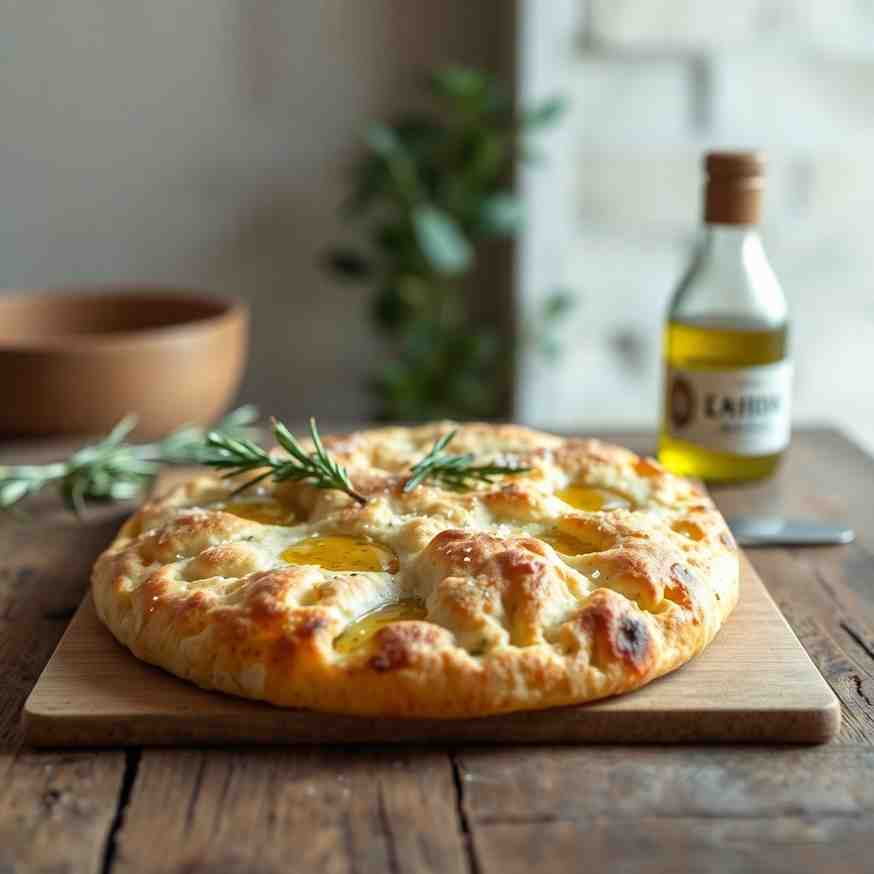
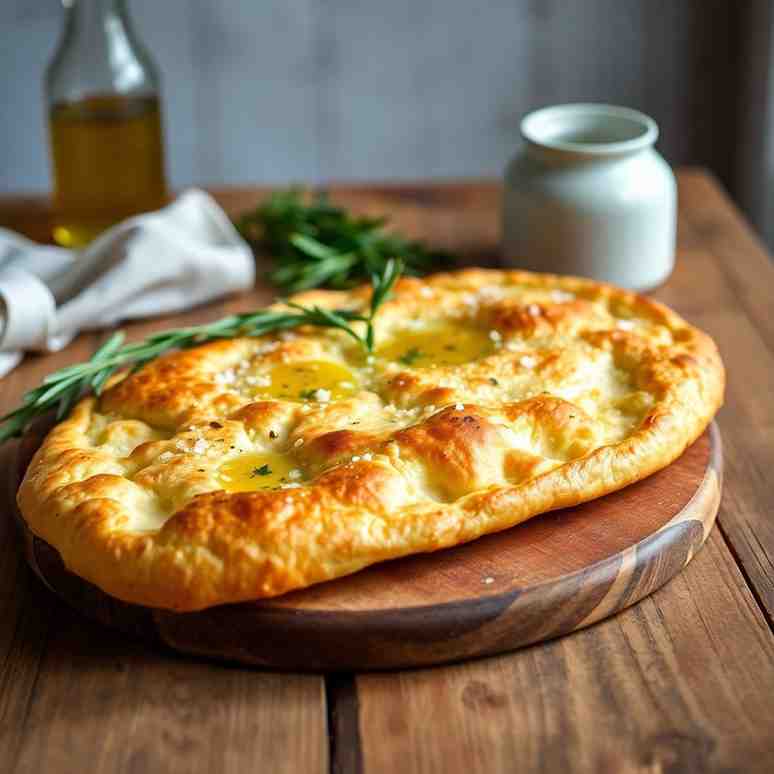
Welcome to the heart of Catalan cuisine! Today, we’re diving into the delightful world of Coca de Recapte, a savory flatbread that’s much more than just a dish – it’s a tradition. Imagine a crisp, thin crust adorned with smoky roasted red peppers, tender eggplant, and succulent sardines recipe, all drizzled with fragrant olive oil. This isn't your average pizza; it’s a rustic, flavorful flat breads experience, perfect for sharing. Our definitive Coques de Recapte recipe will guide you through every step, ensuring you recreate this authentic traditional recipes masterpiece right in your own kitchen. Whether you’re a seasoned baker or just starting your journey into make home bread, if you’ve ever made pizza or focaccia, you can master this!
Coca de Recapte is a traditional Catalan flatbread, often topped with roasted vegetables (escalivada) and fresh fish like sardines or anchovies. It’s a wonderfully balanced dish, offering a symphony of smoky, sweet, and salty flavors on a delightfully crisp crust.
Coca de Recapte hails from the sun-drenched regions of Catalonia, Valencia, the Balearic Islands, and even Andorra, embodying the spirit of Mediterranean communal cooking. The word "recapte" itself means "provisions" or "picnic supplies," hinting at its origins as a practical, portable meal. Historically, villagers would bring their freshly harvested vegetables and provisions to the local bakery, where bakers would stretch out dough, top it with their customers' ingredients, and bake these savory flatbreads in their wood-fired ovens. It was a delicious way to utilize seasonal produce and create a shared culinary experience.
While often compared to pizza or focaccia, Coca de Recapte stands apart. Its crust is typically much thinner and crispier, acting as a mere canvas for the star toppings. It almost always features roasted vegetables, particularly peppers and eggplant (known as escalivada), and frequently includes fish like fresh sardines or anchovies, setting it distinctly apart from its Italian cousins.
Our recipe honors the classic roots of Coca de Recapte.
Classic Base: We feature the quintessential "escalivada," a glorious mix of slow-roasted red peppers and eggplant, bringing a deep, smoky sweetness.
Traditional Fish: Fresh sardines are our chosen topping, offering a distinct salty, umami kick that perfectly complements the vegetables. If you’re not a sardine fan, high-quality anchovies are another traditional option.
Our Recipe: This guide sticks closely to the authentic Catalan tradition, focusing on simple, high-quality ingredients and time-honored techniques. We'll note any small, optional tweaks or substitutions later, but the core remains genuinely traditional.
Ingredients
Directions
- Roast the Vegetables for Escalivada
- Preheat your oven to 400°F (200°C). Line a large sheet pan with parchment paper for easy cleanup.
- Prepare the vegetables: Wash the red bell peppers and eggplant (and onion, if using). You can leave them whole.
- Roast: Place the whole peppers, eggplant, and onion (if using) directly on the lined sheet pan. Roast for 30-45 minutes, or until the skins are deeply charred, blistered, and the vegetables feel very soft and collapsed. Visual cues: Peppers should collapse and blister; eggplant should feel squishy when you press it.
- Steam and peel: Once roasted, immediately transfer the hot vegetables to a bowl and cover tightly with plastic wrap or a lid. Let them steam for 15-20 minutes. This makes peeling much easier.
- Clean and slice: Once cool enough to handle, peel the skins from the peppers and eggplant. Remove the stems and seeds from the peppers. Slice the peppers and eggplant into thick strips. If using, peel and slice the onion.
- Season: Place the sliced vegetables in a bowl. Drizzle generously with olive oil, sprinkle with salt, and add half of your chopped fresh herbs (rosemary or thyme). Toss gently to combine and let cool completely.
- Prep the Sardines
- Clean the sardines: If your fishmonger hasn't already, gently rinse the fresh sardine fillets under cold water and pat them thoroughly dry with paper towels. Remove any remaining bones by running your finger along the center and pulling them out gently.
- Season: Lay the sardine fillets on a plate. Drizzle lightly with olive oil, sprinkle with a pinch of salt and pepper, and a touch of the remaining fresh herbs.
- Food Safety Note: If using very fresh sardines and consuming raw or lightly cooked, freezing them for 24-48 hours beforehand can help protect against parasites. For this recipe, they will be baked, which is generally sufficient.
- Make the Dough
- Combine dry ingredients: In a large mixing bowl, whisk together the bread flour, yeast, and salt. If using, add the optional sugar or honey.
- Add wet ingredients: Pour in the warm water and olive oil.
- Mix: Using a wooden spoon or your hands, stir until all the dry flour is incorporated and you have a shaggy, soft, and sticky dough. There's no need for extensive kneading at this stage.
- First Rise (Overnight Method): Cover the bowl tightly with plastic wrap or a damp towel. Let the dough rise at room temperature for 1-2 hours until it's roughly doubled in size and looks airy and bubbly. Then, transfer the covered bowl to the refrigerator and let it cold-proof overnight (8-12 hours). This slow rise develops incredible flavor and makes the dough easier to handle.
- Shape the Flatbread
- Bring to room temp: If using overnight dough, remove it from the refrigerator about 1-2 hours before shaping to let it come closer to room temperature.
- Prepare your surface: Lightly flour your clean counter or a large piece of parchment paper. Gently turn the dough out onto the floured surface. Avoid deflating it too much.
- Pre-shape: Gently pat the dough into a loose rectangle or oval. Cover it with a clean kitchen towel and let it rest for 10-15 minutes. This allows the gluten to relax, making the dough easier to stretch.
- Final shaping: Once rested, gently stretch and pull the dough into a thin rectangle, approximately 10x14 inches (25x35 cm), or an oval. Aim for a thickness of about ¼ inch (0.6 cm) in the center, leaving a slightly thicker rim around the edges. This ensures the base crisps up nicely before the toppings release too much moisture.
- Transfer: Carefully transfer the shaped dough to a parchment-lined sheet pan or directly onto your preheated baking stone/steel if you're using one.
- Top and Bake
- Arrange toppings: Artistically arrange the strips of roasted red peppers and eggplant (and onion, if using) in alternating rows over the dough, leaving the slightly thicker rim clear.
- Add sardines: Lay the seasoned sardine fillets over the vegetables.
- Season: Drizzle generously with extra-virgin olive oil. Sprinkle with the remaining fresh herbs, salt, pepper, and the optional black olives or capers.
- Bake: Bake in a preheated oven at 450°F (230°C) for 20-30 minutes. The crust should be deep golden with some darker, crispy spots, and the bottom should be crisp enough to lift without sagging. For an extra touch of char on the vegetables, you can briefly finish it under the broiler (grill) for 1-2 minutes, watching carefully to prevent burning.
- Finish & Serve
- Rest: Once out of the oven, let the Coca de Recapte rest on the sheet pan or a wire rack for 5-10 minutes. This allows the crust to set and prevents it from becoming soggy.
- Final touches: Finish with an optional squeeze of fresh lemon juice, a final drizzle of good quality extra-virgin olive oil, a sprinkle of flaky sea salt, and any remaining fresh herbs.
- Slice and serve: Slice into strips or squares. Coca de Recapte is delicious served warm or at room temperature, making it perfect for picnics or appetizers.
Coques de Recapte Recipe - Catalan Flatbread
- Serves: 6 People
- Prepare Time: 45 minutes
- Cooking Time: 1 hour
- Calories: -
- Difficulty: Easy
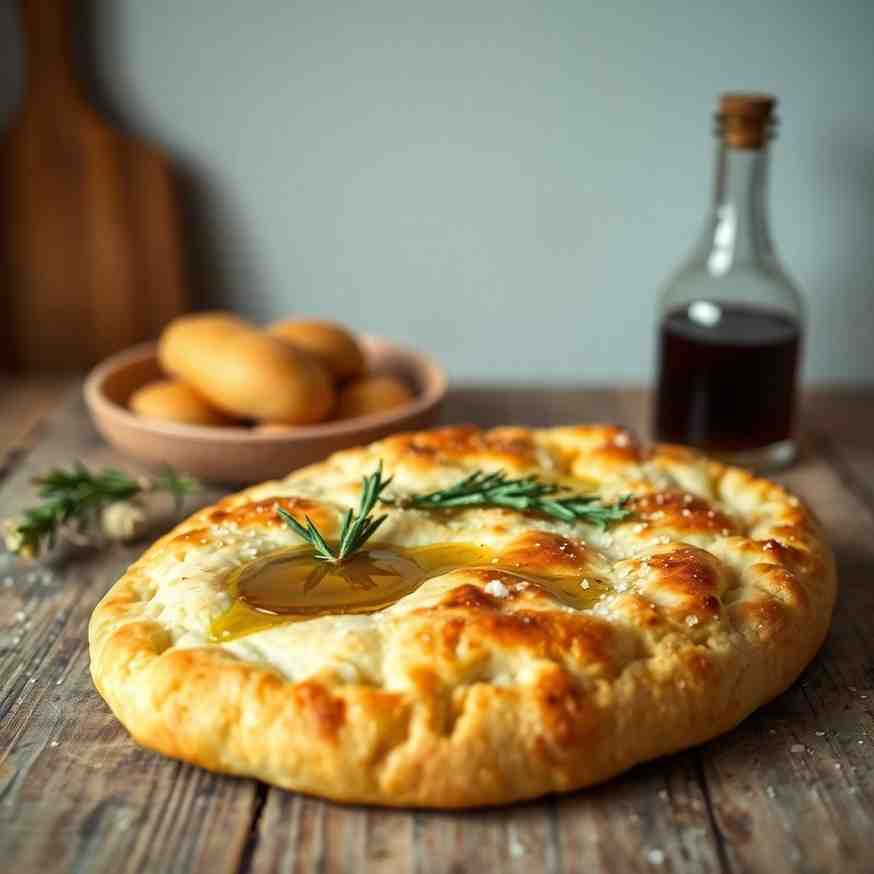
Welcome to the heart of Catalan cuisine! Today, we’re diving into the delightful world of Coca de Recapte, a savory flatbread that’s much more than just a dish – it’s a tradition. Imagine a crisp, thin crust adorned with smoky roasted red peppers, tender eggplant, and succulent sardines recipe, all drizzled with fragrant olive oil. This isn't your average pizza; it’s a rustic, flavorful flat breads experience, perfect for sharing. Our definitive Coques de Recapte recipe will guide you through every step, ensuring you recreate this authentic traditional recipes masterpiece right in your own kitchen. Whether you’re a seasoned baker or just starting your journey into make home bread, if you’ve ever made pizza or focaccia, you can master this!
Coca de Recapte is a traditional Catalan flatbread, often topped with roasted vegetables (escalivada) and fresh fish like sardines or anchovies. It’s a wonderfully balanced dish, offering a symphony of smoky, sweet, and salty flavors on a delightfully crisp crust.
Coca de Recapte hails from the sun-drenched regions of Catalonia, Valencia, the Balearic Islands, and even Andorra, embodying the spirit of Mediterranean communal cooking. The word "recapte" itself means "provisions" or "picnic supplies," hinting at its origins as a practical, portable meal. Historically, villagers would bring their freshly harvested vegetables and provisions to the local bakery, where bakers would stretch out dough, top it with their customers' ingredients, and bake these savory flatbreads in their wood-fired ovens. It was a delicious way to utilize seasonal produce and create a shared culinary experience.
While often compared to pizza or focaccia, Coca de Recapte stands apart. Its crust is typically much thinner and crispier, acting as a mere canvas for the star toppings. It almost always features roasted vegetables, particularly peppers and eggplant (known as escalivada), and frequently includes fish like fresh sardines or anchovies, setting it distinctly apart from its Italian cousins.
Our recipe honors the classic roots of Coca de Recapte.
Classic Base: We feature the quintessential "escalivada," a glorious mix of slow-roasted red peppers and eggplant, bringing a deep, smoky sweetness.
Traditional Fish: Fresh sardines are our chosen topping, offering a distinct salty, umami kick that perfectly complements the vegetables. If you’re not a sardine fan, high-quality anchovies are another traditional option.
Our Recipe: This guide sticks closely to the authentic Catalan tradition, focusing on simple, high-quality ingredients and time-honored techniques. We'll note any small, optional tweaks or substitutions later, but the core remains genuinely traditional.
Ingredients
Directions
- Roast the Vegetables for Escalivada
- Preheat your oven to 400°F (200°C). Line a large sheet pan with parchment paper for easy cleanup.
- Prepare the vegetables: Wash the red bell peppers and eggplant (and onion, if using). You can leave them whole.
- Roast: Place the whole peppers, eggplant, and onion (if using) directly on the lined sheet pan. Roast for 30-45 minutes, or until the skins are deeply charred, blistered, and the vegetables feel very soft and collapsed. Visual cues: Peppers should collapse and blister; eggplant should feel squishy when you press it.
- Steam and peel: Once roasted, immediately transfer the hot vegetables to a bowl and cover tightly with plastic wrap or a lid. Let them steam for 15-20 minutes. This makes peeling much easier.
- Clean and slice: Once cool enough to handle, peel the skins from the peppers and eggplant. Remove the stems and seeds from the peppers. Slice the peppers and eggplant into thick strips. If using, peel and slice the onion.
- Season: Place the sliced vegetables in a bowl. Drizzle generously with olive oil, sprinkle with salt, and add half of your chopped fresh herbs (rosemary or thyme). Toss gently to combine and let cool completely.
- Prep the Sardines
- Clean the sardines: If your fishmonger hasn't already, gently rinse the fresh sardine fillets under cold water and pat them thoroughly dry with paper towels. Remove any remaining bones by running your finger along the center and pulling them out gently.
- Season: Lay the sardine fillets on a plate. Drizzle lightly with olive oil, sprinkle with a pinch of salt and pepper, and a touch of the remaining fresh herbs.
- Food Safety Note: If using very fresh sardines and consuming raw or lightly cooked, freezing them for 24-48 hours beforehand can help protect against parasites. For this recipe, they will be baked, which is generally sufficient.
- Make the Dough
- Combine dry ingredients: In a large mixing bowl, whisk together the bread flour, yeast, and salt. If using, add the optional sugar or honey.
- Add wet ingredients: Pour in the warm water and olive oil.
- Mix: Using a wooden spoon or your hands, stir until all the dry flour is incorporated and you have a shaggy, soft, and sticky dough. There's no need for extensive kneading at this stage.
- First Rise (Overnight Method): Cover the bowl tightly with plastic wrap or a damp towel. Let the dough rise at room temperature for 1-2 hours until it's roughly doubled in size and looks airy and bubbly. Then, transfer the covered bowl to the refrigerator and let it cold-proof overnight (8-12 hours). This slow rise develops incredible flavor and makes the dough easier to handle.
- Shape the Flatbread
- Bring to room temp: If using overnight dough, remove it from the refrigerator about 1-2 hours before shaping to let it come closer to room temperature.
- Prepare your surface: Lightly flour your clean counter or a large piece of parchment paper. Gently turn the dough out onto the floured surface. Avoid deflating it too much.
- Pre-shape: Gently pat the dough into a loose rectangle or oval. Cover it with a clean kitchen towel and let it rest for 10-15 minutes. This allows the gluten to relax, making the dough easier to stretch.
- Final shaping: Once rested, gently stretch and pull the dough into a thin rectangle, approximately 10x14 inches (25x35 cm), or an oval. Aim for a thickness of about ¼ inch (0.6 cm) in the center, leaving a slightly thicker rim around the edges. This ensures the base crisps up nicely before the toppings release too much moisture.
- Transfer: Carefully transfer the shaped dough to a parchment-lined sheet pan or directly onto your preheated baking stone/steel if you're using one.
- Top and Bake
- Arrange toppings: Artistically arrange the strips of roasted red peppers and eggplant (and onion, if using) in alternating rows over the dough, leaving the slightly thicker rim clear.
- Add sardines: Lay the seasoned sardine fillets over the vegetables.
- Season: Drizzle generously with extra-virgin olive oil. Sprinkle with the remaining fresh herbs, salt, pepper, and the optional black olives or capers.
- Bake: Bake in a preheated oven at 450°F (230°C) for 20-30 minutes. The crust should be deep golden with some darker, crispy spots, and the bottom should be crisp enough to lift without sagging. For an extra touch of char on the vegetables, you can briefly finish it under the broiler (grill) for 1-2 minutes, watching carefully to prevent burning.
- Finish & Serve
- Rest: Once out of the oven, let the Coca de Recapte rest on the sheet pan or a wire rack for 5-10 minutes. This allows the crust to set and prevents it from becoming soggy.
- Final touches: Finish with an optional squeeze of fresh lemon juice, a final drizzle of good quality extra-virgin olive oil, a sprinkle of flaky sea salt, and any remaining fresh herbs.
- Slice and serve: Slice into strips or squares. Coca de Recapte is delicious served warm or at room temperature, making it perfect for picnics or appetizers.
The following nutritional values are per serving (one piece of cake) Calories ~350-450 kcal Carbohydrates ~40-50g Protein ~15-20g Fat ~15-25g Making Coca de Recapte from scratch is a labor of love, but we all have busy days! Here are some smart shortcuts and tools that can shave off significant time without sacrificing that amazing traditional flavor. Problem: Roasting fresh peppers and eggplant can be time-consuming, adding an extra hour or more to your prep. Problem: Cleaning fresh sardines can be a bit messy and intimidating if you’re not used to it. Problem: Achieving consistent, perfectly hydrated dough can be tricky with standard cup measurements, especially for beginners. Problem: Transferring a thin, sticky dough to a hot baking surface can be a real challenge, risking tears or misshapen flatbreads. Click any ingredient for detailed nutritional information:Recipe Nutritional Values
Additional Information
Recipe Success Tips
Pro Tips for the Best Coca de Recapte
Ingredient Substitutions & Variations
Make-Ahead & Storage Instructions
Frequently Asked Questions
Recommended Kitchen Tools
Time-Saving Tools & Ingredients
Agitate: This extra step often makes home bakers hesitate to try recipes that require roasting, leading them to store-bought alternatives that lack the authentic smoky depth.
Solution:Jarred Roasted Red Peppers. Opt for a good quality brand of jarred roasted red peppers (packed in water or olive oil) and simply drain and slice them. You can still roast fresh eggplant for that sweet, tender texture, combining the best of both worlds with minimal effort.Time-Saving Tools & Ingredients
Agitate: The thought of scaling and gutting fish might deter you from using fresh sardines, pushing you towards less flavorful canned options or skipping them altogether.
Solution:Ask your fishmonger! Most good fish counters will happily clean and debone fresh sardines for you, saving you significant time and effort at home. Just ask if they can "butterfly" them for easy use.Time-Saving Tools & Ingredients
Agitate: Inaccurate measurements can lead to dough that's too dry, too sticky, or simply doesn't rise properly, resulting in a less-than-perfect flatbread.
Solution:A Digital Kitchen Scale. While optional, a kitchen scale allows for precise measurement of flour and water in grams, ensuring your dough has the ideal hydration every single time. This consistency leads to better texture and less guesswork.Time-Saving Tools & Ingredients
Agitate: A torn dough can be frustrating, and a sticky mess can make cleanup a chore, dampening the joy of baking.
Solution:Parchment Paper. Shaping your dough directly on a piece of parchment paper means you can easily slide it onto your hot baking sheet, stone, or steel without any sticking or fuss. It also makes cleanup a breeze!Calories per Ingredient
Resources & References
You may also like



Hey there! I’m just someone who seriously loves good food and believes that cooking doesn’t have to be complicated to be amazing. Whether it’s a quick weeknight dinner or a cozy weekend meal, I’m all about sharing easy, tasty recipes that actually work.