
Crispy Fried Calamari - Perfect Calamares a la Romana
Crispy Fried Calamari - Perfect Calamares a la Romana
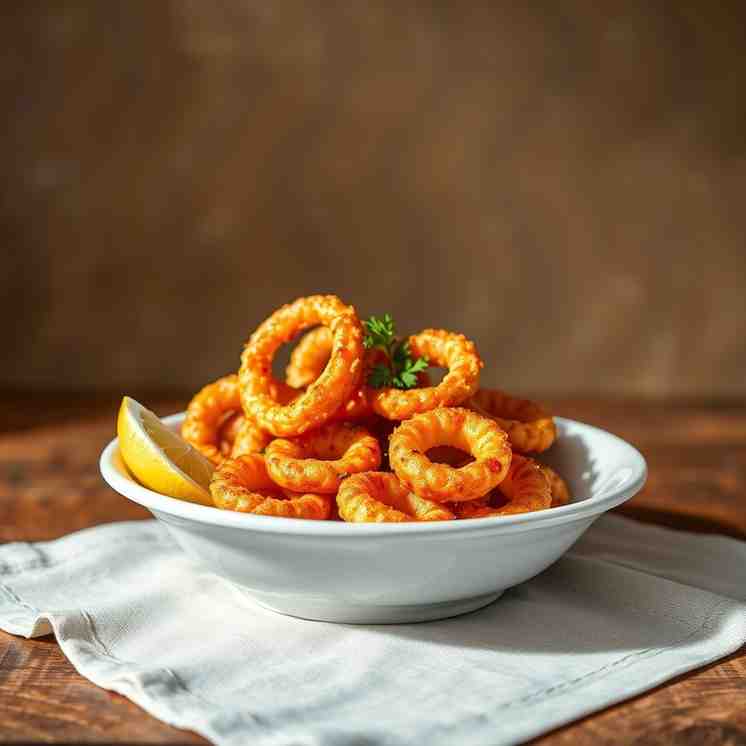
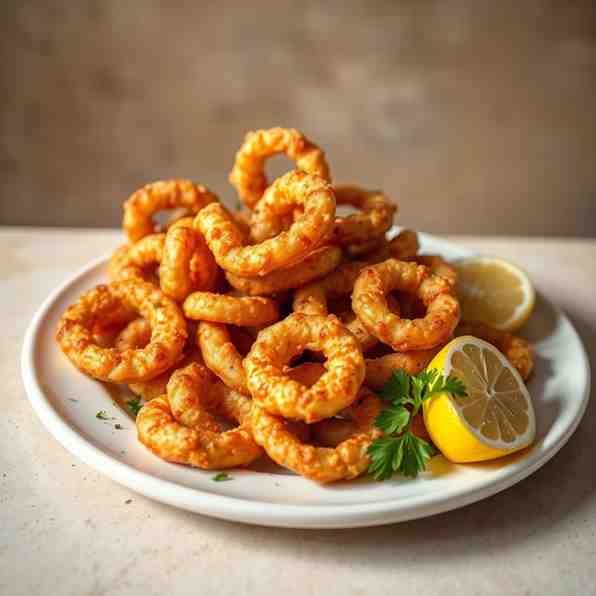
- Serves: 4 People
- Prepare Time: 25 minutes
- Cooking Time: 15 minutes
- Calories: -
- Difficulty: Medium
Welcome to the world of perfectly crispy, tender, and irresistible Crispy Calamares a la Romana! Forget chewy, greasy squid; we're about to unlock the secrets to restaurant-quality fried calamari right in your own kitchen. "A la Romana" simply means "Roman style," and for calamari, it promises a light, delicate coating, a quick dip in hot oil, and a vibrant, lemon-forward flavor that's anything but heavy.
This isn't just another fried calamari recipe; it's your definitive guide to achieving that coveted golden-brown crunch on the outside and melt-in-your-mouth tenderness on the inside. No more rubbery rings or coatings that fall off! We'll cover everything from choosing the best squid to the ideal cooking oil for deep frying and even delicious fry dipping sauce options. Get ready to impress yourself and your guests with the ultimate homemade crispy fried calamari experience!
Ingredients
Directions
- Prep the Squid: If using frozen squid, ensure it's fully thawed. Pat the squid rings and tentacles very dry with paper towels. This is a crucial step for crispiness and to prevent oil splatter. If you have whole tubes, slice them into 1/2-inch thick rings. For tentacles, keep them separate from the rings if possible, as they can clump more easily.
- Tenderize with a Milk Soak: In a medium bowl, combine the milk and 1 tablespoon of kosher salt. Add the dried squid to the milk mixture, ensuring it's fully submerged. Let it soak for at least 30 minutes in the refrigerator, or up to 2 hours. This salted milk soak helps tenderize the squid and remove any residual fishy taste.
- Drain & Dry (Again!): After soaking, drain the squid well in a colander. Then, spread the squid out on a clean kitchen towel or several layers of paper towels and pat it extremely dry. Any excess moisture will prevent the coating from sticking and lead to soggy calamari.
- Set Up Your Frying Station: Choose a heavy-bottomed pot or Dutch oven (at least 3-4 quarts) or a deep fryer. Pour in 4-6 cups of high-heat neutral oil, ensuring it's at least 2-3 inches deep but no more than halfway up the sides of your pot. Attach a clip-on thermometer to the side of the pot. Place a wire rack over a sheet pan nearby; this is where your fried calamari will drain. Have a spider strainer or slotted spoon ready.
- Make the Coating: In a shallow dish or a large resealable plastic bag, whisk together the all-purpose flour, cornstarch, baking powder, 1 teaspoon kosher salt, 1/2 teaspoon black pepper, and any optional seasonings you've chosen (oregano, smoked paprika, cayenne, garlic powder). The cornstarch and baking powder are key for that extra light and crispy texture.
- Dredge the Squid: Working in small batches (about 1/2 cup at a time), add the dried squid to the coating mixture. Toss gently to coat thoroughly. Shake off any excess flour – a thin, even coating is what you're after. Place the coated squid on a clean plate or sheet pan and let it rest for 5-10 minutes. This resting step allows the coating to "hydrate" and adhere better to the squid, preventing it from falling off during frying.
- Heat the Oil: Heat the oil over medium-high heat until your thermometer reaches 350-375°F (175-190°C). This temperature range is crucial: too low, and your calamari will be greasy; too high, and it will burn before cooking through.
- Fry in Batches: Carefully add a single layer of coated squid to the hot oil. Do not overcrowd the pot! Frying in small batches is essential to maintain oil temperature and ensure even cooking and crispiness. Overcrowding will lower the oil temperature, leading to soggy, greasy calamari.
- Fry Hot & Fast: Fry for only 1-2 minutes per batch, or until the calamari is golden brown and floats to the surface. It cooks very quickly! Watch for a light golden color; anything darker means it's likely overcooked.
- Drain & Season: Using your spider strainer or slotted spoon, remove the fried calamari from the oil and immediately transfer it to the wire rack set over the sheet pan to drain excess oil. While still hot, sprinkle generously with flaky sea salt (if using) and a little extra black pepper.
- Keep Warm & Repeat: If you're making multiple batches, you can keep the finished calamari warm in a low oven (around 200°F/95°C) while you finish frying the rest.
- Serve Immediately: Serve your Crispy Calamares a la Romana piping hot with fresh lemon wedges and your favorite dipping sauces.
Crispy Fried Calamari - Perfect Calamares a la Romana

- Serves: 4 People
- Prepare Time: 25 minutes
- Cooking Time: 15 minutes
- Calories: -
- Difficulty: Medium
Welcome to the world of perfectly crispy, tender, and irresistible Crispy Calamares a la Romana! Forget chewy, greasy squid; we're about to unlock the secrets to restaurant-quality fried calamari right in your own kitchen. "A la Romana" simply means "Roman style," and for calamari, it promises a light, delicate coating, a quick dip in hot oil, and a vibrant, lemon-forward flavor that's anything but heavy.
This isn't just another fried calamari recipe; it's your definitive guide to achieving that coveted golden-brown crunch on the outside and melt-in-your-mouth tenderness on the inside. No more rubbery rings or coatings that fall off! We'll cover everything from choosing the best squid to the ideal cooking oil for deep frying and even delicious fry dipping sauce options. Get ready to impress yourself and your guests with the ultimate homemade crispy fried calamari experience!
Ingredients
Directions
- Prep the Squid: If using frozen squid, ensure it's fully thawed. Pat the squid rings and tentacles very dry with paper towels. This is a crucial step for crispiness and to prevent oil splatter. If you have whole tubes, slice them into 1/2-inch thick rings. For tentacles, keep them separate from the rings if possible, as they can clump more easily.
- Tenderize with a Milk Soak: In a medium bowl, combine the milk and 1 tablespoon of kosher salt. Add the dried squid to the milk mixture, ensuring it's fully submerged. Let it soak for at least 30 minutes in the refrigerator, or up to 2 hours. This salted milk soak helps tenderize the squid and remove any residual fishy taste.
- Drain & Dry (Again!): After soaking, drain the squid well in a colander. Then, spread the squid out on a clean kitchen towel or several layers of paper towels and pat it extremely dry. Any excess moisture will prevent the coating from sticking and lead to soggy calamari.
- Set Up Your Frying Station: Choose a heavy-bottomed pot or Dutch oven (at least 3-4 quarts) or a deep fryer. Pour in 4-6 cups of high-heat neutral oil, ensuring it's at least 2-3 inches deep but no more than halfway up the sides of your pot. Attach a clip-on thermometer to the side of the pot. Place a wire rack over a sheet pan nearby; this is where your fried calamari will drain. Have a spider strainer or slotted spoon ready.
- Make the Coating: In a shallow dish or a large resealable plastic bag, whisk together the all-purpose flour, cornstarch, baking powder, 1 teaspoon kosher salt, 1/2 teaspoon black pepper, and any optional seasonings you've chosen (oregano, smoked paprika, cayenne, garlic powder). The cornstarch and baking powder are key for that extra light and crispy texture.
- Dredge the Squid: Working in small batches (about 1/2 cup at a time), add the dried squid to the coating mixture. Toss gently to coat thoroughly. Shake off any excess flour – a thin, even coating is what you're after. Place the coated squid on a clean plate or sheet pan and let it rest for 5-10 minutes. This resting step allows the coating to "hydrate" and adhere better to the squid, preventing it from falling off during frying.
- Heat the Oil: Heat the oil over medium-high heat until your thermometer reaches 350-375°F (175-190°C). This temperature range is crucial: too low, and your calamari will be greasy; too high, and it will burn before cooking through.
- Fry in Batches: Carefully add a single layer of coated squid to the hot oil. Do not overcrowd the pot! Frying in small batches is essential to maintain oil temperature and ensure even cooking and crispiness. Overcrowding will lower the oil temperature, leading to soggy, greasy calamari.
- Fry Hot & Fast: Fry for only 1-2 minutes per batch, or until the calamari is golden brown and floats to the surface. It cooks very quickly! Watch for a light golden color; anything darker means it's likely overcooked.
- Drain & Season: Using your spider strainer or slotted spoon, remove the fried calamari from the oil and immediately transfer it to the wire rack set over the sheet pan to drain excess oil. While still hot, sprinkle generously with flaky sea salt (if using) and a little extra black pepper.
- Keep Warm & Repeat: If you're making multiple batches, you can keep the finished calamari warm in a low oven (around 200°F/95°C) while you finish frying the rest.
- Serve Immediately: Serve your Crispy Calamares a la Romana piping hot with fresh lemon wedges and your favorite dipping sauces.
You may also like


Hey there! I’m just someone who seriously loves good food and believes that cooking doesn’t have to be complicated to be amazing. Whether it’s a quick weeknight dinner or a cozy weekend meal, I’m all about sharing easy, tasty recipes that actually work.