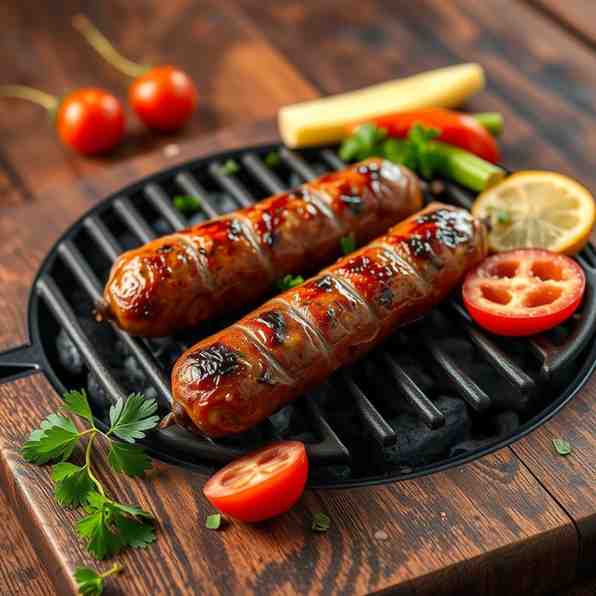
Crispy Sambousek - Mini Meat Pies with No-Fail Frying
Crispy Sambousek - Mini Meat Pies with No-Fail Frying


- Serves: 6 People
- Prepare Time: 45 minutes
- Cooking Time: 25 minutes
- Calories: -
- Difficulty: Medium
Ever craved a bite-sized burst of savory flavor that’s perfectly crispy on the outside and wonderfully spiced on the inside? You're in for a treat with Sambousek! These delightful mini meat pies, also known as sambousak or sambusa, are a cherished Middle Eastern meat pastry that brings joy to any table, whether as an appetizer, a snack, or part of a grand mezze spread.
This isn't just any sambousek recipe. We’re diving deep into the secrets of creating a truly superior version: a buttery, crisp crust that shatters with every bite, a deeply seasoned ground beef (or lamb!) filling, and a comprehensive deep-frying guide designed to ensure a no-fail, perfectly golden result every single time. Forget greasy, soggy pastries or burst seams – we're giving you the playbook for crispy sambousek perfection! Get ready to impress your taste buds and your guests with these irresistible Lebanese meat pies.
What you’ll taste and texture targets: Imagine a buttery, crisp shell that gives way to a savory, spiced beef filling. When done right, your sambousek will be beautifully golden brown, blistered in spots from the hot oil, and never greasy. The dough should be light and flaky, not tough or chewy, encasing a moist, aromatic interior.
Ingredients
Directions
- Make the Savory Meat Filling:
- Heat 1 tablespoon olive oil in a large skillet over medium-high heat. Add the ground beef and cook, breaking it up with a spoon, until it's fully browned. This is crucial for flavor – don't steam the meat by overcrowding the pan; work in batches if necessary.
- Once browned, drain any excess fat from the pan. Add the finely chopped onion and cook until softened, about 5-7 minutes.
- Stir in the allspice powder, cinnamon, black pepper, paprika, and salt. Cook for another 1-2 minutes, stirring constantly, to bloom the spices and release their aromas.
- Remove the skillet from the heat. Stir in the fresh parsley and any optional add-ins like pine nuts or pomegranate molasses.
- Spread the filling onto a plate or shallow dish and allow it to cool completely. This is a crucial step! A warm filling can make your pastry soggy and increase the risk of blowouts during frying.
- Prepare the Tender Dough:
- In your large mixing bowl, whisk together the all-purpose flour, salt, and optional baking powder.
- Cut the cold butter into small cubes (if using) and add it to the flour. Using your fingertips or a pastry blender, cut the butter into the flour until the mixture resembles coarse crumbs with some pea-sized pieces remaining. If using olive oil, drizzle it into the flour and mix until a crumbly texture forms.
- Gradually add the ice water, a tablespoon at a time, mixing with your hands or a wooden spoon until the dough just comes together. Be careful not to add too much water; the dough should be firm but pliable. (Feel test: It should be smooth and cohesive, not sticky or crumbly. If it's too dry, add a tiny bit more water; if too sticky, a sprinkle of flour.)
- Turn the dough out onto a lightly floured surface and knead gently for just 1-2 minutes, until smooth. Avoid overworking the dough, which can make it tough.
- Shape the dough into a disc, wrap it tightly in plastic wrap, and refrigerate for at least 30 minutes. This rest time allows the gluten to relax, making the dough much easier to roll out and preventing shrinkage.
- Roll, Cut, Fill, and Seal Your Sambousek:
- Divide the chilled dough into two or three portions. Keep the portions you're not working with refrigerated.
- On a lightly floured surface, roll out one portion of dough to your target thickness: about ⅛ inch (3mm). It should be thin enough to be crispy but not so thin that it tears easily.
- Using a 2.5-3 inch round cutter (or the rim of a glass), cut out circles from the dough. Gather the scraps, gently re-knead, and re-roll once or twice.
- Place a small amount of the cooled meat filling (about 1-1 ½ teaspoons) in the center of each dough circle. Be careful not to overfill, as this is a common cause of bursting.
- Dip your finger in a little water and moisten the edge of half of the dough circle. Fold the other half over the filling to create a half-moon shape.
- Press the edges firmly to seal, ensuring no gaps. Then, crimp the edges with a fork or pinch them decoratively with your fingers to create a secure seal. (Crucial tip: Remove any small crumbs of dough or filling from the seam before sealing; these can prevent a tight seal and lead to blowouts during frying!)
- Place the sealed sambousek on a parchment-lined baking sheet. Repeat with the remaining dough and filling.
- The Deep-Frying Playbook (Your Guide to Crispy Perfection):
- Pour the neutral high-heat oil into your deep pot or Dutch oven, ensuring a depth of at least 2-3 inches. Attach your kitchen thermometer to the side of the pot.
- Heat the oil over medium heat to the best oil temp range: 350-375°F (175-190°C). This temperature is key for crispness without greasiness.
- Oil Depth & Pot Size: Use a pot that's deep enough to fully submerge the sambousek without overflowing when they're added. Don't fill the pot more than halfway with oil.
- Batch Size Rules: Fry the sambousek in small batches (3-5 pieces at a time), ensuring you don't overcrowd the pot. Overcrowding will drop the oil temperature too quickly, leading to greasy, soggy pastries.
- Carefully lower the sambousek into the hot oil using a spider or slotted spoon.
- Flip Timing & Total Time Cues: Fry for 2-4 minutes per side, or until deeply golden brown and crispy. Flip them gently halfway through cooking to ensure even browning.
- How to tell: Too Hot vs. Too Cool Oil:
- Too Hot: Sambousek will brown very quickly on the outside but remain raw or undercooked inside. The crust might burn before the filling is heated through.
- Too Cool: Sambousek will absorb too much oil, resulting in a greasy, pale, and soggy pastry. The oil will bubble slowly or not at all around the pastry.
- Once golden and cooked through, remove the sambousek with a spider or slotted spoon.
- Drain them immediately on a wire rack set over a baking sheet. Avoid draining on paper towels, as this can trap steam and make them soggy.
- "Serve Window" for Max Crunch: Sambousek are best served warm, shortly after frying, when they are at their absolute crispiest!
Crispy Sambousek - Mini Meat Pies with No-Fail Frying

- Serves: 6 People
- Prepare Time: 45 minutes
- Cooking Time: 25 minutes
- Calories: -
- Difficulty: Medium
Ever craved a bite-sized burst of savory flavor that’s perfectly crispy on the outside and wonderfully spiced on the inside? You're in for a treat with Sambousek! These delightful mini meat pies, also known as sambousak or sambusa, are a cherished Middle Eastern meat pastry that brings joy to any table, whether as an appetizer, a snack, or part of a grand mezze spread.
This isn't just any sambousek recipe. We’re diving deep into the secrets of creating a truly superior version: a buttery, crisp crust that shatters with every bite, a deeply seasoned ground beef (or lamb!) filling, and a comprehensive deep-frying guide designed to ensure a no-fail, perfectly golden result every single time. Forget greasy, soggy pastries or burst seams – we're giving you the playbook for crispy sambousek perfection! Get ready to impress your taste buds and your guests with these irresistible Lebanese meat pies.
What you’ll taste and texture targets: Imagine a buttery, crisp shell that gives way to a savory, spiced beef filling. When done right, your sambousek will be beautifully golden brown, blistered in spots from the hot oil, and never greasy. The dough should be light and flaky, not tough or chewy, encasing a moist, aromatic interior.
Ingredients
Directions
- Make the Savory Meat Filling:
- Heat 1 tablespoon olive oil in a large skillet over medium-high heat. Add the ground beef and cook, breaking it up with a spoon, until it's fully browned. This is crucial for flavor – don't steam the meat by overcrowding the pan; work in batches if necessary.
- Once browned, drain any excess fat from the pan. Add the finely chopped onion and cook until softened, about 5-7 minutes.
- Stir in the allspice powder, cinnamon, black pepper, paprika, and salt. Cook for another 1-2 minutes, stirring constantly, to bloom the spices and release their aromas.
- Remove the skillet from the heat. Stir in the fresh parsley and any optional add-ins like pine nuts or pomegranate molasses.
- Spread the filling onto a plate or shallow dish and allow it to cool completely. This is a crucial step! A warm filling can make your pastry soggy and increase the risk of blowouts during frying.
- Prepare the Tender Dough:
- In your large mixing bowl, whisk together the all-purpose flour, salt, and optional baking powder.
- Cut the cold butter into small cubes (if using) and add it to the flour. Using your fingertips or a pastry blender, cut the butter into the flour until the mixture resembles coarse crumbs with some pea-sized pieces remaining. If using olive oil, drizzle it into the flour and mix until a crumbly texture forms.
- Gradually add the ice water, a tablespoon at a time, mixing with your hands or a wooden spoon until the dough just comes together. Be careful not to add too much water; the dough should be firm but pliable. (Feel test: It should be smooth and cohesive, not sticky or crumbly. If it's too dry, add a tiny bit more water; if too sticky, a sprinkle of flour.)
- Turn the dough out onto a lightly floured surface and knead gently for just 1-2 minutes, until smooth. Avoid overworking the dough, which can make it tough.
- Shape the dough into a disc, wrap it tightly in plastic wrap, and refrigerate for at least 30 minutes. This rest time allows the gluten to relax, making the dough much easier to roll out and preventing shrinkage.
- Roll, Cut, Fill, and Seal Your Sambousek:
- Divide the chilled dough into two or three portions. Keep the portions you're not working with refrigerated.
- On a lightly floured surface, roll out one portion of dough to your target thickness: about ⅛ inch (3mm). It should be thin enough to be crispy but not so thin that it tears easily.
- Using a 2.5-3 inch round cutter (or the rim of a glass), cut out circles from the dough. Gather the scraps, gently re-knead, and re-roll once or twice.
- Place a small amount of the cooled meat filling (about 1-1 ½ teaspoons) in the center of each dough circle. Be careful not to overfill, as this is a common cause of bursting.
- Dip your finger in a little water and moisten the edge of half of the dough circle. Fold the other half over the filling to create a half-moon shape.
- Press the edges firmly to seal, ensuring no gaps. Then, crimp the edges with a fork or pinch them decoratively with your fingers to create a secure seal. (Crucial tip: Remove any small crumbs of dough or filling from the seam before sealing; these can prevent a tight seal and lead to blowouts during frying!)
- Place the sealed sambousek on a parchment-lined baking sheet. Repeat with the remaining dough and filling.
- The Deep-Frying Playbook (Your Guide to Crispy Perfection):
- Pour the neutral high-heat oil into your deep pot or Dutch oven, ensuring a depth of at least 2-3 inches. Attach your kitchen thermometer to the side of the pot.
- Heat the oil over medium heat to the best oil temp range: 350-375°F (175-190°C). This temperature is key for crispness without greasiness.
- Oil Depth & Pot Size: Use a pot that's deep enough to fully submerge the sambousek without overflowing when they're added. Don't fill the pot more than halfway with oil.
- Batch Size Rules: Fry the sambousek in small batches (3-5 pieces at a time), ensuring you don't overcrowd the pot. Overcrowding will drop the oil temperature too quickly, leading to greasy, soggy pastries.
- Carefully lower the sambousek into the hot oil using a spider or slotted spoon.
- Flip Timing & Total Time Cues: Fry for 2-4 minutes per side, or until deeply golden brown and crispy. Flip them gently halfway through cooking to ensure even browning.
- How to tell: Too Hot vs. Too Cool Oil:
- Too Hot: Sambousek will brown very quickly on the outside but remain raw or undercooked inside. The crust might burn before the filling is heated through.
- Too Cool: Sambousek will absorb too much oil, resulting in a greasy, pale, and soggy pastry. The oil will bubble slowly or not at all around the pastry.
- Once golden and cooked through, remove the sambousek with a spider or slotted spoon.
- Drain them immediately on a wire rack set over a baking sheet. Avoid draining on paper towels, as this can trap steam and make them soggy.
- "Serve Window" for Max Crunch: Sambousek are best served warm, shortly after frying, when they are at their absolute crispiest!
You may also like


Hey there! I’m just someone who seriously loves good food and believes that cooking doesn’t have to be complicated to be amazing. Whether it’s a quick weeknight dinner or a cozy weekend meal, I’m all about sharing easy, tasty recipes that actually work.