
Czech Klobása Sausage
Czech Klobása Sausage
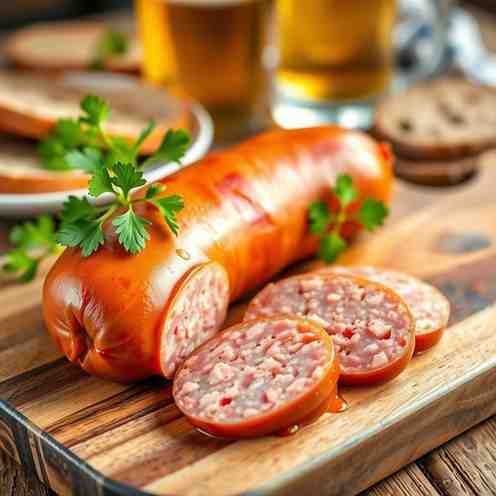
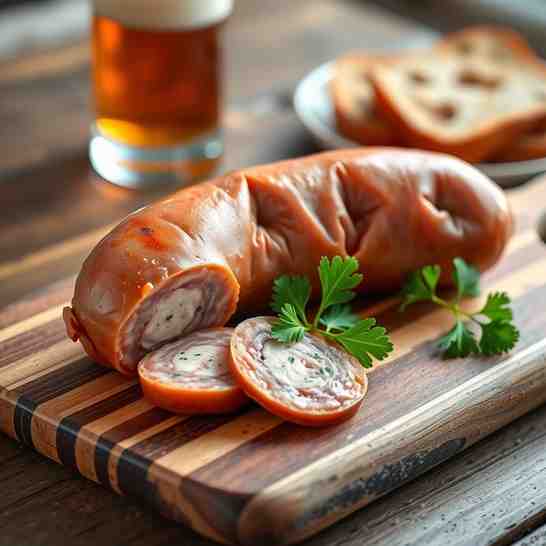
- Serves: 10 People
- Prepare Time: 45 minutes
- Cooking Time: 2 hours (pl
- Calories: -
- Difficulty: Medium
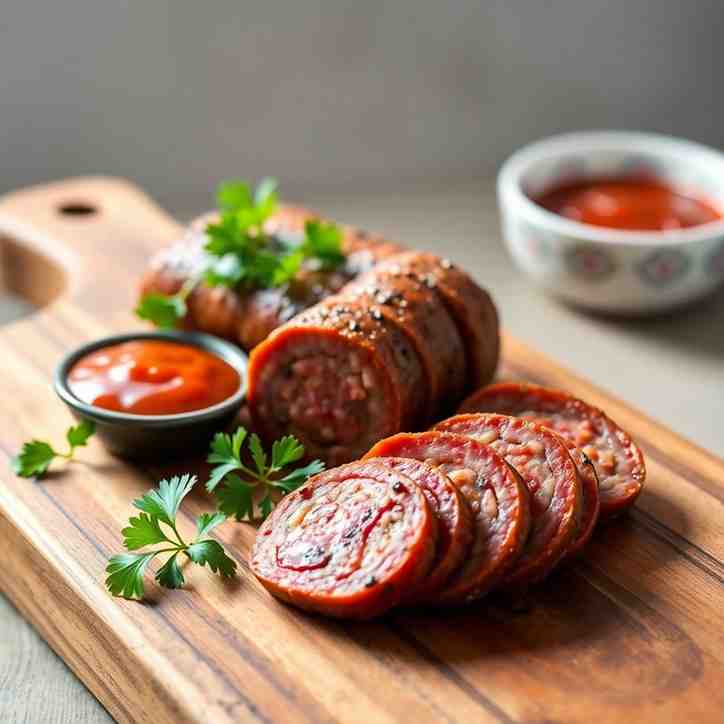
Welcome, fellow food adventurers, to the delicious world of Czech Klobása! If you've ever dreamt of crafting your own smoked sausage recipes or simply want to explore the rich, savory traditions of Central European cuisine, you've come to the right place. Klobása isn't just any pork sausage; it's a staple, a celebration, and a testament to the art of sausage making. Whether you're looking for sausage recipes for dinner, a hearty breakfast sausage, or simply want to impress your friends with homemade goodness, this guide will walk you through every step. Forget bland supermarket offerings – we're diving deep into the authentic flavors that make Czech Klobása a beloved classic. Get ready to transform simple ingredients into a truly unforgettable experience, perfect for beginners and seasoned home cooks alike.
Ingredients
Directions
- Prepare the Meat & Fat: Cut the pork shoulder, beef chuck, and pork fat into 1-inch (2.5 cm) cubes. This size works best for grinding. Place the cubed meat and fat on a baking sheet and put it in the freezer for 30-60 minutes until very cold and firm, but not frozen solid. This helps prevent smearing during grinding, ensuring a better texture.
- Grind the Mixture: Using a meat grinder with a coarse die (e.g., 3/8-inch or 10mm), grind all the chilled meat and fat. If you prefer a finer texture, you can pass a portion through a medium die (e.g., 1/4-inch or 6mm) on a second grind, but traditional klobása often has a coarser texture.
- Seasoning & Mixing: Transfer the ground meat and fat to a large, sturdy mixing bowl. Add the sea salt, black pepper, sweet paprika, smoked paprika, marjoram, crushed caraway seeds (if using), minced garlic, and curing salt (if using). Begin mixing by hand, wearing food-safe gloves. Gradually add the ice-cold water or wine, a little at a time. Mix vigorously for 5-7 minutes until the mixture becomes very sticky and develops a "bind."
- Troubleshooting Tip: The mixture should be cohesive and sticky, not crumbly. If it feels too dry, add a splash more ice water (up to another 1/4 cup) until it achieves that sticky, emulsified texture. If it's too wet, it might be harder to stuff, but generally, a good bind is more important.
- Taste Test (Crucial!): Pinch off a small patty of the sausage mixture (about 1 tablespoon). Cook it in a hot pan until thoroughly browned and cooked through. Taste it and adjust the seasoning if necessary. This is your only chance to get the flavor perfect before stuffing! Add more salt, pepper, or spices as desired, then mix again briefly.
- Prepare Casings: While the mixture chills, rinse your natural hog casings thoroughly under cool running water, both inside and out, to remove any salt. Let them soak in a bowl of cool water for at least 30 minutes to an hour to make them pliable.
- Stuff the Casings: Attach the sausage stuffer attachment to your grinder or use a stand-alone stuffer. Carefully feed one end of a casing onto the stuffing horn, gathering it up like an accordion, leaving about 6 inches of casing hanging off the end. Begin feeding the sausage mixture into the stuffer, ensuring there are no air pockets.
- Troubleshooting Tip: Stuff the casings firmly but not overly tight. You should be able to gently squeeze the sausage without it bursting. If you see large air bubbles, you can prick them with a sterile needle or sausage pricker.
- Link the Sausages: Once the casing is filled, gently squeeze out any excess air and tie off the end. Start forming links by pinching and twisting the sausage at your desired length (typically 6-8 inches). Twist in alternating directions for each link to secure them. Continue until all the mixture is used.
- Rest and Bloom: Hang the sausages in a cool, well-ventilated area (ideally 40-50°F / 4-10°C) for a few hours, or even overnight, if using curing salt. This allows the flavors to meld, the casing to dry slightly, and for the curing salt to work its magic. This "blooming" process helps develop the characteristic color and flavor.
- Cooking Your Klobása:
- Boiling (Traditional Method): Gently simmer the sausages in water or beer at about 160-170°F (71-77°C) for 20-30 minutes, or until an internal temperature of 155°F (68°C) is reached. This cooks them through and makes them ready for grilling or pan-frying.
- Smoking (Optional, for authentic flavor): After boiling, you can cold smoke or hot smoke the klobása. For hot smoking, smoke at 200-225°F (93-107°C) until an internal temperature of 155°F (68°C) is reached, typically 1-2 hours. For cold smoking, after boiling, cool completely and then smoke at temperatures below 80°F (27°C) for several hours (or days, for a truly cured product, but this requires specific knowledge and equipment).
- Grilling/Pan-Frying: Once boiled or smoked, klobása can be grilled over medium heat or pan-fried until beautifully browned and heated through.
Czech Klobása Sausage
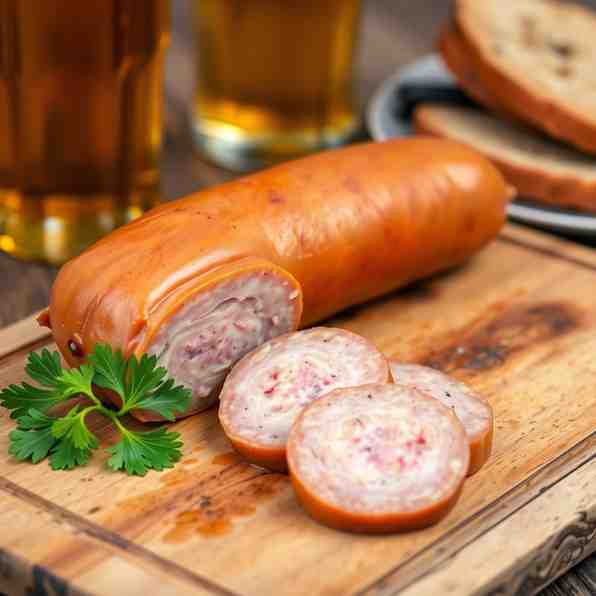
- Serves: 10 People
- Prepare Time: 45 minutes
- Cooking Time: 2 hours (pl
- Calories: -
- Difficulty: Medium
Welcome, fellow food adventurers, to the delicious world of Czech Klobása! If you've ever dreamt of crafting your own smoked sausage recipes or simply want to explore the rich, savory traditions of Central European cuisine, you've come to the right place. Klobása isn't just any pork sausage; it's a staple, a celebration, and a testament to the art of sausage making. Whether you're looking for sausage recipes for dinner, a hearty breakfast sausage, or simply want to impress your friends with homemade goodness, this guide will walk you through every step. Forget bland supermarket offerings – we're diving deep into the authentic flavors that make Czech Klobása a beloved classic. Get ready to transform simple ingredients into a truly unforgettable experience, perfect for beginners and seasoned home cooks alike.
Ingredients
Directions
- Prepare the Meat & Fat: Cut the pork shoulder, beef chuck, and pork fat into 1-inch (2.5 cm) cubes. This size works best for grinding. Place the cubed meat and fat on a baking sheet and put it in the freezer for 30-60 minutes until very cold and firm, but not frozen solid. This helps prevent smearing during grinding, ensuring a better texture.
- Grind the Mixture: Using a meat grinder with a coarse die (e.g., 3/8-inch or 10mm), grind all the chilled meat and fat. If you prefer a finer texture, you can pass a portion through a medium die (e.g., 1/4-inch or 6mm) on a second grind, but traditional klobása often has a coarser texture.
- Seasoning & Mixing: Transfer the ground meat and fat to a large, sturdy mixing bowl. Add the sea salt, black pepper, sweet paprika, smoked paprika, marjoram, crushed caraway seeds (if using), minced garlic, and curing salt (if using). Begin mixing by hand, wearing food-safe gloves. Gradually add the ice-cold water or wine, a little at a time. Mix vigorously for 5-7 minutes until the mixture becomes very sticky and develops a "bind."
- Troubleshooting Tip: The mixture should be cohesive and sticky, not crumbly. If it feels too dry, add a splash more ice water (up to another 1/4 cup) until it achieves that sticky, emulsified texture. If it's too wet, it might be harder to stuff, but generally, a good bind is more important.
- Taste Test (Crucial!): Pinch off a small patty of the sausage mixture (about 1 tablespoon). Cook it in a hot pan until thoroughly browned and cooked through. Taste it and adjust the seasoning if necessary. This is your only chance to get the flavor perfect before stuffing! Add more salt, pepper, or spices as desired, then mix again briefly.
- Prepare Casings: While the mixture chills, rinse your natural hog casings thoroughly under cool running water, both inside and out, to remove any salt. Let them soak in a bowl of cool water for at least 30 minutes to an hour to make them pliable.
- Stuff the Casings: Attach the sausage stuffer attachment to your grinder or use a stand-alone stuffer. Carefully feed one end of a casing onto the stuffing horn, gathering it up like an accordion, leaving about 6 inches of casing hanging off the end. Begin feeding the sausage mixture into the stuffer, ensuring there are no air pockets.
- Troubleshooting Tip: Stuff the casings firmly but not overly tight. You should be able to gently squeeze the sausage without it bursting. If you see large air bubbles, you can prick them with a sterile needle or sausage pricker.
- Link the Sausages: Once the casing is filled, gently squeeze out any excess air and tie off the end. Start forming links by pinching and twisting the sausage at your desired length (typically 6-8 inches). Twist in alternating directions for each link to secure them. Continue until all the mixture is used.
- Rest and Bloom: Hang the sausages in a cool, well-ventilated area (ideally 40-50°F / 4-10°C) for a few hours, or even overnight, if using curing salt. This allows the flavors to meld, the casing to dry slightly, and for the curing salt to work its magic. This "blooming" process helps develop the characteristic color and flavor.
- Cooking Your Klobása:
- Boiling (Traditional Method): Gently simmer the sausages in water or beer at about 160-170°F (71-77°C) for 20-30 minutes, or until an internal temperature of 155°F (68°C) is reached. This cooks them through and makes them ready for grilling or pan-frying.
- Smoking (Optional, for authentic flavor): After boiling, you can cold smoke or hot smoke the klobása. For hot smoking, smoke at 200-225°F (93-107°C) until an internal temperature of 155°F (68°C) is reached, typically 1-2 hours. For cold smoking, after boiling, cool completely and then smoke at temperatures below 80°F (27°C) for several hours (or days, for a truly cured product, but this requires specific knowledge and equipment).
- Grilling/Pan-Frying: Once boiled or smoked, klobása can be grilled over medium heat or pan-fried until beautifully browned and heated through.
You may also like

Hey there! I’m just someone who seriously loves good food and believes that cooking doesn’t have to be complicated to be amazing. Whether it’s a quick weeknight dinner or a cozy weekend meal, I’m all about sharing easy, tasty recipes that actually work.



