
Make Traditional Danish Leverpostej - Easy Beef Liver Pate Recipe
Make Traditional Danish Leverpostej - Easy Beef Liver Pate Recipe
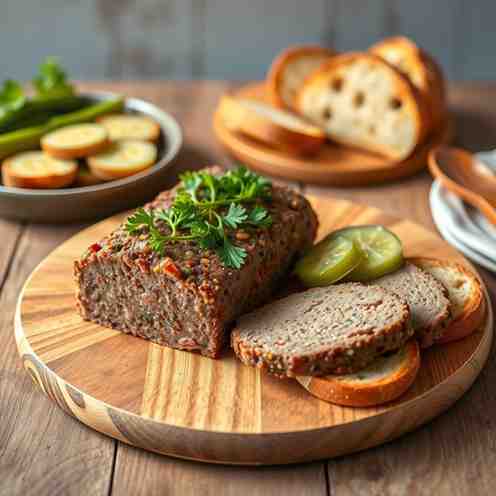
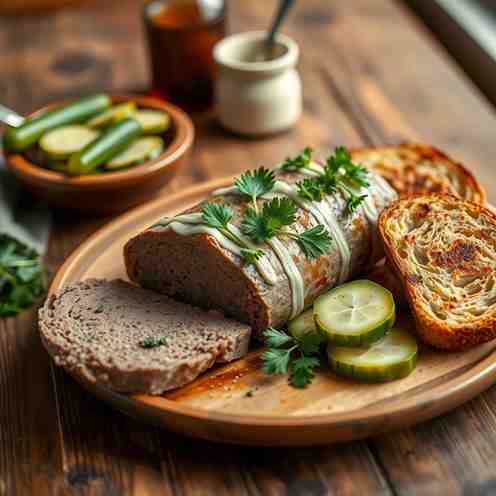
- Serves: 8 People
- Prepare Time: 30 minutes
- Cooking Time: 60 minutes
- Calories: -
- Difficulty: Medium
Welcome to the wonderful world of Danish cuisine! Today, we’re diving into a true Danish classic: Leverpostej. If you've ever wondered how to make traditional Danish beef liver pate at home, you're in the right place. This isn't just any liver pate recipe; it's a taste of Denmark itself, perfect for those iconic open-faced sandwiches called smørrebrød.
Now, we know what you might be thinking: "Liver? That sounds a little intimidating!" But trust us, making your own Leverpostej is much simpler than it seems. This recipe walks you through every single step, making it approachable even for beginners. We're taking classic Danish techniques and adapting them slightly, so you can easily find all the `ingredients for a recipe` right in your local US grocery store. Get ready to impress your taste buds and perhaps even your Danish friends!
Ingredients
Directions
- Grind or Blend the Aromatics and Fat
- If using a meat grinder: Pass the diced bacon (or pork fat) and chopped onion through the coarse die of your grinder.
- If using a food processor: Pulse the bacon (or pork fat) and onion together until they form a fairly smooth paste, but avoid over-processing into a liquid. The texture should be uniform but still have a bit of body.
- Grind the Liver
- Rinse the pork liver under cold water, pat it thoroughly dry with paper towels, and trim away any visible membranes, tubes, or green spots.
- If using a meat grinder: Pass the trimmed liver through the fine die (or coarse die twice) into a large mixing bowl.
- If using a food processor: Cut the liver into 1-inch pieces and pulse until very smooth and pourable, like a thick milkshake.
- Combine the ground liver with the ground bacon/onion mixture in the large bowl.
- Season and Bind the Mixture
- To the liver mixture, add the milk, eggs, flour, salt, pepper, and allspice (or your chosen spice). If using, stir in the optional Worcestershire sauce or anchovy paste now.
- Mix everything together thoroughly with a spatula or your hands until well combined and smooth. The batter should be thick but pourable, similar to a pancake batter. If it seems too thick, you can add another tablespoon of milk.
- Optional taste test: For the careful cook, spoon a tiny amount of the raw mixture into a small pan and cook it quickly to check the seasoning. Adjust salt and pepper as needed.
- Fill Pans and Set Up the Water Bath
- Lightly grease your loaf pan or foil trays.
- Pour the Leverpostej mixture evenly into the prepared pans. Tap the pans gently on the counter a few times to release any trapped air bubbles.
- Place the filled loaf pan(s) into a larger roasting pan.
- Carefully pour hot tap water or kettle water into the roasting pan, ensuring it comes halfway up the sides of your Leverpostej pan(s).
- Common mistakes: Ensure the water level isn't too low (it will evaporate too quickly) or too high (it might splash into your pate).
- Bake and Check Doneness
- Preheat your oven to 350°F (175°C).
- Carefully transfer the roasting pan with the water bath and Leverpostej into the preheated oven.
- Bake for approximately 45-60 minutes. The exact time will depend on your oven and the size of your pans.
- The Leverpostej is done when the internal temperature reaches 160°F (71°C). Non-technical signs include a lightly browned top, sides that pull away slightly from the pan, and a center that feels just set when gently pressed.
- If the top starts browning too quickly, you can loosely tent it with aluminum foil.
- Cool, Slice and Serve
- Once baked, carefully remove the Leverpostej pan(s) from the water bath and let them cool on a wire rack for at least 15-20 minutes before slicing or spreading.
- Leverpostej can be served warm, at room temperature, or chilled. It’s traditionally enjoyed warm on rye bread with a pat of butter and various toppings.
Make Traditional Danish Leverpostej - Easy Beef Liver Pate Recipe
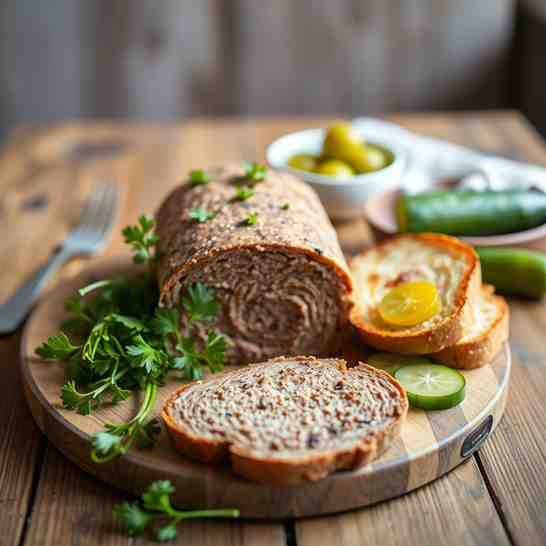
- Serves: 8 People
- Prepare Time: 30 minutes
- Cooking Time: 60 minutes
- Calories: -
- Difficulty: Medium
Welcome to the wonderful world of Danish cuisine! Today, we’re diving into a true Danish classic: Leverpostej. If you've ever wondered how to make traditional Danish beef liver pate at home, you're in the right place. This isn't just any liver pate recipe; it's a taste of Denmark itself, perfect for those iconic open-faced sandwiches called smørrebrød.
Now, we know what you might be thinking: "Liver? That sounds a little intimidating!" But trust us, making your own Leverpostej is much simpler than it seems. This recipe walks you through every single step, making it approachable even for beginners. We're taking classic Danish techniques and adapting them slightly, so you can easily find all the `ingredients for a recipe` right in your local US grocery store. Get ready to impress your taste buds and perhaps even your Danish friends!
Ingredients
Directions
- Grind or Blend the Aromatics and Fat
- If using a meat grinder: Pass the diced bacon (or pork fat) and chopped onion through the coarse die of your grinder.
- If using a food processor: Pulse the bacon (or pork fat) and onion together until they form a fairly smooth paste, but avoid over-processing into a liquid. The texture should be uniform but still have a bit of body.
- Grind the Liver
- Rinse the pork liver under cold water, pat it thoroughly dry with paper towels, and trim away any visible membranes, tubes, or green spots.
- If using a meat grinder: Pass the trimmed liver through the fine die (or coarse die twice) into a large mixing bowl.
- If using a food processor: Cut the liver into 1-inch pieces and pulse until very smooth and pourable, like a thick milkshake.
- Combine the ground liver with the ground bacon/onion mixture in the large bowl.
- Season and Bind the Mixture
- To the liver mixture, add the milk, eggs, flour, salt, pepper, and allspice (or your chosen spice). If using, stir in the optional Worcestershire sauce or anchovy paste now.
- Mix everything together thoroughly with a spatula or your hands until well combined and smooth. The batter should be thick but pourable, similar to a pancake batter. If it seems too thick, you can add another tablespoon of milk.
- Optional taste test: For the careful cook, spoon a tiny amount of the raw mixture into a small pan and cook it quickly to check the seasoning. Adjust salt and pepper as needed.
- Fill Pans and Set Up the Water Bath
- Lightly grease your loaf pan or foil trays.
- Pour the Leverpostej mixture evenly into the prepared pans. Tap the pans gently on the counter a few times to release any trapped air bubbles.
- Place the filled loaf pan(s) into a larger roasting pan.
- Carefully pour hot tap water or kettle water into the roasting pan, ensuring it comes halfway up the sides of your Leverpostej pan(s).
- Common mistakes: Ensure the water level isn't too low (it will evaporate too quickly) or too high (it might splash into your pate).
- Bake and Check Doneness
- Preheat your oven to 350°F (175°C).
- Carefully transfer the roasting pan with the water bath and Leverpostej into the preheated oven.
- Bake for approximately 45-60 minutes. The exact time will depend on your oven and the size of your pans.
- The Leverpostej is done when the internal temperature reaches 160°F (71°C). Non-technical signs include a lightly browned top, sides that pull away slightly from the pan, and a center that feels just set when gently pressed.
- If the top starts browning too quickly, you can loosely tent it with aluminum foil.
- Cool, Slice and Serve
- Once baked, carefully remove the Leverpostej pan(s) from the water bath and let them cool on a wire rack for at least 15-20 minutes before slicing or spreading.
- Leverpostej can be served warm, at room temperature, or chilled. It’s traditionally enjoyed warm on rye bread with a pat of butter and various toppings.
You may also like

Hey there! I’m just someone who seriously loves good food and believes that cooking doesn’t have to be complicated to be amazing. Whether it’s a quick weeknight dinner or a cozy weekend meal, I’m all about sharing easy, tasty recipes that actually work.



