Khlia's Flavor - Using Extra Virgin Olive Oil
Khlia's Flavor - Using Extra Virgin Olive Oil
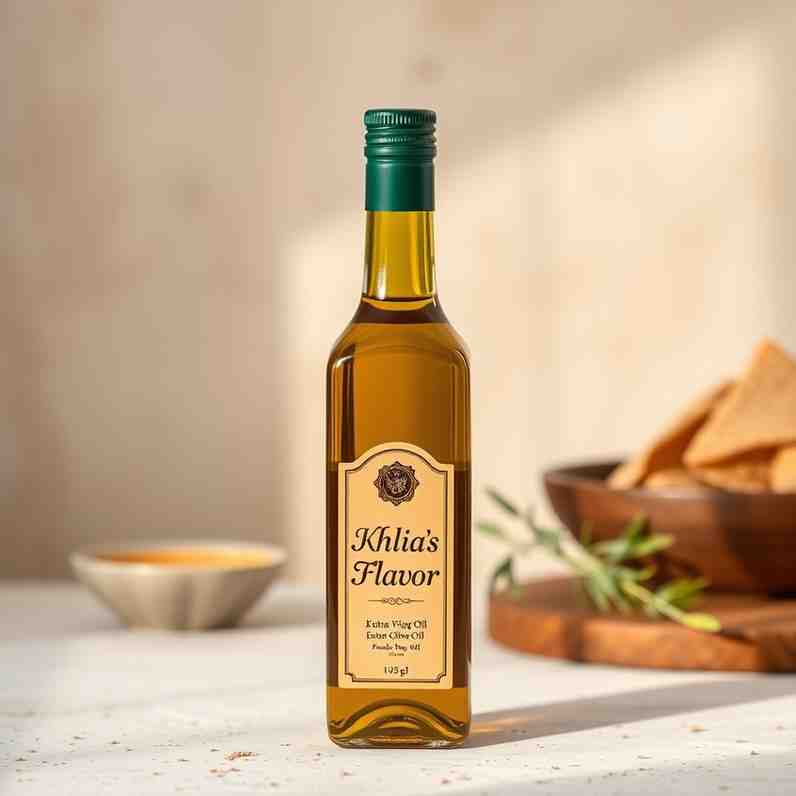
- Serves: 8 People
- Prepare Time: 30 minutes
- Cooking Time: 3-4 hours
- Calories: -
- Difficulty: Medium
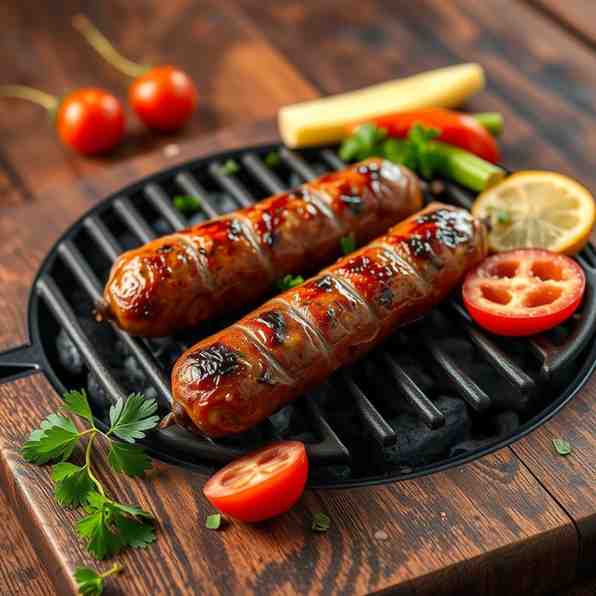
Welcome, food adventurers! Ever wondered how people preserved meat before refrigerators? In Morocco, they perfected an incredible technique resulting in a culinary treasure called Khlia (or Khlii/Khlea). This isn't just any preserved meat; it's a rich, flavorful confit, steeped in history and tradition, that brings a unique depth to countless dishes. Imagine tender, seasoned meat slow-cooked and then lovingly preserved in its own fat, often enhanced by the golden touch of using extra virgin olive oil.
Khlii is more than just a recipe; it's a testament to Moroccan culinary ingenuity, born out of necessity and evolving into a beloved staple. It's unique because it takes humble ingredients and transforms them into a versatile, long-lasting delicacy. Whether you're a seasoned chef or just starting your culinary journey, learning to make Khlia is a rewarding experience that connects you to centuries of flavor. We'll show you exactly how to achieve this delicious preserved delight, focusing on the best techniques, especially when it comes to using extra virgin olive oil to elevate both flavor and preservation. Get ready to discover a taste of Morocco!
Ingredients
Directions
- Marinate the Meat with Spices
- Cut the beef or lamb into small, roughly 1-inch cubes.
- In a large bowl, combine the meat, chopped fat (if using trimmings), water, vinegar, salt, cumin, coriander, paprika, turmeric, cayenne (if using), and minced garlic.
- Mix everything thoroughly, ensuring all the meat and fat pieces are well coated with the spice mixture. This is where the flavors really start to meld.
- Cover the bowl and refrigerate for at least 6 hours, or ideally overnight. This marinating time is crucial for the meat to absorb all those wonderful Moroccan flavors.
- Slow-Cook the Meat Until It Reaches the Right Consistency
- Transfer the marinated meat and fat mixture to a large, heavy-bottomed pot or Dutch oven.
- Add about 1/4 cup of the `extra virgin olive oil` to the pot. If you're cautious about `high heat olive oil` for initial searing, you can use a regular olive oil here, but for authentic flavor, a good quality EVOO is preferred even at moderate heat.
- Bring the mixture to a simmer over medium heat. Once simmering, reduce the heat to low, cover, and let it cook slowly for 2-3 hours. Stir occasionally to prevent sticking.
- During this phase, the meat will become incredibly tender, and the fat will slowly render. The liquid will evaporate, leaving behind the tender meat and rendered fat.
- Once the liquid has mostly evaporated and the meat is fork-tender, uncover the pot. Increase the heat slightly and continue to cook, stirring frequently, for another 30-60 minutes. The goal here is to evaporate any remaining moisture and allow the meat to gently "fry" in its own rendered fat. You'll see the fat become clear, and the meat will start to brown slightly and crisp up at the edges. This is a key step for both flavor and long-term preservation. You might notice a `tsp of olive oil` or two of the fat separating – that’s exactly what you want!
- How to Preserve and Store the Dish for Long-Term Use
- Once the meat is perfectly cooked and the fat is clear and golden, remove the pot from the heat.
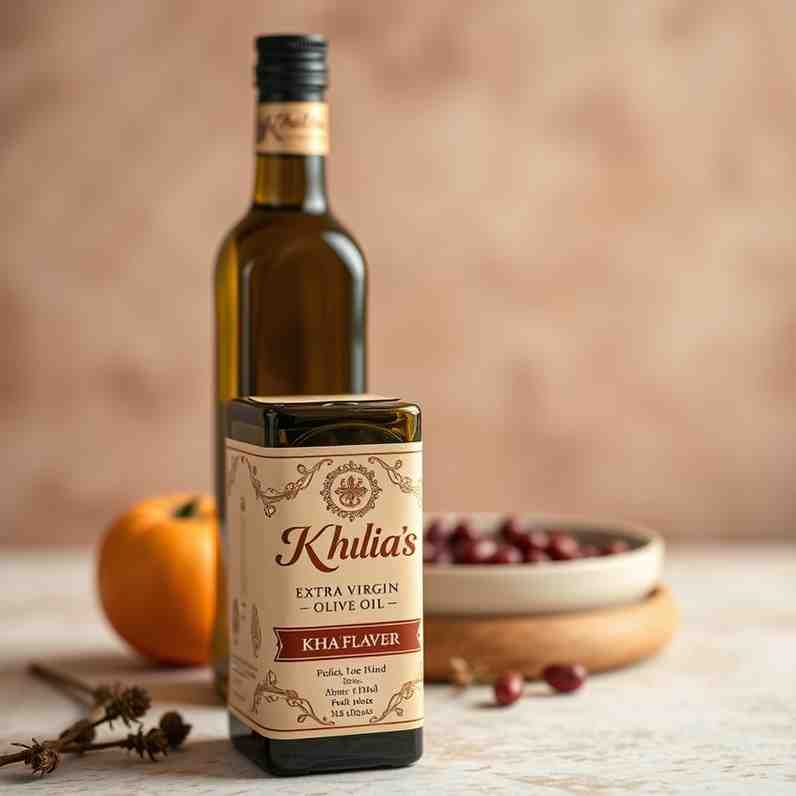
- Now, it's time to add the remaining `extra virgin olive oil`. Pour in the remaining 3/4 cup of `fresh extra virgin olive oil`. Stir it gently to combine with the rendered animal fat. This final addition of `extra virgin olive oil` is vital. It not only adds a beautiful, rich flavor but also helps create a protective seal around the meat, which is crucial for preservation. For the best result, choose a high-quality `moroccan extra virgin olive oil` here.
- Carefully ladle the hot Khlia (meat and fat mixture) into clean, sterilized glass jars. Make sure the meat is fully submerged in the fat. The fat acts as a natural sealant, preventing air from reaching the meat and thus preserving it.
- Allow the jars to cool completely at room temperature before sealing them tightly. As the Khlia cools, the fat will solidify, creating a solid cap over the meat. This is the traditional way to `store olive oil` and Khlia for long-term use.
Khlia's Flavor - Using Extra Virgin Olive Oil
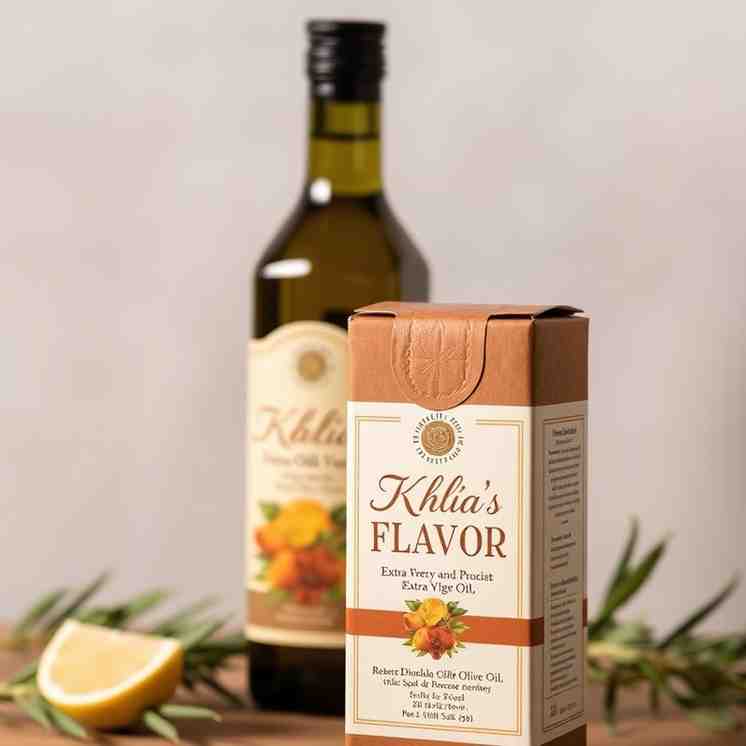
- Serves: 8 People
- Prepare Time: 30 minutes
- Cooking Time: 3-4 hours
- Calories: -
- Difficulty: Medium
Welcome, food adventurers! Ever wondered how people preserved meat before refrigerators? In Morocco, they perfected an incredible technique resulting in a culinary treasure called Khlia (or Khlii/Khlea). This isn't just any preserved meat; it's a rich, flavorful confit, steeped in history and tradition, that brings a unique depth to countless dishes. Imagine tender, seasoned meat slow-cooked and then lovingly preserved in its own fat, often enhanced by the golden touch of using extra virgin olive oil.
Khlii is more than just a recipe; it's a testament to Moroccan culinary ingenuity, born out of necessity and evolving into a beloved staple. It's unique because it takes humble ingredients and transforms them into a versatile, long-lasting delicacy. Whether you're a seasoned chef or just starting your culinary journey, learning to make Khlia is a rewarding experience that connects you to centuries of flavor. We'll show you exactly how to achieve this delicious preserved delight, focusing on the best techniques, especially when it comes to using extra virgin olive oil to elevate both flavor and preservation. Get ready to discover a taste of Morocco!
Ingredients
Directions
- Marinate the Meat with Spices
- Cut the beef or lamb into small, roughly 1-inch cubes.
- In a large bowl, combine the meat, chopped fat (if using trimmings), water, vinegar, salt, cumin, coriander, paprika, turmeric, cayenne (if using), and minced garlic.
- Mix everything thoroughly, ensuring all the meat and fat pieces are well coated with the spice mixture. This is where the flavors really start to meld.
- Cover the bowl and refrigerate for at least 6 hours, or ideally overnight. This marinating time is crucial for the meat to absorb all those wonderful Moroccan flavors.
- Slow-Cook the Meat Until It Reaches the Right Consistency
- Transfer the marinated meat and fat mixture to a large, heavy-bottomed pot or Dutch oven.
- Add about 1/4 cup of the `extra virgin olive oil` to the pot. If you're cautious about `high heat olive oil` for initial searing, you can use a regular olive oil here, but for authentic flavor, a good quality EVOO is preferred even at moderate heat.
- Bring the mixture to a simmer over medium heat. Once simmering, reduce the heat to low, cover, and let it cook slowly for 2-3 hours. Stir occasionally to prevent sticking.
- During this phase, the meat will become incredibly tender, and the fat will slowly render. The liquid will evaporate, leaving behind the tender meat and rendered fat.
- Once the liquid has mostly evaporated and the meat is fork-tender, uncover the pot. Increase the heat slightly and continue to cook, stirring frequently, for another 30-60 minutes. The goal here is to evaporate any remaining moisture and allow the meat to gently "fry" in its own rendered fat. You'll see the fat become clear, and the meat will start to brown slightly and crisp up at the edges. This is a key step for both flavor and long-term preservation. You might notice a `tsp of olive oil` or two of the fat separating – that’s exactly what you want!
- How to Preserve and Store the Dish for Long-Term Use
- Once the meat is perfectly cooked and the fat is clear and golden, remove the pot from the heat.
- Now, it's time to add the remaining `extra virgin olive oil`. Pour in the remaining 3/4 cup of `fresh extra virgin olive oil`. Stir it gently to combine with the rendered animal fat. This final addition of `extra virgin olive oil` is vital. It not only adds a beautiful, rich flavor but also helps create a protective seal around the meat, which is crucial for preservation. For the best result, choose a high-quality `moroccan extra virgin olive oil` here.
- Carefully ladle the hot Khlia (meat and fat mixture) into clean, sterilized glass jars. Make sure the meat is fully submerged in the fat. The fat acts as a natural sealant, preventing air from reaching the meat and thus preserving it.
- Allow the jars to cool completely at room temperature before sealing them tightly. As the Khlia cools, the fat will solidify, creating a solid cap over the meat. This is the traditional way to `store olive oil` and Khlia for long-term use.
You may also like

Hey there! I’m just someone who seriously loves good food and believes that cooking doesn’t have to be complicated to be amazing. Whether it’s a quick weeknight dinner or a cozy weekend meal, I’m all about sharing easy, tasty recipes that actually work.