
Make Cream Cheese at Home - Easy Powdered Milk Recipe
Make Cream Cheese at Home - Easy Powdered Milk Recipe
- Serves: 1 People
- Prepare Time: 15 minutes
- Cooking Time: 0 minutes
- Calories: -
- Difficulty: Easy
Ever dreamt of making your own delicious, spreadable cream cheese right in your kitchen? Well, get ready to turn that dream into a reality! We're diving into the wonderfully simple cheese making process of creating a smooth, tangy, and incredibly satisfying homemade cream cheese-style spread, and guess what? We're doing it with powdered milk! This method is a game-changer, especially when fresh milk is scarce or you just want to keep things pantry-friendly. You'll be amazed at how easily you can transform simple ingredients into a creamy delight that's perfect for bagels, dips, or even as a base for frosting. Get ready for a project that’s easy, fun, and yields a truly rewarding result: your very own customizable, tangy, and creamy homemade cream cheese!
Total Time: 15 minutes active + 24-48 hours hands-off
Yield: ~1.5 cups (12 oz)
Texture Goal: Easily customizable from a soft, spreadable dip to a thicker, pipeable cream cheese.
Best Uses: Smear on bagels, create savory dips, use as a base for frostings, or even for a simplified cheesecake.
Ingredients
Directions
- Reconstitute the MilkIn a large jar or bowl, combine the powdered milk and warm water. Whisk or stir vigorously until the powdered milk is fully dissolved and the mixture is completely smooth. Ensure there are no dry pockets or grittiness.
- Visual Checkpoint: The mixture should look and feel like regular liquid milk, not foamy or grainy.
- Inoculate (Add the Culture)Gently stir the cultured buttermilk into your reconstituted milk. Be careful not to overmix, just enough to combine thoroughly. Loosely cover the jar or bowl with a lid, plastic wrap, or a clean cloth. This allows for some airflow while protecting the mixture.
- Ferment Until ThickLeave the covered mixture at a comfortable room temperature (ideally between 68-75°F / 20-24°C) for 18-36 hours. The exact time will depend on your room temperature and the activity of your buttermilk culture. During this time, the cultures will work their magic, thickening the milk.
- Visual Checkpoint: The mixture should transform into a thick, yogurt-like consistency. It should smell pleasantly tangy, similar to yogurt or sour cream, not "funky" or off.
- Drain to Cream-Cheese TextureOnce thickened, set up your draining station: place a fine-mesh strainer over a larger bowl. Line the strainer with a double layer of cheesecloth, a few coffee filters, or a clean, thin cotton towel. Carefully pour the thickened milk mixture into the lined strainer. Place the entire setup in the refrigerator to drain.
- Drain-Time Guidance:
- 6-12 hours: For a softer, spreadable consistency, perfect for dips or a lighter bagel spread.
- 12-24 hours: For a thicker, more traditional cream cheese texture that's great for spreading on bagels or using in recipes.
- 24-48 hours: For a very firm, pipeable cream cheese, similar to mascarpone, ideal for frostings or cheesecakes.
- Visual Checkpoint: As it drains, you'll see a clear or yellowish liquid (whey) collecting in the bowl below, and the solids (curds) in the strainer will become firmer and hold together.
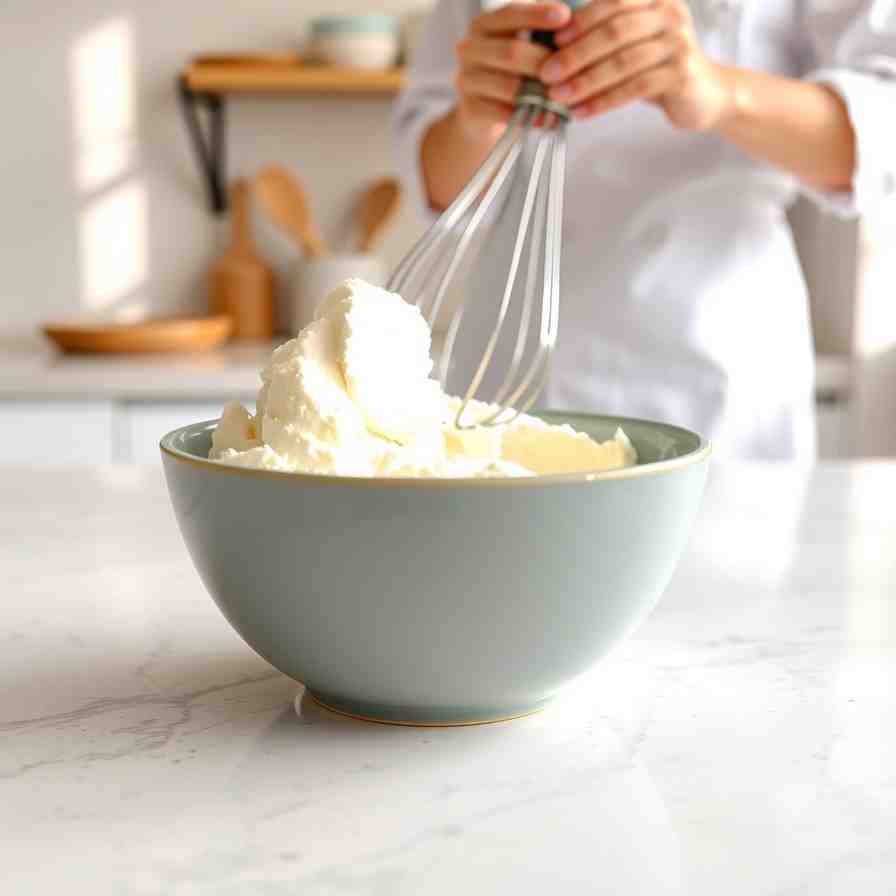
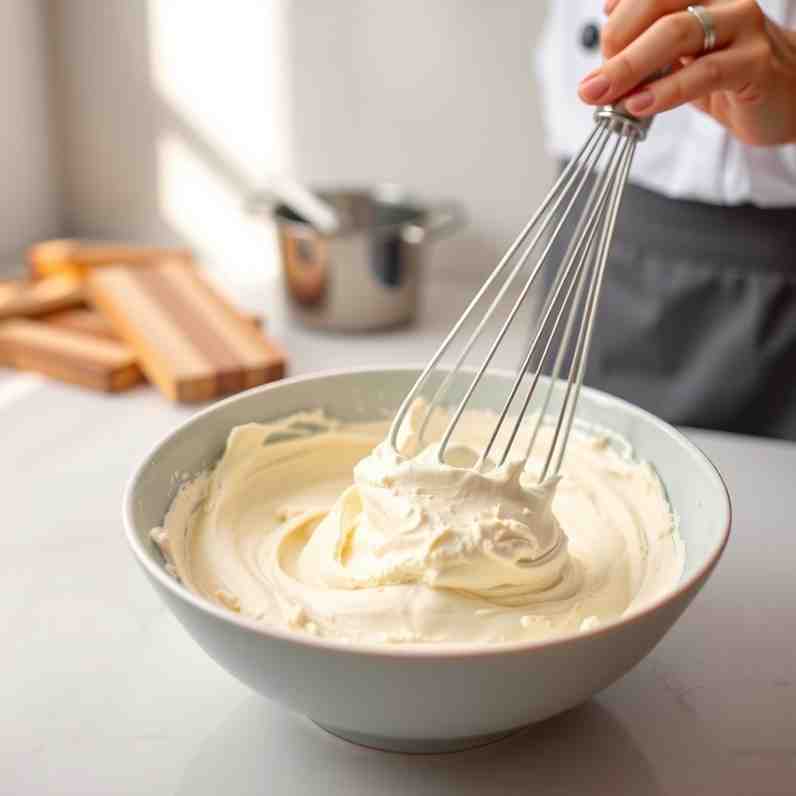
- Salt + Whip SmoothOnce your cream cheese has reached your desired consistency, transfer the curds from the cheesecloth to a bowl. Add the salt and any optional add-ins. Using a spoon, whisk, hand mixer, or blender, stir or whip the cream cheese until it's smooth and creamy.
- How to Adjust:
- Too Thick? If your cream cheese is too firm, stir in a teaspoon or two of the reserved whey until it reaches your preferred consistency.
- Too Thin? If it's still too soft, return it to the strainer and drain for a few more hours in the fridge.
Make Cream Cheese at Home - Easy Powdered Milk Recipe
- Serves: 1 People
- Prepare Time: 15 minutes
- Cooking Time: 0 minutes
- Calories: -
- Difficulty: Easy
Ever dreamt of making your own delicious, spreadable cream cheese right in your kitchen? Well, get ready to turn that dream into a reality! We're diving into the wonderfully simple cheese making process of creating a smooth, tangy, and incredibly satisfying homemade cream cheese-style spread, and guess what? We're doing it with powdered milk! This method is a game-changer, especially when fresh milk is scarce or you just want to keep things pantry-friendly. You'll be amazed at how easily you can transform simple ingredients into a creamy delight that's perfect for bagels, dips, or even as a base for frosting. Get ready for a project that’s easy, fun, and yields a truly rewarding result: your very own customizable, tangy, and creamy homemade cream cheese!
Total Time: 15 minutes active + 24-48 hours hands-off
Yield: ~1.5 cups (12 oz)
Texture Goal: Easily customizable from a soft, spreadable dip to a thicker, pipeable cream cheese.
Best Uses: Smear on bagels, create savory dips, use as a base for frostings, or even for a simplified cheesecake.
Ingredients
Directions
- Reconstitute the MilkIn a large jar or bowl, combine the powdered milk and warm water. Whisk or stir vigorously until the powdered milk is fully dissolved and the mixture is completely smooth. Ensure there are no dry pockets or grittiness.
- Visual Checkpoint: The mixture should look and feel like regular liquid milk, not foamy or grainy.
- Inoculate (Add the Culture)Gently stir the cultured buttermilk into your reconstituted milk. Be careful not to overmix, just enough to combine thoroughly. Loosely cover the jar or bowl with a lid, plastic wrap, or a clean cloth. This allows for some airflow while protecting the mixture.
- Ferment Until ThickLeave the covered mixture at a comfortable room temperature (ideally between 68-75°F / 20-24°C) for 18-36 hours. The exact time will depend on your room temperature and the activity of your buttermilk culture. During this time, the cultures will work their magic, thickening the milk.
- Visual Checkpoint: The mixture should transform into a thick, yogurt-like consistency. It should smell pleasantly tangy, similar to yogurt or sour cream, not "funky" or off.
- Drain to Cream-Cheese TextureOnce thickened, set up your draining station: place a fine-mesh strainer over a larger bowl. Line the strainer with a double layer of cheesecloth, a few coffee filters, or a clean, thin cotton towel. Carefully pour the thickened milk mixture into the lined strainer. Place the entire setup in the refrigerator to drain.
- Drain-Time Guidance:
- 6-12 hours: For a softer, spreadable consistency, perfect for dips or a lighter bagel spread.
- 12-24 hours: For a thicker, more traditional cream cheese texture that's great for spreading on bagels or using in recipes.
- 24-48 hours: For a very firm, pipeable cream cheese, similar to mascarpone, ideal for frostings or cheesecakes.
- Visual Checkpoint: As it drains, you'll see a clear or yellowish liquid (whey) collecting in the bowl below, and the solids (curds) in the strainer will become firmer and hold together.
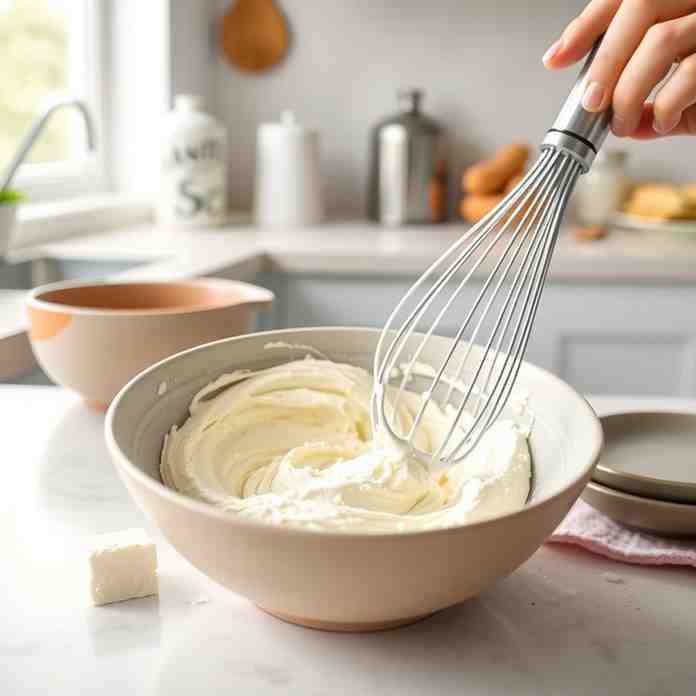
- Salt + Whip SmoothOnce your cream cheese has reached your desired consistency, transfer the curds from the cheesecloth to a bowl. Add the salt and any optional add-ins. Using a spoon, whisk, hand mixer, or blender, stir or whip the cream cheese until it's smooth and creamy.
- How to Adjust:
- Too Thick? If your cream cheese is too firm, stir in a teaspoon or two of the reserved whey until it reaches your preferred consistency.
- Too Thin? If it's still too soft, return it to the strainer and drain for a few more hours in the fridge.
You may also like



Hey there! I’m just someone who seriously loves good food and believes that cooking doesn’t have to be complicated to be amazing. Whether it’s a quick weeknight dinner or a cozy weekend meal, I’m all about sharing easy, tasty recipes that actually work.