Ensalada de Pacaya - Best Vegetable Salad Recipe
Ensalada de Pacaya - Best Vegetable Salad Recipe
- Serves: 4 People
- Prepare Time: 25 minutes
- Cooking Time: 7 minutes
- Calories: -
- Difficulty: Easy
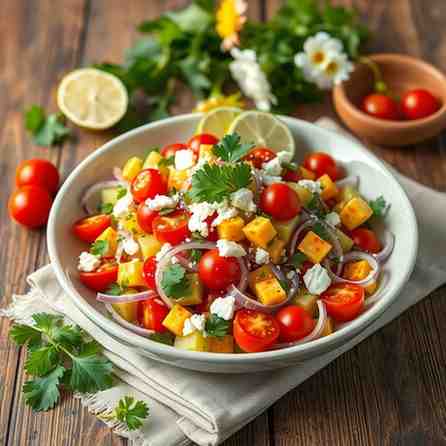
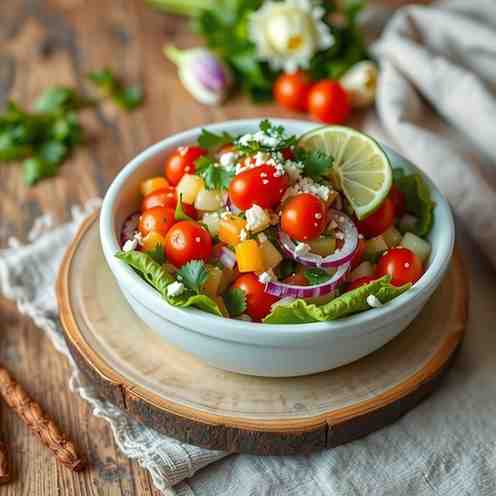
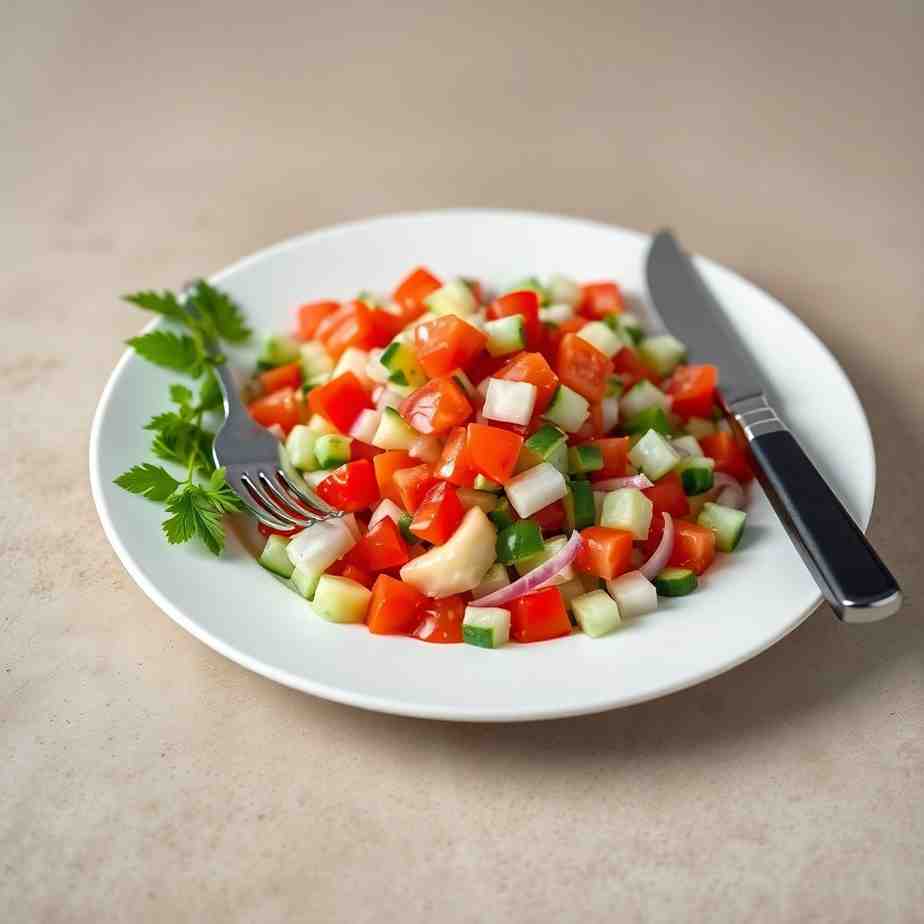
Ready for a taste of sunshine and tradition? El Salvador's Ensalada de Pacaya is truly the best vegetable salad recipe you might not have tried yet! This vibrant, fresh, and lightly bitter-green salad is a staple in Central American cuisine, offering a unique flavor profile that’s both refreshing and utterly delicious. Whether you're looking for a simple fresh salad for a light lunch, a healthy side dish to accompany grilled meats, or one of those easy salad recipes that impresses a crowd, this classic salad recipe delivers. It’s perfect for both beginners and experienced cooks, proving that the best ingredients for a salad don't have to be complicated to create an amazing salad recipe. Let's dive into making this delightful, healthy, and incredibly simple salad recipe that will quickly become one of your favorite fresh vegetable salad options!
Pacaya (pronounced pah-KAH-yah) is the unopened flower bud of the pacaya palm tree, native to Central and South America. In plain English, think of it like an edible, tender, slightly bitter vegetable "flower" that's a bit like a cross between a tender artichoke heart and a green bean, with a unique, earthy bitterness. This bitterness is prized in many dishes and is often mellowed by blanching. Pacaya is a beloved ingredient in countries like El Salvador, Guatemala, and Mexico, commonly enjoyed in salads, pickled, or battered and fried with eggs (known as envueltos de pacaya).
Finding fresh pacaya can be a bit of a treasure hunt outside of Central America, but it's increasingly available! In the US, look for fresh pacaya at Latin American markets, specialty grocery stores, or farmers' markets that cater to diverse communities. You'll often find it sold in bundles.
When shopping, look for:
Color: Bright green and vibrant. Avoid any with yellowing or brown spots.
Smell: Should smell fresh and slightly earthy, not sour or off.
Firmness: The buds should be firm to the touch, not soft or mushy.
Pacaya is also commonly sold preserved in brine (canned or jarred) in many Latin markets, which is a convenient option if fresh isn't available.
Prepping pacaya is key to enjoying its unique flavor and texture. Don't skip these steps!
1. Trim and Peel: Pacaya has a slightly tough outer layer. Carefully trim off the very bottom of the stem. Then, peel away the outermost layers of the bud, similar to how you might peel the outer leaves of a leek or artichoke, until you reach the more tender, pale green inner parts. You'll see visual cues – the tougher parts will look fibrous.
2. Blanching Game Plan: Blanching is essential to reduce the natural bitterness of pacaya and tenderize it perfectly.
Bring a pot of salted water to a rolling boil.
Add the cleaned and trimmed pacaya.
Blanch for 5-7 minutes. The goal is "tender but not mushy." It should still have a slight bite.
3. Cooling & Draining: Immediately after blanching, drain the pacaya and plunge it into an ice bath (a bowl of ice water). This stops the cooking process and helps preserve its vibrant green color. Once cooled, drain thoroughly and gently squeeze out any excess water. This step is crucial to prevent your salad from becoming watery.
4. Taste Check: Before adding it to the salad, taste a small piece of the blanched pacaya. This allows you to gauge its bitterness and texture, ensuring it's exactly how you like it. If you find it too bitter, you can blanch it for another minute or two, or soak it in fresh water for 15-20 minutes after cooling.
Ingredients
Directions
- Prep + Blanch the Pacaya
- Clean the Pacaya: Trim the very bottom of the pacaya stems and peel away the tough outer layers until you reach the tender, pale green inner buds.
- Blanch: Bring a medium pot of salted water to a rolling boil. Add the prepped pacaya and blanch for 5-7 minutes, or until tender but still holding its shape and having a slight bite. It should not be mushy.
- Chill: Immediately drain the blanched pacaya and transfer it to an ice bath to stop the cooking process. Once completely cooled, drain thoroughly and gently squeeze out any excess water. Chop the pacaya into bite-sized pieces.
- Chop the Veg + Mix
- Slice Onion: Slice the red onion very thinly. For a milder flavor, you can soak the sliced onion in cold water for 10 minutes, then drain well.
- Dice Tomato: Dice the tomatoes. To prevent the salad from becoming soupy, you can gently remove some of the excess seeds and watery pulp before dicing, but it’s not strictly necessary if you prefer a juicier salad.
- Combine: In a large mixing bowl, combine the chopped pacaya, diced tomatoes, thinly sliced red onion, and chopped cilantro (if using).
- Whisk the Dressing
- In a small bowl, whisk together the fresh lime juice, extra virgin olive oil, salt, and black pepper.
- Balance Flavors: Taste the dressing. If the lime is very tart, add a tiny pinch of sugar or honey to balance the acidity, but don't make it sweet. Adjust salt and pepper to your preference
- .Toss + Rest (Briefly)
- Dress the Salad: Pour the prepared dressing over the vegetables in the large mixing bowl.
- Toss Gently: Toss everything gently until all the ingredients are evenly coated with the dressing.
- Rest: Let the salad rest for 10-15 minutes before serving. This brief rest window allows the flavors to meld together beautifully and the vegetables to slightly absorb the dressing, enhancing the overall taste.
Ensalada de Pacaya - Best Vegetable Salad Recipe
- Serves: 4 People
- Prepare Time: 25 minutes
- Cooking Time: 7 minutes
- Calories: -
- Difficulty: Easy
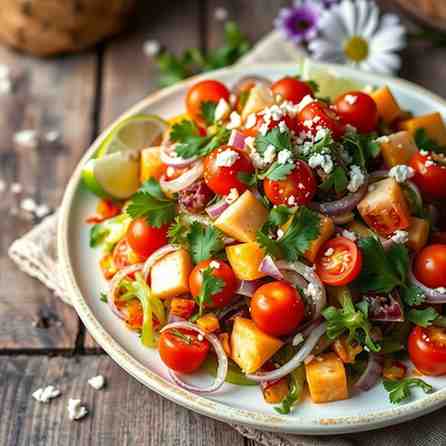
Ready for a taste of sunshine and tradition? El Salvador's Ensalada de Pacaya is truly the best vegetable salad recipe you might not have tried yet! This vibrant, fresh, and lightly bitter-green salad is a staple in Central American cuisine, offering a unique flavor profile that’s both refreshing and utterly delicious. Whether you're looking for a simple fresh salad for a light lunch, a healthy side dish to accompany grilled meats, or one of those easy salad recipes that impresses a crowd, this classic salad recipe delivers. It’s perfect for both beginners and experienced cooks, proving that the best ingredients for a salad don't have to be complicated to create an amazing salad recipe. Let's dive into making this delightful, healthy, and incredibly simple salad recipe that will quickly become one of your favorite fresh vegetable salad options!
Pacaya (pronounced pah-KAH-yah) is the unopened flower bud of the pacaya palm tree, native to Central and South America. In plain English, think of it like an edible, tender, slightly bitter vegetable "flower" that's a bit like a cross between a tender artichoke heart and a green bean, with a unique, earthy bitterness. This bitterness is prized in many dishes and is often mellowed by blanching. Pacaya is a beloved ingredient in countries like El Salvador, Guatemala, and Mexico, commonly enjoyed in salads, pickled, or battered and fried with eggs (known as envueltos de pacaya).
Finding fresh pacaya can be a bit of a treasure hunt outside of Central America, but it's increasingly available! In the US, look for fresh pacaya at Latin American markets, specialty grocery stores, or farmers' markets that cater to diverse communities. You'll often find it sold in bundles.
When shopping, look for:
Color: Bright green and vibrant. Avoid any with yellowing or brown spots.
Smell: Should smell fresh and slightly earthy, not sour or off.
Firmness: The buds should be firm to the touch, not soft or mushy.
Pacaya is also commonly sold preserved in brine (canned or jarred) in many Latin markets, which is a convenient option if fresh isn't available.
Prepping pacaya is key to enjoying its unique flavor and texture. Don't skip these steps!
1. Trim and Peel: Pacaya has a slightly tough outer layer. Carefully trim off the very bottom of the stem. Then, peel away the outermost layers of the bud, similar to how you might peel the outer leaves of a leek or artichoke, until you reach the more tender, pale green inner parts. You'll see visual cues – the tougher parts will look fibrous.
2. Blanching Game Plan: Blanching is essential to reduce the natural bitterness of pacaya and tenderize it perfectly.
Bring a pot of salted water to a rolling boil.
Add the cleaned and trimmed pacaya.
Blanch for 5-7 minutes. The goal is "tender but not mushy." It should still have a slight bite.
3. Cooling & Draining: Immediately after blanching, drain the pacaya and plunge it into an ice bath (a bowl of ice water). This stops the cooking process and helps preserve its vibrant green color. Once cooled, drain thoroughly and gently squeeze out any excess water. This step is crucial to prevent your salad from becoming watery.
4. Taste Check: Before adding it to the salad, taste a small piece of the blanched pacaya. This allows you to gauge its bitterness and texture, ensuring it's exactly how you like it. If you find it too bitter, you can blanch it for another minute or two, or soak it in fresh water for 15-20 minutes after cooling.
Ingredients
Directions
- Prep + Blanch the Pacaya
- Clean the Pacaya: Trim the very bottom of the pacaya stems and peel away the tough outer layers until you reach the tender, pale green inner buds.
- Blanch: Bring a medium pot of salted water to a rolling boil. Add the prepped pacaya and blanch for 5-7 minutes, or until tender but still holding its shape and having a slight bite. It should not be mushy.
- Chill: Immediately drain the blanched pacaya and transfer it to an ice bath to stop the cooking process. Once completely cooled, drain thoroughly and gently squeeze out any excess water. Chop the pacaya into bite-sized pieces.
- Chop the Veg + Mix
- Slice Onion: Slice the red onion very thinly. For a milder flavor, you can soak the sliced onion in cold water for 10 minutes, then drain well.
- Dice Tomato: Dice the tomatoes. To prevent the salad from becoming soupy, you can gently remove some of the excess seeds and watery pulp before dicing, but it’s not strictly necessary if you prefer a juicier salad.
- Combine: In a large mixing bowl, combine the chopped pacaya, diced tomatoes, thinly sliced red onion, and chopped cilantro (if using).
- Whisk the Dressing
- In a small bowl, whisk together the fresh lime juice, extra virgin olive oil, salt, and black pepper.
- Balance Flavors: Taste the dressing. If the lime is very tart, add a tiny pinch of sugar or honey to balance the acidity, but don't make it sweet. Adjust salt and pepper to your preference
- .Toss + Rest (Briefly)
- Dress the Salad: Pour the prepared dressing over the vegetables in the large mixing bowl.
- Toss Gently: Toss everything gently until all the ingredients are evenly coated with the dressing.
- Rest: Let the salad rest for 10-15 minutes before serving. This brief rest window allows the flavors to meld together beautifully and the vegetables to slightly absorb the dressing, enhancing the overall taste.
You may also like


Hey there! I’m just someone who seriously loves good food and believes that cooking doesn’t have to be complicated to be amazing. Whether it’s a quick weeknight dinner or a cozy weekend meal, I’m all about sharing easy, tasty recipes that actually work.