
Estonian Seapraad - Classic Pork Roast with Sauerkraut Recipe
Estonian Seapraad - Classic Pork Roast with Sauerkraut Recipe


- Serves: 6 People
- Prepare Time: 20 minutes
- Cooking Time: 2 hours 30
- Calories: -
- Difficulty: Medium
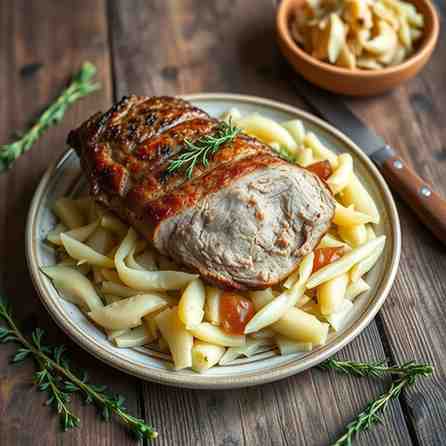
Craving a hearty, comforting meal that’s packed with flavor and easy to make? Look no further than Estonian Seapraad! This traditional pork roast with sauerkraut is a beloved staple in Estonia, cherished for its rich, savory taste and incredibly tender meat. Imagine succulent pork, slow-roasted until it practically melts in your mouth, infused with a hint of mustard and garlic, all nestled amongst perfectly mellowed sauerkraut. It’s the ultimate comfort food, especially as the days get shorter.
This recipe is designed to bring that authentic taste right into your US kitchen with minimal fuss. We promise one roast, one pan, and a big comfort-food payoff that’s perfect for family dinners or a cozy weekend meal. Best of all, we'll guide you through making this incredible food for pork dish gluten-free friendly and dairy-free friendly, ensuring everyone can enjoy a slice of Estonian culinary heritage. Get ready to add this amazing meat dishes recipe to your repertoire!
Dietary Notes: This recipe is naturally gluten-free friendly and dairy-free friendly! Just be sure to check your broth and mustard labels for any hidden gluten or dairy additives. We'll cover specific watch-outs in the "Pro Tips" section.
At its heart, "Seapraad" simply means "roast pork" in Estonian. But it's so much more than just a piece of meat! It’s a cherished, traditional Estonian roast pork dish, most often served with tender, flavorful sauerkraut and potatoes. While it’s delicious any time of year, Estonians traditionally bring out Seapraad for special occasions, holidays, and warm family gatherings, making it a symbol of hospitality and comfort. The tradition of serving pork with sauerkraut is deeply embedded in the country's culinary roots, offering a robust and satisfying meal that truly sticks to your ribs.
This Seapraad recipe isn't just about ingredients; it's about smart cooking techniques that guarantee a delicious outcome every time. Here's the method logic behind why it works so well:
Keeping Pork Juicy: We start with a good cut of pork, ideally with a fat cap (which renders down, basting the meat). Roasting it covered for the initial phase locks in moisture, preventing it from drying out. Crucially, a proper resting period after cooking allows the juices to redistribute, ensuring every slice is incredibly tender and succulent.
Sauerkraut's Magic Transformation: The sauerkraut isn't just a side dish here; it's an integral part of the roasting process. By cooking it beneath the pork, it slowly mellows, losing its sharp tang and absorbing all the delicious pork juices. It transforms into a tender, flavorful, built-in side dish that perfectly complements the rich meat.
Deep, Satisfying Flavor: The core flavors come from a simple but powerful combination of mustard and garlic, which create a savory crust on the pork. For an authentic Estonian "vibe," optional additions like caraway seeds and juniper berries add a subtle, aromatic depth that elevates the dish without overpowering it.
Ingredients
Directions
- Prep the Pork: Pat the pork roast thoroughly dry with paper towels. This helps create a better crust. In a small bowl, mix the salt, pepper, mustard, and minced garlic to form a paste. Rub this mixture all over the pork roast, ensuring it’s well coated. If using optional caraway and juniper, sprinkle them over the pork now.
- Prep the Sauerkraut Bed: Taste your sauerkraut. If it's very sour or salty, rinse it lightly under cold water and squeeze out excess liquid. In a large roasting pan or Dutch oven (one that fits your pork snugly), combine the drained sauerkraut, sliced onion, and broth. If using, add the optional apple slices and bay leaf to the sauerkraut mixture. Create a bed of sauerkraut mixture in the center.
- Sear (Optional, but Recommended for Color): Heat the olive oil in a large, oven-safe skillet over medium-high heat. Sear the pork roast on all sides until nicely browned, about 2-3 minutes per side. This step is optional but adds depth of flavor and a beautiful crust. Carefully transfer the seared pork to rest on top of the sauerkraut bed in your roasting pan.
- Roast Covered: Preheat your oven to 325°F (160°C). Cover the roasting pan tightly with foil or a lid. Roast for 1.5 to 2 hours for pork loin, or 2 to 2.5 hours for pork shoulder, or until an instant-read thermometer inserted into the thickest part of the pork (avoiding bone) reads 140°F (60°C).
- Uncover to Brown: Remove the foil or lid. Increase the oven temperature to 375°F (190°C). Continue roasting uncovered for another 30-45 minutes, or until the pork reaches an internal temperature of 145°F (63°C) for pork loin or 170-180°F (77-82°C) for pork shoulder (for optimal tenderness). The top of the pork should be nicely browned and crispy.
- Rest + Slice: Carefully remove the pork from the roasting pan and transfer it to a cutting board. Tent it loosely with foil and let it rest for at least 10-15 minutes (20 minutes for shoulder). This is crucial for juicy pork! While the pork rests, give the sauerkraut a good stir. Slice the pork against the grain into thick pieces.
- Finish Pan Juices (Optional Simple Sauce): The juices in the pan, mixed with the sauerkraut, are incredibly flavorful. If you desire a slightly thicker sauce, transfer about 1 cup of the pan juices (straining out some sauerkraut if preferred) to a small saucepan. Bring to a simmer. For a GF/DF friendly option, mix 1 tablespoon cornstarch with 2 tablespoons cold water to create a slurry, then whisk into the simmering juices until thickened. Season with additional salt and pepper to taste.
Estonian Seapraad - Classic Pork Roast with Sauerkraut Recipe
- Serves: 6 People
- Prepare Time: 20 minutes
- Cooking Time: 2 hours 30
- Calories: -
- Difficulty: Medium
Craving a hearty, comforting meal that’s packed with flavor and easy to make? Look no further than Estonian Seapraad! This traditional pork roast with sauerkraut is a beloved staple in Estonia, cherished for its rich, savory taste and incredibly tender meat. Imagine succulent pork, slow-roasted until it practically melts in your mouth, infused with a hint of mustard and garlic, all nestled amongst perfectly mellowed sauerkraut. It’s the ultimate comfort food, especially as the days get shorter.
This recipe is designed to bring that authentic taste right into your US kitchen with minimal fuss. We promise one roast, one pan, and a big comfort-food payoff that’s perfect for family dinners or a cozy weekend meal. Best of all, we'll guide you through making this incredible food for pork dish gluten-free friendly and dairy-free friendly, ensuring everyone can enjoy a slice of Estonian culinary heritage. Get ready to add this amazing meat dishes recipe to your repertoire!
Dietary Notes: This recipe is naturally gluten-free friendly and dairy-free friendly! Just be sure to check your broth and mustard labels for any hidden gluten or dairy additives. We'll cover specific watch-outs in the "Pro Tips" section.
At its heart, "Seapraad" simply means "roast pork" in Estonian. But it's so much more than just a piece of meat! It’s a cherished, traditional Estonian roast pork dish, most often served with tender, flavorful sauerkraut and potatoes. While it’s delicious any time of year, Estonians traditionally bring out Seapraad for special occasions, holidays, and warm family gatherings, making it a symbol of hospitality and comfort. The tradition of serving pork with sauerkraut is deeply embedded in the country's culinary roots, offering a robust and satisfying meal that truly sticks to your ribs.
This Seapraad recipe isn't just about ingredients; it's about smart cooking techniques that guarantee a delicious outcome every time. Here's the method logic behind why it works so well:
Keeping Pork Juicy: We start with a good cut of pork, ideally with a fat cap (which renders down, basting the meat). Roasting it covered for the initial phase locks in moisture, preventing it from drying out. Crucially, a proper resting period after cooking allows the juices to redistribute, ensuring every slice is incredibly tender and succulent.
Sauerkraut's Magic Transformation: The sauerkraut isn't just a side dish here; it's an integral part of the roasting process. By cooking it beneath the pork, it slowly mellows, losing its sharp tang and absorbing all the delicious pork juices. It transforms into a tender, flavorful, built-in side dish that perfectly complements the rich meat.
Deep, Satisfying Flavor: The core flavors come from a simple but powerful combination of mustard and garlic, which create a savory crust on the pork. For an authentic Estonian "vibe," optional additions like caraway seeds and juniper berries add a subtle, aromatic depth that elevates the dish without overpowering it.
Ingredients
Directions
- Prep the Pork: Pat the pork roast thoroughly dry with paper towels. This helps create a better crust. In a small bowl, mix the salt, pepper, mustard, and minced garlic to form a paste. Rub this mixture all over the pork roast, ensuring it’s well coated. If using optional caraway and juniper, sprinkle them over the pork now.
- Prep the Sauerkraut Bed: Taste your sauerkraut. If it's very sour or salty, rinse it lightly under cold water and squeeze out excess liquid. In a large roasting pan or Dutch oven (one that fits your pork snugly), combine the drained sauerkraut, sliced onion, and broth. If using, add the optional apple slices and bay leaf to the sauerkraut mixture. Create a bed of sauerkraut mixture in the center.
- Sear (Optional, but Recommended for Color): Heat the olive oil in a large, oven-safe skillet over medium-high heat. Sear the pork roast on all sides until nicely browned, about 2-3 minutes per side. This step is optional but adds depth of flavor and a beautiful crust. Carefully transfer the seared pork to rest on top of the sauerkraut bed in your roasting pan.
- Roast Covered: Preheat your oven to 325°F (160°C). Cover the roasting pan tightly with foil or a lid. Roast for 1.5 to 2 hours for pork loin, or 2 to 2.5 hours for pork shoulder, or until an instant-read thermometer inserted into the thickest part of the pork (avoiding bone) reads 140°F (60°C).
- Uncover to Brown: Remove the foil or lid. Increase the oven temperature to 375°F (190°C). Continue roasting uncovered for another 30-45 minutes, or until the pork reaches an internal temperature of 145°F (63°C) for pork loin or 170-180°F (77-82°C) for pork shoulder (for optimal tenderness). The top of the pork should be nicely browned and crispy.
- Rest + Slice: Carefully remove the pork from the roasting pan and transfer it to a cutting board. Tent it loosely with foil and let it rest for at least 10-15 minutes (20 minutes for shoulder). This is crucial for juicy pork! While the pork rests, give the sauerkraut a good stir. Slice the pork against the grain into thick pieces.
- Finish Pan Juices (Optional Simple Sauce): The juices in the pan, mixed with the sauerkraut, are incredibly flavorful. If you desire a slightly thicker sauce, transfer about 1 cup of the pan juices (straining out some sauerkraut if preferred) to a small saucepan. Bring to a simmer. For a GF/DF friendly option, mix 1 tablespoon cornstarch with 2 tablespoons cold water to create a slurry, then whisk into the simmering juices until thickened. Season with additional salt and pepper to taste.
You may also like



Hey there! I’m just someone who seriously loves good food and believes that cooking doesn’t have to be complicated to be amazing. Whether it’s a quick weeknight dinner or a cozy weekend meal, I’m all about sharing easy, tasty recipes that actually work.