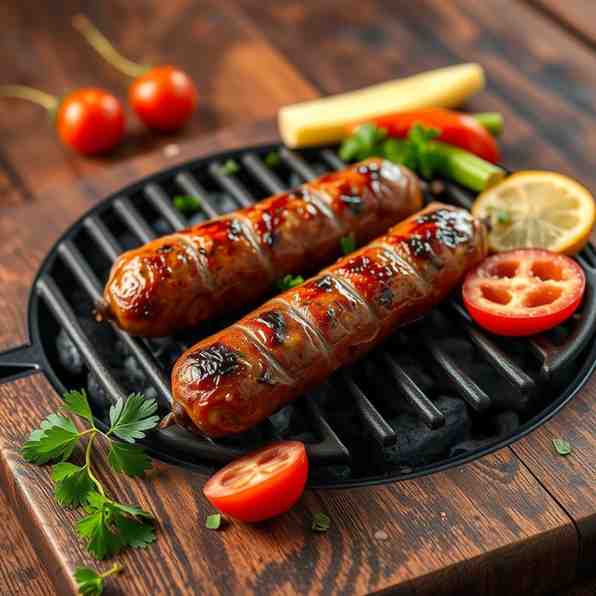
Ethiopian Gored Gored Recipes
Ethiopian Gored Gored Recipes
- Serves: 4 People
- Prepare Time: 20 minutes
- Cooking Time: 0 minutes
- Calories: -
- Difficulty: Easy
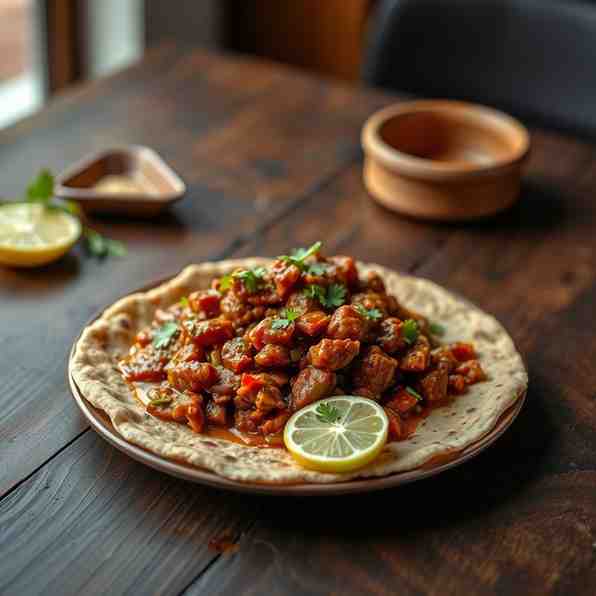
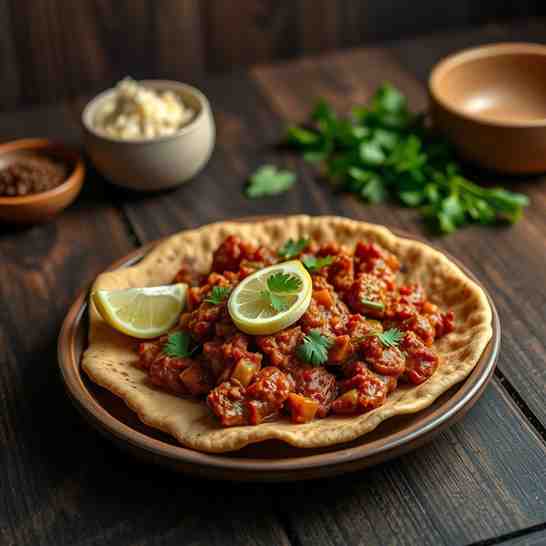
Get ready to ignite your taste buds with Gored Gored, an incredible Ethiopian delicacy that's all about bold flavors and a unique culinary experience! Imagine tender, raw beef cubes, glistening with rich niter kibbeh, and kissed with the vibrant heat of Ethiopian spices. It's a dish that truly stands out, offering a deep, savory, and spicy journey that's unlike anything you've tried before. Whether you're a seasoned foodie or just starting your exploration of ethiopian cuisine recipes, Gored Gored is a must-try.
At its heart, Gored Gored is a traditional Ethiopian dish consisting of raw, cubed beef. It’s typically served with a fiery kick from `mitmita` (a potent chili powder blend) and `awaze` (a chili paste), often accompanied by `injera` (the spongy, fermented flatbread) and fresh lemon wedges. Think of it as Ethiopia's answer to steak tartare, but with a distinctive East African spice profile.
You might be wondering, "How is this different from `kitfo`?" That's a great question! While both are raw beef dishes, Gored Gored features beef that's cubed and generally unmarinated before serving, allowing the spices and `niter kibbeh` to coat it just before eating. `Kitfo`, on the other hand, is made with finely minced beef, often warmed with `niter kibbeh` and spices, creating a different texture and flavor integration. Gored Gored is more about the fresh, distinct bite of the beef with a rich, spicy coating. It's often enjoyed as part of a larger, festive Ethiopian meal, showcasing generosity and culinary tradition.
Since Gored Gored is traditionally served raw, it's really important to prioritize food safety, especially in a home kitchen. Consuming raw or undercooked meat carries a higher risk of foodborne illness, so let's make sure we're doing everything right!
Here's a quick checklist to keep you safe:
Source Wisely: Always buy your beef from a trusted butcher or a reputable grocery store. Look for fresh, high-quality cuts that are meant for raw consumption (like steak tartare quality).
Keep It Cold: Meat should be kept refrigerated until the very last minute before preparation. This is crucial for minimizing bacterial growth.
Cut at the Last Minute: Don't cube your beef too far in advance. The less time it spends at room temperature, the better.
Clean & Separate: Use a very clean cutting board and a sharp knife dedicated only to the raw beef. Wash your hands thoroughly before and after handling raw meat. Keep raw meat separate from other ingredients to prevent cross-contamination.
Who Should Skip Raw Beef: While delicious, raw beef isn't for everyone. Young children, pregnant women, older adults, and individuals with weakened immune systems should definitely opt for a cooked version (we'll share a "light sear" option in our variations section!).
If you're not completely comfortable with raw beef, no worries! A quick, light sear can still give you a taste of this amazing dish with added peace of mind.
The heart and soul of Gored Gored lie in its unique blend of spices and the richness of `niter kibbeh`. Understanding these key players will help you balance the flavors and heat to your liking.
Both `berbere` and `mitmita` are iconic Ethiopian spice blends, but they play different roles and have varying heat levels.
Berbere: This is a foundational spice mix in Ethiopian cooking, known for its complex, aromatic, and moderately spicy profile. It typically includes chiles, ginger, garlic, fenugreek, and other warm spices. It provides depth and a pleasant, lingering warmth.
Mitmita: This blend is much spicier! It's primarily made from bird's eye chilies, cardamom, cloves, and salt. `Mitmita` delivers a sharp, immediate heat. When making Gored Gored, you'll often use `berbere` for the base flavor and `mitmita` to dial up the fiery kick. Start with a small amount of `mitmita` and add more to taste!
`Awaze` is a spicy Ethiopian dipping sauce or paste, often made from `berbere` powder, honey wine (tej) or water, and sometimes garlic or ginger. It's thicker than a typical sauce and provides an extra layer of heat and tang. In Gored Gored, `awaze` is often mixed with the beef or served on the side for those who want to intensify the spice. It's your ultimate heat control tool!
This is the secret weapon of Ethiopian cuisine! `Niter kibbeh` is a spiced, clarified butter that's infused with aromatics like garlic, ginger, turmeric, and other spices. It's richer and more flavorful than plain clarified butter. Why does it matter for Gored Gored? It adds an incredible aroma, a silky sheen, and a depth of flavor that can't be replicated. It coats the raw beef beautifully, carrying the spices and making each bite utterly luxurious. If you can't find it, a good quality clarified butter with a pinch of turmeric and garlic powder can be a decent, though not identical, substitute.
Sharp Knife: Essential for clean, even beef cubes.
Very Clean Cutting Board: Crucial for food safety when handling raw meat.
Mixing Bowl: Large enough to comfortably toss the beef with spices.
Optional: Disposable Gloves: Great for hygiene when mixing the beef by hand and keeping your hands free of chili residue!
Ingredients
Directions
- Prep the Beef: Start with your beef chilled from the fridge. Using a very sharp knife on a clean cutting board, carefully trim any excess fat or gristle from the beef. Cut the beef into small, uniform ½-inch cubes. Keep the beef cold until you're ready to mix.
- Mix the Spices: In a medium mixing bowl, combine the `berbere`, `mitmita`, `awaze`, and salt. Stir them together until you have a thick, fragrant paste.
- Coat the Beef: Add the cubed beef to the bowl with the spice paste. Using your hands (gloves recommended!), gently toss and massage the beef until every single cube is evenly coated in the vibrant spice mixture. You want to see a rich, red color on all sides of the beef.
- Add Niter Kibbeh: Gradually pour the slightly warmed, liquid `niter kibbeh` over the coated beef. Continue to gently toss and mix until the beef cubes are glistening and appear glossy. The `niter kibbeh` helps distribute the spices and adds that signature richness.
- Taste & Adjust: Take a small piece of beef and taste it. This is your chance to adjust the heat! If you prefer it spicier, add a little more `awaze` or `mitmita`, stirring well. Remember, go slow – you can always add more, but you can't take it away!
- Serve Immediately: Gored Gored is best enjoyed fresh. Serve it right away on a platter, ideally with fresh `injera` arranged around it, plenty of lemon wedges, and extra small bowls of `awaze` and `mitmita` on the side for those who crave even more heat.
Ethiopian Gored Gored Recipes
- Serves: 4 People
- Prepare Time: 20 minutes
- Cooking Time: 0 minutes
- Calories: -
- Difficulty: Easy
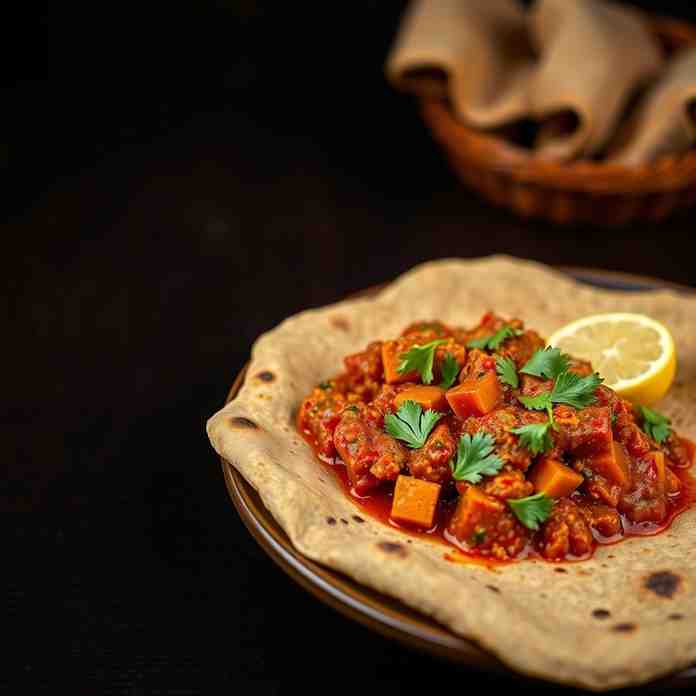
Get ready to ignite your taste buds with Gored Gored, an incredible Ethiopian delicacy that's all about bold flavors and a unique culinary experience! Imagine tender, raw beef cubes, glistening with rich niter kibbeh, and kissed with the vibrant heat of Ethiopian spices. It's a dish that truly stands out, offering a deep, savory, and spicy journey that's unlike anything you've tried before. Whether you're a seasoned foodie or just starting your exploration of ethiopian cuisine recipes, Gored Gored is a must-try.
At its heart, Gored Gored is a traditional Ethiopian dish consisting of raw, cubed beef. It’s typically served with a fiery kick from `mitmita` (a potent chili powder blend) and `awaze` (a chili paste), often accompanied by `injera` (the spongy, fermented flatbread) and fresh lemon wedges. Think of it as Ethiopia's answer to steak tartare, but with a distinctive East African spice profile.
You might be wondering, "How is this different from `kitfo`?" That's a great question! While both are raw beef dishes, Gored Gored features beef that's cubed and generally unmarinated before serving, allowing the spices and `niter kibbeh` to coat it just before eating. `Kitfo`, on the other hand, is made with finely minced beef, often warmed with `niter kibbeh` and spices, creating a different texture and flavor integration. Gored Gored is more about the fresh, distinct bite of the beef with a rich, spicy coating. It's often enjoyed as part of a larger, festive Ethiopian meal, showcasing generosity and culinary tradition.
Since Gored Gored is traditionally served raw, it's really important to prioritize food safety, especially in a home kitchen. Consuming raw or undercooked meat carries a higher risk of foodborne illness, so let's make sure we're doing everything right!
Here's a quick checklist to keep you safe:
Source Wisely: Always buy your beef from a trusted butcher or a reputable grocery store. Look for fresh, high-quality cuts that are meant for raw consumption (like steak tartare quality).
Keep It Cold: Meat should be kept refrigerated until the very last minute before preparation. This is crucial for minimizing bacterial growth.
Cut at the Last Minute: Don't cube your beef too far in advance. The less time it spends at room temperature, the better.
Clean & Separate: Use a very clean cutting board and a sharp knife dedicated only to the raw beef. Wash your hands thoroughly before and after handling raw meat. Keep raw meat separate from other ingredients to prevent cross-contamination.
Who Should Skip Raw Beef: While delicious, raw beef isn't for everyone. Young children, pregnant women, older adults, and individuals with weakened immune systems should definitely opt for a cooked version (we'll share a "light sear" option in our variations section!).
If you're not completely comfortable with raw beef, no worries! A quick, light sear can still give you a taste of this amazing dish with added peace of mind.
The heart and soul of Gored Gored lie in its unique blend of spices and the richness of `niter kibbeh`. Understanding these key players will help you balance the flavors and heat to your liking.
Both `berbere` and `mitmita` are iconic Ethiopian spice blends, but they play different roles and have varying heat levels.
Berbere: This is a foundational spice mix in Ethiopian cooking, known for its complex, aromatic, and moderately spicy profile. It typically includes chiles, ginger, garlic, fenugreek, and other warm spices. It provides depth and a pleasant, lingering warmth.
Mitmita: This blend is much spicier! It's primarily made from bird's eye chilies, cardamom, cloves, and salt. `Mitmita` delivers a sharp, immediate heat. When making Gored Gored, you'll often use `berbere` for the base flavor and `mitmita` to dial up the fiery kick. Start with a small amount of `mitmita` and add more to taste!
`Awaze` is a spicy Ethiopian dipping sauce or paste, often made from `berbere` powder, honey wine (tej) or water, and sometimes garlic or ginger. It's thicker than a typical sauce and provides an extra layer of heat and tang. In Gored Gored, `awaze` is often mixed with the beef or served on the side for those who want to intensify the spice. It's your ultimate heat control tool!
This is the secret weapon of Ethiopian cuisine! `Niter kibbeh` is a spiced, clarified butter that's infused with aromatics like garlic, ginger, turmeric, and other spices. It's richer and more flavorful than plain clarified butter. Why does it matter for Gored Gored? It adds an incredible aroma, a silky sheen, and a depth of flavor that can't be replicated. It coats the raw beef beautifully, carrying the spices and making each bite utterly luxurious. If you can't find it, a good quality clarified butter with a pinch of turmeric and garlic powder can be a decent, though not identical, substitute.
Sharp Knife: Essential for clean, even beef cubes.
Very Clean Cutting Board: Crucial for food safety when handling raw meat.
Mixing Bowl: Large enough to comfortably toss the beef with spices.
Optional: Disposable Gloves: Great for hygiene when mixing the beef by hand and keeping your hands free of chili residue!
Ingredients
Directions
- Prep the Beef: Start with your beef chilled from the fridge. Using a very sharp knife on a clean cutting board, carefully trim any excess fat or gristle from the beef. Cut the beef into small, uniform ½-inch cubes. Keep the beef cold until you're ready to mix.
- Mix the Spices: In a medium mixing bowl, combine the `berbere`, `mitmita`, `awaze`, and salt. Stir them together until you have a thick, fragrant paste.
- Coat the Beef: Add the cubed beef to the bowl with the spice paste. Using your hands (gloves recommended!), gently toss and massage the beef until every single cube is evenly coated in the vibrant spice mixture. You want to see a rich, red color on all sides of the beef.
- Add Niter Kibbeh: Gradually pour the slightly warmed, liquid `niter kibbeh` over the coated beef. Continue to gently toss and mix until the beef cubes are glistening and appear glossy. The `niter kibbeh` helps distribute the spices and adds that signature richness.
- Taste & Adjust: Take a small piece of beef and taste it. This is your chance to adjust the heat! If you prefer it spicier, add a little more `awaze` or `mitmita`, stirring well. Remember, go slow – you can always add more, but you can't take it away!
- Serve Immediately: Gored Gored is best enjoyed fresh. Serve it right away on a platter, ideally with fresh `injera` arranged around it, plenty of lemon wedges, and extra small bowls of `awaze` and `mitmita` on the side for those who crave even more heat.
You may also like




Hey there! I’m just someone who seriously loves good food and believes that cooking doesn’t have to be complicated to be amazing. Whether it’s a quick weeknight dinner or a cozy weekend meal, I’m all about sharing easy, tasty recipes that actually work.