
Ræstur Fiskur - Make Traditional Faroe Islands Dried Seafood
Ræstur Fiskur - Make Traditional Faroe Islands Dried Seafood
- Serves: 4 People
- Prepare Time: 30 minutes
- Cooking Time: 20 minutes
- Calories: -
- Difficulty: Easy
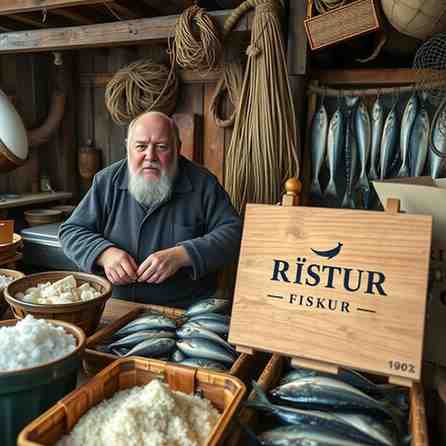
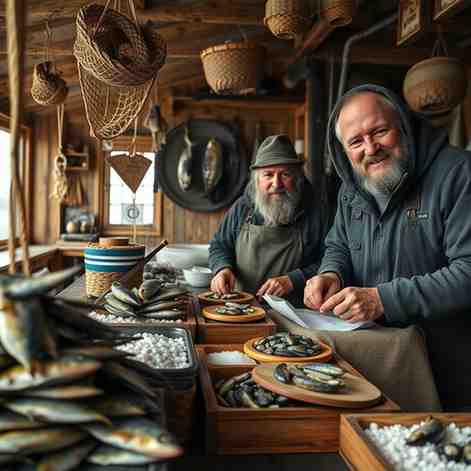
Welcome to the captivating world of Faroese culinary tradition! Today, we're diving deep into Ræstur Fiskur – a truly unique and ancient form of dried sea food from the remote Faroe Islands. This isn't just a meal; it's a taste of history, a testament to ingenious traditional fish preservation methods, and a cornerstone of Faroese cuisine.
So, what exactly is Ræstur Fiskur? In its simplest terms, it’s semi-dried, wind-fermented fish, typically cod or saithe, that develops a distinct, savory umami flavor. It’s a culinary art form born from necessity and perfected over centuries in the harsh, windy North Atlantic environment.
In this comprehensive guide, you’ll learn:
What is fermented fish and why it's so central to the Faroe Islands.
How to ferment fish at home, understanding the crucial safety steps.
A classic ræst fish recipe for cooking and serving this traditional delicacy.
Practical tips for drying of fish and successful home fermentation.
Ways to integrate this unique food sea food into your cooking.
Get ready to explore the fascinating world of Faroe Islands food tradition and master the art of this incredible, time-honored dish!
Making Ræstur Fiskur at home involves fermenting raw fish, which carries inherent risks if not done correctly. This recipe is for advanced home cooks with a keen understanding of food safety.
Who should NOT attempt this: Individuals with compromised immune systems, pregnant women, young children, or anyone uncomfortable with the risks associated with raw, fermented foods.
The 3 Non-Negotiables for Safe Fermentation:
1. Cold Temperatures: The drying space MUST be consistently cold (ideally 35-45°F / 2-7°C). Warmer temperatures significantly increase spoilage risk.
2. Excellent Airflow: Fish needs constant, gentle air circulation to dry evenly and prevent mold. Stagnant air is dangerous.
3. Impeccable Cleanliness: All equipment, surfaces, and your hands must be scrupulously clean to prevent contamination.
Clear Discard Guidance: If at any point the fish develops a truly foul, putrid, or ammonia-like smell (beyond the characteristic pungent aroma), shows signs of fuzzy mold (not just surface discoloration), or feels slimy/mushy, discard it immediately. When in doubt, throw it out. Your health is not worth the risk.
Ingredients
Directions
- Overview Timeline (Approximate & Highly Variable)
- Day 0: Fish Prep & Hanging
- Week 1-2: Visnaður Stage (Initial Drying)
- Week 3-6+: Ræst Stage (Fermentation & Further Drying)
- When Ready: Cook & Serve!
- Prep the fish for drying
- Clean & Gut: As soon as possible after catching/purchasing, thoroughly clean the fish. Gut them completely, removing all organs, gills, and any bloodline along the spine.
- Rinse & Dry: Rinse the fish under cold running water, inside and out. Pat them meticulously dry with clean paper towels. Any excess moisture can encourage spoilage.
- Tie in Pairs: Using food-safe twine, tie two fish together by their tails. This traditional method allows them to hang evenly and facilitates airflow around both sides, which is crucial for proper drying of fish. The goal is to maximize surface area exposure to the air.
- Air-dry + ferment to the “ræst” stage (advanced)
- Select Your Drying Space: This is the most critical step. You need a dedicated, cold, well-ventilated, and protected space.
- Ideal: A purpose-built, cold drying shed (hjallur) or a very well-ventilated, unheated garage/shed with consistent temperatures between 35-45°F (2-7°C).
- Alternative (with extreme caution): A cold room with a dehumidifier and fan for airflow, or a large refrigerator with a fan, ensuring consistent air circulation. Avoid direct sunlight or fluctuating temperatures.
- Hang the Fish: Hang the tied fish pairs from sturdy hooks or a clothesline in your chosen drying space. Ensure ample space between each pair for optimal airflow. Place a drip tray underneath to catch any moisture. If insects are a concern, a breathable mesh cover can be used, but ensure it doesn't impede airflow.
- Daily Checks (Crucial for Safety):
- Smell: Each day, gently sniff the fish. It should develop a progressively pungent, savory, slightly cheesy aroma. A truly foul, putrid, or ammonia smell is a sign of spoilage.
- Surface: The surface should dry and firm up. Look for any signs of mold (fuzzy growth) or unusual discoloration. A whitish film can be normal fermentation, but fuzzy mold is not.
- Insects: Inspect for any insect activity. Your drying space must be pest-free.
- Humidity: Monitor the humidity. Too high humidity will prevent drying and encourage spoilage. Aim for low to moderate humidity.
- Approximate Timeline Windows:
- Visnaður Stage (1-2 weeks): This is the initial drying stage where the fish loses a significant amount of moisture and becomes firm to the touch. It's still fresh-tasting but denser.
- Ræst Stage (3-6+ weeks): After the visnaður stage, the fish continues to dry and begins its unique fermentation process. The texture becomes firmer, and the characteristic pungent, umami flavor develops. The exact time depends heavily on fish size, temperature, and humidity.
- When it’s ready (how to tell)
- What “Ready” Looks/Feels Like:
- Texture: The fish should be firm and somewhat stiff to the touch, but still pliable, not rock hard. It should feel significantly drier than fresh fish.
- Smell: It will have a strong, distinct, pungent, and savory aroma – a bit like strong cheese or cured meat, but unmistakably fishy. This is the hallmark of well-fermented ræstur fiskur.
- Appearance: The skin will be leathery and darkened. The flesh inside will be firm and opaque.
- What “Not Safe” Signs Look/Feel Like:
- Slimy or Mushy Texture: If any part of the fish feels slimy, squishy, or overly soft, it is spoiled.
- Foul Odor: A truly rotten, putrid, or ammonia-like smell indicates spoilage. The characteristic ræst smell is strong, but not offensive in a rotten way.
- Visible Mold: Any fuzzy, green, black, or brightly colored mold is a sign of spoilage.
- Insect Infestation: Any larvae or significant insect presence means the fish is compromised.
- Cook it the traditional way
- Prepare for Cooking: Once the fish has reached the desired ræst stage, cut it into serving-sized pieces.
- Gentle Simmer/Boil: Place the ræstur fiskur pieces in a large pot. Cover with cold water. Bring the water to a gentle simmer over medium heat. Do NOT boil vigorously, as this can toughen the fish.
- Avoid Overcooking: Simmer for about 15-20 minutes, or until the fish flakes easily with a fork and is cooked through. The exact time will depend on the thickness of your fish. Overcooking will make the fish dry and rubbery.
- Serve it
- Boil Potatoes: While the fish simmers, boil the peeled waxy potatoes in a separate pot of salted water until tender.
- Melt Tallow: In a small saucepan, gently melt the garnatálg or lamb tallow (or butter) over low heat.
- Traditional Presentation: Drain the cooked fish and potatoes. Arrange them on warm plates. Spoon a generous amount of the melted tallow over both the fish and potatoes.
- How Faroese People Typically Eat It: This dish is traditionally served very simply, allowing the unique flavor of the fermented fish recipe to shine. A sprinkle of flaky salt and fresh chives can add a touch of freshness, but often it's enjoyed as is – a hearty, warming, and profoundly traditional meal.
Ræstur Fiskur - Make Traditional Faroe Islands Dried Seafood
- Serves: 4 People
- Prepare Time: 30 minutes
- Cooking Time: 20 minutes
- Calories: -
- Difficulty: Easy
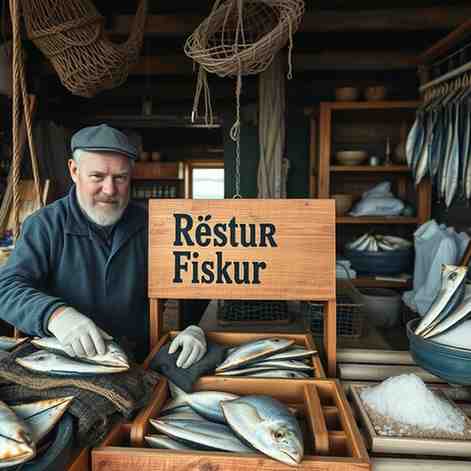
Welcome to the captivating world of Faroese culinary tradition! Today, we're diving deep into Ræstur Fiskur – a truly unique and ancient form of dried sea food from the remote Faroe Islands. This isn't just a meal; it's a taste of history, a testament to ingenious traditional fish preservation methods, and a cornerstone of Faroese cuisine.
So, what exactly is Ræstur Fiskur? In its simplest terms, it’s semi-dried, wind-fermented fish, typically cod or saithe, that develops a distinct, savory umami flavor. It’s a culinary art form born from necessity and perfected over centuries in the harsh, windy North Atlantic environment.
In this comprehensive guide, you’ll learn:
What is fermented fish and why it's so central to the Faroe Islands.
How to ferment fish at home, understanding the crucial safety steps.
A classic ræst fish recipe for cooking and serving this traditional delicacy.
Practical tips for drying of fish and successful home fermentation.
Ways to integrate this unique food sea food into your cooking.
Get ready to explore the fascinating world of Faroe Islands food tradition and master the art of this incredible, time-honored dish!
Making Ræstur Fiskur at home involves fermenting raw fish, which carries inherent risks if not done correctly. This recipe is for advanced home cooks with a keen understanding of food safety.
Who should NOT attempt this: Individuals with compromised immune systems, pregnant women, young children, or anyone uncomfortable with the risks associated with raw, fermented foods.
The 3 Non-Negotiables for Safe Fermentation:
1. Cold Temperatures: The drying space MUST be consistently cold (ideally 35-45°F / 2-7°C). Warmer temperatures significantly increase spoilage risk.
2. Excellent Airflow: Fish needs constant, gentle air circulation to dry evenly and prevent mold. Stagnant air is dangerous.
3. Impeccable Cleanliness: All equipment, surfaces, and your hands must be scrupulously clean to prevent contamination.
Clear Discard Guidance: If at any point the fish develops a truly foul, putrid, or ammonia-like smell (beyond the characteristic pungent aroma), shows signs of fuzzy mold (not just surface discoloration), or feels slimy/mushy, discard it immediately. When in doubt, throw it out. Your health is not worth the risk.
Ingredients
Directions
- Overview Timeline (Approximate & Highly Variable)
- Day 0: Fish Prep & Hanging
- Week 1-2: Visnaður Stage (Initial Drying)
- Week 3-6+: Ræst Stage (Fermentation & Further Drying)
- When Ready: Cook & Serve!
- Prep the fish for drying
- Clean & Gut: As soon as possible after catching/purchasing, thoroughly clean the fish. Gut them completely, removing all organs, gills, and any bloodline along the spine.
- Rinse & Dry: Rinse the fish under cold running water, inside and out. Pat them meticulously dry with clean paper towels. Any excess moisture can encourage spoilage.
- Tie in Pairs: Using food-safe twine, tie two fish together by their tails. This traditional method allows them to hang evenly and facilitates airflow around both sides, which is crucial for proper drying of fish. The goal is to maximize surface area exposure to the air.
- Air-dry + ferment to the “ræst” stage (advanced)
- Select Your Drying Space: This is the most critical step. You need a dedicated, cold, well-ventilated, and protected space.
- Ideal: A purpose-built, cold drying shed (hjallur) or a very well-ventilated, unheated garage/shed with consistent temperatures between 35-45°F (2-7°C).
- Alternative (with extreme caution): A cold room with a dehumidifier and fan for airflow, or a large refrigerator with a fan, ensuring consistent air circulation. Avoid direct sunlight or fluctuating temperatures.
- Hang the Fish: Hang the tied fish pairs from sturdy hooks or a clothesline in your chosen drying space. Ensure ample space between each pair for optimal airflow. Place a drip tray underneath to catch any moisture. If insects are a concern, a breathable mesh cover can be used, but ensure it doesn't impede airflow.
- Daily Checks (Crucial for Safety):
- Smell: Each day, gently sniff the fish. It should develop a progressively pungent, savory, slightly cheesy aroma. A truly foul, putrid, or ammonia smell is a sign of spoilage.
- Surface: The surface should dry and firm up. Look for any signs of mold (fuzzy growth) or unusual discoloration. A whitish film can be normal fermentation, but fuzzy mold is not.
- Insects: Inspect for any insect activity. Your drying space must be pest-free.
- Humidity: Monitor the humidity. Too high humidity will prevent drying and encourage spoilage. Aim for low to moderate humidity.
- Approximate Timeline Windows:
- Visnaður Stage (1-2 weeks): This is the initial drying stage where the fish loses a significant amount of moisture and becomes firm to the touch. It's still fresh-tasting but denser.
- Ræst Stage (3-6+ weeks): After the visnaður stage, the fish continues to dry and begins its unique fermentation process. The texture becomes firmer, and the characteristic pungent, umami flavor develops. The exact time depends heavily on fish size, temperature, and humidity.
- When it’s ready (how to tell)
- What “Ready” Looks/Feels Like:
- Texture: The fish should be firm and somewhat stiff to the touch, but still pliable, not rock hard. It should feel significantly drier than fresh fish.
- Smell: It will have a strong, distinct, pungent, and savory aroma – a bit like strong cheese or cured meat, but unmistakably fishy. This is the hallmark of well-fermented ræstur fiskur.
- Appearance: The skin will be leathery and darkened. The flesh inside will be firm and opaque.
- What “Not Safe” Signs Look/Feel Like:
- Slimy or Mushy Texture: If any part of the fish feels slimy, squishy, or overly soft, it is spoiled.
- Foul Odor: A truly rotten, putrid, or ammonia-like smell indicates spoilage. The characteristic ræst smell is strong, but not offensive in a rotten way.
- Visible Mold: Any fuzzy, green, black, or brightly colored mold is a sign of spoilage.
- Insect Infestation: Any larvae or significant insect presence means the fish is compromised.
- Cook it the traditional way
- Prepare for Cooking: Once the fish has reached the desired ræst stage, cut it into serving-sized pieces.
- Gentle Simmer/Boil: Place the ræstur fiskur pieces in a large pot. Cover with cold water. Bring the water to a gentle simmer over medium heat. Do NOT boil vigorously, as this can toughen the fish.
- Avoid Overcooking: Simmer for about 15-20 minutes, or until the fish flakes easily with a fork and is cooked through. The exact time will depend on the thickness of your fish. Overcooking will make the fish dry and rubbery.
- Serve it
- Boil Potatoes: While the fish simmers, boil the peeled waxy potatoes in a separate pot of salted water until tender.
- Melt Tallow: In a small saucepan, gently melt the garnatálg or lamb tallow (or butter) over low heat.
- Traditional Presentation: Drain the cooked fish and potatoes. Arrange them on warm plates. Spoon a generous amount of the melted tallow over both the fish and potatoes.
- How Faroese People Typically Eat It: This dish is traditionally served very simply, allowing the unique flavor of the fermented fish recipe to shine. A sprinkle of flaky salt and fresh chives can add a touch of freshness, but often it's enjoyed as is – a hearty, warming, and profoundly traditional meal.
You may also like


Hey there! I’m just someone who seriously loves good food and believes that cooking doesn’t have to be complicated to be amazing. Whether it’s a quick weeknight dinner or a cozy weekend meal, I’m all about sharing easy, tasty recipes that actually work.