
Laverbread - Traditional Food You Can Make at Home Today
Laverbread - Traditional Food You Can Make at Home Today
- Serves: 4 People
- Prepare Time: 25 minutes
- Cooking Time: 75 minutes
- Calories: -
- Difficulty: Medium
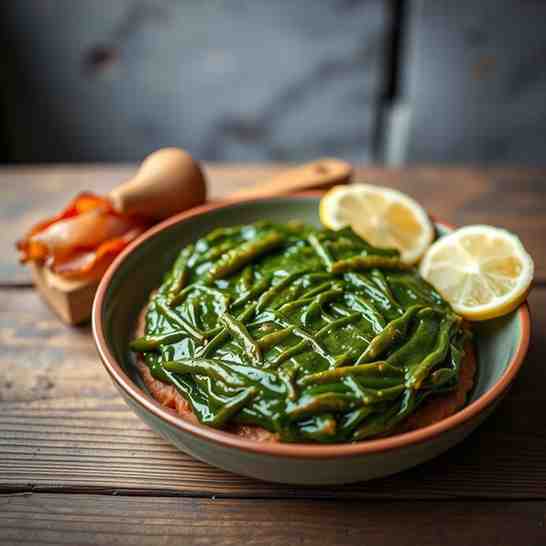
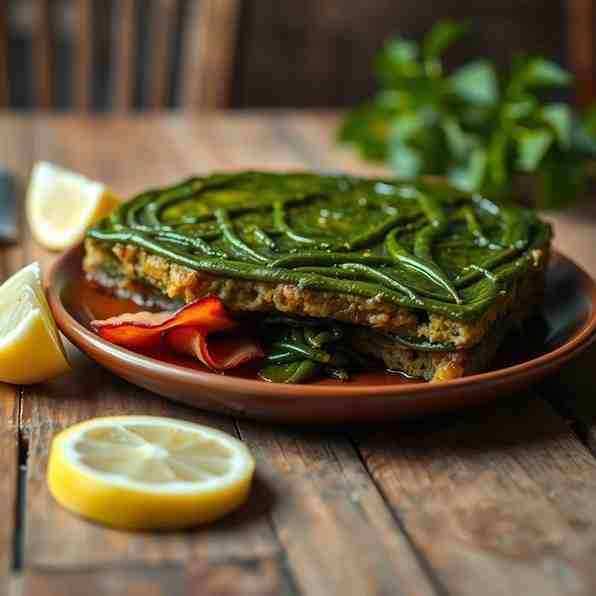
Ever wondered about unique food you can make at home that truly tells a story? Today, we're diving into the delicious world of Isle of Man Laverbread! This isn't your average bread; it's a savory, cooked seaweed paste, deeply rooted in coastal traditions of the Isle of Man and Wales. If you're looking for a genuinely homemade food recipe that's both healthy and historic, you've come to the right place. We'll show you everything, from sourcing the right laver to cooking it down into a delectable paste and serving it up in traditional laverbread cakes. Get ready to embrace a taste of the sea and make this incredible recipe to make at home!
Here's how to whip up your very own traditional Isle of Man Laverbread cakes right in your kitchen. It's a fun and rewarding process that brings a unique coastal flavor to your table.
Ingredients
Directions
- Rehydrate the Seaweed: Place the dried laver seaweed in a bowl and cover it with cold water. Let it soak for about 15-20 minutes until it softens. Swish it around gently, then drain the water thoroughly.
- Rinse Until Clean: This step is super important to avoid gritty laverbread! Repeat the soaking, swishing, and draining process several times (3-5 times is usually good) until the water you're draining runs mostly clear. This ensures any sand or debris is gone.
- Simmer into a Soft Paste: Transfer the rinsed seaweed to your medium pot. Add 3-4 cups of fresh cold water and the 1/2 teaspoon of fine salt. Bring it to a gentle simmer over medium heat, then reduce the heat to low, cover the pot, and let it cook. Simmer for 1 to 1.5 hours, or until the seaweed is very soft, dark green, and has broken down into a thick, spoonable, almost gelatinous mass. Stir occasionally to prevent sticking.
- Mince or Blend: Once cooked, remove the pot from the heat. You can either finely mince the seaweed paste with a sharp knife or transfer it to a blender or food processor. Pulse or blend until you achieve a thick, smooth paste. You don't want it watery, just a good spreadable consistency.
- Thicken with Oats: Return the seaweed paste to the pot (if you used a blender). Stir in the rolled oats. Cook over low heat for another 5-7 minutes, stirring constantly, until the mixture thickens further and holds together well. The oats will absorb excess moisture and give the laverbread body. If using optional cayenne or garlic, stir them in now.
- Pan-Fry the Patties: Heat the unsalted butter (or bacon drippings) in your nonstick or cast-iron skillet over medium heat. While the skillet heats, form small patties (about 2-3 inches in diameter) from the laverbread mixture. Carefully place the patties into the hot skillet.
- Serve Them Up: Fry the laverbread patties for 3-5 minutes per side, until they're beautifully crisp and golden brown at the edges. Serve immediately with a generous squeeze of fresh lemon juice and a sprinkle of freshly ground black pepper. Enjoy your taste of coastal tradition!
Laverbread - Traditional Food You Can Make at Home Today
- Serves: 4 People
- Prepare Time: 25 minutes
- Cooking Time: 75 minutes
- Calories: -
- Difficulty: Medium
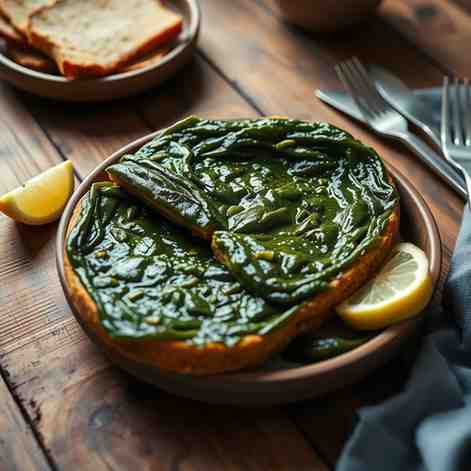
Ever wondered about unique food you can make at home that truly tells a story? Today, we're diving into the delicious world of Isle of Man Laverbread! This isn't your average bread; it's a savory, cooked seaweed paste, deeply rooted in coastal traditions of the Isle of Man and Wales. If you're looking for a genuinely homemade food recipe that's both healthy and historic, you've come to the right place. We'll show you everything, from sourcing the right laver to cooking it down into a delectable paste and serving it up in traditional laverbread cakes. Get ready to embrace a taste of the sea and make this incredible recipe to make at home!
Here's how to whip up your very own traditional Isle of Man Laverbread cakes right in your kitchen. It's a fun and rewarding process that brings a unique coastal flavor to your table.
Ingredients
Directions
- Rehydrate the Seaweed: Place the dried laver seaweed in a bowl and cover it with cold water. Let it soak for about 15-20 minutes until it softens. Swish it around gently, then drain the water thoroughly.
- Rinse Until Clean: This step is super important to avoid gritty laverbread! Repeat the soaking, swishing, and draining process several times (3-5 times is usually good) until the water you're draining runs mostly clear. This ensures any sand or debris is gone.
- Simmer into a Soft Paste: Transfer the rinsed seaweed to your medium pot. Add 3-4 cups of fresh cold water and the 1/2 teaspoon of fine salt. Bring it to a gentle simmer over medium heat, then reduce the heat to low, cover the pot, and let it cook. Simmer for 1 to 1.5 hours, or until the seaweed is very soft, dark green, and has broken down into a thick, spoonable, almost gelatinous mass. Stir occasionally to prevent sticking.
- Mince or Blend: Once cooked, remove the pot from the heat. You can either finely mince the seaweed paste with a sharp knife or transfer it to a blender or food processor. Pulse or blend until you achieve a thick, smooth paste. You don't want it watery, just a good spreadable consistency.
- Thicken with Oats: Return the seaweed paste to the pot (if you used a blender). Stir in the rolled oats. Cook over low heat for another 5-7 minutes, stirring constantly, until the mixture thickens further and holds together well. The oats will absorb excess moisture and give the laverbread body. If using optional cayenne or garlic, stir them in now.
- Pan-Fry the Patties: Heat the unsalted butter (or bacon drippings) in your nonstick or cast-iron skillet over medium heat. While the skillet heats, form small patties (about 2-3 inches in diameter) from the laverbread mixture. Carefully place the patties into the hot skillet.
- Serve Them Up: Fry the laverbread patties for 3-5 minutes per side, until they're beautifully crisp and golden brown at the edges. Serve immediately with a generous squeeze of fresh lemon juice and a sprinkle of freshly ground black pepper. Enjoy your taste of coastal tradition!
You may also like




Hey there! I’m just someone who seriously loves good food and believes that cooking doesn’t have to be complicated to be amazing. Whether it’s a quick weeknight dinner or a cozy weekend meal, I’m all about sharing easy, tasty recipes that actually work.