
Gâteau Dodo - Best Coconut Cream Cake Recipe & Health Benefits
Gâteau Dodo - Best Coconut Cream Cake Recipe & Health Benefits
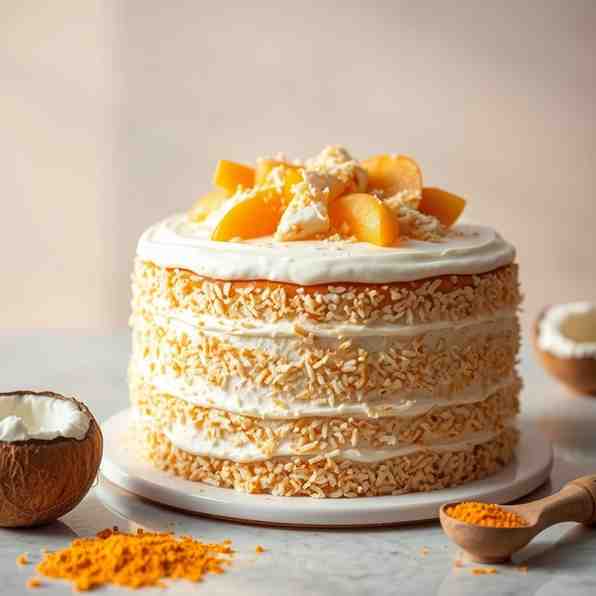
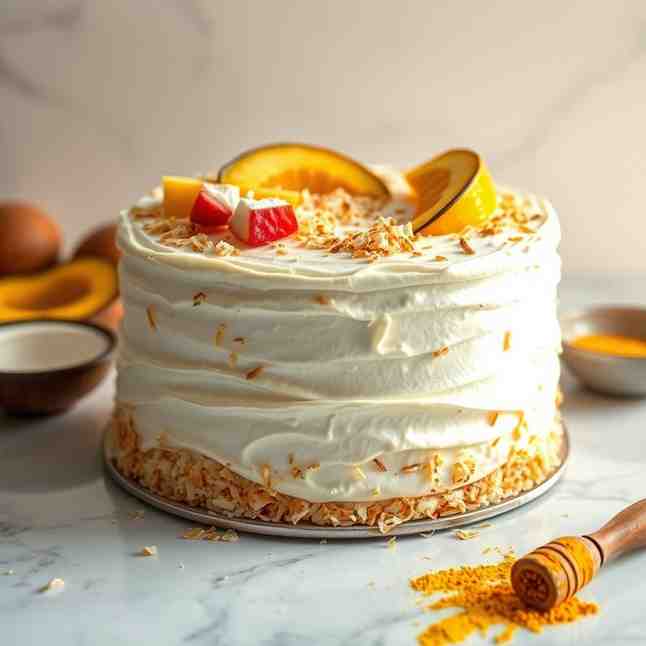
- Serves: 12 People
- Prepare Time: 30 minutes
- Cooking Time: 30-35 minut
- Calories: -
- Difficulty: Medium
Get ready to escape to the sunny shores of Mauritius with a slice of pure bliss: our Gâteau Dodo (Mauritian-Inspired) Coconut Cream Cake! This isn't just any coconut cake; it's a celebration of tropical flavors and a tribute to the island's most famous, albeit extinct, resident – the dodo. We've crafted this recipe to be the best coconut cake you'll ever bake, ensuring every forkful is bursting with rich, authentic coconut goodness. Imagine a moist, tender cake infused with coconut, generously slathered with a fluffy coconut cream frosting, and finished with a snowy blanket of more coconut. It’s a dream come true for anyone craving a truly exceptional coconut cream cake! Whether you're making a coconut cake birthday treat or just indulging, this recipe promises an unforgettable experience.
Ingredients
Directions
- Step A — Prep Like a Pro
- Get Your Pans Ready: Preheat your oven to 350°F (175°C). Grease and flour two 8-inch round cake pans. For easy removal, line the bottoms with parchment paper circles.
- Optional Toasting: If you want toasted coconut for your finish, spread the 1 cup of unsweetened flaked/shredded coconut on a baking sheet. Toast in the preheated oven for 5-7 minutes, stirring once or twice, until golden brown. Keep a close eye on it, as coconut burns quickly! Let cool completely.
- Step B — Crafting the Perfect Batter
- Whisk the Dry: In a medium bowl, whisk together the flour, baking powder, baking soda, and salt. Set aside.
- Cream the Fats & Sugar: In a large bowl (or stand mixer with paddle attachment), cream together the softened butter, neutral oil, and granulated sugar on medium speed until light and fluffy, about 3-5 minutes. This "creaming" incorporates air, making your cake tender. Properly creamed butter and sugar should look pale yellow and airy.
- Add Eggs Correctly: Beat in the eggs one at a time, mixing well after each addition. Scrape down the sides of the bowl. Adding eggs gradually prevents the mixture from curdling, ensuring a smooth batter.
- Flavor Boost: Stir in the vanilla extract and coconut extract until just combined.
- Alternate Wet & Dry: With the mixer on low speed, add about one-third of the dry ingredients to the butter mixture, mixing until just combined. Then, pour in half of the full-fat coconut milk and mix. Repeat with another third of the dry ingredients, the remaining coconut milk, and finally the last of the dry ingredients. Mix until just combined; do not overmix, as this can develop gluten and lead to a tough cake.
- Fold in Coconut: Gently fold in the unsweetened shredded coconut with a spatula until evenly distributed. The final batter should be thick but pourable, with visible coconut shreds.
- Divide & Bake: Divide the batter evenly between your two prepared cake pans.
- Step C — Bake to Perfection
- Bake Time: Bake for 30-35 minutes, or until a wooden skewer or toothpick inserted into the center comes out clean.
- Doneness Cues: Besides the toothpick test, the cake edges should be pulling slightly away from the sides of the pan, and the top should spring back when gently pressed. For ultimate precision, the internal temperature should reach 200-210°F (93-99°C).
- Cooling is Key: Let the cakes cool in their pans on a wire rack for 10-15 minutes. This crucial step prevents dryness by allowing the internal moisture to redistribute. Then, invert the cakes onto the wire rack to cool completely before frosting. Frosting a warm cake is a recipe for disaster!
- Step D — Dreamy Coconut Cream Frosting
- Prep Coconut Cream: Ensure your can of full-fat coconut cream has been chilled in the refrigerator overnight. Without shaking it, open the can and scoop out the thick, solid coconut fat from the top. Discard any watery liquid at the bottom, or save it for another use.
- Whip the Cream: In a large bowl, combine the chilled coconut cream solids, softened cream cheese, and softened butter. Beat on medium speed until smooth and creamy, about 2-3 minutes.
- Sweeten & Flavor: Gradually add the sifted powdered sugar, mixing on low speed until combined, then increase to medium-high and beat until light and fluffy. Stir in the vanilla extract, coconut extract, and a pinch of salt.
- Fix-It Notes:
- Too Runny? Place the bowl in the fridge for 15-20 minutes, then re-whip. The fat in the coconut cream and butter needs to be firm.
- Too Thick? Add a tiny splash (1 teaspoon at a time) of regular full-fat coconut milk or dairy milk until desired consistency is reached.
- Curdled? This usually happens if ingredients aren't at the right temperature or are mixed too aggressively. If it's slightly curdled, try beating it longer on medium-high. If it's very curdled, you might need to start over, ensuring all ingredients are softened (except the coconut cream solids) and temperatures are consistent.
- Step E — Assemble & Finish with Flair
- Level Layers (Optional): If your cake layers have domed tops, use a serrated knife to carefully level them. This creates a more stable and professional-looking cake.
- First Layer & Filling: Place one cake layer on your serving plate or cake stand. Spread about 1/2 to 3/4 cup of frosting evenly over the top, reaching close to the edges. This isn't fussy; a simple, even layer is perfect.
- Stack & Crumb Coat: Carefully place the second cake layer on top. Apply a thin "crumb coat" of frosting all over the top and sides of the cake. This traps any loose crumbs, ensuring a smooth final finish. Refrigerate the cake for 15-20 minutes to set the crumb coat.
- Final Frosting: Once the crumb coat is firm, apply the remaining frosting to the top and sides of the cake, smoothing it with an offset spatula or knife.
- Coconut Coating: Gently press the toasted or plain unsweetened flaked/shredded coconut onto the sides and top of the cake. For less mess, do this over a large plate or baking sheet to catch any fallen coconut. Use your hands to pat it firmly onto the sides.
Gâteau Dodo - Best Coconut Cream Cake Recipe & Health Benefits
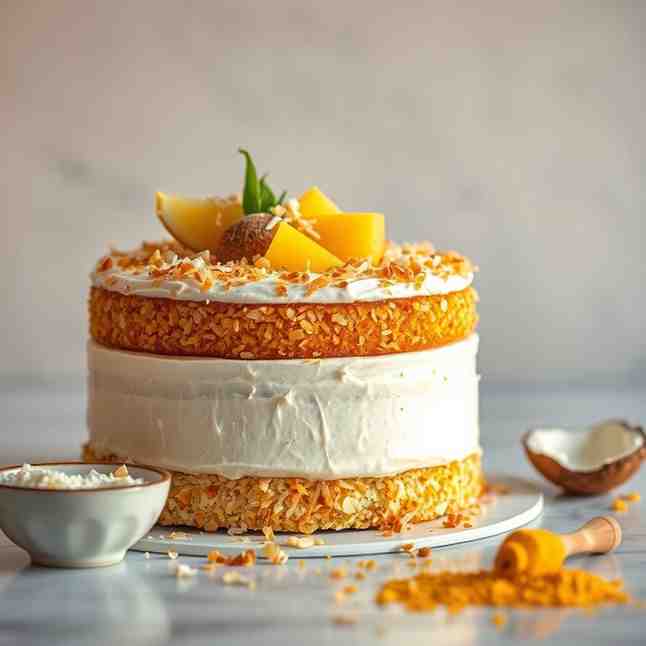
- Serves: 12 People
- Prepare Time: 30 minutes
- Cooking Time: 30-35 minut
- Calories: -
- Difficulty: Medium
Get ready to escape to the sunny shores of Mauritius with a slice of pure bliss: our Gâteau Dodo (Mauritian-Inspired) Coconut Cream Cake! This isn't just any coconut cake; it's a celebration of tropical flavors and a tribute to the island's most famous, albeit extinct, resident – the dodo. We've crafted this recipe to be the best coconut cake you'll ever bake, ensuring every forkful is bursting with rich, authentic coconut goodness. Imagine a moist, tender cake infused with coconut, generously slathered with a fluffy coconut cream frosting, and finished with a snowy blanket of more coconut. It’s a dream come true for anyone craving a truly exceptional coconut cream cake! Whether you're making a coconut cake birthday treat or just indulging, this recipe promises an unforgettable experience.
Ingredients
Directions
- Step A — Prep Like a Pro
- Get Your Pans Ready: Preheat your oven to 350°F (175°C). Grease and flour two 8-inch round cake pans. For easy removal, line the bottoms with parchment paper circles.
- Optional Toasting: If you want toasted coconut for your finish, spread the 1 cup of unsweetened flaked/shredded coconut on a baking sheet. Toast in the preheated oven for 5-7 minutes, stirring once or twice, until golden brown. Keep a close eye on it, as coconut burns quickly! Let cool completely.
- Step B — Crafting the Perfect Batter
- Whisk the Dry: In a medium bowl, whisk together the flour, baking powder, baking soda, and salt. Set aside.
- Cream the Fats & Sugar: In a large bowl (or stand mixer with paddle attachment), cream together the softened butter, neutral oil, and granulated sugar on medium speed until light and fluffy, about 3-5 minutes. This "creaming" incorporates air, making your cake tender. Properly creamed butter and sugar should look pale yellow and airy.
- Add Eggs Correctly: Beat in the eggs one at a time, mixing well after each addition. Scrape down the sides of the bowl. Adding eggs gradually prevents the mixture from curdling, ensuring a smooth batter.
- Flavor Boost: Stir in the vanilla extract and coconut extract until just combined.
- Alternate Wet & Dry: With the mixer on low speed, add about one-third of the dry ingredients to the butter mixture, mixing until just combined. Then, pour in half of the full-fat coconut milk and mix. Repeat with another third of the dry ingredients, the remaining coconut milk, and finally the last of the dry ingredients. Mix until just combined; do not overmix, as this can develop gluten and lead to a tough cake.
- Fold in Coconut: Gently fold in the unsweetened shredded coconut with a spatula until evenly distributed. The final batter should be thick but pourable, with visible coconut shreds.
- Divide & Bake: Divide the batter evenly between your two prepared cake pans.
- Step C — Bake to Perfection
- Bake Time: Bake for 30-35 minutes, or until a wooden skewer or toothpick inserted into the center comes out clean.
- Doneness Cues: Besides the toothpick test, the cake edges should be pulling slightly away from the sides of the pan, and the top should spring back when gently pressed. For ultimate precision, the internal temperature should reach 200-210°F (93-99°C).
- Cooling is Key: Let the cakes cool in their pans on a wire rack for 10-15 minutes. This crucial step prevents dryness by allowing the internal moisture to redistribute. Then, invert the cakes onto the wire rack to cool completely before frosting. Frosting a warm cake is a recipe for disaster!
- Step D — Dreamy Coconut Cream Frosting
- Prep Coconut Cream: Ensure your can of full-fat coconut cream has been chilled in the refrigerator overnight. Without shaking it, open the can and scoop out the thick, solid coconut fat from the top. Discard any watery liquid at the bottom, or save it for another use.
- Whip the Cream: In a large bowl, combine the chilled coconut cream solids, softened cream cheese, and softened butter. Beat on medium speed until smooth and creamy, about 2-3 minutes.
- Sweeten & Flavor: Gradually add the sifted powdered sugar, mixing on low speed until combined, then increase to medium-high and beat until light and fluffy. Stir in the vanilla extract, coconut extract, and a pinch of salt.
- Fix-It Notes:
- Too Runny? Place the bowl in the fridge for 15-20 minutes, then re-whip. The fat in the coconut cream and butter needs to be firm.
- Too Thick? Add a tiny splash (1 teaspoon at a time) of regular full-fat coconut milk or dairy milk until desired consistency is reached.
- Curdled? This usually happens if ingredients aren't at the right temperature or are mixed too aggressively. If it's slightly curdled, try beating it longer on medium-high. If it's very curdled, you might need to start over, ensuring all ingredients are softened (except the coconut cream solids) and temperatures are consistent.
- Step E — Assemble & Finish with Flair
- Level Layers (Optional): If your cake layers have domed tops, use a serrated knife to carefully level them. This creates a more stable and professional-looking cake.
- First Layer & Filling: Place one cake layer on your serving plate or cake stand. Spread about 1/2 to 3/4 cup of frosting evenly over the top, reaching close to the edges. This isn't fussy; a simple, even layer is perfect.
- Stack & Crumb Coat: Carefully place the second cake layer on top. Apply a thin "crumb coat" of frosting all over the top and sides of the cake. This traps any loose crumbs, ensuring a smooth final finish. Refrigerate the cake for 15-20 minutes to set the crumb coat.
- Final Frosting: Once the crumb coat is firm, apply the remaining frosting to the top and sides of the cake, smoothing it with an offset spatula or knife.
- Coconut Coating: Gently press the toasted or plain unsweetened flaked/shredded coconut onto the sides and top of the cake. For less mess, do this over a large plate or baking sheet to catch any fallen coconut. Use your hands to pat it firmly onto the sides.
You may also like

Hey there! I’m just someone who seriously loves good food and believes that cooking doesn’t have to be complicated to be amazing. Whether it’s a quick weeknight dinner or a cozy weekend meal, I’m all about sharing easy, tasty recipes that actually work.