
Gibraltar Mojama - Curing Tuna
Gibraltar Mojama - Curing Tuna
- Serves: 1 People
- Prepare Time: 30 minutes
- Cooking Time: 0 minutes (
- Calories: -
- Difficulty: Medium
Welcome to the sun-drenched shores of Southern Spain, where the culinary traditions are as rich and vibrant as the landscapes themselves! Andalusian cuisine, with its deep roots in Mediterranean history, is famous for its fresh seafood, robust olive oils, and a masterful use of spices. It's a place where simple ingredients are transformed into extraordinary dishes. Today, we’re diving into one of its most cherished delicacies: Gibraltar Mojama.
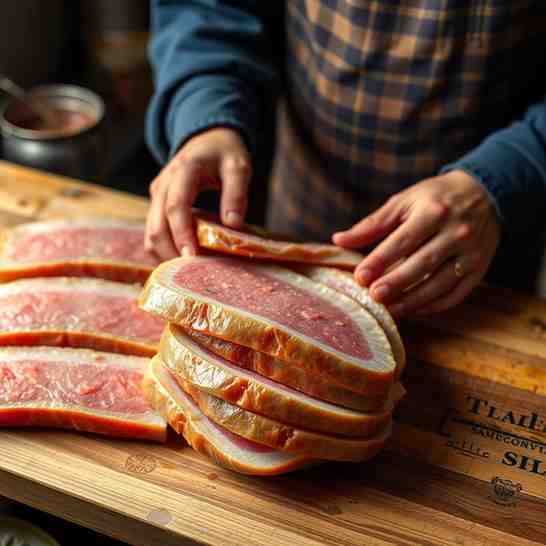
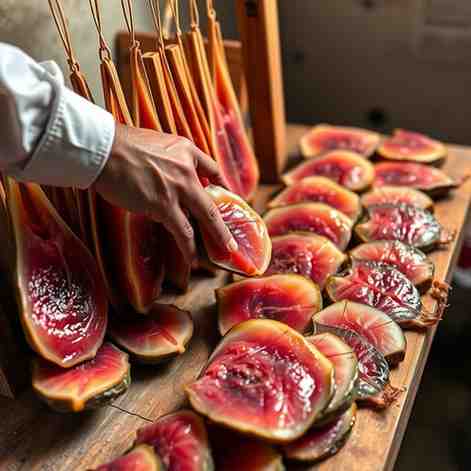
Mojama is essentially cured tuna, a culinary art form that dates back centuries. Think of it as the "ham of the sea." This traditional Spanish delicacy, particularly prominent around Gibraltar and the Cádiz region, holds immense cultural significance. It’s not just food; it's a piece of history, a testament to ancient preservation techniques, and a true delight for the palate. If you've been searching for a unique `tuna fish recipe` or want to explore the art of `pink salt for curing`, you'll find this `recipe for tuna fillet` both rewarding and surprisingly simple. Get ready to learn how to prepare this incredible `tuna recipe simple` enough for anyone to try, turning a fresh tuna fillet into a gourmet experience.
Ingredients
Directions
- Clean and Prepare the Tuna:
- Start with a high-quality, very fresh tuna loin. Rinse it under cold water and pat it completely dry with paper towels.
- Inspect the tuna for any bloodlines or dark spots. Using a sharp knife, carefully trim these away. You want a clean, lean piece of tuna.
- Ensure the tuna fillet is uniform in thickness as much as possible for even curing. If your loin is very thick, you might consider slicing it lengthwise into two thinner pieces, but traditionally, it's cured as a whole loin.
- Salt the Fish for Curing:
- In a large, non-reactive container (like a glass baking dish or plastic tub), create a thick bed of coarse sea salt (or `pink salt for curing`), about 1-inch deep. If using brown sugar, mix it into the salt now.
- Place the tuna loin directly on top of the salt bed.
- Completely cover the tuna with the remaining salt, ensuring every part of the fish is encased. Press down gently to make sure the salt is in full contact.
- Cover the container and refrigerate for 24-48 hours. The exact time depends on the thickness of your tuna and how salty you prefer your mojama. For a 2-3 lb loin, 36 hours is a good starting point. This salting process draws out moisture and begins the preservation.
- Introduce Specific Spices and Herbs:
- After the salting period, carefully remove the tuna from the salt. You'll notice it has firmed up considerably and released a good amount of liquid.
- Rinse the tuna very thoroughly under cold running water to remove all the salt from its surface. This is crucial to prevent it from becoming overly salty. Pat it completely dry again with paper towels.
- In a small bowl, combine the smoked paprika, dried oregano, dried thyme, and crushed black peppercorns. This Andalusian spice blend adds a wonderful aromatic layer to the mojama.
- Generously rub this spice mixture all over the tuna loin, ensuring an even coating.
- Explain the Drying Process and How Long It Takes:
- Wrap the spiced tuna tightly in several layers of cheesecloth or a clean, breathable kitchen towel. This protects it while allowing air circulation.
- Tie the wrapped tuna securely with butcher’s twine, creating a loop at one end for hanging.
- Hang the tuna in a cool (ideally 50-65°F / 10-18°C), dry, and well-ventilated area. A pantry, cellar, or even a garage (if conditions are right) can work. Avoid direct sunlight or high humidity.
- The drying process typically takes 1 to 3 weeks, depending on the thickness of the tuna, ambient humidity, and desired firmness. Check it periodically by gently squeezing. It should feel firm to the touch but still have some give. It will lose significant weight.
- Provide a Troubleshooting Guide for Common Curing Mistakes:
- Too Salty: If, after slicing, your mojama is too salty, you can try soaking thin slices briefly in cold water before serving. Next time, reduce the initial salting time.
- Not Drying Properly/Mold: If you see white mold, it's usually harmless and can be wiped off with a cloth dampened with vinegar. Black, green, or fuzzy mold is a sign of too much humidity or poor airflow; the tuna might be compromised and should be discarded. Ensure good air circulation and low humidity.
- Too Dry/Hard: If it becomes too hard, it means it's been over-dried. It's still edible but might be harder to slice. Aim for a firm-but-pliable texture.
- Soft Spots: This indicates uneven drying or insufficient salt penetration in that area. Ensure uniform salting and consistent airflow.
- Tips for Serving and Storing the Cured Tuna:
- Once cured, unwrap the mojama and slice it as thinly as possible, ideally paper-thin, against the grain.
- Traditionally, mojama is served simply, often with a drizzle of good quality extra virgin olive oil and sometimes a sprinkle of chopped Marcona almonds.
- Store any remaining whole mojama wrapped tightly in plastic wrap or vacuum-sealed in the refrigerator for several weeks, or in the freezer for several months. Sliced mojama is best eaten fresh.
Gibraltar Mojama - Curing Tuna
- Serves: 1 People
- Prepare Time: 30 minutes
- Cooking Time: 0 minutes (
- Calories: -
- Difficulty: Medium
Welcome to the sun-drenched shores of Southern Spain, where the culinary traditions are as rich and vibrant as the landscapes themselves! Andalusian cuisine, with its deep roots in Mediterranean history, is famous for its fresh seafood, robust olive oils, and a masterful use of spices. It's a place where simple ingredients are transformed into extraordinary dishes. Today, we’re diving into one of its most cherished delicacies: Gibraltar Mojama.
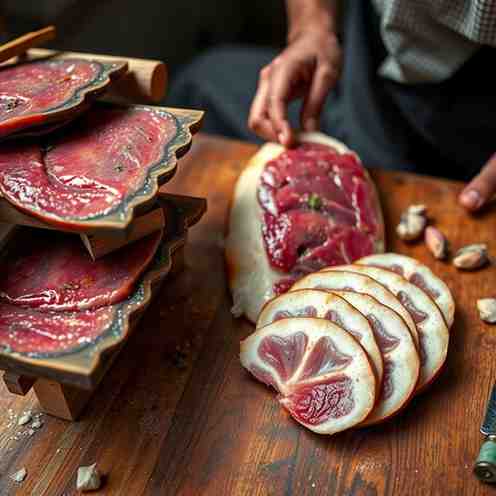
Mojama is essentially cured tuna, a culinary art form that dates back centuries. Think of it as the "ham of the sea." This traditional Spanish delicacy, particularly prominent around Gibraltar and the Cádiz region, holds immense cultural significance. It’s not just food; it's a piece of history, a testament to ancient preservation techniques, and a true delight for the palate. If you've been searching for a unique `tuna fish recipe` or want to explore the art of `pink salt for curing`, you'll find this `recipe for tuna fillet` both rewarding and surprisingly simple. Get ready to learn how to prepare this incredible `tuna recipe simple` enough for anyone to try, turning a fresh tuna fillet into a gourmet experience.
Ingredients
Directions
- Clean and Prepare the Tuna:
- Start with a high-quality, very fresh tuna loin. Rinse it under cold water and pat it completely dry with paper towels.
- Inspect the tuna for any bloodlines or dark spots. Using a sharp knife, carefully trim these away. You want a clean, lean piece of tuna.
- Ensure the tuna fillet is uniform in thickness as much as possible for even curing. If your loin is very thick, you might consider slicing it lengthwise into two thinner pieces, but traditionally, it's cured as a whole loin.
- Salt the Fish for Curing:
- In a large, non-reactive container (like a glass baking dish or plastic tub), create a thick bed of coarse sea salt (or `pink salt for curing`), about 1-inch deep. If using brown sugar, mix it into the salt now.
- Place the tuna loin directly on top of the salt bed.
- Completely cover the tuna with the remaining salt, ensuring every part of the fish is encased. Press down gently to make sure the salt is in full contact.
- Cover the container and refrigerate for 24-48 hours. The exact time depends on the thickness of your tuna and how salty you prefer your mojama. For a 2-3 lb loin, 36 hours is a good starting point. This salting process draws out moisture and begins the preservation.
- Introduce Specific Spices and Herbs:
- After the salting period, carefully remove the tuna from the salt. You'll notice it has firmed up considerably and released a good amount of liquid.
- Rinse the tuna very thoroughly under cold running water to remove all the salt from its surface. This is crucial to prevent it from becoming overly salty. Pat it completely dry again with paper towels.
- In a small bowl, combine the smoked paprika, dried oregano, dried thyme, and crushed black peppercorns. This Andalusian spice blend adds a wonderful aromatic layer to the mojama.
- Generously rub this spice mixture all over the tuna loin, ensuring an even coating.
- Explain the Drying Process and How Long It Takes:
- Wrap the spiced tuna tightly in several layers of cheesecloth or a clean, breathable kitchen towel. This protects it while allowing air circulation.
- Tie the wrapped tuna securely with butcher’s twine, creating a loop at one end for hanging.
- Hang the tuna in a cool (ideally 50-65°F / 10-18°C), dry, and well-ventilated area. A pantry, cellar, or even a garage (if conditions are right) can work. Avoid direct sunlight or high humidity.
- The drying process typically takes 1 to 3 weeks, depending on the thickness of the tuna, ambient humidity, and desired firmness. Check it periodically by gently squeezing. It should feel firm to the touch but still have some give. It will lose significant weight.
- Provide a Troubleshooting Guide for Common Curing Mistakes:
- Too Salty: If, after slicing, your mojama is too salty, you can try soaking thin slices briefly in cold water before serving. Next time, reduce the initial salting time.
- Not Drying Properly/Mold: If you see white mold, it's usually harmless and can be wiped off with a cloth dampened with vinegar. Black, green, or fuzzy mold is a sign of too much humidity or poor airflow; the tuna might be compromised and should be discarded. Ensure good air circulation and low humidity.
- Too Dry/Hard: If it becomes too hard, it means it's been over-dried. It's still edible but might be harder to slice. Aim for a firm-but-pliable texture.
- Soft Spots: This indicates uneven drying or insufficient salt penetration in that area. Ensure uniform salting and consistent airflow.
- Tips for Serving and Storing the Cured Tuna:
- Once cured, unwrap the mojama and slice it as thinly as possible, ideally paper-thin, against the grain.
- Traditionally, mojama is served simply, often with a drizzle of good quality extra virgin olive oil and sometimes a sprinkle of chopped Marcona almonds.
- Store any remaining whole mojama wrapped tightly in plastic wrap or vacuum-sealed in the refrigerator for several weeks, or in the freezer for several months. Sliced mojama is best eaten fresh.
You may also like

Hey there! I’m just someone who seriously loves good food and believes that cooking doesn’t have to be complicated to be amazing. Whether it’s a quick weeknight dinner or a cozy weekend meal, I’m all about sharing easy, tasty recipes that actually work.