
Grilled Greek Octopus - Lemon & Oregano Recipe | Cook Now
Grilled Greek Octopus - Lemon & Oregano Recipe | Cook Now
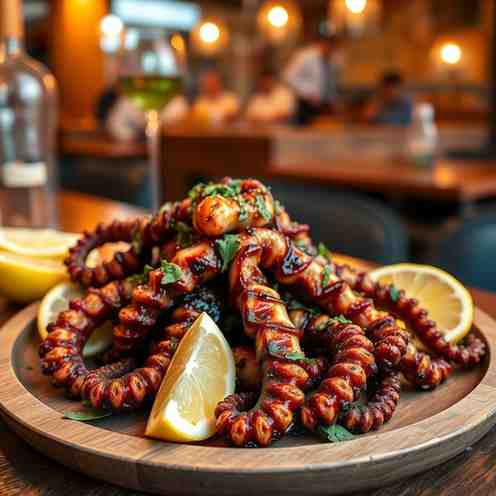

- Serves: 4 People
- Prepare Time: 20 minutes
- Cooking Time: 80 minutes
- Calories: -
- Difficulty: Medium
Get ready to transport your taste buds straight to the sunny shores of Greece! There’s nothing quite like the experience of savoring perfectly `grilled Greek octopus` – tender, smoky, and bursting with the vibrant flavors of the Mediterranean. Forget any intimidation you might feel about cooking octopus; with our definitive guide, you'll master this classic dish, turning simple ingredients into an extraordinary meal. Imagine succulent `octopus in olive oil`, infused with bright `fresh lemon juice` and aromatic `oregano`, hot off the grill with those irresistible charred edges. This isn't just a recipe; it's an invitation to explore the heart of Greek cuisine, offering a dish that's both elegant and incredibly satisfying. Whether you’re a seasoned cook or just starting your culinary adventure, we’re here to show you how to achieve that melt-in-your-mouth tenderness and irresistible flavor that makes this `grilled food recipe` a true standout.
Ingredients
Directions
- Poach the Octopus (The Secret to Tenderness):
- If using fresh octopus, ensure it's thoroughly cleaned (remove beak, eyes, and ink sac). If frozen, thaw it completely in the refrigerator overnight. Freezing and thawing can actually help tenderize the octopus, so don't shy away from frozen!
- Place the cleaned octopus in a large pot. Add enough water to cover it completely. For extra flavor, you can add red wine vinegar, bay leaves, and a quartered onion to the poaching liquid.
- Bring the water to a gentle simmer (not a rolling boil) over medium heat. Reduce heat to low, cover the pot, and let it poach slowly for 45-75 minutes, depending on the size of your octopus.
- How to check for tenderness: The octopus is ready when a fork easily pierces the thickest part of a tentacle. It should be soft, not rubbery.
- Once tender, remove the octopus from the pot and let it cool slightly. You can cut the tentacles from the head if desired, or grill the whole body if it fits your grill. Discard the poaching liquid.
- Prepare the Grill:
- Preheat your outdoor grill to a high temperature grill setting (around 450-500°F / 230-260°C). If using a stovetop grill pan, heat it over medium-high heat until smoking.
- Clean your grill grates thoroughly with a wire brush. Lightly oil the grates or the grill pan to prevent sticking. A little `extra virgin olive oil for cooking` works wonders here.
- Lightly brush the poached octopus with a little `olive oil for cooking`. Season generously with salt and pepper.
- Place the octopus directly on the `high heat grill`. Grill for 3-5 minutes per side, or until it develops beautiful char marks and the edges become slightly crispy. Don't overcrowd the grill; work in batches if necessary.
- Checking for perfect char and tenderness: You want those dark, caramelized grill marks, but the octopus should remain tender inside. If it feels too firm, it might need a minute or two longer, but be careful not to overcook and make it tough.
- Serve for Maximum Flavor:
- Transfer the `hot off the grill` octopus to a serving platter.
- Drizzle generously with the remaining `greek olive oil from greece`, `fresh lemon juice`, and a sprinkle of dried Greek oregano.
- Serve immediately with fresh lemon wedges on the side. This dish is fantastic on its own or as part of a larger Mediterranean spread.
Grilled Greek Octopus - Lemon & Oregano Recipe | Cook Now

- Serves: 4 People
- Prepare Time: 20 minutes
- Cooking Time: 80 minutes
- Calories: -
- Difficulty: Medium
Get ready to transport your taste buds straight to the sunny shores of Greece! There’s nothing quite like the experience of savoring perfectly `grilled Greek octopus` – tender, smoky, and bursting with the vibrant flavors of the Mediterranean. Forget any intimidation you might feel about cooking octopus; with our definitive guide, you'll master this classic dish, turning simple ingredients into an extraordinary meal. Imagine succulent `octopus in olive oil`, infused with bright `fresh lemon juice` and aromatic `oregano`, hot off the grill with those irresistible charred edges. This isn't just a recipe; it's an invitation to explore the heart of Greek cuisine, offering a dish that's both elegant and incredibly satisfying. Whether you’re a seasoned cook or just starting your culinary adventure, we’re here to show you how to achieve that melt-in-your-mouth tenderness and irresistible flavor that makes this `grilled food recipe` a true standout.
Ingredients
Directions
- Poach the Octopus (The Secret to Tenderness):
- If using fresh octopus, ensure it's thoroughly cleaned (remove beak, eyes, and ink sac). If frozen, thaw it completely in the refrigerator overnight. Freezing and thawing can actually help tenderize the octopus, so don't shy away from frozen!
- Place the cleaned octopus in a large pot. Add enough water to cover it completely. For extra flavor, you can add red wine vinegar, bay leaves, and a quartered onion to the poaching liquid.
- Bring the water to a gentle simmer (not a rolling boil) over medium heat. Reduce heat to low, cover the pot, and let it poach slowly for 45-75 minutes, depending on the size of your octopus.
- How to check for tenderness: The octopus is ready when a fork easily pierces the thickest part of a tentacle. It should be soft, not rubbery.
- Once tender, remove the octopus from the pot and let it cool slightly. You can cut the tentacles from the head if desired, or grill the whole body if it fits your grill. Discard the poaching liquid.
- Prepare the Grill:
- Preheat your outdoor grill to a high temperature grill setting (around 450-500°F / 230-260°C). If using a stovetop grill pan, heat it over medium-high heat until smoking.
- Clean your grill grates thoroughly with a wire brush. Lightly oil the grates or the grill pan to prevent sticking. A little `extra virgin olive oil for cooking` works wonders here.
- Lightly brush the poached octopus with a little `olive oil for cooking`. Season generously with salt and pepper.
- Place the octopus directly on the `high heat grill`. Grill for 3-5 minutes per side, or until it develops beautiful char marks and the edges become slightly crispy. Don't overcrowd the grill; work in batches if necessary.
- Checking for perfect char and tenderness: You want those dark, caramelized grill marks, but the octopus should remain tender inside. If it feels too firm, it might need a minute or two longer, but be careful not to overcook and make it tough.
- Serve for Maximum Flavor:
- Transfer the `hot off the grill` octopus to a serving platter.
- Drizzle generously with the remaining `greek olive oil from greece`, `fresh lemon juice`, and a sprinkle of dried Greek oregano.
- Serve immediately with fresh lemon wedges on the side. This dish is fantastic on its own or as part of a larger Mediterranean spread.
You may also like


Hey there! I’m just someone who seriously loves good food and believes that cooking doesn’t have to be complicated to be amazing. Whether it’s a quick weeknight dinner or a cozy weekend meal, I’m all about sharing easy, tasty recipes that actually work.