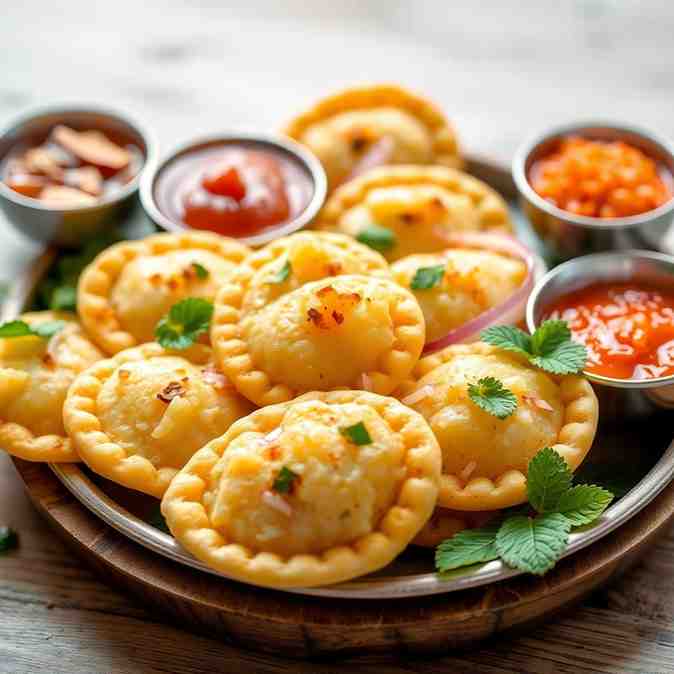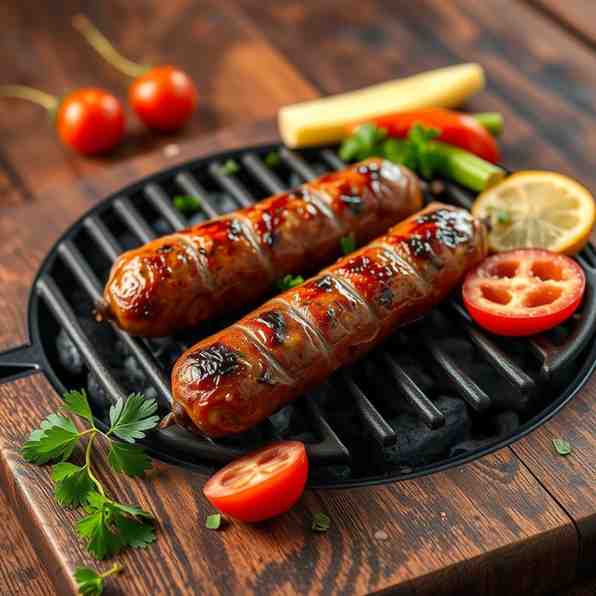
Grilled Otak-Otak Recipe - Fish Cakes
Grilled Otak-Otak Recipe - Fish Cakes
- Serves: 12 People
- Prepare Time: 40 minutes
- Cooking Time: 25 minutes
- Calories: -
- Difficulty: Medium
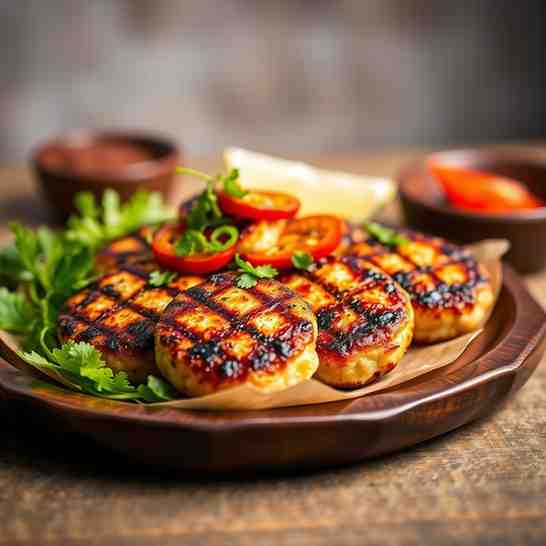
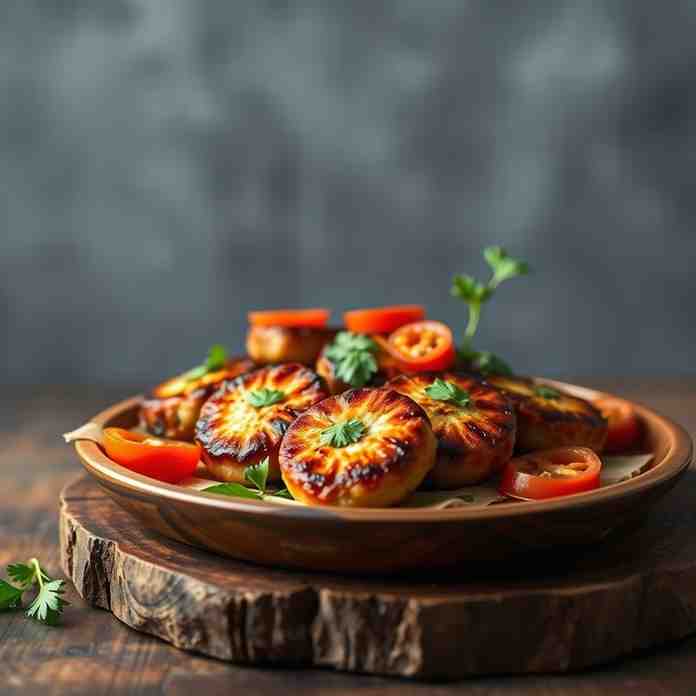
Ever dreamt of bringing the vibrant flavors of Southeast Asia right to your backyard grill? Get ready to master Otak-Otak! This incredible Malaysian dish is a spiced fish "custard" or fish cake, traditionally wrapped in fragrant banana leaves. While you might find steamed versions, our recipe focuses on the grilled method, which is truly where the magic happens. Grilling infuses the fish cakes with an irresistible smoky char and unlocks a unique, aromatic sweetness from the banana leaves that steaming just can't replicate. It’s the ultimate `recipes for cooking on the grill` experience! Whether you’re looking for a quick `grilled recipes for dinner` on a weeknight, hosting a backyard cookout, or need a show-stopping `finger food snack` for your next gathering, this `authentic asian food` is surprisingly accessible. We'll guide you step-by-step through making this delicious `southeast asian food` so you can enjoy the best `easy food to cook on the grill` right at home.
Ingredients
Directions
- Prep Banana Leaves
- If using frozen banana leaves, thaw them completely. Gently rinse both sides of the leaves under cool water and wipe them dry with a clean cloth.
- Using kitchen shears, carefully trim off any thick, fibrous ribs from the center of the leaves. This prevents them from tearing.
- Cut the large leaf into roughly 6x8-inch rectangles. You'll need about 12-16 pieces.
- To make the leaves pliable and prevent tearing during wrapping, quickly pass each piece over an open flame (like a gas burner) for a few seconds until it slightly changes color and becomes flexible. Alternatively, dip them in boiling water for 10-15 seconds, then pat dry. They should feel soft and bend easily without cracking.
- Make the Spice Paste
- Soak Chilies: Place the dried chilies in a bowl and cover with hot water. Let them soak for 15-20 minutes until softened. Drain, snip off the stems, and deseed if you prefer less heat.
- Blend Aromatics: In a food processor or high-speed blender, combine the softened chilies, chopped shallots, garlic cloves, sliced lemongrass, galangal (or ginger), and fresh turmeric (or ground turmeric). Add a tablespoon or two of water if needed to help it blend, but use as little as possible. Blend until you have a very fine, smooth paste.
- Cook Paste: Heat 2 tablespoons of cooking oil in a pan or wok over medium heat. Add the blended spice paste and sauté, stirring frequently, for 8-10 minutes. The paste should darken slightly, become very fragrant, and the oil will begin to separate from the paste. This step deepens the flavors and removes raw notes.
- Cool Completely: Transfer the cooked spice paste to a bowl and let it cool completely to room temperature. This is crucial; adding hot paste to the fish can start to cook it prematurely.
- Make the Fish Paste
- Prepare Fish: Cut the fish fillets into 1-inch chunks. Ensure there are no bones or skin.
- Blend Fish & Coconut Milk: In a clean food processor, add the fish chunks and half of the full-fat coconut milk. Pulse until the fish is finely minced but not completely pureed into a mush. You want a fine, almost shredded texture.
- Combine: Add the cooled spice paste, the remaining coconut milk, tapioca starch (or rice flour), toasted belacan, salt, and sugar to the food processor with the fish.
- Blend to Texture: Pulse again until everything is well combined and the mixture forms a thick, cohesive paste.
- Texture Checkpoint: The ideal fish paste should be thick, slightly sticky, and hold its shape on a spoon without being too runny. It should feel somewhat springy. If it's too wet, add another teaspoon of tapioca starch; if too dry, a tiny splash more coconut milk.
- Wrap Parcels
- Lay a prepped banana leaf rectangle shiny-side up on a clean surface.
- Scoop about 2-3 tablespoons of the fish paste onto the center of the leaf, forming an oblong shape. Keep the filling consistent for even cooking.
- Fold & Secure: Fold one long side of the banana leaf over the filling, then fold the other long side over to overlap. Fold in the short ends like an envelope.
- Secure the parcel with one or two toothpicks, pushing them through all layers of the leaf.
- Common Mistake Prevention: Don't overfill the parcels; they will expand slightly during cooking. Ensure the seams are tight to prevent leaking. Place toothpicks strategically to hold the folds securely. Arrange the wrapped parcels on a sheet pan.
- Grill the Canonical Method
- Preheat Grill: Preheat your gas or charcoal grill to medium-high heat (around 400°F / 200°C). If using charcoal, arrange coals for two-zone heat (one side direct, one side indirect). For gas, turn off one or more burners to create an indirect zone.
- Grill to Char: Place the Otak-Otak parcels directly over medium-high heat. Grill for 3-4 minutes per side, flipping carefully with tongs, until the banana leaves are nicely charred and fragrant. This charring is key for flavor and aroma.
- Finish Gently (Indirect Heat): Once charred, move the parcels to the indirect heat zone of your grill. Close the lid and continue to grill for another 10-15 minutes, or until the fish paste inside is firm and cooked through.
- Flip Timing & Sticking: Flip the parcels every 5 minutes or so to ensure even cooking and prevent sticking. If they start to stick, you can lightly oil the grill grates before placing the parcels, or ensure your initial charring is sufficient to create a crust.
- Doneness Checks: The Otak-Otak is done when the parcel feels firm and springy to the touch. When you open one, the fish paste inside should be opaque and firm, with no wet or raw-looking areas. An instant-read thermometer (optional) inserted into the center should register 145°F (63°C).
- Serve
- Rest Briefly: Let the grilled Otak-Otak parcels rest for 5 minutes after removing them from the grill. This allows the internal heat to equalize.
- Open & Enjoy: Carefully unwrap the banana leaf (or let your guests do it!). A squeeze of fresh lime juice over the top is highly recommended. Serve immediately as a hot snack or as part of a larger meal, perhaps with a side of peanut sauce.
Grilled Otak-Otak Recipe - Fish Cakes
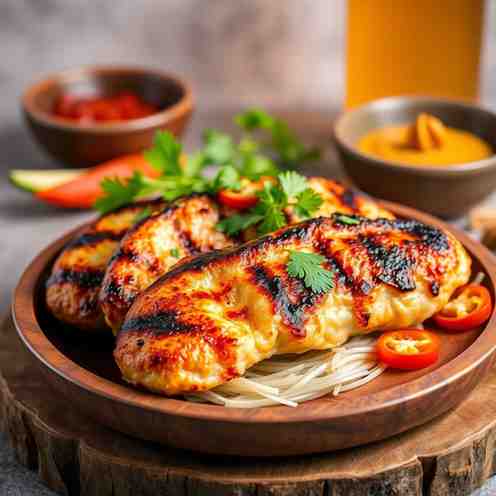
- Serves: 12 People
- Prepare Time: 40 minutes
- Cooking Time: 25 minutes
- Calories: -
- Difficulty: Medium
Ever dreamt of bringing the vibrant flavors of Southeast Asia right to your backyard grill? Get ready to master Otak-Otak! This incredible Malaysian dish is a spiced fish "custard" or fish cake, traditionally wrapped in fragrant banana leaves. While you might find steamed versions, our recipe focuses on the grilled method, which is truly where the magic happens. Grilling infuses the fish cakes with an irresistible smoky char and unlocks a unique, aromatic sweetness from the banana leaves that steaming just can't replicate. It’s the ultimate `recipes for cooking on the grill` experience! Whether you’re looking for a quick `grilled recipes for dinner` on a weeknight, hosting a backyard cookout, or need a show-stopping `finger food snack` for your next gathering, this `authentic asian food` is surprisingly accessible. We'll guide you step-by-step through making this delicious `southeast asian food` so you can enjoy the best `easy food to cook on the grill` right at home.
Ingredients
Directions
- Prep Banana Leaves
- If using frozen banana leaves, thaw them completely. Gently rinse both sides of the leaves under cool water and wipe them dry with a clean cloth.
- Using kitchen shears, carefully trim off any thick, fibrous ribs from the center of the leaves. This prevents them from tearing.
- Cut the large leaf into roughly 6x8-inch rectangles. You'll need about 12-16 pieces.
- To make the leaves pliable and prevent tearing during wrapping, quickly pass each piece over an open flame (like a gas burner) for a few seconds until it slightly changes color and becomes flexible. Alternatively, dip them in boiling water for 10-15 seconds, then pat dry. They should feel soft and bend easily without cracking.
- Make the Spice Paste
- Soak Chilies: Place the dried chilies in a bowl and cover with hot water. Let them soak for 15-20 minutes until softened. Drain, snip off the stems, and deseed if you prefer less heat.
- Blend Aromatics: In a food processor or high-speed blender, combine the softened chilies, chopped shallots, garlic cloves, sliced lemongrass, galangal (or ginger), and fresh turmeric (or ground turmeric). Add a tablespoon or two of water if needed to help it blend, but use as little as possible. Blend until you have a very fine, smooth paste.
- Cook Paste: Heat 2 tablespoons of cooking oil in a pan or wok over medium heat. Add the blended spice paste and sauté, stirring frequently, for 8-10 minutes. The paste should darken slightly, become very fragrant, and the oil will begin to separate from the paste. This step deepens the flavors and removes raw notes.
- Cool Completely: Transfer the cooked spice paste to a bowl and let it cool completely to room temperature. This is crucial; adding hot paste to the fish can start to cook it prematurely.
- Make the Fish Paste
- Prepare Fish: Cut the fish fillets into 1-inch chunks. Ensure there are no bones or skin.
- Blend Fish & Coconut Milk: In a clean food processor, add the fish chunks and half of the full-fat coconut milk. Pulse until the fish is finely minced but not completely pureed into a mush. You want a fine, almost shredded texture.
- Combine: Add the cooled spice paste, the remaining coconut milk, tapioca starch (or rice flour), toasted belacan, salt, and sugar to the food processor with the fish.
- Blend to Texture: Pulse again until everything is well combined and the mixture forms a thick, cohesive paste.
- Texture Checkpoint: The ideal fish paste should be thick, slightly sticky, and hold its shape on a spoon without being too runny. It should feel somewhat springy. If it's too wet, add another teaspoon of tapioca starch; if too dry, a tiny splash more coconut milk.
- Wrap Parcels
- Lay a prepped banana leaf rectangle shiny-side up on a clean surface.
- Scoop about 2-3 tablespoons of the fish paste onto the center of the leaf, forming an oblong shape. Keep the filling consistent for even cooking.
- Fold & Secure: Fold one long side of the banana leaf over the filling, then fold the other long side over to overlap. Fold in the short ends like an envelope.
- Secure the parcel with one or two toothpicks, pushing them through all layers of the leaf.
- Common Mistake Prevention: Don't overfill the parcels; they will expand slightly during cooking. Ensure the seams are tight to prevent leaking. Place toothpicks strategically to hold the folds securely. Arrange the wrapped parcels on a sheet pan.
- Grill the Canonical Method
- Preheat Grill: Preheat your gas or charcoal grill to medium-high heat (around 400°F / 200°C). If using charcoal, arrange coals for two-zone heat (one side direct, one side indirect). For gas, turn off one or more burners to create an indirect zone.
- Grill to Char: Place the Otak-Otak parcels directly over medium-high heat. Grill for 3-4 minutes per side, flipping carefully with tongs, until the banana leaves are nicely charred and fragrant. This charring is key for flavor and aroma.
- Finish Gently (Indirect Heat): Once charred, move the parcels to the indirect heat zone of your grill. Close the lid and continue to grill for another 10-15 minutes, or until the fish paste inside is firm and cooked through.
- Flip Timing & Sticking: Flip the parcels every 5 minutes or so to ensure even cooking and prevent sticking. If they start to stick, you can lightly oil the grill grates before placing the parcels, or ensure your initial charring is sufficient to create a crust.
- Doneness Checks: The Otak-Otak is done when the parcel feels firm and springy to the touch. When you open one, the fish paste inside should be opaque and firm, with no wet or raw-looking areas. An instant-read thermometer (optional) inserted into the center should register 145°F (63°C).
- Serve
- Rest Briefly: Let the grilled Otak-Otak parcels rest for 5 minutes after removing them from the grill. This allows the internal heat to equalize.
- Open & Enjoy: Carefully unwrap the banana leaf (or let your guests do it!). A squeeze of fresh lime juice over the top is highly recommended. Serve immediately as a hot snack or as part of a larger meal, perhaps with a side of peanut sauce.
You may also like

Hey there! I’m just someone who seriously loves good food and believes that cooking doesn’t have to be complicated to be amazing. Whether it’s a quick weeknight dinner or a cozy weekend meal, I’m all about sharing easy, tasty recipes that actually work.