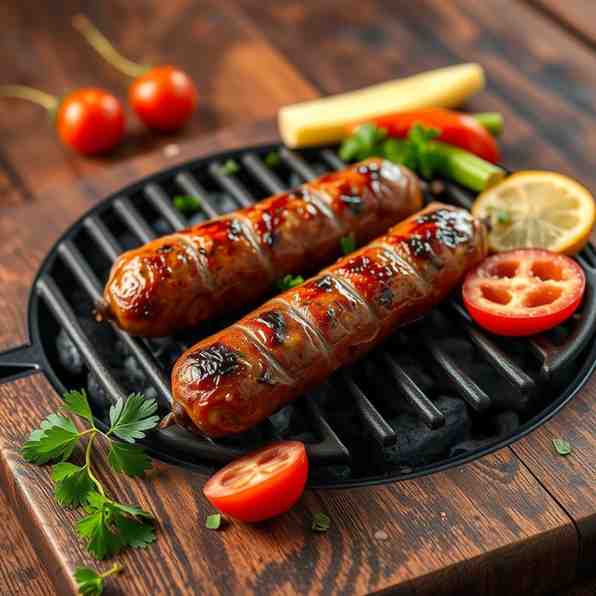
Haitian Griot - Best Pork Shoulder Seasoning & Crispy Fry
Haitian Griot - Best Pork Shoulder Seasoning & Crispy Fry


- Serves: 6 People
- Prepare Time: 30 minutes
- Cooking Time: 1 hour 45 m
- Calories: -
- Difficulty: Medium
Welcome to the vibrant world of Haitian fritay, where every bite tells a story of rich flavors and culinary tradition! "Fritay" (or fritaille) isn't just a dish; it's a celebration—a mouthwatering platter of various fried delights, with crispy griot almost always at its heart. If you've ever dreamt of experiencing the taste of the Caribbean right in your own kitchen, you're in the right place. This recipe is your definitive guide to crafting authentic Haitian Griot, delivering that perfect balance of a crispy, golden-brown exterior and incredibly juicy, tender pork inside. We’ll show you the secrets to the best seasoning for pork shoulder, using a fragrant epis-inspired blend and a bright lime juice mix that will transport your taste buds straight to Haiti. Get ready to master a dish that’s not just food, but a true culinary journey!
Ingredients
Directions
- Cut + Citrus Rinse/Soak: Cut your pork shoulder into uniform 1.5-2 inch cubes, ensuring each piece has some fat attached for maximum flavor and juiciness. In a large bowl, combine the pork with 1/4 cup lime juice, 1/4 cup sour orange juice (or substitute), and 1 tablespoon coarse sea salt. Add enough cold water to cover the pork. Let it soak for 10-15 minutes. This traditional Haitian step helps to clean the pork and infuse it with a foundational citrus flavor. Drain and rinse the pork thoroughly under cold water, then pat it very dry with paper towels. This crucial drying step prevents excess moisture from diluting your seasoning and helps with crispiness later.
- Blend Epis-Style Seasoning: In a blender or food processor, combine all ingredients for the epis-inspired seasoning blend: bell peppers, onion, garlic, parsley, cilantro, Scotch bonnet pepper(s), thyme leaves, salt, black pepper, ground cloves (if using), 1/4 cup lime juice, 1/4 cup water or broth, and the optional Maggi cube. Blend until you achieve a smooth, vibrant paste. The texture should be fine enough to cling to the pork, without large chunks.
- Marinate: Place the dried pork cubes in a large bowl or a resealable bag. Pour the blended epis seasoning over the pork, ensuring every piece is thoroughly coated. Mix well with your hands. Cover the bowl or seal the bag and refrigerate for a minimum of 30 minutes. For the absolute best flavor penetration and tenderness, marinate overnight (8-12 hours).
- Simmer Until Tender: Transfer the marinated pork and all the seasoning liquid to a heavy-bottomed pot or Dutch oven. Add the simmering aromatics (bay leaves and fresh thyme sprig) and 1/2 cup water or vegetable broth. Bring the mixture to a gentle boil over medium-high heat, then reduce the heat to low, cover, and simmer. Cook for 1 to 1.5 hours, or until the pork is fork-tender. The liquid should mostly reduce, leaving the pork in a thick, flavorful sauce. To test tenderness, a fork should easily pierce the pork with little resistance. If it's tough, continue simmering for another 15-30 minutes.
- Dry the Pork: Once tender, remove the pork pieces from the pot using a slotted spoon, leaving any remaining liquid behind. Spread the pork out in a single layer on a wire rack set over a baking sheet. This allows air to circulate around the pork, helping it dry completely. This is a critical step that many skip, but it ensures maximum crispiness during frying and prevents oily, greasy griot. Let it air dry for at least 30 minutes, or even longer in the refrigerator.
- Fry: Heat 4-6 cups of neutral oil in your heavy-bottomed pot or Dutch oven over medium-high heat until it reaches 350-375°F (175-190°C). Use a kitchen thermometer to monitor the temperature; maintaining the correct oil temperature is key to crispy, non-greasy griot. Carefully add the dried pork pieces to the hot oil in batches, ensuring you don't overcrowd the pot. Overcrowding will lower the oil temperature and result in soggy pork. Fry each batch for 5-7 minutes, turning occasionally, until the griot is deep golden brown and beautifully crispy on all sides. The finished color should be a rich, appetizing brown.
- Finish + Serve: Once fried, remove the griot from the oil and place it back on the wire rack over the baking sheet to drain any excess oil. This also helps maintain crispiness. Serve immediately with a final squeeze of fresh lime juice and a sprinkle of chopped parsley or cilantro.
- Doneness + Troubleshooting (tight, practical):
- If it’s tough after simmering: The pork needs more time. Continue simmering, covered, adding a splash of water or broth if the pot is dry, until it's easily pierced with a fork. Toughness means the collagen hasn't broken down yet.
- If it’s not getting crispy: Ensure your pork was thoroughly dried after simmering. Too much moisture will steam rather than fry. Also, check your oil temperature—it might be too low. Don't overcrowd the pot, as this drops the oil temp significantly.
- If it’s getting oily/greasy: Your oil temperature is likely too low. The pork is absorbing oil instead of forming a crisp crust. Increase the heat. Also, ensure you drain on a wire rack immediately after frying.
- If it’s too spicy: For the next batch, reduce the amount of Scotch bonnet pepper or remove the seeds and membranes (where most of the heat resides). Serving with cooling sides like pikliz or a simple salad can also balance the heat.
Haitian Griot - Best Pork Shoulder Seasoning & Crispy Fry

- Serves: 6 People
- Prepare Time: 30 minutes
- Cooking Time: 1 hour 45 m
- Calories: -
- Difficulty: Medium
Welcome to the vibrant world of Haitian fritay, where every bite tells a story of rich flavors and culinary tradition! "Fritay" (or fritaille) isn't just a dish; it's a celebration—a mouthwatering platter of various fried delights, with crispy griot almost always at its heart. If you've ever dreamt of experiencing the taste of the Caribbean right in your own kitchen, you're in the right place. This recipe is your definitive guide to crafting authentic Haitian Griot, delivering that perfect balance of a crispy, golden-brown exterior and incredibly juicy, tender pork inside. We’ll show you the secrets to the best seasoning for pork shoulder, using a fragrant epis-inspired blend and a bright lime juice mix that will transport your taste buds straight to Haiti. Get ready to master a dish that’s not just food, but a true culinary journey!
Ingredients
Directions
- Cut + Citrus Rinse/Soak: Cut your pork shoulder into uniform 1.5-2 inch cubes, ensuring each piece has some fat attached for maximum flavor and juiciness. In a large bowl, combine the pork with 1/4 cup lime juice, 1/4 cup sour orange juice (or substitute), and 1 tablespoon coarse sea salt. Add enough cold water to cover the pork. Let it soak for 10-15 minutes. This traditional Haitian step helps to clean the pork and infuse it with a foundational citrus flavor. Drain and rinse the pork thoroughly under cold water, then pat it very dry with paper towels. This crucial drying step prevents excess moisture from diluting your seasoning and helps with crispiness later.
- Blend Epis-Style Seasoning: In a blender or food processor, combine all ingredients for the epis-inspired seasoning blend: bell peppers, onion, garlic, parsley, cilantro, Scotch bonnet pepper(s), thyme leaves, salt, black pepper, ground cloves (if using), 1/4 cup lime juice, 1/4 cup water or broth, and the optional Maggi cube. Blend until you achieve a smooth, vibrant paste. The texture should be fine enough to cling to the pork, without large chunks.
- Marinate: Place the dried pork cubes in a large bowl or a resealable bag. Pour the blended epis seasoning over the pork, ensuring every piece is thoroughly coated. Mix well with your hands. Cover the bowl or seal the bag and refrigerate for a minimum of 30 minutes. For the absolute best flavor penetration and tenderness, marinate overnight (8-12 hours).
- Simmer Until Tender: Transfer the marinated pork and all the seasoning liquid to a heavy-bottomed pot or Dutch oven. Add the simmering aromatics (bay leaves and fresh thyme sprig) and 1/2 cup water or vegetable broth. Bring the mixture to a gentle boil over medium-high heat, then reduce the heat to low, cover, and simmer. Cook for 1 to 1.5 hours, or until the pork is fork-tender. The liquid should mostly reduce, leaving the pork in a thick, flavorful sauce. To test tenderness, a fork should easily pierce the pork with little resistance. If it's tough, continue simmering for another 15-30 minutes.
- Dry the Pork: Once tender, remove the pork pieces from the pot using a slotted spoon, leaving any remaining liquid behind. Spread the pork out in a single layer on a wire rack set over a baking sheet. This allows air to circulate around the pork, helping it dry completely. This is a critical step that many skip, but it ensures maximum crispiness during frying and prevents oily, greasy griot. Let it air dry for at least 30 minutes, or even longer in the refrigerator.
- Fry: Heat 4-6 cups of neutral oil in your heavy-bottomed pot or Dutch oven over medium-high heat until it reaches 350-375°F (175-190°C). Use a kitchen thermometer to monitor the temperature; maintaining the correct oil temperature is key to crispy, non-greasy griot. Carefully add the dried pork pieces to the hot oil in batches, ensuring you don't overcrowd the pot. Overcrowding will lower the oil temperature and result in soggy pork. Fry each batch for 5-7 minutes, turning occasionally, until the griot is deep golden brown and beautifully crispy on all sides. The finished color should be a rich, appetizing brown.
- Finish + Serve: Once fried, remove the griot from the oil and place it back on the wire rack over the baking sheet to drain any excess oil. This also helps maintain crispiness. Serve immediately with a final squeeze of fresh lime juice and a sprinkle of chopped parsley or cilantro.
- Doneness + Troubleshooting (tight, practical):
- If it’s tough after simmering: The pork needs more time. Continue simmering, covered, adding a splash of water or broth if the pot is dry, until it's easily pierced with a fork. Toughness means the collagen hasn't broken down yet.
- If it’s not getting crispy: Ensure your pork was thoroughly dried after simmering. Too much moisture will steam rather than fry. Also, check your oil temperature—it might be too low. Don't overcrowd the pot, as this drops the oil temp significantly.
- If it’s getting oily/greasy: Your oil temperature is likely too low. The pork is absorbing oil instead of forming a crisp crust. Increase the heat. Also, ensure you drain on a wire rack immediately after frying.
- If it’s too spicy: For the next batch, reduce the amount of Scotch bonnet pepper or remove the seeds and membranes (where most of the heat resides). Serving with cooling sides like pikliz or a simple salad can also balance the heat.
You may also like

Hey there! I’m just someone who seriously loves good food and believes that cooking doesn’t have to be complicated to be amazing. Whether it’s a quick weeknight dinner or a cozy weekend meal, I’m all about sharing easy, tasty recipes that actually work.