
Hardfiskur - Make Icelandic Dried Fish & Explore Reykjavik Tours
Hardfiskur - Make Icelandic Dried Fish & Explore Reykjavik Tours
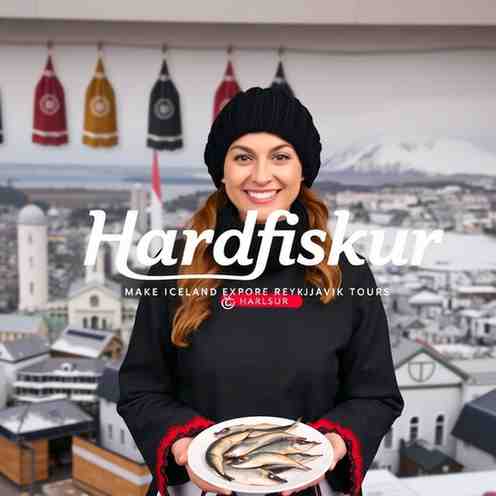

- Serves: 4 People
- Prepare Time: 20 minutes
- Cooking Time: 6-12 hours
- Calories: -
- Difficulty: Medium
Ever found yourself dreaming of Iceland's stunning landscapes and unique culinary delights? Perhaps you're planning Reykjavik tours or even an Iceland guided tour and want to truly immerse yourself in the local culture. Well, get ready to bring a piece of the Arctic island right into your kitchen with Hardfiskur (pronounced 'HARTH-fis-kur'), Iceland's incredibly popular dried fish snack. This isn't just any snack; it's a taste of history, a high-protein powerhouse, and a staple you'll find locals enjoying everywhere from casual gatherings to festive occasions.
What exactly is Hardfiskur? It's a remarkably dry, firm, and yes, very fish-forward delicacy, traditionally made from cod or haddock. Think of it as Iceland’s answer to beef jerky, but with a distinctly oceanic flavor profile. The classic, and frankly, best way to enjoy it is slathered with a generous layer of creamy Icelandic butter – a combination that's surprisingly addictive!
This recipe is perfect for curious cooks eager to explore international flavors, seasoned Iceland travelers missing a taste of home, or anyone looking for a unique, protein-packed snack. If you're wondering what to expect on your day tours in Iceland from Reykjavik or simply want to try something truly authentic, learning to make Hardfiskur at home is an adventure in itself. Let's dive in and master the art of Icelandic dried fish!
Before we get to the how-to, let’s quickly break down what you’ll need and how much time you’ll be investing in this delicious project. Equipment Summary: You'll primarily need a dehydrator, some trays or mesh sheets, and an instant-read thermometer.
Ingredients
Directions
- Buy the Right Fish: Start with the freshest white fish fillets you can find – cod or haddock are ideal. Look for firm, translucent flesh with no strong "fishy" odor. Aim for fillets that are roughly 1 inch (2.5 cm) thick.
- Prep Your Fillets: Give the fish a quick rinse under cold water, then pat them very dry with paper towels. This is crucial for successful drying! Feel for any lingering pin bones with your fingertips and remove them with tweezers. Finally, slice the fillets evenly into strips about 1/4 to 1/2 inch (0.6-1.2 cm) thick and 1-2 inches (2.5-5 cm) wide. Uniform thickness ensures even drying.
- Salt the Fish: Lay the fish strips on a clean sheet pan lined with paper towels. Sprinkle salt generously over both sides of the fish. Let it rest in the refrigerator for 30 to 60 minutes. This draws out moisture and seasons the fish. After resting, pat the fish extremely dry again with fresh paper towels. Any surface moisture will hinder the drying process.
- Dehydrate: Arrange the fish strips in a single layer on your dehydrator trays, making sure there's space between each piece for good airflow. Set your dehydrator to 145°F (63°C). Dry for 6 to 12 hours. You'll want to flip the strips once or twice during the drying process to ensure even exposure.
- Cool & Check: Once the initial drying time is up, turn off the dehydrator and let the fish cool on the trays for about 10 minutes. Then, check the thickest strip. It should feel very dry and stiff. If it still feels pliable or soft in the center, return it to the dehydrator and continue drying, checking every hour or so.
- Doneness Test: The Hardfiskur is ready when it's completely dry and stiff. When you bend the thickest part, it should crack or snap cleanly rather than just bending. It should also be lighter in weight than when you started.
- Beat & Portion: This is the traditional way to soften the incredibly hard dried fish. Place a few dried fish pieces in a clean zip-top bag or between two sheets of parchment paper. Gently pound them with a rolling pin or a meat mallet. The goal isn't to pulverize it, but to break down the fibers so it flakes easily instead of shattering.
- Serve: Break the beaten Hardfiskur into smaller, bite-sized pieces. Spread a generous amount of softened butter (Icelandic butter is a dream here!) over each piece. For an extra touch, sprinkle with a little lemon zest and freshly ground black pepper. Enjoy your authentic Icelandic snack!Now that you've mastered the method, let's talk about what a perfect batch of Hardfiskur looks and feels like.
- What Success Looks Like (Mini Checklist)
- Appearance: The finished Hardfiskur should be light, opaque, and have a slightly yellowish or off-white color. No wet or translucent spots.
- Texture when you snap/bend: When bent, it should snap cleanly with a distinct crack, especially in the thickest parts. It should not just bend or feel rubbery.
- Smell: It will have a clear, concentrated fish aroma – this is normal! A red flag would be any sour, ammonia-like, or overly "off" smell, which indicates spoilage.
Hardfiskur - Make Icelandic Dried Fish & Explore Reykjavik Tours

- Serves: 4 People
- Prepare Time: 20 minutes
- Cooking Time: 6-12 hours
- Calories: -
- Difficulty: Medium
Ever found yourself dreaming of Iceland's stunning landscapes and unique culinary delights? Perhaps you're planning Reykjavik tours or even an Iceland guided tour and want to truly immerse yourself in the local culture. Well, get ready to bring a piece of the Arctic island right into your kitchen with Hardfiskur (pronounced 'HARTH-fis-kur'), Iceland's incredibly popular dried fish snack. This isn't just any snack; it's a taste of history, a high-protein powerhouse, and a staple you'll find locals enjoying everywhere from casual gatherings to festive occasions.
What exactly is Hardfiskur? It's a remarkably dry, firm, and yes, very fish-forward delicacy, traditionally made from cod or haddock. Think of it as Iceland’s answer to beef jerky, but with a distinctly oceanic flavor profile. The classic, and frankly, best way to enjoy it is slathered with a generous layer of creamy Icelandic butter – a combination that's surprisingly addictive!
This recipe is perfect for curious cooks eager to explore international flavors, seasoned Iceland travelers missing a taste of home, or anyone looking for a unique, protein-packed snack. If you're wondering what to expect on your day tours in Iceland from Reykjavik or simply want to try something truly authentic, learning to make Hardfiskur at home is an adventure in itself. Let's dive in and master the art of Icelandic dried fish!
Before we get to the how-to, let’s quickly break down what you’ll need and how much time you’ll be investing in this delicious project. Equipment Summary: You'll primarily need a dehydrator, some trays or mesh sheets, and an instant-read thermometer.
Ingredients
Directions
- Buy the Right Fish: Start with the freshest white fish fillets you can find – cod or haddock are ideal. Look for firm, translucent flesh with no strong "fishy" odor. Aim for fillets that are roughly 1 inch (2.5 cm) thick.
- Prep Your Fillets: Give the fish a quick rinse under cold water, then pat them very dry with paper towels. This is crucial for successful drying! Feel for any lingering pin bones with your fingertips and remove them with tweezers. Finally, slice the fillets evenly into strips about 1/4 to 1/2 inch (0.6-1.2 cm) thick and 1-2 inches (2.5-5 cm) wide. Uniform thickness ensures even drying.
- Salt the Fish: Lay the fish strips on a clean sheet pan lined with paper towels. Sprinkle salt generously over both sides of the fish. Let it rest in the refrigerator for 30 to 60 minutes. This draws out moisture and seasons the fish. After resting, pat the fish extremely dry again with fresh paper towels. Any surface moisture will hinder the drying process.
- Dehydrate: Arrange the fish strips in a single layer on your dehydrator trays, making sure there's space between each piece for good airflow. Set your dehydrator to 145°F (63°C). Dry for 6 to 12 hours. You'll want to flip the strips once or twice during the drying process to ensure even exposure.
- Cool & Check: Once the initial drying time is up, turn off the dehydrator and let the fish cool on the trays for about 10 minutes. Then, check the thickest strip. It should feel very dry and stiff. If it still feels pliable or soft in the center, return it to the dehydrator and continue drying, checking every hour or so.
- Doneness Test: The Hardfiskur is ready when it's completely dry and stiff. When you bend the thickest part, it should crack or snap cleanly rather than just bending. It should also be lighter in weight than when you started.
- Beat & Portion: This is the traditional way to soften the incredibly hard dried fish. Place a few dried fish pieces in a clean zip-top bag or between two sheets of parchment paper. Gently pound them with a rolling pin or a meat mallet. The goal isn't to pulverize it, but to break down the fibers so it flakes easily instead of shattering.
- Serve: Break the beaten Hardfiskur into smaller, bite-sized pieces. Spread a generous amount of softened butter (Icelandic butter is a dream here!) over each piece. For an extra touch, sprinkle with a little lemon zest and freshly ground black pepper. Enjoy your authentic Icelandic snack!Now that you've mastered the method, let's talk about what a perfect batch of Hardfiskur looks and feels like.
- What Success Looks Like (Mini Checklist)
- Appearance: The finished Hardfiskur should be light, opaque, and have a slightly yellowish or off-white color. No wet or translucent spots.
- Texture when you snap/bend: When bent, it should snap cleanly with a distinct crack, especially in the thickest parts. It should not just bend or feel rubbery.
- Smell: It will have a clear, concentrated fish aroma – this is normal! A red flag would be any sour, ammonia-like, or overly "off" smell, which indicates spoilage.
You may also like

Hey there! I’m just someone who seriously loves good food and believes that cooking doesn’t have to be complicated to be amazing. Whether it’s a quick weeknight dinner or a cozy weekend meal, I’m all about sharing easy, tasty recipes that actually work.



