Healthy Afghan Kofta Flavorful Meatballs in Sauce
Healthy Afghan Kofta Flavorful Meatballs in Sauce

- Serves: 6 People
- Prepare Time: 25 minutes
- Cooking Time: 40 minutes
- Calories: 650
- Difficulty: Easy
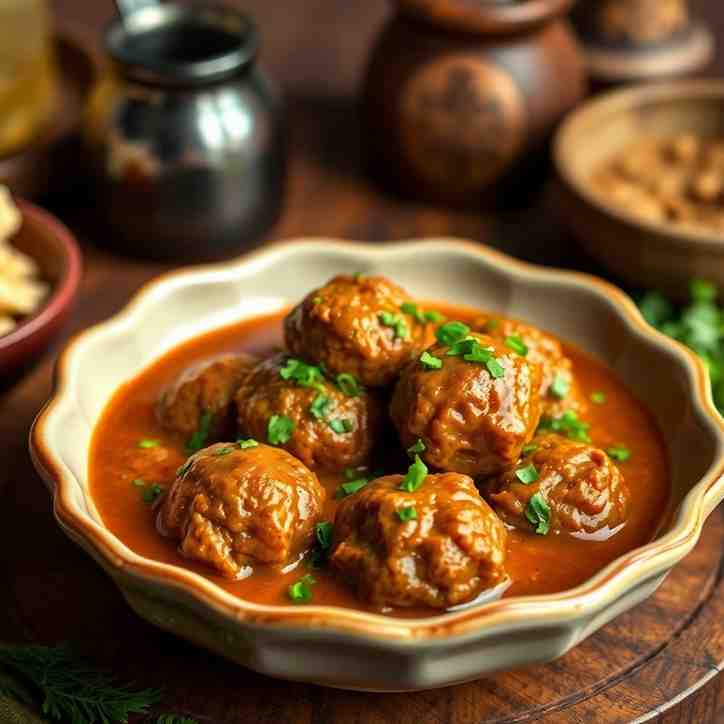
Forget everything you think you know about meatballs, because we’re diving into a culinary journey that’s both incredibly flavorful and wonderfully light: Healthy Afghan Kofta Meatballs in Tomato Sauce. Unlike their Italian cousins, Afghan kofta brings a bold, aromatic spice profile to the table, creating a dish that’s rich in taste without being heavy. This version focuses on lean meat and smart cooking methods, making it one of the most satisfying `meatball dishes healthy` you can whip up for dinner. Get ready for juicy, spiced meatballs simmered in a vibrant tomato sauce, perfectly complemented by fluffy basmati rice. It’s a taste adventure that’s easy to make, healthy, and absolutely delicious!
This recipe delivers a truly exceptional meal: healthy, boldly spiced, and surprisingly weeknight-friendly. You'll spend about 25 minutes on prep and 40 minutes cooking, yielding enough for 6 people with a medium skill level required – perfect for both beginners and seasoned cooks. Imagine juicy Afghan-style meatballs simmered in a gently spiced tomato sauce, served over fluffy basmati rice. The key benefits of our kofta compared to typical meatballs are clear: we use leaner meat, rely heavily on aromatic spices instead of excessive cheese, and we brown or bake them instead of deep-frying, making this a genuinely `healthy homemade dish`.
Ingredients
Directions
- Prep the Kofta Mixture
In a large bowl, combine the grated onion, minced garlic, chopped fresh herbs (cilantro/parsley), kofta spice blend (coriander, cumin, chili/red pepper, paprika, turmeric), egg, whole-grain breadcrumbs (or soaked bread), salt, and black pepper. Mix these ingredients thoroughly. Now, gently fold in the lean ground meat. Mix just until everything is combined and the mixture holds together. Be careful not to overmix, as this can lead to tough meatballs. The mixture should feel soft and slightly sticky, not dry or crumbly. - Shape the Kofta Meatballs
Lightly oil your hands to prevent sticking. Scoop out about 1.5 to 2 tablespoons of the meat mixture and roll it into even, golf-ball-sized meatballs. Aim for about 18-20 meatballs. Do not compress them too hard. Once shaped, you can chill the kofta for 15-20 minutes in the fridge; this helps them hold their shape better during cooking. - Brown or Bake the Kofta
Preheat your oven to 400°F (200°C). Line a baking sheet with parchment paper and lightly grease it with olive oil. Arrange the shaped kofta meatballs on the prepared baking sheet, ensuring they have a little space between them. Bake for 15-20 minutes, or until they are lightly golden on the outside and no longer pink on the surface, but still slightly undercooked inside. They will finish cooking through in the sauce. This method keeps the kofta lean and juicy. - Make the Quick Tomato Sauce
While the kofta is baking, heat 1 tablespoon of olive oil in a large skillet or Dutch oven over medium heat. Add the diced onion and sauté for 5-7 minutes until it's soft and lightly golden. Stir in the minced garlic and tomato paste, cooking for another 2-3 minutes, stirring constantly, until the tomato paste darkens slightly and becomes fragrant. This step deepens its flavor. Stir in the cumin, coriander, and black pepper, cooking for 30 seconds until aromatic. Pour in the crushed tomatoes, salt, pepper, and the optional pinch of sugar or grated carrot. Bring the sauce to a gentle simmer, then reduce heat to low, cover partially, and let it cook for 15-20 minutes while the kofta bakes. Skim off any foam that rises to the top if desired. Taste and adjust for salt, heat, and acidity. - Simmer the Kofta in the Sauce
Once the kofta are lightly browned, gently nestle them into the simmering tomato sauce. Ensure they are mostly submerged. Cover the skillet partially and continue to simmer for another 15-20 minutes, or until the meatballs are cooked through and tender. An internal temperature of 160°F (71°C) indicates they are done. Stir very gently occasionally to avoid breaking the meatballs. If the sauce becomes too thick, add a splash of water or broth. If it's too thin, let it simmer uncovered for a few minutes. Do a final taste test and adjust seasoning if needed, then stir in a generous sprinkle of fresh herbs. - Cook the Basmati Rice (Simple Method)
Rinse 2 cups of basmati rice thoroughly under cold running water until the water runs clear. You can soak it for 15-20 minutes if you like, then drain. In a medium saucepan, combine the rinsed rice with 3 cups of water (a common ratio is 1 cup rice to 1.5 cups water, adjust if your rice needs more). Bring to a boil, then immediately reduce the heat to the lowest setting, cover tightly, and simmer for 15 minutes. Remove from heat and let it steam, still covered, for another 10 minutes. Fluff with a fork and keep covered until serving. - Serve
Spoon a generous portion of fluffy basmati rice onto plates. Top with the warm Afghan kofta meatballs and plenty of the fragrant tomato sauce. Garnish with fresh chopped cilantro or parsley. For an extra touch, drizzle with a spoonful of plain yogurt or a simple lemon-yogurt sauce. If you want more vegetables, a simple side salad of cucumber and tomato would be a perfect addition.
Healthy Afghan Kofta Flavorful Meatballs in Sauce
- Serves: 6 People
- Prepare Time: 25 minutes
- Cooking Time: 40 minutes
- Calories: 650
- Difficulty: Easy
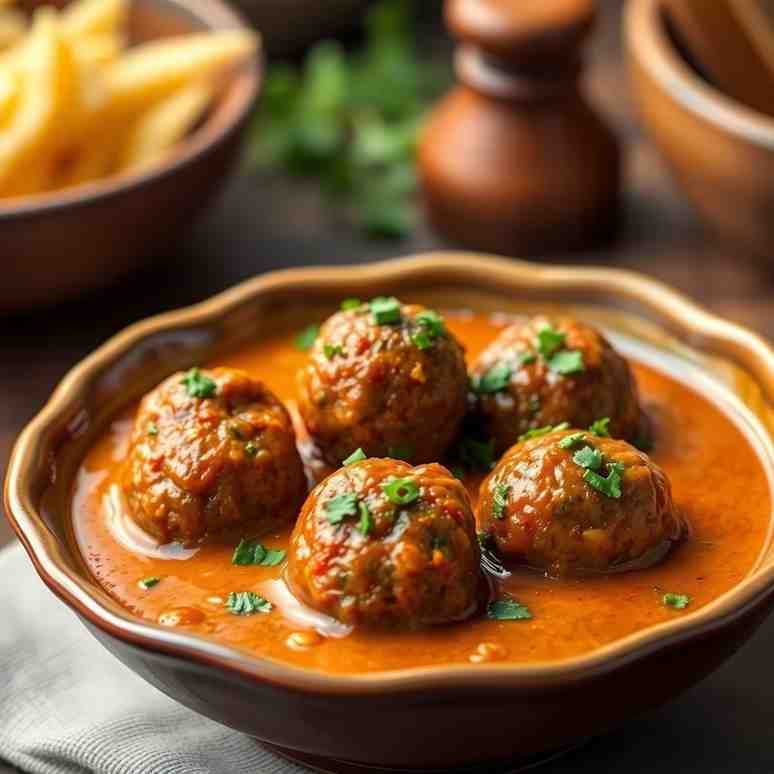
Forget everything you think you know about meatballs, because we’re diving into a culinary journey that’s both incredibly flavorful and wonderfully light: Healthy Afghan Kofta Meatballs in Tomato Sauce. Unlike their Italian cousins, Afghan kofta brings a bold, aromatic spice profile to the table, creating a dish that’s rich in taste without being heavy. This version focuses on lean meat and smart cooking methods, making it one of the most satisfying `meatball dishes healthy` you can whip up for dinner. Get ready for juicy, spiced meatballs simmered in a vibrant tomato sauce, perfectly complemented by fluffy basmati rice. It’s a taste adventure that’s easy to make, healthy, and absolutely delicious!
This recipe delivers a truly exceptional meal: healthy, boldly spiced, and surprisingly weeknight-friendly. You'll spend about 25 minutes on prep and 40 minutes cooking, yielding enough for 6 people with a medium skill level required – perfect for both beginners and seasoned cooks. Imagine juicy Afghan-style meatballs simmered in a gently spiced tomato sauce, served over fluffy basmati rice. The key benefits of our kofta compared to typical meatballs are clear: we use leaner meat, rely heavily on aromatic spices instead of excessive cheese, and we brown or bake them instead of deep-frying, making this a genuinely `healthy homemade dish`.
Ingredients
Directions
- Prep the Kofta Mixture
In a large bowl, combine the grated onion, minced garlic, chopped fresh herbs (cilantro/parsley), kofta spice blend (coriander, cumin, chili/red pepper, paprika, turmeric), egg, whole-grain breadcrumbs (or soaked bread), salt, and black pepper. Mix these ingredients thoroughly. Now, gently fold in the lean ground meat. Mix just until everything is combined and the mixture holds together. Be careful not to overmix, as this can lead to tough meatballs. The mixture should feel soft and slightly sticky, not dry or crumbly. - Shape the Kofta Meatballs
Lightly oil your hands to prevent sticking. Scoop out about 1.5 to 2 tablespoons of the meat mixture and roll it into even, golf-ball-sized meatballs. Aim for about 18-20 meatballs. Do not compress them too hard. Once shaped, you can chill the kofta for 15-20 minutes in the fridge; this helps them hold their shape better during cooking. - Brown or Bake the Kofta
Preheat your oven to 400°F (200°C). Line a baking sheet with parchment paper and lightly grease it with olive oil. Arrange the shaped kofta meatballs on the prepared baking sheet, ensuring they have a little space between them. Bake for 15-20 minutes, or until they are lightly golden on the outside and no longer pink on the surface, but still slightly undercooked inside. They will finish cooking through in the sauce. This method keeps the kofta lean and juicy. - Make the Quick Tomato Sauce
While the kofta is baking, heat 1 tablespoon of olive oil in a large skillet or Dutch oven over medium heat. Add the diced onion and sauté for 5-7 minutes until it's soft and lightly golden. Stir in the minced garlic and tomato paste, cooking for another 2-3 minutes, stirring constantly, until the tomato paste darkens slightly and becomes fragrant. This step deepens its flavor. Stir in the cumin, coriander, and black pepper, cooking for 30 seconds until aromatic. Pour in the crushed tomatoes, salt, pepper, and the optional pinch of sugar or grated carrot. Bring the sauce to a gentle simmer, then reduce heat to low, cover partially, and let it cook for 15-20 minutes while the kofta bakes. Skim off any foam that rises to the top if desired. Taste and adjust for salt, heat, and acidity. - Simmer the Kofta in the Sauce
Once the kofta are lightly browned, gently nestle them into the simmering tomato sauce. Ensure they are mostly submerged. Cover the skillet partially and continue to simmer for another 15-20 minutes, or until the meatballs are cooked through and tender. An internal temperature of 160°F (71°C) indicates they are done. Stir very gently occasionally to avoid breaking the meatballs. If the sauce becomes too thick, add a splash of water or broth. If it's too thin, let it simmer uncovered for a few minutes. Do a final taste test and adjust seasoning if needed, then stir in a generous sprinkle of fresh herbs. - Cook the Basmati Rice (Simple Method)
Rinse 2 cups of basmati rice thoroughly under cold running water until the water runs clear. You can soak it for 15-20 minutes if you like, then drain. In a medium saucepan, combine the rinsed rice with 3 cups of water (a common ratio is 1 cup rice to 1.5 cups water, adjust if your rice needs more). Bring to a boil, then immediately reduce the heat to the lowest setting, cover tightly, and simmer for 15 minutes. Remove from heat and let it steam, still covered, for another 10 minutes. Fluff with a fork and keep covered until serving. - Serve
Spoon a generous portion of fluffy basmati rice onto plates. Top with the warm Afghan kofta meatballs and plenty of the fragrant tomato sauce. Garnish with fresh chopped cilantro or parsley. For an extra touch, drizzle with a spoonful of plain yogurt or a simple lemon-yogurt sauce. If you want more vegetables, a simple side salad of cucumber and tomato would be a perfect addition.
The following nutritional values are per serving (one piece of cake) Calories ~550-650 kcal Carbohydrates ~60-70g Protein ~35-45g Fat ~18-25g Time-Saving Tools & Ingredients Here are a few smart picks that can make whipping up this Healthy Afghan Kofta recipe even quicker and smoother: Problem: Finely grating onion and mincing garlic can be a tedious and tear-inducing task, adding precious minutes to your prep time. Problem: Cooking basmati rice on the stovetop requires careful attention to get that perfect fluffy texture without burning or sticking. Problem: Peeling and mincing fresh garlic can be a small but repetitive step that adds up when you're in a rush. Click any ingredient for detailed nutritional information:Recipe Nutritional Values
Additional Information
Recipe Success Tips
Pro Tips for Juicy, Flavorful Kofta
Ingredient Substitutions & Variations
What to Serve with Afghan Kofta
Make-Ahead & Storage Instructions
Frequently Asked Questions
Recommended Kitchen Tools
Food Processor
Agitate: Who wants watery eyes and sticky hands when you're trying to get a healthy dinner on the table after a long day? Tedious chopping can make you dread cooking.
Solution: A food processor can tackle both jobs in mere seconds, transforming whole onions and garlic cloves into the perfect fine texture for your kofta and sauce, saving you time and effort.Rice Cooker
Agitate: Unevenly cooked, mushy, or burnt rice can really put a damper on your meal, and constantly monitoring a pot takes your focus away from the main dish.
Solution: A reliable rice cooker ensures perfectly cooked, fluffy basmati rice every single time with minimal supervision, allowing you to concentrate on your kofta and sauce without worry.Pre-Minced Garlic or Garlic Paste
Agitate: While fresh is always great, sometimes the convenience of pre-prepped ingredients is a game-changer, especially on busy weeknights.
Solution: Keep a jar of good quality pre-minced garlic or garlic paste in your fridge. It’s a fantastic shortcut that delivers robust garlic flavor instantly, without any of the peeling or chopping.Calories per Ingredient
Resources & References
You may also like



Hey there! I’m just someone who seriously loves good food and believes that cooking doesn’t have to be complicated to be amazing. Whether it’s a quick weeknight dinner or a cozy weekend meal, I’m all about sharing easy, tasty recipes that actually work.