
Bake High-Protein Pain de Sucre - Easy French-Inspired Recipe
Bake High-Protein Pain de Sucre - Easy French-Inspired Recipe
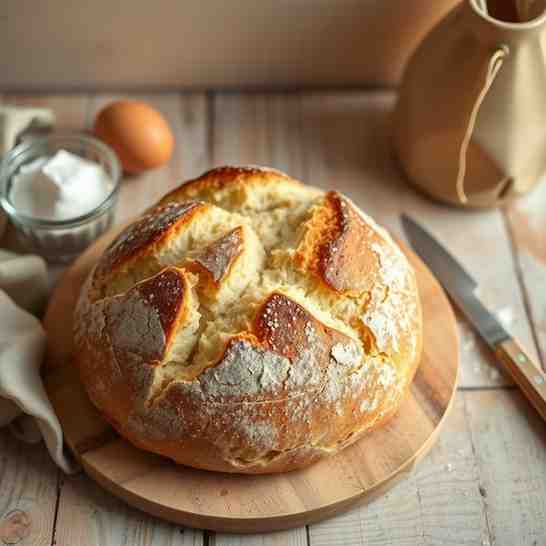
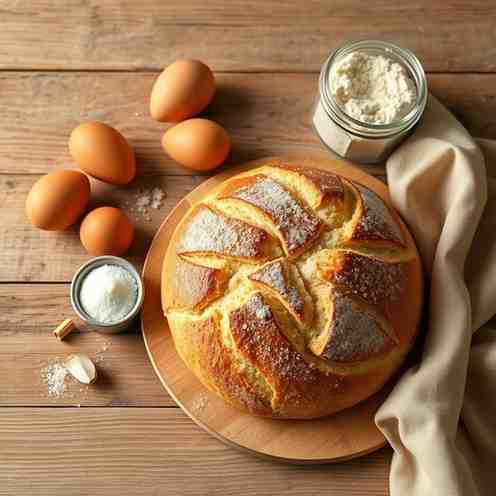
- Serves: 10 People
- Prepare Time: 30 minutes
- Cooking Time: 20-25 minut
- Calories: -
- Difficulty: Easy
Welcome to the world of French-inspired recipes with a healthy twist! If you're looking for an easy to make baking recipe that combines the delightful experience of baking sweets recipes with a boost of protein, you've landed in the right spot. Our High-Protein Pain de Sucre (French Sugar Bread Rolls) are the perfect delicious baking ideas to add to your repertoire. Imagine soft, lightly sweet, buttery rolls with a delightful crackly sugar top – pure bliss in every bite! This recipe isn't just about indulgence; it's a beginner-friendly way to enjoy French flour for bread (or even bread recipes using all purpose flour) while incorporating more protein into your diet, all made with everyday grocery ingredients. Get ready to bake some truly energizing bread with protein that’s as rewarding to make as it is to eat!
These are soft, rich, and lightly sweet French-inspired bread rolls, crowned with a delightful sugar crunch. Perfect for breakfast or a snack!
Protein Note: This recipe boosts protein content using Greek yogurt, nonfat dry milk, and eggs, providing a realistic protein contribution per roll/slice without compromising texture.
Pain de Sucre, which literally translates to "sugar bread" in French, refers to a delightful French-style sweet bread or rolls generously topped with sugar. It's a comforting treat, often enjoyed for breakfast or as an afternoon snack. You might also hear it called pain au sucre or pains au sucre, or sometimes even brioche au sucre due to its rich, soft texture.
Just to clarify, we're not talking about the chicory vegetable, the place name in Brazil, or a plain sugar loaf in the shape of a cone. This is all about delicious, sweet bread!
Creating a higher-protein bread without ending up with dry, tough rolls can be a challenge, but we've cracked the code! Here’s how we boost the protein in this Pain de Sucre while keeping it wonderfully tender:
Greek yogurt: Adds a significant protein punch while also contributing moisture and a lovely tang that enhances the tenderness of the rolls.
Nonfat dry milk: A secret weapon for bakers! It boosts protein and nutrients, contributes to a softer crumb, and helps with browning, all without adding extra liquid.
Eggs + bread flour: Eggs provide structure and richness, along with protein, while using bread flour (or AP with a protein boost) ensures a strong gluten network to hold everything together.
Don't dump in lots of protein powder without adjusting hydration: Protein powder can absorb a lot of liquid, leading to a very dry, dense dough if you don't compensate by adding more water or milk.
Don't cut fat too much: Fat, particularly butter, is crucial for the tender, rich crumb that makes these rolls so delightful. Cutting it too drastically will result in dry, tough rolls.
Ingredients
Directions
- Timeline (So You Know It’s Doable)
- Mix + Knead: 15-20 minutes
- First Rise: 60-90 minutes
- Shape: 10-15 minutes
- Second Rise (Proof): 30-45 minutes
- Bake + Cool: 20-25 minutes bake, 30 minutes cool
- Bloom/activate and mix the doughIn a large mixing bowl or the bowl of a stand mixer, combine the warm milk (aim for 105-115°F, or comfortably warm to the touch but not hot), instant yeast, and a pinch of the granulated sugar. Let it sit for 5 minutes to ensure the yeast is active and foamy. If it doesn't foam, your yeast might be old, or your milk was too hot/cold.Add the remaining granulated sugar, fine salt, bread flour, Greek yogurt, egg, and vanilla extract (if using) to the yeast mixture. Mix on low speed with a dough hook (or with a sturdy spoon) until a shaggy dough forms and all the flour is incorporated.
- Knead until smooth and stretchyIncrease the mixer speed to medium-low and knead for about 8-10 minutes, or knead by hand on a lightly floured surface for 10-12 minutes. Gradually add the softened unsalted butter, one tablespoon at a time, allowing each addition to be fully incorporated before adding the next. Continue kneading until the dough is smooth, elastic, and passes the "windowpane test" – you should be able to stretch a small piece of dough thin enough to see light through it without tearing.
- First riseLightly grease a clean bowl with a little oil. Transfer the dough to the bowl, turning it once to coat. Cover the bowl tightly with plastic wrap or a clean kitchen towel. Let the dough rise in a warm, draft-free place for 60-90 minutes, or until it has visibly doubled in size. Visual cues include a puffy, rounded top and a slight jiggle when the bowl is gently shaken. Room temperature (around 70-75°F) is ideal.
- Shape the rollsOnce risen, gently punch down the dough to release the air. Turn the dough out onto a lightly floured surface. Divide the dough into 10-12 equal portions (a kitchen scale is great for consistent sizes, aiming for about 75-85g per roll).To shape each roll, take a portion of dough and gently pull the edges underneath, pinching them together at the bottom to create a tight, smooth surface on top. Roll it briefly between your palm and the counter in a circular motion to further tighten the surface tension and create a uniform round shape.Arrange the shaped rolls on a parchment-lined sheet pan, leaving some space between them.
- Second rise (proof)Cover the sheet pan loosely with plastic wrap or a clean kitchen towel. Let the rolls proof in a warm, draft-free spot for 30-45 minutes, or until they look puffy and have nearly doubled in size. To test if they're ready, gently poke a roll with a floured finger; if the indentation springs back slowly and partially, it's ready. If it springs back immediately, it needs more time. If it collapses, it's overproofed. Don't overproof, or your rolls might deflate in the oven.
- Add topping and bakePreheat your oven to 375°F (190°C) with a rack in the middle position.Once the rolls are proofed, gently brush the tops with a little melted butter. This helps the sugar adhere and creates a beautiful golden crust. Sprinkle a generous amount of coarse sugar or pearl sugar over each roll. The butter prevents the sugar from burning too quickly.Bake for 20-25 minutes, or until the rolls are golden brown on top and sound hollow when tapped on the bottom. An instant-read thermometer inserted into the center of a roll should read around 200-205°F (93-96°C).
- Cool + finishTransfer the baked rolls to a wire rack immediately to cool. Cooling completely is important for the crumb structure to set properly. If desired, you can brush the warm rolls with a little more melted butter for extra shine and flavor.
Bake High-Protein Pain de Sucre - Easy French-Inspired Recipe
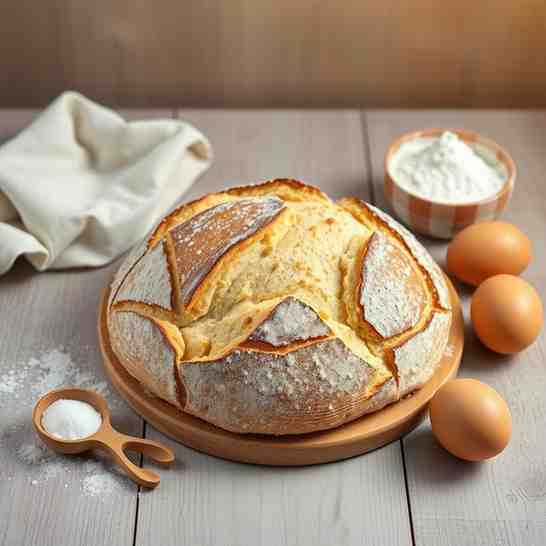
- Serves: 10 People
- Prepare Time: 30 minutes
- Cooking Time: 20-25 minut
- Calories: -
- Difficulty: Easy
Welcome to the world of French-inspired recipes with a healthy twist! If you're looking for an easy to make baking recipe that combines the delightful experience of baking sweets recipes with a boost of protein, you've landed in the right spot. Our High-Protein Pain de Sucre (French Sugar Bread Rolls) are the perfect delicious baking ideas to add to your repertoire. Imagine soft, lightly sweet, buttery rolls with a delightful crackly sugar top – pure bliss in every bite! This recipe isn't just about indulgence; it's a beginner-friendly way to enjoy French flour for bread (or even bread recipes using all purpose flour) while incorporating more protein into your diet, all made with everyday grocery ingredients. Get ready to bake some truly energizing bread with protein that’s as rewarding to make as it is to eat!
These are soft, rich, and lightly sweet French-inspired bread rolls, crowned with a delightful sugar crunch. Perfect for breakfast or a snack!
Protein Note: This recipe boosts protein content using Greek yogurt, nonfat dry milk, and eggs, providing a realistic protein contribution per roll/slice without compromising texture.
Pain de Sucre, which literally translates to "sugar bread" in French, refers to a delightful French-style sweet bread or rolls generously topped with sugar. It's a comforting treat, often enjoyed for breakfast or as an afternoon snack. You might also hear it called pain au sucre or pains au sucre, or sometimes even brioche au sucre due to its rich, soft texture.
Just to clarify, we're not talking about the chicory vegetable, the place name in Brazil, or a plain sugar loaf in the shape of a cone. This is all about delicious, sweet bread!
Creating a higher-protein bread without ending up with dry, tough rolls can be a challenge, but we've cracked the code! Here’s how we boost the protein in this Pain de Sucre while keeping it wonderfully tender:
Greek yogurt: Adds a significant protein punch while also contributing moisture and a lovely tang that enhances the tenderness of the rolls.
Nonfat dry milk: A secret weapon for bakers! It boosts protein and nutrients, contributes to a softer crumb, and helps with browning, all without adding extra liquid.
Eggs + bread flour: Eggs provide structure and richness, along with protein, while using bread flour (or AP with a protein boost) ensures a strong gluten network to hold everything together.
Don't dump in lots of protein powder without adjusting hydration: Protein powder can absorb a lot of liquid, leading to a very dry, dense dough if you don't compensate by adding more water or milk.
Don't cut fat too much: Fat, particularly butter, is crucial for the tender, rich crumb that makes these rolls so delightful. Cutting it too drastically will result in dry, tough rolls.
Ingredients
Directions
- Timeline (So You Know It’s Doable)
- Mix + Knead: 15-20 minutes
- First Rise: 60-90 minutes
- Shape: 10-15 minutes
- Second Rise (Proof): 30-45 minutes
- Bake + Cool: 20-25 minutes bake, 30 minutes cool
- Bloom/activate and mix the doughIn a large mixing bowl or the bowl of a stand mixer, combine the warm milk (aim for 105-115°F, or comfortably warm to the touch but not hot), instant yeast, and a pinch of the granulated sugar. Let it sit for 5 minutes to ensure the yeast is active and foamy. If it doesn't foam, your yeast might be old, or your milk was too hot/cold.Add the remaining granulated sugar, fine salt, bread flour, Greek yogurt, egg, and vanilla extract (if using) to the yeast mixture. Mix on low speed with a dough hook (or with a sturdy spoon) until a shaggy dough forms and all the flour is incorporated.
- Knead until smooth and stretchyIncrease the mixer speed to medium-low and knead for about 8-10 minutes, or knead by hand on a lightly floured surface for 10-12 minutes. Gradually add the softened unsalted butter, one tablespoon at a time, allowing each addition to be fully incorporated before adding the next. Continue kneading until the dough is smooth, elastic, and passes the "windowpane test" – you should be able to stretch a small piece of dough thin enough to see light through it without tearing.
- First riseLightly grease a clean bowl with a little oil. Transfer the dough to the bowl, turning it once to coat. Cover the bowl tightly with plastic wrap or a clean kitchen towel. Let the dough rise in a warm, draft-free place for 60-90 minutes, or until it has visibly doubled in size. Visual cues include a puffy, rounded top and a slight jiggle when the bowl is gently shaken. Room temperature (around 70-75°F) is ideal.
- Shape the rollsOnce risen, gently punch down the dough to release the air. Turn the dough out onto a lightly floured surface. Divide the dough into 10-12 equal portions (a kitchen scale is great for consistent sizes, aiming for about 75-85g per roll).To shape each roll, take a portion of dough and gently pull the edges underneath, pinching them together at the bottom to create a tight, smooth surface on top. Roll it briefly between your palm and the counter in a circular motion to further tighten the surface tension and create a uniform round shape.Arrange the shaped rolls on a parchment-lined sheet pan, leaving some space between them.
- Second rise (proof)Cover the sheet pan loosely with plastic wrap or a clean kitchen towel. Let the rolls proof in a warm, draft-free spot for 30-45 minutes, or until they look puffy and have nearly doubled in size. To test if they're ready, gently poke a roll with a floured finger; if the indentation springs back slowly and partially, it's ready. If it springs back immediately, it needs more time. If it collapses, it's overproofed. Don't overproof, or your rolls might deflate in the oven.
- Add topping and bakePreheat your oven to 375°F (190°C) with a rack in the middle position.Once the rolls are proofed, gently brush the tops with a little melted butter. This helps the sugar adhere and creates a beautiful golden crust. Sprinkle a generous amount of coarse sugar or pearl sugar over each roll. The butter prevents the sugar from burning too quickly.Bake for 20-25 minutes, or until the rolls are golden brown on top and sound hollow when tapped on the bottom. An instant-read thermometer inserted into the center of a roll should read around 200-205°F (93-96°C).
- Cool + finishTransfer the baked rolls to a wire rack immediately to cool. Cooling completely is important for the crumb structure to set properly. If desired, you can brush the warm rolls with a little more melted butter for extra shine and flavor.
You may also like



Hey there! I’m just someone who seriously loves good food and believes that cooking doesn’t have to be complicated to be amazing. Whether it’s a quick weeknight dinner or a cozy weekend meal, I’m all about sharing easy, tasty recipes that actually work.