
Homemade Black Bean Noodles - Easy Zhajiangmian Recipe
Homemade Black Bean Noodles - Easy Zhajiangmian Recipe
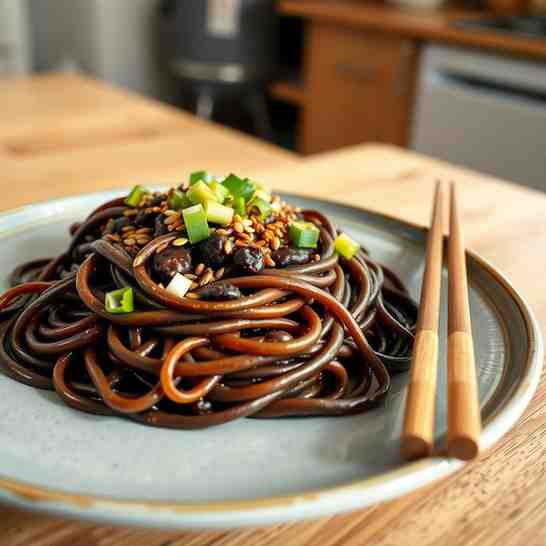
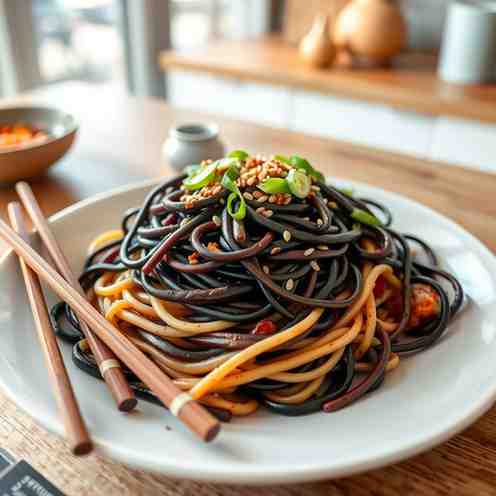
- Serves: 4 People
- Prepare Time: 25 minutes
- Cooking Time: 30 minutes
- Calories: -
- Difficulty: Medium
Get ready to dive spoon-first into a bowl of pure comfort! Our homemade black bean noodles bring you the rich, savory, and slightly sweet magic of Zhajiangmian-style Korean Jjajangmyeon right to your kitchen. Imagine perfectly chewy wheat noodles drenched in a glossy, deeply flavored gravy made from sweet bean paste and tender bits of pork and veggies. It's truly an experience for your taste buds!
This recipe is your ticket to mastering the Korean take on the classic Chinese Zhajiangmian. While rooted in its Chinese origins, Korean Jjajangmyeon has evolved into something uniquely delicious, beloved for its thicker, sweeter sauce and signature black bean paste. Don't let the thought of making it from scratch intimidate you – with the right ingredients and a hot pan, you'll be dishing out restaurant-quality Korean black bean noodles in no time. We've got all the tips and tricks to make it super doable, even if you're just cooking for one!
Why this recipe is different: We give you the clear Zhajiangmian context, provide troubleshooting for common issues, and offer fantastic single-serving support so you can enjoy these amazing noodles anytime.
Ingredients
Directions
- Fry the Black Bean Paste
- Heat 2-3 tablespoons of neutral oil in a large wok or wide, deep pan over medium heat. If using pork belly, you can render some fat from the pork first, then use that oil.
- Add the Korean black bean paste (chunjang) to the hot oil. Stir-fry constantly for 3-5 minutes, breaking up any clumps. The paste should become fragrant, smell nutty, and develop a glossy sheen. This crucial step removes bitterness and deepens its flavor. Once fried, remove the paste from the pan and set aside, leaving the flavored oil in the wok.
- Brown the Pork & Build the Base
- Increase the heat to medium-high. Add the diced pork to the same wok with the reserved oil. Stir-fry until the pork is nicely browned and cooked through, about 5-7 minutes.
- Add the diced onion, zucchini, potato, cabbage, and mushrooms (if using) to the pan. Stir-fry for 5-7 minutes, until the vegetables start to soften and become slightly translucent.
- Stir in the minced garlic and grated ginger (if using) and cook for another minute until fragrant.
- Build & Simmer the Sauce
- Return the fried black bean paste to the wok with the pork and vegetables. Stir everything together well, ensuring the paste coats all the ingredients.
- Pour in the water or broth. Add the granulated sugar and soy sauce. Bring the mixture to a gentle simmer, then reduce the heat to low, cover, and let it cook for 10-15 minutes, or until the vegetables (especially the potato) are tender. Stir occasionally to prevent sticking.
- Thicken the Sauce
- While the sauce simmers, whisk together the cornstarch and cold water in a small bowl to create your starch slurry.
- Once the vegetables are tender, uncover the wok and increase the heat slightly. Give the starch slurry a quick re-whisk and slowly pour it into the simmering sauce while stirring continuously.
- Continue to stir until the sauce thickens into a rich, glossy gravy consistency that clings to a spoon. If it gets too thick, you can add a splash more water or broth. Stir in the sesame oil. Remove from heat.
- Cook the Noodles & Assemble
- Bring a large pot of water to a rolling boil. Add the fresh Korean jjajangmyeon noodles and cook according to package directions, typically 3-5 minutes, until they are just chewy (al dente). Avoid overcooking them, as mushy noodles are a no-go!
- Drain the noodles thoroughly. You can rinse them briefly with cold water to prevent sticking if you prefer, but some like to leave the starch for better sauce adhesion.
- Divide the cooked noodles among serving bowls. Spoon a generous amount of the rich black bean sauce over the noodles.
- Garnish with julienned cucumber, pickled yellow radish, sliced green onions, and an optional fried or boiled egg. Serve immediately and enjoy your incredible homemade black bean noodles!
Homemade Black Bean Noodles - Easy Zhajiangmian Recipe
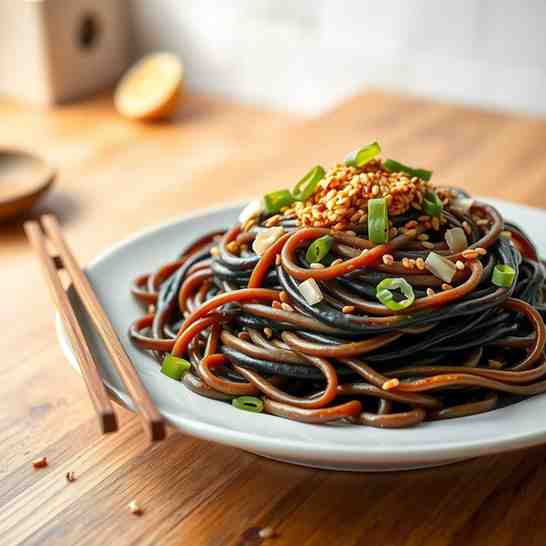
- Serves: 4 People
- Prepare Time: 25 minutes
- Cooking Time: 30 minutes
- Calories: -
- Difficulty: Medium
Get ready to dive spoon-first into a bowl of pure comfort! Our homemade black bean noodles bring you the rich, savory, and slightly sweet magic of Zhajiangmian-style Korean Jjajangmyeon right to your kitchen. Imagine perfectly chewy wheat noodles drenched in a glossy, deeply flavored gravy made from sweet bean paste and tender bits of pork and veggies. It's truly an experience for your taste buds!
This recipe is your ticket to mastering the Korean take on the classic Chinese Zhajiangmian. While rooted in its Chinese origins, Korean Jjajangmyeon has evolved into something uniquely delicious, beloved for its thicker, sweeter sauce and signature black bean paste. Don't let the thought of making it from scratch intimidate you – with the right ingredients and a hot pan, you'll be dishing out restaurant-quality Korean black bean noodles in no time. We've got all the tips and tricks to make it super doable, even if you're just cooking for one!
Why this recipe is different: We give you the clear Zhajiangmian context, provide troubleshooting for common issues, and offer fantastic single-serving support so you can enjoy these amazing noodles anytime.
Ingredients
Directions
- Fry the Black Bean Paste
- Heat 2-3 tablespoons of neutral oil in a large wok or wide, deep pan over medium heat. If using pork belly, you can render some fat from the pork first, then use that oil.
- Add the Korean black bean paste (chunjang) to the hot oil. Stir-fry constantly for 3-5 minutes, breaking up any clumps. The paste should become fragrant, smell nutty, and develop a glossy sheen. This crucial step removes bitterness and deepens its flavor. Once fried, remove the paste from the pan and set aside, leaving the flavored oil in the wok.
- Brown the Pork & Build the Base
- Increase the heat to medium-high. Add the diced pork to the same wok with the reserved oil. Stir-fry until the pork is nicely browned and cooked through, about 5-7 minutes.
- Add the diced onion, zucchini, potato, cabbage, and mushrooms (if using) to the pan. Stir-fry for 5-7 minutes, until the vegetables start to soften and become slightly translucent.
- Stir in the minced garlic and grated ginger (if using) and cook for another minute until fragrant.
- Build & Simmer the Sauce
- Return the fried black bean paste to the wok with the pork and vegetables. Stir everything together well, ensuring the paste coats all the ingredients.
- Pour in the water or broth. Add the granulated sugar and soy sauce. Bring the mixture to a gentle simmer, then reduce the heat to low, cover, and let it cook for 10-15 minutes, or until the vegetables (especially the potato) are tender. Stir occasionally to prevent sticking.
- Thicken the Sauce
- While the sauce simmers, whisk together the cornstarch and cold water in a small bowl to create your starch slurry.
- Once the vegetables are tender, uncover the wok and increase the heat slightly. Give the starch slurry a quick re-whisk and slowly pour it into the simmering sauce while stirring continuously.
- Continue to stir until the sauce thickens into a rich, glossy gravy consistency that clings to a spoon. If it gets too thick, you can add a splash more water or broth. Stir in the sesame oil. Remove from heat.
- Cook the Noodles & Assemble
- Bring a large pot of water to a rolling boil. Add the fresh Korean jjajangmyeon noodles and cook according to package directions, typically 3-5 minutes, until they are just chewy (al dente). Avoid overcooking them, as mushy noodles are a no-go!
- Drain the noodles thoroughly. You can rinse them briefly with cold water to prevent sticking if you prefer, but some like to leave the starch for better sauce adhesion.
- Divide the cooked noodles among serving bowls. Spoon a generous amount of the rich black bean sauce over the noodles.
- Garnish with julienned cucumber, pickled yellow radish, sliced green onions, and an optional fried or boiled egg. Serve immediately and enjoy your incredible homemade black bean noodles!
You may also like




Hey there! I’m just someone who seriously loves good food and believes that cooking doesn’t have to be complicated to be amazing. Whether it’s a quick weeknight dinner or a cozy weekend meal, I’m all about sharing easy, tasty recipes that actually work.



