
Homemade Blood Pudding Sausage - English Recipe
Homemade Blood Pudding Sausage - English Recipe
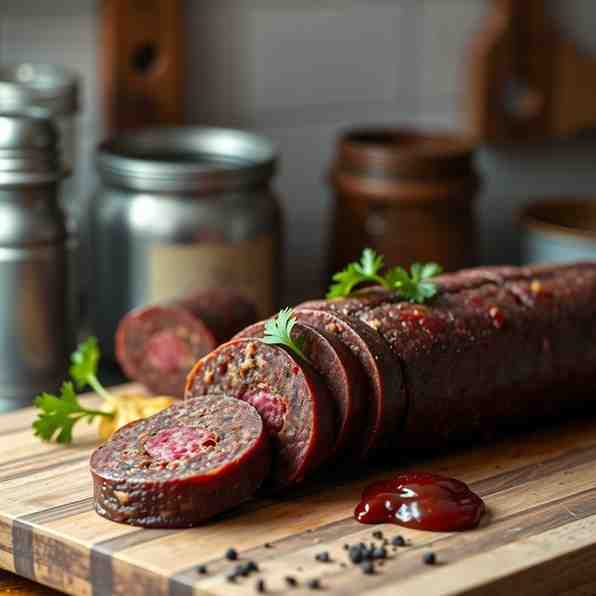
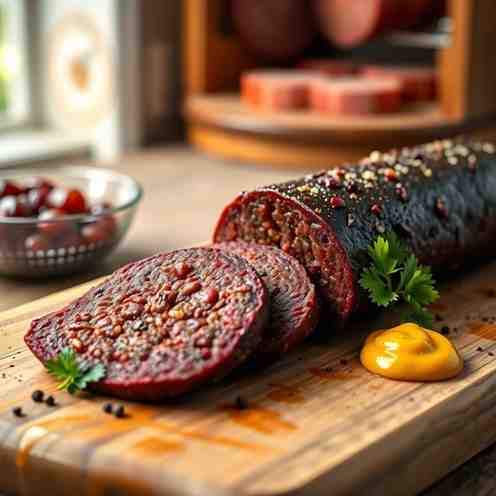
- Serves: 8 People
- Prepare Time: 45 minutes
- Cooking Time: 30 minutes
- Calories: -
- Difficulty: Easy
Ever wondered what that dark, mysterious disc on a traditional English breakfast plate truly is? You're looking at blood pudding sausage, a savory delight with a rich history! Known across the UK and Ireland as "black pudding," this unique blood pudding food combines pork blood, fat, and oats into a hearty, flavorful sausage. It's a staple for a reason, offering an earthy, robust taste that's surprisingly versatile. While it might sound intimidating, learning to make sausage at home – especially this classic – is incredibly rewarding. This recipe delivers an authentic English-style black pudding experience with beginner-proof steps, ensuring you can master this traditional dish in your own kitchen. Get ready to explore England's black pudding blood tradition and create a truly memorable meal!
Black pudding, at its heart, is a type of blood sausage popular in the United Kingdom and Ireland. It typically consists of pork blood (though other animal blood can be used), a filler like pinhead oats or barley, pork fat (often back fat or suet), and a blend of common herbs and seasonings. While most famously found nestled alongside bacon and eggs in a full English breakfast, its uses extend far beyond the morning plate, appearing in modern gastropub dishes, crumbled into salads, or paired with unexpected flavors. It’s worth noting that regional variations do exist across the British Isles, each with its subtle differences in spices or filler. However, this guide focuses on providing a dependable, classic English-style baseline that’s both authentic and achievable.
Making blood pudding sausage at home is a fantastic culinary adventure, but it starts with understanding your ingredients and safety.
Sourcing Blood in the US: Fresh pig's blood is ideal for the richest flavor and color, but it can be a specialty item. Ask your local butcher if they can source it for you, specifically requesting "defibrinated" blood to prevent clotting. If fresh isn't an option, dried blood powder is a consistent and readily available alternative; it just needs to be reconstituted with water before use.
Casings 101: Natural casings are key for an authentic texture. Hog casings are common, but beef middles or rounds are excellent choices for black pudding, especially when using chunkier oats. Their slightly thicker walls offer better resilience during stuffing and poaching, helping to prevent bursts.
Temperature Control Overview: This is the make-or-break stage for your black pudding. The goal is a gentle poaching, not a rolling boil. Maintaining a water temperature between 170-180°F (77-82°C) is crucial. Boiling water will cause the blood to cook too rapidly, expanding and almost certainly bursting your casings. A calm, steady heat ensures an evenly cooked, firm sausage.
Large mixing bowl
Whisk
Kitchen scale or accurate measuring cups
Meat grinder (with a coarse plate) or a very sharp knife (for fat and onion)
Sausage stuffer (vertical or horizontal) or a wide-mouth funnel with a sturdy dowel/pusher
Instant-read thermometer (specifically for monitoring water temperature)
Large pot or deep pan (wide enough to hold your sausages comfortably for poaching)
Ingredients
Directions
- Prep the Oats (Binder Step) In a medium saucepan, combine the pinhead oats with enough water to just cover them (about 2 cups). Bring to a gentle simmer over medium heat, then reduce heat to low and cook for 10-15 minutes, stirring occasionally, until the oats have absorbed most of the water and are slightly tender but still have a bite. You want structure, not mush. The oats should be firm enough to hold their shape. Drain any excess water and spread the oats on a baking sheet to cool completely. Chilling them helps prevent the mixture from getting too warm.
- Prep the Fat + Onion Cube the pork back fat into 1/2-inch (1.25 cm) pieces. If using a meat grinder, pass the fat through a coarse plate. If dicing by hand, chop it as finely as possible. Place the prepared fat in the freezer for 15-20 minutes to chill thoroughly; this helps it grind cleanly and prevents smearing. Meanwhile, finely dice the onion. In a pan, sauté the diced onion in a little butter or oil over low heat until very soft and translucent, but without any browning. Browning adds a different flavor profile than what we want for traditional black pudding. Let the softened onion cool completely.
- Mix the Blood Base In a very large mixing bowl, combine the pig's blood (or reconstituted dried blood) with the salt, black pepper, allspice, nutmeg, and clove. Whisk vigorously until all the seasonings are thoroughly dissolved and the blood is smooth and lump-free. If using dried blood, ensure there are no dry pockets remaining. A smooth base is key for a uniform final product.
- Combine to the “Right Consistency” Add the cooled, prepped oats, chilled fat, and softened onion to the blood and spice mixture. Using your hands (gloves recommended!) or a sturdy spoon, mix everything together until uniformly combined. Be gentle but thorough. The mixture should be thick enough that if you lift a spoonful and let it fall back into the bowl, a trail closes slowly, indicating good binding without being too stiff or too liquid.
- Stuff the Casings (One Method) Rinse your casings thoroughly, then feed one end onto the nozzle of your sausage stuffer or wide-mouth funnel. Gather the rest of the casing onto the nozzle. Begin to gently stuff the mixture into the casing, being careful to avoid air pockets. As the casing fills, guide it off the nozzle, leaving about an inch of slack at the beginning. Don't overfill; the casing should be firm but still have a little give, as the mixture will expand slightly during cooking. Overfilling is a common cause of bursting. Once filled, twist the sausage into manageable lengths, typically 6-8 inches (15-20 cm). You can tie off the ends with butcher's twine for extra security. Use a sterile pin to prick any visible air pockets.
- Poach Gently (The Make-or-Break Stage) Fill your large pot or deep pan with water and bring it to a temperature of 170-180°F (77-82°C). This is your target poaching temperature; use your thermometer to monitor it constantly. Carefully lower the black puddings into the hot water. Do not overcrowd the pot. Poach for 25-30 minutes, or until the internal temperature of the sausage reaches 160°F (71°C). Crucially, do not allow the water to boil; maintain that gentle simmer range. If you see the sausages puffing up excessively, gently prick them with a sterile pin to release trapped air and prevent bursting.
- Chill to Set (Texture + Slicing Success) Once cooked, immediately transfer the black puddings to an ice bath (a bowl of ice water) to stop the cooking process quickly. This rapid cooling helps to set the blood and fat, preventing a crumbly texture. Once completely cool, remove from the ice bath, pat dry, and refrigerate for at least 6-8 hours, or preferably overnight, before slicing and serving. This chilling period is essential for the pudding to firm up properly for clean slicing.
Homemade Blood Pudding Sausage - English Recipe

- Serves: 8 People
- Prepare Time: 45 minutes
- Cooking Time: 30 minutes
- Calories: -
- Difficulty: Easy
Ever wondered what that dark, mysterious disc on a traditional English breakfast plate truly is? You're looking at blood pudding sausage, a savory delight with a rich history! Known across the UK and Ireland as "black pudding," this unique blood pudding food combines pork blood, fat, and oats into a hearty, flavorful sausage. It's a staple for a reason, offering an earthy, robust taste that's surprisingly versatile. While it might sound intimidating, learning to make sausage at home – especially this classic – is incredibly rewarding. This recipe delivers an authentic English-style black pudding experience with beginner-proof steps, ensuring you can master this traditional dish in your own kitchen. Get ready to explore England's black pudding blood tradition and create a truly memorable meal!
Black pudding, at its heart, is a type of blood sausage popular in the United Kingdom and Ireland. It typically consists of pork blood (though other animal blood can be used), a filler like pinhead oats or barley, pork fat (often back fat or suet), and a blend of common herbs and seasonings. While most famously found nestled alongside bacon and eggs in a full English breakfast, its uses extend far beyond the morning plate, appearing in modern gastropub dishes, crumbled into salads, or paired with unexpected flavors. It’s worth noting that regional variations do exist across the British Isles, each with its subtle differences in spices or filler. However, this guide focuses on providing a dependable, classic English-style baseline that’s both authentic and achievable.
Making blood pudding sausage at home is a fantastic culinary adventure, but it starts with understanding your ingredients and safety.
Sourcing Blood in the US: Fresh pig's blood is ideal for the richest flavor and color, but it can be a specialty item. Ask your local butcher if they can source it for you, specifically requesting "defibrinated" blood to prevent clotting. If fresh isn't an option, dried blood powder is a consistent and readily available alternative; it just needs to be reconstituted with water before use.
Casings 101: Natural casings are key for an authentic texture. Hog casings are common, but beef middles or rounds are excellent choices for black pudding, especially when using chunkier oats. Their slightly thicker walls offer better resilience during stuffing and poaching, helping to prevent bursts.
Temperature Control Overview: This is the make-or-break stage for your black pudding. The goal is a gentle poaching, not a rolling boil. Maintaining a water temperature between 170-180°F (77-82°C) is crucial. Boiling water will cause the blood to cook too rapidly, expanding and almost certainly bursting your casings. A calm, steady heat ensures an evenly cooked, firm sausage.
Large mixing bowl
Whisk
Kitchen scale or accurate measuring cups
Meat grinder (with a coarse plate) or a very sharp knife (for fat and onion)
Sausage stuffer (vertical or horizontal) or a wide-mouth funnel with a sturdy dowel/pusher
Instant-read thermometer (specifically for monitoring water temperature)
Large pot or deep pan (wide enough to hold your sausages comfortably for poaching)
Ingredients
Directions
- Prep the Oats (Binder Step) In a medium saucepan, combine the pinhead oats with enough water to just cover them (about 2 cups). Bring to a gentle simmer over medium heat, then reduce heat to low and cook for 10-15 minutes, stirring occasionally, until the oats have absorbed most of the water and are slightly tender but still have a bite. You want structure, not mush. The oats should be firm enough to hold their shape. Drain any excess water and spread the oats on a baking sheet to cool completely. Chilling them helps prevent the mixture from getting too warm.
- Prep the Fat + Onion Cube the pork back fat into 1/2-inch (1.25 cm) pieces. If using a meat grinder, pass the fat through a coarse plate. If dicing by hand, chop it as finely as possible. Place the prepared fat in the freezer for 15-20 minutes to chill thoroughly; this helps it grind cleanly and prevents smearing. Meanwhile, finely dice the onion. In a pan, sauté the diced onion in a little butter or oil over low heat until very soft and translucent, but without any browning. Browning adds a different flavor profile than what we want for traditional black pudding. Let the softened onion cool completely.
- Mix the Blood Base In a very large mixing bowl, combine the pig's blood (or reconstituted dried blood) with the salt, black pepper, allspice, nutmeg, and clove. Whisk vigorously until all the seasonings are thoroughly dissolved and the blood is smooth and lump-free. If using dried blood, ensure there are no dry pockets remaining. A smooth base is key for a uniform final product.
- Combine to the “Right Consistency” Add the cooled, prepped oats, chilled fat, and softened onion to the blood and spice mixture. Using your hands (gloves recommended!) or a sturdy spoon, mix everything together until uniformly combined. Be gentle but thorough. The mixture should be thick enough that if you lift a spoonful and let it fall back into the bowl, a trail closes slowly, indicating good binding without being too stiff or too liquid.
- Stuff the Casings (One Method) Rinse your casings thoroughly, then feed one end onto the nozzle of your sausage stuffer or wide-mouth funnel. Gather the rest of the casing onto the nozzle. Begin to gently stuff the mixture into the casing, being careful to avoid air pockets. As the casing fills, guide it off the nozzle, leaving about an inch of slack at the beginning. Don't overfill; the casing should be firm but still have a little give, as the mixture will expand slightly during cooking. Overfilling is a common cause of bursting. Once filled, twist the sausage into manageable lengths, typically 6-8 inches (15-20 cm). You can tie off the ends with butcher's twine for extra security. Use a sterile pin to prick any visible air pockets.
- Poach Gently (The Make-or-Break Stage) Fill your large pot or deep pan with water and bring it to a temperature of 170-180°F (77-82°C). This is your target poaching temperature; use your thermometer to monitor it constantly. Carefully lower the black puddings into the hot water. Do not overcrowd the pot. Poach for 25-30 minutes, or until the internal temperature of the sausage reaches 160°F (71°C). Crucially, do not allow the water to boil; maintain that gentle simmer range. If you see the sausages puffing up excessively, gently prick them with a sterile pin to release trapped air and prevent bursting.
- Chill to Set (Texture + Slicing Success) Once cooked, immediately transfer the black puddings to an ice bath (a bowl of ice water) to stop the cooking process quickly. This rapid cooling helps to set the blood and fat, preventing a crumbly texture. Once completely cool, remove from the ice bath, pat dry, and refrigerate for at least 6-8 hours, or preferably overnight, before slicing and serving. This chilling period is essential for the pudding to firm up properly for clean slicing.
You may also like



Hey there! I’m just someone who seriously loves good food and believes that cooking doesn’t have to be complicated to be amazing. Whether it’s a quick weeknight dinner or a cozy weekend meal, I’m all about sharing easy, tasty recipes that actually work.