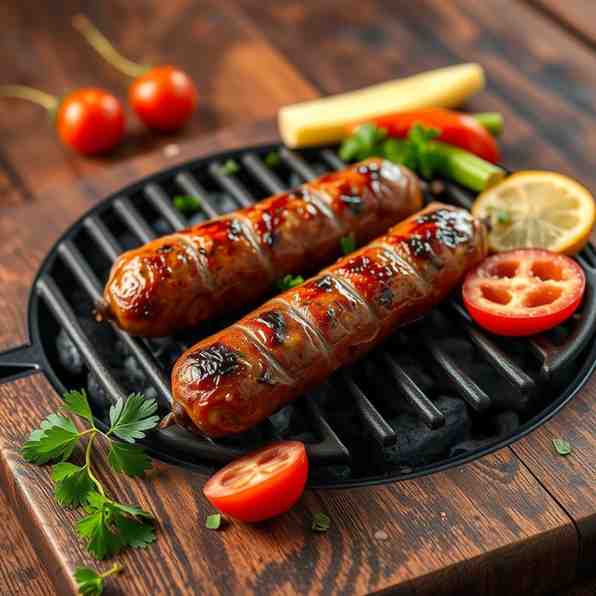
Creamy Boudin Blanc - A Homemade Sausage Recipe
Creamy Boudin Blanc - A Homemade Sausage Recipe
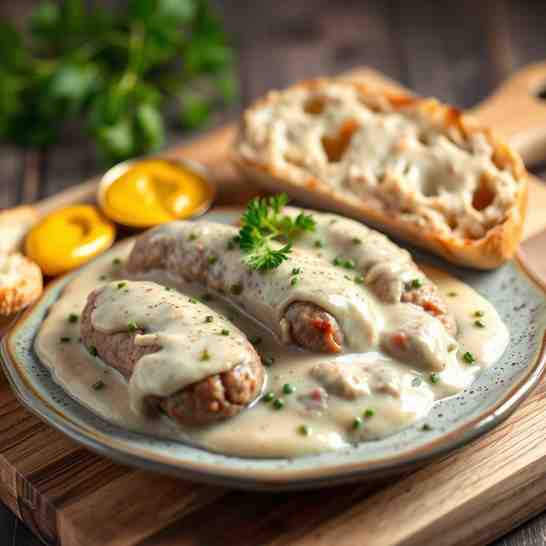
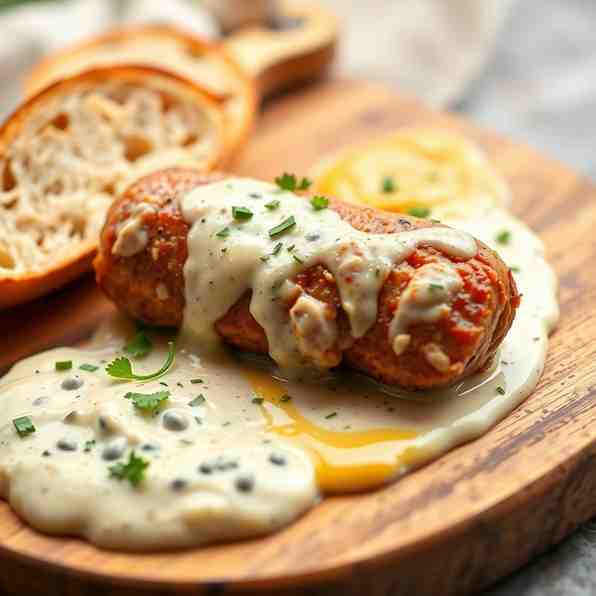
- Serves: 6 People
- Prepare Time: 2 hours 30
- Cooking Time: 35 minutes
- Calories: -
- Difficulty: Medium
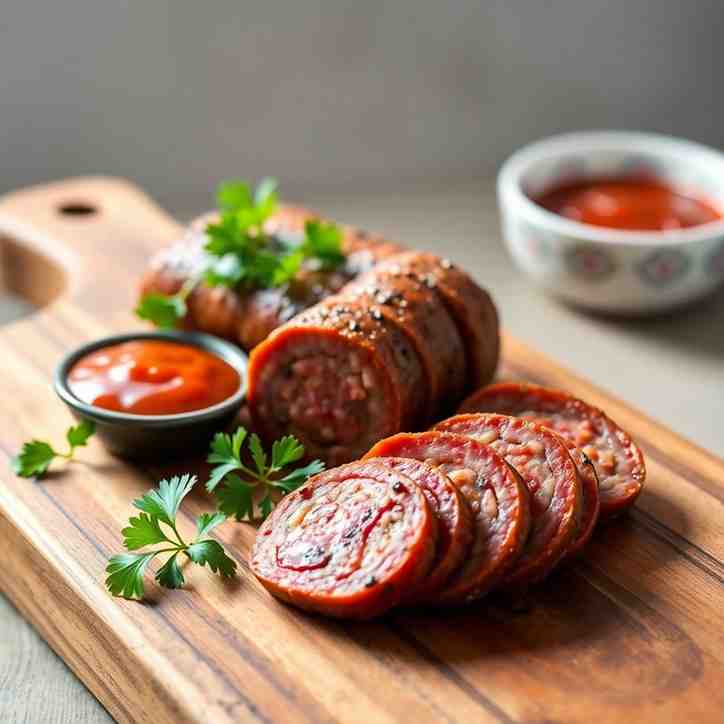
Ever dreamt of whisking away to a charming French bistro, even if just for a bite? Well, get ready, because we're bringing that culinary magic right into your kitchen! Today, we're diving into the delightful world of Boudin Blanc – a French delicacy that's miles away from your typical sausage. This isn't just any ``homemade sausage recipe``; it's an elegant, creamy, and utterly delicious ``pork meat sausage`` that will elevate your cooking game.
Boudin Blanc, meaning "white pudding," is renowned for its incredibly smooth, almost custard-like texture and delicate flavor. Unlike its darker, blood-sausage cousin (Boudin Noir) or the spicy Cajun varieties, Boudin Blanc is a refined ``creamy white sausage`` typically made with lean pork, chicken, and often enriched with cream, eggs, and sometimes foie gras. It's a true testament to the finesse of French charcuterie.
Many people think making sausage at home is daunting, but trust us, with a little patience and the right guidance, you'll be creating these gourmet links like a pro. We'll walk you through every step, from prepping your ingredients to perfectly poaching and pan-frying your beautiful Boudin Blanc. Get ready to impress your taste buds and your dinner guests with this truly special ``recipe with boudin``!
Ingredients
Directions
- Prepare the Meats & Mixture:
- Start by making sure all your meats (chicken, pork, and foie gras) are very cold – ideally, partially frozen for about 30 minutes before grinding. This is crucial for a smooth texture and prevents the fat from smearing.
- If you're using whole cuts, grind the chicken and pork through a fine plate of your meat grinder. If using pre-minced pork, ensure it's well chilled.
- In a large bowl, combine the ground chicken, minced pork, and cubed foie gras (if using).
- In a separate bowl, whisk together the egg, egg white, double cream, milk, thyme, nutmeg, white pepper, salt, and Cognac/wine (if using).
- Pour the wet mixture over the meats. Using your hands or a stand mixer with a paddle attachment, mix everything thoroughly until well combined and the mixture becomes sticky and emulsified. This usually takes about 3-5 minutes. Don't overmix, but ensure it's cohesive.
- Cover the bowl and chill the mixture in the refrigerator for at least 2 hours (or up to overnight). This allows the flavors to meld and the mixture to firm up, making it easier to stuff.
- Prepare and Stuff the Casings:
- While the meat chills, prepare your hog casings. They usually come packed in salt. Rinse them thoroughly under cold running water, both inside and out, to remove all the salt. Then, soak them in a bowl of fresh, lukewarm water for at least 30 minutes to make them pliable.
- Attach your sausage stuffer attachment to your stand mixer or use a dedicated sausage stuffer. Carefully thread one end of a casing onto the stuffing horn, gathering the rest of the casing onto the horn like an accordion. Leave about 4-6 inches of casing hanging off the end.
- Fill the stuffer with your chilled boudin blanc mixture, ensuring there are no large air pockets.
- Start stuffing the casings slowly and evenly. Guide the casing off the horn as it fills, making sure not to overstuff (which can cause bursting) or understuff (which makes for loose, floppy sausages). The goal is a firm but pliable sausage.
- Once the casing is filled, gently squeeze out any air pockets and tie off the end. You can then twist the long sausage into individual links, typically 4-6 inches long. Twist in alternating directions to keep them secure. Use a pin to prick any small air bubbles you see.
- Cooking the Sausages (Poaching):
- Fill a large pot with water and heat it gently over medium-low heat. The key here is to maintain a constant, low temperature. You're poaching, not boiling!
- Bring the water to exactly 85°C (185°F). Use a reliable thermometer to monitor this.
- Carefully add the Boudin Blanc sausages to the hot water. Do not overcrowd the pot.
- Maintain the water temperature between 80-85°C (175-185°F) and simmer the sausages for 20 minutes. This gentle poaching cooks the sausage through without causing the casings to burst or the delicate emulsion to break.
- After 20 minutes, carefully remove the sausages from the water and transfer them to an ice bath or a rack to cool completely. This stops the cooking process and helps set the internal structure.
- Pan-Fry or Store:
- To Serve Immediately: Once cooled, you can pan-fry your Boudin Blanc. Heat a skillet over medium heat with a little butter or oil. Cook the sausages for 5-7 minutes per side, turning occasionally, until they are beautifully golden brown and heated through.
- To Store: If you're not eating them right away, once completely cooled, pat the sausages dry.
- Refrigerator: Store in an airtight container for up to 3-4 days.
- Freezer: For longer storage, flash-freeze the individual sausages on a baking sheet until solid, then transfer them to a freezer-safe bag or container. They can be stored for up to 2-3 months. Thaw in the refrigerator overnight before cooking.
Creamy Boudin Blanc - A Homemade Sausage Recipe
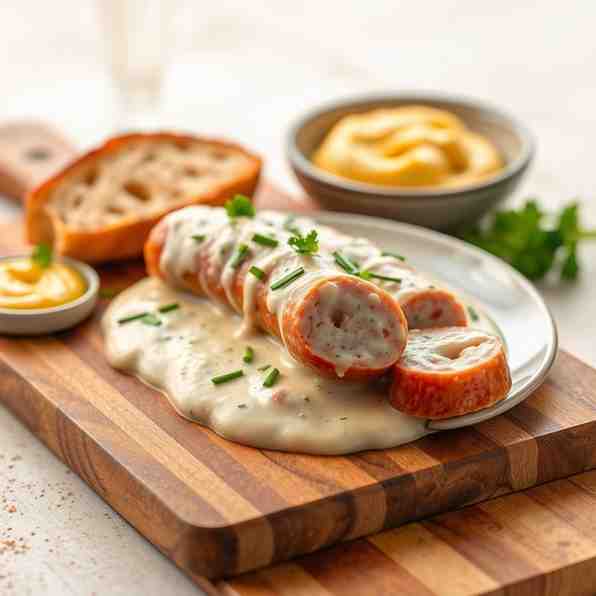
- Serves: 6 People
- Prepare Time: 2 hours 30
- Cooking Time: 35 minutes
- Calories: -
- Difficulty: Medium
Ever dreamt of whisking away to a charming French bistro, even if just for a bite? Well, get ready, because we're bringing that culinary magic right into your kitchen! Today, we're diving into the delightful world of Boudin Blanc – a French delicacy that's miles away from your typical sausage. This isn't just any ``homemade sausage recipe``; it's an elegant, creamy, and utterly delicious ``pork meat sausage`` that will elevate your cooking game.
Boudin Blanc, meaning "white pudding," is renowned for its incredibly smooth, almost custard-like texture and delicate flavor. Unlike its darker, blood-sausage cousin (Boudin Noir) or the spicy Cajun varieties, Boudin Blanc is a refined ``creamy white sausage`` typically made with lean pork, chicken, and often enriched with cream, eggs, and sometimes foie gras. It's a true testament to the finesse of French charcuterie.
Many people think making sausage at home is daunting, but trust us, with a little patience and the right guidance, you'll be creating these gourmet links like a pro. We'll walk you through every step, from prepping your ingredients to perfectly poaching and pan-frying your beautiful Boudin Blanc. Get ready to impress your taste buds and your dinner guests with this truly special ``recipe with boudin``!
Ingredients
Directions
- Prepare the Meats & Mixture:
- Start by making sure all your meats (chicken, pork, and foie gras) are very cold – ideally, partially frozen for about 30 minutes before grinding. This is crucial for a smooth texture and prevents the fat from smearing.
- If you're using whole cuts, grind the chicken and pork through a fine plate of your meat grinder. If using pre-minced pork, ensure it's well chilled.
- In a large bowl, combine the ground chicken, minced pork, and cubed foie gras (if using).
- In a separate bowl, whisk together the egg, egg white, double cream, milk, thyme, nutmeg, white pepper, salt, and Cognac/wine (if using).
- Pour the wet mixture over the meats. Using your hands or a stand mixer with a paddle attachment, mix everything thoroughly until well combined and the mixture becomes sticky and emulsified. This usually takes about 3-5 minutes. Don't overmix, but ensure it's cohesive.
- Cover the bowl and chill the mixture in the refrigerator for at least 2 hours (or up to overnight). This allows the flavors to meld and the mixture to firm up, making it easier to stuff.
- Prepare and Stuff the Casings:
- While the meat chills, prepare your hog casings. They usually come packed in salt. Rinse them thoroughly under cold running water, both inside and out, to remove all the salt. Then, soak them in a bowl of fresh, lukewarm water for at least 30 minutes to make them pliable.
- Attach your sausage stuffer attachment to your stand mixer or use a dedicated sausage stuffer. Carefully thread one end of a casing onto the stuffing horn, gathering the rest of the casing onto the horn like an accordion. Leave about 4-6 inches of casing hanging off the end.
- Fill the stuffer with your chilled boudin blanc mixture, ensuring there are no large air pockets.
- Start stuffing the casings slowly and evenly. Guide the casing off the horn as it fills, making sure not to overstuff (which can cause bursting) or understuff (which makes for loose, floppy sausages). The goal is a firm but pliable sausage.
- Once the casing is filled, gently squeeze out any air pockets and tie off the end. You can then twist the long sausage into individual links, typically 4-6 inches long. Twist in alternating directions to keep them secure. Use a pin to prick any small air bubbles you see.
- Cooking the Sausages (Poaching):
- Fill a large pot with water and heat it gently over medium-low heat. The key here is to maintain a constant, low temperature. You're poaching, not boiling!
- Bring the water to exactly 85°C (185°F). Use a reliable thermometer to monitor this.
- Carefully add the Boudin Blanc sausages to the hot water. Do not overcrowd the pot.
- Maintain the water temperature between 80-85°C (175-185°F) and simmer the sausages for 20 minutes. This gentle poaching cooks the sausage through without causing the casings to burst or the delicate emulsion to break.
- After 20 minutes, carefully remove the sausages from the water and transfer them to an ice bath or a rack to cool completely. This stops the cooking process and helps set the internal structure.
- Pan-Fry or Store:
- To Serve Immediately: Once cooled, you can pan-fry your Boudin Blanc. Heat a skillet over medium heat with a little butter or oil. Cook the sausages for 5-7 minutes per side, turning occasionally, until they are beautifully golden brown and heated through.
- To Store: If you're not eating them right away, once completely cooled, pat the sausages dry.
- Refrigerator: Store in an airtight container for up to 3-4 days.
- Freezer: For longer storage, flash-freeze the individual sausages on a baking sheet until solid, then transfer them to a freezer-safe bag or container. They can be stored for up to 2-3 months. Thaw in the refrigerator overnight before cooking.
You may also like


Hey there! I’m just someone who seriously loves good food and believes that cooking doesn’t have to be complicated to be amazing. Whether it’s a quick weeknight dinner or a cozy weekend meal, I’m all about sharing easy, tasty recipes that actually work.