
Homemade English Clotted Cream - Easy Oven Recipe
Homemade English Clotted Cream - Easy Oven Recipe
- Serves: 1 People
- Prepare Time: 10 minutes
- Cooking Time: 8-12 hours
- Calories: -
- Difficulty: Easy
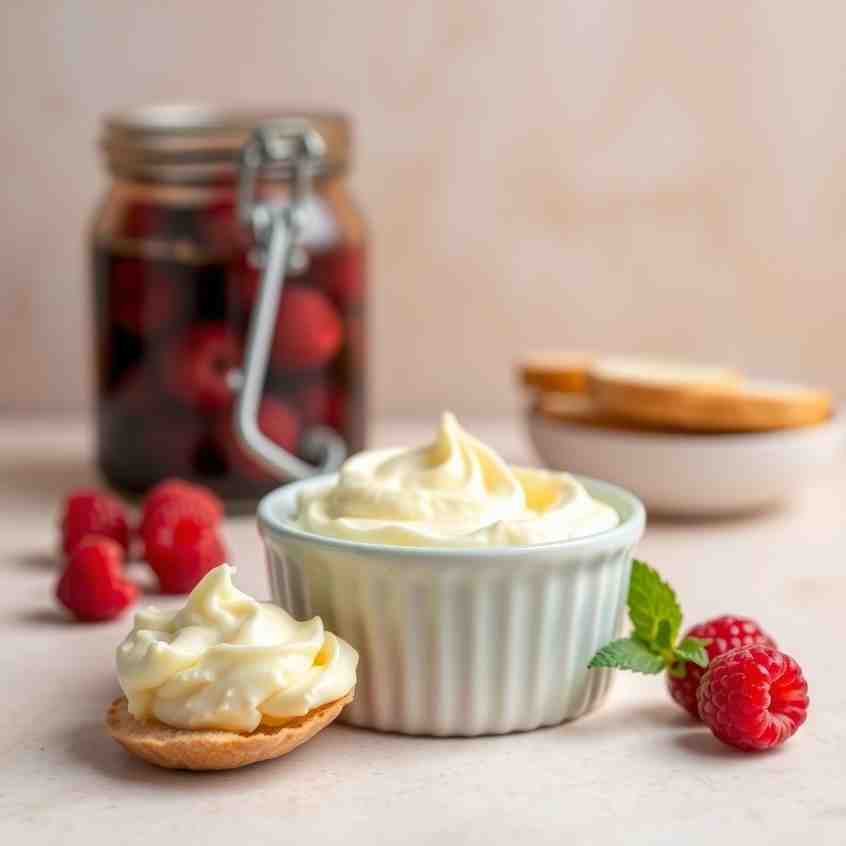
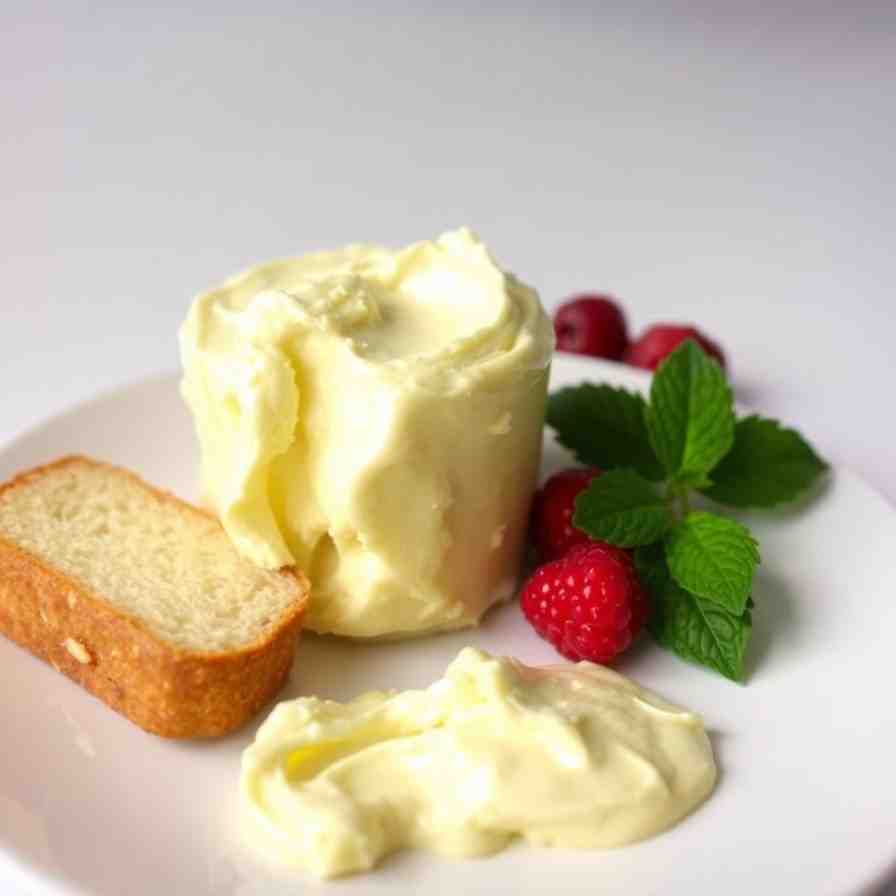
Ever dreamt of enjoying a proper British cream tea right in your own home? The secret to that luxurious experience lies in one magical ingredient: english clotted cream. This isn't just any cream; it's a rich, thick, and utterly delightful dairy product with a unique "clotted" texture and a golden crust that's truly irresistible. While it might sound fancy, making authentic devon clotted cream (or devonshire clotted cream) is surprisingly simple, especially with our easy oven method. It's mostly hands-off, though it does require a bit of patience since the cream bakes low and slow, often taking overnight. But trust us, the wait is absolutely worth it for that thick, spoonable cream and the perfect classic cream-tea setup. Get ready to elevate your baking from scratch game and discover one of the most satisfying easy baking recipes for beginners you'll ever try!
Ingredients
Directions
- Preheat Your Oven: Set your oven to a very low temperature, typically between 180°F to 200°F (82°C to 93°C). It’s super important to ensure your oven holds this low temperature accurately; an oven thermometer can be a real lifesaver here, as many ovens run hotter than their dial suggests at low settings.
- Pour the Cream: Carefully pour the heavy cream into a shallow, oven-safe baking dish. A ceramic or glass dish works great. The cream should be about 1 to 2 inches deep. For example, a 9x13 inch pan is good for 1 quart of cream.
- Bake Undisturbed: Place the dish in the preheated oven and bake for 8 to 12 hours. The key here is patience and no peeking! Do not stir the cream at any point during baking, as this will prevent the distinct crust from forming.
- Cool and Chill: Once the baking time is complete, carefully remove the dish from the oven. Let it cool completely to room temperature (this can take a few hours). Once cooled, cover the dish with foil or plastic wrap and transfer it to the refrigerator. Chill for at least 8 hours, or preferably overnight, until the cream is fully set.
- Separate the Cream: After chilling, you'll see a thick, yellowish layer (your clotted cream!) on top, with a thinner, milky liquid underneath. Use a spoon or spatula to gently scoop the thick clotted cream away from the edges and transfer it to a clean jar or airtight container. Try to avoid mixing the clotted cream with the liquid underneath.
- Store It: If you want to keep that beautiful, classic golden crust intact, you can gently place it on top of the scooped cream in the jar. Seal the container and store your homemade english clotted cream in the fridge.
- Doneness ChecklistKnowing when your clotted cream is just right can feel a bit like an art, but here’s what to look for:
- What the Top Should Look Like: After baking, the surface should have a thick, golden-yellow "skin" or crust. It shouldn't be dark brown or overly crisp, but a lovely, substantial layer.
- What the Set Cream Should Feel Like: Once chilled, the cream beneath the crust should be wonderfully thick, smooth, and spoonable – like a soft, spreadable butter or very thick Greek yogurt. It shouldn't be runny or watery.
- Normal Separation vs. "Something Went Wrong": It's completely normal to have a thin, yellowish liquid (often called "whey" or "buttermilk") underneath the clotted cream layer. This liquid is a byproduct of the process. However, if your entire dish is watery with only tiny bits of "clot," or if it's very dark and caramelized throughout, something might have gone awry with your oven temperature or baking time.
- TroubleshootingDon't worry if your first batch isn't perfect; making devon cream clotted cream is a learning process! Here are quick fixes for common issues:
- No crust / too thin: Your oven temperature might have been too low, or the cream wasn't shallow enough. Try increasing the temperature slightly (by 5-10°F) or using a wider, shallower dish next time.
- Too dark / caramelized edge: Your oven was likely too hot. Double-check your oven thermometer. You can also try covering the dish loosely with foil for the last few hours of baking to prevent over-browning.
- Grainy or dry texture: This often happens if the cream baked too hot or for too long, causing it to dry out. Ensure your oven temp is accurate and consider reducing the baking time slightly next time.
- Too much separation: Again, this can be a sign of too high a temperature or too long a bake. The cream broke down more than it should have.
- Using ultra-pasteurized cream: This type of cream can sometimes yield a thinner crust or a slightly less rich texture. To compensate, some bakers add a tablespoon or two of buttermilk to the cream before baking, or simply accept it might be a bit less robust than cream that isn't ultra-pasteurized.
Homemade English Clotted Cream - Easy Oven Recipe
- Serves: 1 People
- Prepare Time: 10 minutes
- Cooking Time: 8-12 hours
- Calories: -
- Difficulty: Easy
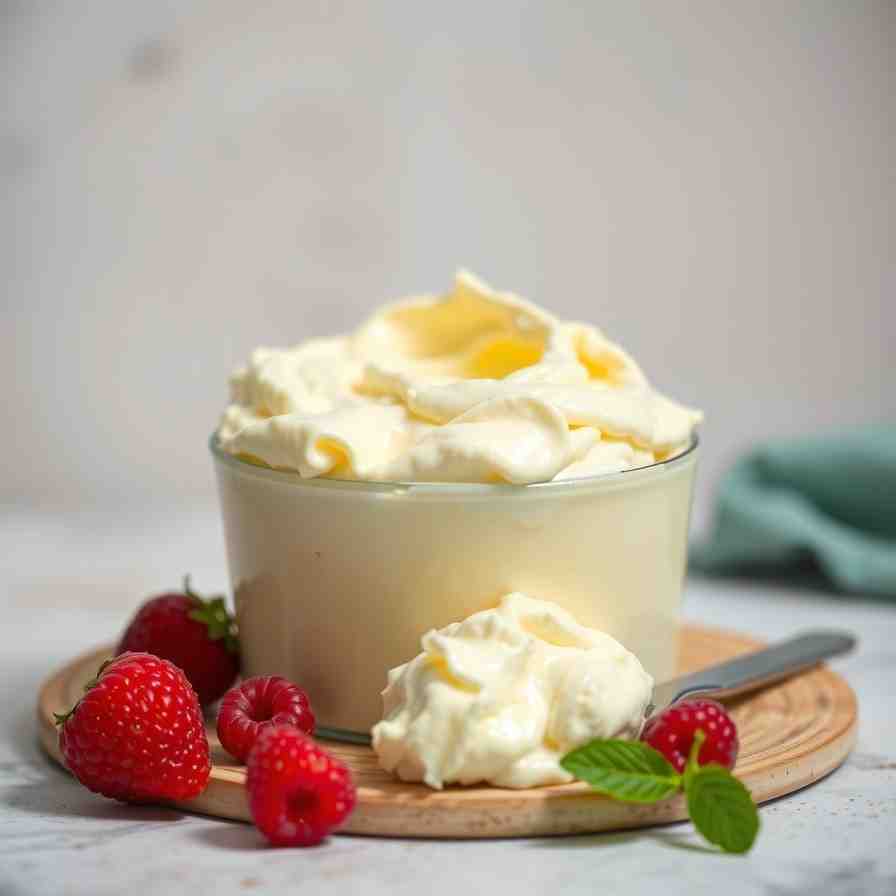
Ever dreamt of enjoying a proper British cream tea right in your own home? The secret to that luxurious experience lies in one magical ingredient: english clotted cream. This isn't just any cream; it's a rich, thick, and utterly delightful dairy product with a unique "clotted" texture and a golden crust that's truly irresistible. While it might sound fancy, making authentic devon clotted cream (or devonshire clotted cream) is surprisingly simple, especially with our easy oven method. It's mostly hands-off, though it does require a bit of patience since the cream bakes low and slow, often taking overnight. But trust us, the wait is absolutely worth it for that thick, spoonable cream and the perfect classic cream-tea setup. Get ready to elevate your baking from scratch game and discover one of the most satisfying easy baking recipes for beginners you'll ever try!
Ingredients
Directions
- Preheat Your Oven: Set your oven to a very low temperature, typically between 180°F to 200°F (82°C to 93°C). It’s super important to ensure your oven holds this low temperature accurately; an oven thermometer can be a real lifesaver here, as many ovens run hotter than their dial suggests at low settings.
- Pour the Cream: Carefully pour the heavy cream into a shallow, oven-safe baking dish. A ceramic or glass dish works great. The cream should be about 1 to 2 inches deep. For example, a 9x13 inch pan is good for 1 quart of cream.
- Bake Undisturbed: Place the dish in the preheated oven and bake for 8 to 12 hours. The key here is patience and no peeking! Do not stir the cream at any point during baking, as this will prevent the distinct crust from forming.
- Cool and Chill: Once the baking time is complete, carefully remove the dish from the oven. Let it cool completely to room temperature (this can take a few hours). Once cooled, cover the dish with foil or plastic wrap and transfer it to the refrigerator. Chill for at least 8 hours, or preferably overnight, until the cream is fully set.
- Separate the Cream: After chilling, you'll see a thick, yellowish layer (your clotted cream!) on top, with a thinner, milky liquid underneath. Use a spoon or spatula to gently scoop the thick clotted cream away from the edges and transfer it to a clean jar or airtight container. Try to avoid mixing the clotted cream with the liquid underneath.
- Store It: If you want to keep that beautiful, classic golden crust intact, you can gently place it on top of the scooped cream in the jar. Seal the container and store your homemade english clotted cream in the fridge.
- Doneness ChecklistKnowing when your clotted cream is just right can feel a bit like an art, but here’s what to look for:
- What the Top Should Look Like: After baking, the surface should have a thick, golden-yellow "skin" or crust. It shouldn't be dark brown or overly crisp, but a lovely, substantial layer.
- What the Set Cream Should Feel Like: Once chilled, the cream beneath the crust should be wonderfully thick, smooth, and spoonable – like a soft, spreadable butter or very thick Greek yogurt. It shouldn't be runny or watery.
- Normal Separation vs. "Something Went Wrong": It's completely normal to have a thin, yellowish liquid (often called "whey" or "buttermilk") underneath the clotted cream layer. This liquid is a byproduct of the process. However, if your entire dish is watery with only tiny bits of "clot," or if it's very dark and caramelized throughout, something might have gone awry with your oven temperature or baking time.
- TroubleshootingDon't worry if your first batch isn't perfect; making devon cream clotted cream is a learning process! Here are quick fixes for common issues:
- No crust / too thin: Your oven temperature might have been too low, or the cream wasn't shallow enough. Try increasing the temperature slightly (by 5-10°F) or using a wider, shallower dish next time.
- Too dark / caramelized edge: Your oven was likely too hot. Double-check your oven thermometer. You can also try covering the dish loosely with foil for the last few hours of baking to prevent over-browning.
- Grainy or dry texture: This often happens if the cream baked too hot or for too long, causing it to dry out. Ensure your oven temp is accurate and consider reducing the baking time slightly next time.
- Too much separation: Again, this can be a sign of too high a temperature or too long a bake. The cream broke down more than it should have.
- Using ultra-pasteurized cream: This type of cream can sometimes yield a thinner crust or a slightly less rich texture. To compensate, some bakers add a tablespoon or two of buttermilk to the cream before baking, or simply accept it might be a bit less robust than cream that isn't ultra-pasteurized.
You may also like



Hey there! I’m just someone who seriously loves good food and believes that cooking doesn’t have to be complicated to be amazing. Whether it’s a quick weeknight dinner or a cozy weekend meal, I’m all about sharing easy, tasty recipes that actually work.