
Pancetta Recipe - Great with Goat Cheese Dishes
Pancetta Recipe - Great with Goat Cheese Dishes
- Serves: 10 People
- Prepare Time: 20 minutes
- Cooking Time: 0 minutes (
- Calories: -
- Difficulty: Medium
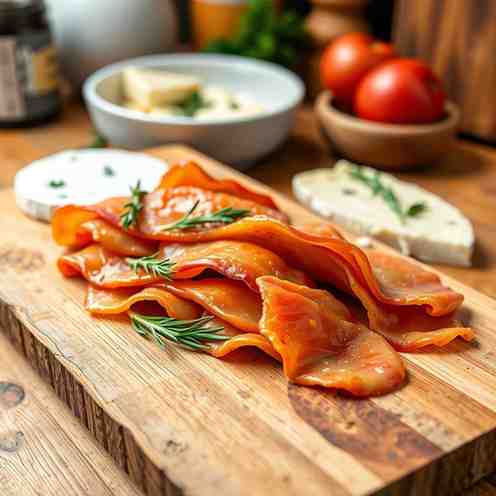
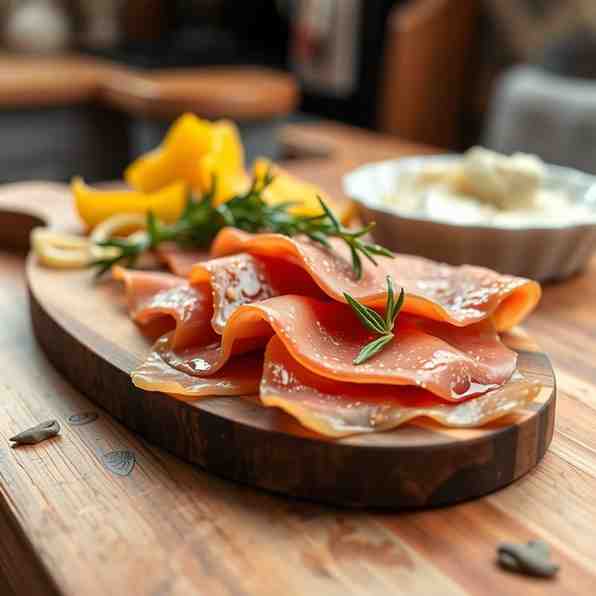
There's something incredibly satisfying about making food from scratch, especially when it's a staple like pancetta. This isn't just any pork product; authentic pancetta is Italy's answer to bacon, but with a richer, more complex flavor thanks to its curing process. Hailing from traditional Italian roots, it’s an unsung hero in countless dishes, adding a salty, savory depth that elevates everything it touches. For me, the scent of the spices mingling with the pork belly, and the anticipation of that first taste, brings back memories of bustling kitchens and shared meals. It’s a labor of love, yes, but the joy of slicing into your very own homemade pancetta? Absolutely priceless.
While often enjoyed on its own or as part of classic Italian fare, homemade pancetta is incredibly versatile. It can transform simple starters into gourmet experiences, pairing beautifully with creamy fresh goat cheese on crostini, or adding a savory crunch to a vibrant salad. You might even find it's the secret ingredient in your next favorite cheese bake recipes or a fantastic complement to a savory goat cheese dish. Whether you're looking for new recipes using goat cheese or just want to master a classic, making your own pancetta is a culinary adventure worth taking. Let's dive into creating this Croatian delight!
Ingredients
Directions
- Grind and Prepare Spices Start by gathering all your spices. In a spice grinder or mortar and pestle, grind the black peppercorns and juniper berries until they are coarsely crushed but not a fine powder. Combine these with the kosher salt, dried thyme, red pepper flakes (if using), crumbled bay leaves, and the pink curing salt #1 (if using) in a small bowl. Mix everything thoroughly. This aromatic blend is the heart of your pancetta's flavor!
- Coat the Pork Belly Evenly Pat your pork belly completely dry with paper towels. This is super important for proper curing. Now, generously rub the spice mixture all over the pork belly, ensuring every surface is completely covered. Don't be shy – you want a thick, even coating. Once coated, place the pork belly in a non-reactive dish or a large zip-top bag.
- Refrigerate for 24–72 Hours to Allow Flavors to Develop Cover the dish or seal the bag and place it in your refrigerator. Let it cure for 24 to 72 hours. During this time, the salt will draw out moisture, and the flavors will begin to penetrate the meat. If using a bag, flip the pork belly once or twice a day to ensure even curing. You'll notice some liquid accumulating; this is normal.
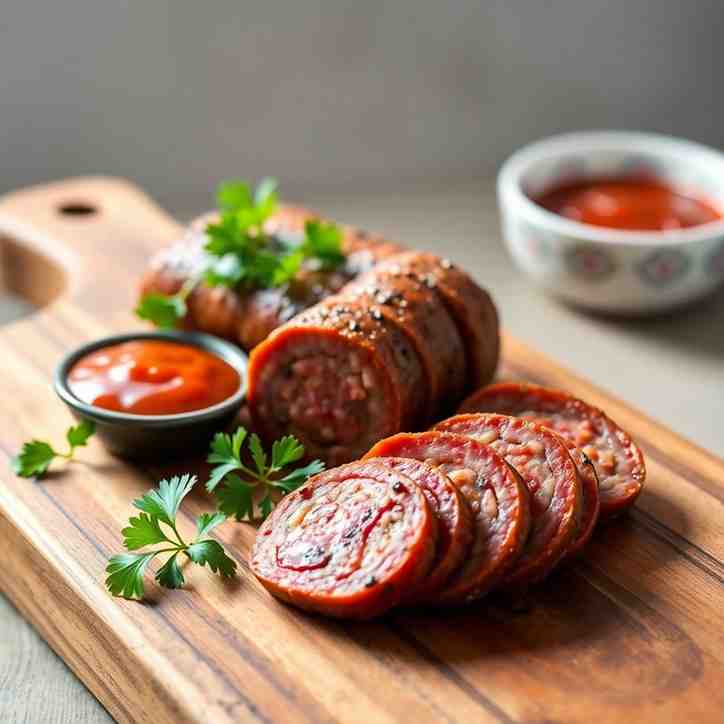
- Instructions on Checking the Pancetta's Progress and How to Test for Readiness After 24-72 hours, remove the pork belly from the fridge. Rinse off all the spice mixture under cold running water. It’s crucial to remove every bit of it. Pat the pork belly completely dry again. At this point, you have "fresh" pancetta. For a true, air-dried pancetta, you would hang it in a cool, humid environment for several weeks until it loses about 30% of its weight. However, for a home kitchen, you can simply roll it tightly into a log, skin-side out, and tie it securely with kitchen twine every inch or so. This compacts the meat and helps it hold its shape.
- How to Use or Store the Pancetta for Future Use Once rolled and tied, your pancetta is ready to use or store. You can slice off what you need and cook it immediately, or wrap the entire log tightly in plastic wrap (and then foil) and store it in the refrigerator for up to 2-3 weeks. For longer storage, slice the pancetta into smaller portions, wrap them well, and freeze for up to 3 months. When you're ready to use it, simply thaw, slice, and enjoy! It's perfect for rendering down for pasta sauces, crisping up for salads, or adding a savory punch to your morning eggs.
Pancetta Recipe - Great with Goat Cheese Dishes
- Serves: 10 People
- Prepare Time: 20 minutes
- Cooking Time: 0 minutes (
- Calories: -
- Difficulty: Medium
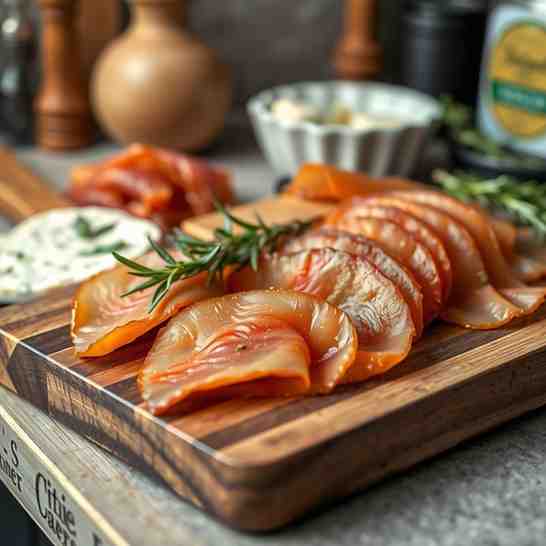
There's something incredibly satisfying about making food from scratch, especially when it's a staple like pancetta. This isn't just any pork product; authentic pancetta is Italy's answer to bacon, but with a richer, more complex flavor thanks to its curing process. Hailing from traditional Italian roots, it’s an unsung hero in countless dishes, adding a salty, savory depth that elevates everything it touches. For me, the scent of the spices mingling with the pork belly, and the anticipation of that first taste, brings back memories of bustling kitchens and shared meals. It’s a labor of love, yes, but the joy of slicing into your very own homemade pancetta? Absolutely priceless.
While often enjoyed on its own or as part of classic Italian fare, homemade pancetta is incredibly versatile. It can transform simple starters into gourmet experiences, pairing beautifully with creamy fresh goat cheese on crostini, or adding a savory crunch to a vibrant salad. You might even find it's the secret ingredient in your next favorite cheese bake recipes or a fantastic complement to a savory goat cheese dish. Whether you're looking for new recipes using goat cheese or just want to master a classic, making your own pancetta is a culinary adventure worth taking. Let's dive into creating this Croatian delight!
Ingredients
Directions
- Grind and Prepare Spices Start by gathering all your spices. In a spice grinder or mortar and pestle, grind the black peppercorns and juniper berries until they are coarsely crushed but not a fine powder. Combine these with the kosher salt, dried thyme, red pepper flakes (if using), crumbled bay leaves, and the pink curing salt #1 (if using) in a small bowl. Mix everything thoroughly. This aromatic blend is the heart of your pancetta's flavor!
- Coat the Pork Belly Evenly Pat your pork belly completely dry with paper towels. This is super important for proper curing. Now, generously rub the spice mixture all over the pork belly, ensuring every surface is completely covered. Don't be shy – you want a thick, even coating. Once coated, place the pork belly in a non-reactive dish or a large zip-top bag.
- Refrigerate for 24–72 Hours to Allow Flavors to Develop Cover the dish or seal the bag and place it in your refrigerator. Let it cure for 24 to 72 hours. During this time, the salt will draw out moisture, and the flavors will begin to penetrate the meat. If using a bag, flip the pork belly once or twice a day to ensure even curing. You'll notice some liquid accumulating; this is normal.
- Instructions on Checking the Pancetta's Progress and How to Test for Readiness After 24-72 hours, remove the pork belly from the fridge. Rinse off all the spice mixture under cold running water. It’s crucial to remove every bit of it. Pat the pork belly completely dry again. At this point, you have "fresh" pancetta. For a true, air-dried pancetta, you would hang it in a cool, humid environment for several weeks until it loses about 30% of its weight. However, for a home kitchen, you can simply roll it tightly into a log, skin-side out, and tie it securely with kitchen twine every inch or so. This compacts the meat and helps it hold its shape.
- How to Use or Store the Pancetta for Future Use Once rolled and tied, your pancetta is ready to use or store. You can slice off what you need and cook it immediately, or wrap the entire log tightly in plastic wrap (and then foil) and store it in the refrigerator for up to 2-3 weeks. For longer storage, slice the pancetta into smaller portions, wrap them well, and freeze for up to 3 months. When you're ready to use it, simply thaw, slice, and enjoy! It's perfect for rendering down for pasta sauces, crisping up for salads, or adding a savory punch to your morning eggs.
You may also like

Hey there! I’m just someone who seriously loves good food and believes that cooking doesn’t have to be complicated to be amazing. Whether it’s a quick weeknight dinner or a cozy weekend meal, I’m all about sharing easy, tasty recipes that actually work.