
Homemade Salt Cured Pork - Make Delicious Speck at Home
Homemade Salt Cured Pork - Make Delicious Speck at Home
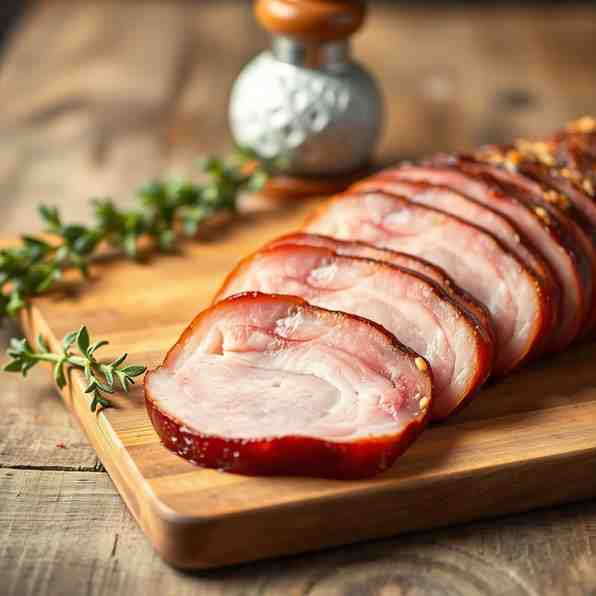
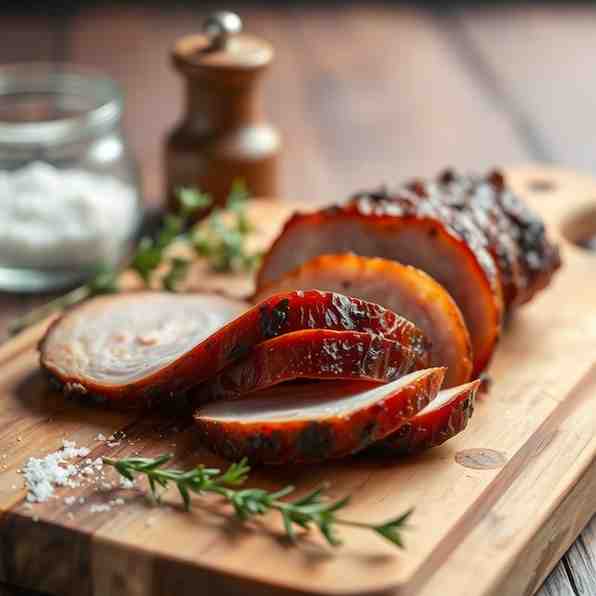
- Serves: 1 People
- Prepare Time: 30 minutes
- Cooking Time: 4 hours
- Calories: -
- Difficulty: Easy
Ever dreamed of crafting your own artisan salt cured pork right in your kitchen? Forget store-bought bacon for a moment, because we're diving into the delightful world of homemade speck—a truly authentic, `smoked cured ham` experience that stands head and shoulders above your average pork belly. This isn't just another weeknight dinner; this is a journey into the rich traditions of `Alto Adige speck`, transforming humble `smoked pork belly` into a savory masterpiece.
Speck, with its unique blend of curing, smoking, and aging, offers a depth of flavor that's both robust and subtly sweet, making it a fantastic `dry cured bacon` alternative. It's smoky, savory, and boasts a wonderfully firm texture that melts in your mouth when thinly sliced. If you appreciate the art of `dry cured meat` and are ready to create a product with real character, this guide is for you.
A crucial note before we begin: crafting your own `cured pork belly` is precision work. We're dealing with food safety here, so meticulous attention to detail is paramount. Always use a digital gram scale for ingredients, maintain cold temperatures, and practice impeccable sanitation. Ready to elevate your charcuterie game? Let's make some delicious speck!
Want to know what speck tastes like and why it makes such a compelling alternative to bacon? Speck is essentially a `smoked cured ham` that combines the best characteristics of bacon and prosciutto. Unlike typical bacon, which is often just cured and smoked, speck undergoes a longer dry-curing process, giving it a firmer texture and more concentrated flavor. It's typically cold-smoked, imparting a gentle, aromatic smokiness rather than an intense, hot-smoked flavor. This unique combination of salt, smoke, and rich pork fat creates that irresistible "bacon effect," perfect for enhancing soups, stews, pasta dishes, and even scrambled eggs.
Ingredients
Directions
- Trim & Weigh the Pork Belly: Trim any ragged edges from your `cured pork belly` to create a uniform slab. Weigh the pork belly precisely and record this weight. This is critical for calculating your cure percentages.
- Mix the Cure: In a small bowl, combine the kosher salt, sugar, Cure #2, and all your chosen spices. Mix thoroughly until everything is evenly distributed.
- Cure in the Fridge: Generously rub the entire surface of the pork belly with the cure mixture, ensuring even coverage. Place the rubbed belly into a non-reactive container or a large Ziploc bag. Seal tightly. Cure in the coldest part of your fridge (34-40°F / 1-4°C) for 7-10 days, or approximately 1 day per ½ inch of thickness. Flip the belly daily to redistribute the cure and juices. You'll notice the belly firming up as it cures.
- Rinse (Optional) & Dry Thoroughly: After curing, you can optionally give the belly a quick rinse under cold water to remove excess surface cure. Pat it extremely dry with paper towels. Any surface moisture can lead to issues.
- Form the Pellicle: Place the pork belly on a wire rack set over a sheet pan. Return it to the fridge, uncovered, for 1-24 hours. This allows a tacky, slightly dry surface (the pellicle) to form, which is crucial for smoke adhesion and even drying. Good airflow is key here.
- Cold Smoke: Set up your `best cold smoker` or `electric smoker cold smoke` generator. The temperature target inside the smoker chamber must remain safely cold, ideally below 70°F (21°C), and definitely below 90°F (32°C) to prevent cooking the meat. Use mild smoke woods like apple or cherry for a delicate flavor; hickory can be used sparingly. Smoke the pork belly in short sessions (e.g., 2-3 sessions of 1-2 hours each) over 1-2 days, allowing it to cool completely in the fridge between sessions. Do not overdo the smoke; speck is subtly smoky.
- Dry / Age: Once smoked, hang the pork belly using hooks or butcher’s twine in a dedicated `meat curing fridge` or a cool, humid environment (50-60°F / 10-15°C and 70-80% humidity is ideal). If using a regular fridge, ensure good airflow with a fan if possible. The `dry cured meat` will age for 2-4 weeks, or until it has lost 30-35% of its original weight. This weight loss target is your texture checkpoint – it will be firm but not rock-hard.
- Rest, Slice, and Store: Once the target weight loss is achieved, your homemade speck is ready! Let it rest in the fridge for a day or two to allow flavors to equalize. For best enjoyment, use a sharp knife or meat slicer to create `thin slice meat` portions.How to Slice and Use SpeckSpeck is incredibly versatile. For most applications, `thin slice meat` is preferred, allowing its delicate texture and complex flavor to shine. You can also cut it into lardons (small matchsticks) for cooking. When rendering speck, do so gently over medium-low heat to crisp it up without burning, preserving its nuanced flavor.Some of the `best first uses` for your homemade speck include:
- Eggs: Fry thin slices until crisp and serve alongside scrambled or fried eggs.
- Beans: Render lardons and add them to your favorite bean dishes for a smoky, savory depth.
- Pasta: Crisp up lardons and toss with pasta, a touch of olive oil, and Parmesan cheese.
- Roasted Veggies: Wrap asparagus or green beans in thin slices of speck before roasting.
Homemade Salt Cured Pork - Make Delicious Speck at Home
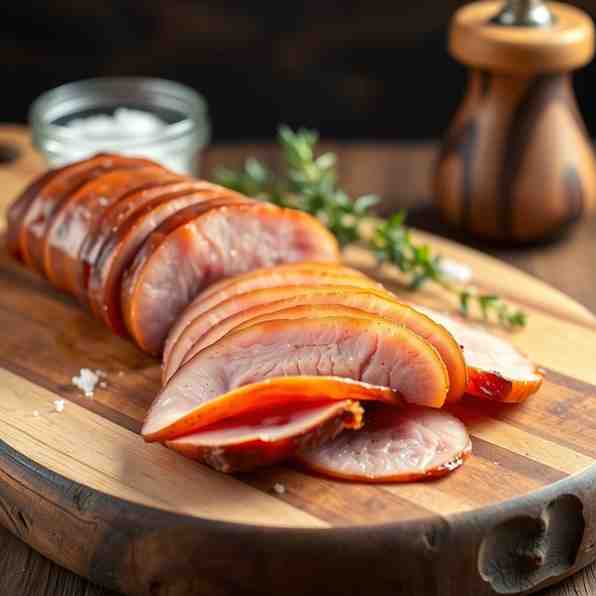
- Serves: 1 People
- Prepare Time: 30 minutes
- Cooking Time: 4 hours
- Calories: -
- Difficulty: Easy
Ever dreamed of crafting your own artisan salt cured pork right in your kitchen? Forget store-bought bacon for a moment, because we're diving into the delightful world of homemade speck—a truly authentic, `smoked cured ham` experience that stands head and shoulders above your average pork belly. This isn't just another weeknight dinner; this is a journey into the rich traditions of `Alto Adige speck`, transforming humble `smoked pork belly` into a savory masterpiece.
Speck, with its unique blend of curing, smoking, and aging, offers a depth of flavor that's both robust and subtly sweet, making it a fantastic `dry cured bacon` alternative. It's smoky, savory, and boasts a wonderfully firm texture that melts in your mouth when thinly sliced. If you appreciate the art of `dry cured meat` and are ready to create a product with real character, this guide is for you.
A crucial note before we begin: crafting your own `cured pork belly` is precision work. We're dealing with food safety here, so meticulous attention to detail is paramount. Always use a digital gram scale for ingredients, maintain cold temperatures, and practice impeccable sanitation. Ready to elevate your charcuterie game? Let's make some delicious speck!
Want to know what speck tastes like and why it makes such a compelling alternative to bacon? Speck is essentially a `smoked cured ham` that combines the best characteristics of bacon and prosciutto. Unlike typical bacon, which is often just cured and smoked, speck undergoes a longer dry-curing process, giving it a firmer texture and more concentrated flavor. It's typically cold-smoked, imparting a gentle, aromatic smokiness rather than an intense, hot-smoked flavor. This unique combination of salt, smoke, and rich pork fat creates that irresistible "bacon effect," perfect for enhancing soups, stews, pasta dishes, and even scrambled eggs.
Ingredients
Directions
- Trim & Weigh the Pork Belly: Trim any ragged edges from your `cured pork belly` to create a uniform slab. Weigh the pork belly precisely and record this weight. This is critical for calculating your cure percentages.
- Mix the Cure: In a small bowl, combine the kosher salt, sugar, Cure #2, and all your chosen spices. Mix thoroughly until everything is evenly distributed.
- Cure in the Fridge: Generously rub the entire surface of the pork belly with the cure mixture, ensuring even coverage. Place the rubbed belly into a non-reactive container or a large Ziploc bag. Seal tightly. Cure in the coldest part of your fridge (34-40°F / 1-4°C) for 7-10 days, or approximately 1 day per ½ inch of thickness. Flip the belly daily to redistribute the cure and juices. You'll notice the belly firming up as it cures.
- Rinse (Optional) & Dry Thoroughly: After curing, you can optionally give the belly a quick rinse under cold water to remove excess surface cure. Pat it extremely dry with paper towels. Any surface moisture can lead to issues.
- Form the Pellicle: Place the pork belly on a wire rack set over a sheet pan. Return it to the fridge, uncovered, for 1-24 hours. This allows a tacky, slightly dry surface (the pellicle) to form, which is crucial for smoke adhesion and even drying. Good airflow is key here.
- Cold Smoke: Set up your `best cold smoker` or `electric smoker cold smoke` generator. The temperature target inside the smoker chamber must remain safely cold, ideally below 70°F (21°C), and definitely below 90°F (32°C) to prevent cooking the meat. Use mild smoke woods like apple or cherry for a delicate flavor; hickory can be used sparingly. Smoke the pork belly in short sessions (e.g., 2-3 sessions of 1-2 hours each) over 1-2 days, allowing it to cool completely in the fridge between sessions. Do not overdo the smoke; speck is subtly smoky.
- Dry / Age: Once smoked, hang the pork belly using hooks or butcher’s twine in a dedicated `meat curing fridge` or a cool, humid environment (50-60°F / 10-15°C and 70-80% humidity is ideal). If using a regular fridge, ensure good airflow with a fan if possible. The `dry cured meat` will age for 2-4 weeks, or until it has lost 30-35% of its original weight. This weight loss target is your texture checkpoint – it will be firm but not rock-hard.
- Rest, Slice, and Store: Once the target weight loss is achieved, your homemade speck is ready! Let it rest in the fridge for a day or two to allow flavors to equalize. For best enjoyment, use a sharp knife or meat slicer to create `thin slice meat` portions.How to Slice and Use SpeckSpeck is incredibly versatile. For most applications, `thin slice meat` is preferred, allowing its delicate texture and complex flavor to shine. You can also cut it into lardons (small matchsticks) for cooking. When rendering speck, do so gently over medium-low heat to crisp it up without burning, preserving its nuanced flavor.Some of the `best first uses` for your homemade speck include:
- Eggs: Fry thin slices until crisp and serve alongside scrambled or fried eggs.
- Beans: Render lardons and add them to your favorite bean dishes for a smoky, savory depth.
- Pasta: Crisp up lardons and toss with pasta, a touch of olive oil, and Parmesan cheese.
- Roasted Veggies: Wrap asparagus or green beans in thin slices of speck before roasting.
You may also like



Hey there! I’m just someone who seriously loves good food and believes that cooking doesn’t have to be complicated to be amazing. Whether it’s a quick weeknight dinner or a cozy weekend meal, I’m all about sharing easy, tasty recipes that actually work.