Homemade Sesame Seed Halva Recipe
Homemade Sesame Seed Halva Recipe
- Serves: 8 People
- Prepare Time: 15 minutes
- Cooking Time: 20 minutes
- Calories: -
- Difficulty: Medium
Ready to create a little magic in your kitchen? You're about to dive into the wonderful world of sesame seed halva, a classic Middle Eastern dessert that's surprisingly simple to make right at home. Forget store-bought; this foolproof recipe will guide you through crafting a perfectly sliceable, delightfully crumbly, and utterly melt-in-your-mouth tahini-based halva.
This isn't just any home made sweet; it's a symphony of nutty sesame flavor, balanced sweetness, and a texture that will have you reaching for another piece. We’ve designed this recipe for first-timers, ensuring a reliable result every time. While the active cook time is quick, remember this exquisite dairy free sweet needs an overnight chill to set perfectly. So, gather your ingredients and let's make some incredible sweet treats vegan and delicious!
First, let's get some quick answers out of the way!
Is halva dairy-free? Yes, traditional tahini halva, like this recipe, is naturally dairy-free.
Is halva vegan? It can be! This recipe is vegan as written, using granulated sugar. Some commercial halva might use honey, so always check labels if buying.
What does it taste like? Imagine a rich, nutty-sesame flavor with a hint of toastiness, perfectly sweet, and incredibly satisfying.
In plain English, halva (or halvah) is a dense, sweet confection found across the Middle East, Central Asia, and the Balkans. It's often made from a nut butter or flour base. This recipe focuses on tahini halva, which is made from sesame paste and sugar, resulting in a crumbly, fudgy texture.
You might see it spelled "halwa" sometimes, especially in South Asia, where it can refer to a broader category of dense, sweet desserts that might be grain-based (like semolina halwa) or vegetable-based (like carrot halwa). For our purposes, "halva" refers to this delicious, tahini-based sesame seed halva.
Ingredients
Directions
- Prep the Pan: Line a standard 8x4 or 9x5-inch loaf pan with parchment paper, allowing the paper to extend over the sides to create a "sling." This will make it super easy to lift out your finished halva.
- Prep the Tahini Base: In a large, heatproof bowl, combine the well-stirred tahini, vanilla extract, and salt. Have this bowl and a sturdy spatula or wooden spoon ready next to your stovetop.
- Cook the Syrup: In a heavy-bottomed saucepan, combine the granulated sugar and water. Stir gently over medium heat until the sugar completely dissolves. Once it begins to boil, stop stirring. Clip your candy thermometer to the side of the pan, making sure the tip isn't touching the bottom. Continue to boil, without stirring, until the syrup reaches 250°F (121°C) – the firm ball stage. If sugar crystals form on the sides of the pan, use a wet pastry brush to gently wipe them down.
- Combine (The Critical Moment): As soon as the syrup hits 250°F (121°C), immediately remove it from the heat. Slowly and steadily pour the hot sugar syrup into the tahini mixture in a thin stream, while continuously and vigorously mixing with your sturdy spatula or wooden spoon. At first, the mixture will look glossy and a bit loose. Keep mixing! It will quickly start to thicken and become very stiff, pulling away from the sides of the bowl. You’ll feel a distinct shift in texture. Once it's extremely thick and difficult to stir, and just begins to form a cohesive mass that pulls away from the bowl, stop mixing immediately to prevent it from becoming too crumbly.
- Fold in Nuts (Optional): If using, quickly fold in the toasted pistachios with just a few turns of your spatula. Don't overmix.
- Pack + Set: Immediately transfer the hot halva mixture into your prepared loaf pan. Using the back of your spatula or a piece of parchment paper, press it down firmly and evenly to remove any air pockets and create a smooth top. Cover the pan loosely with plastic wrap.
- Chill + Slice: Place the covered halva in the refrigerator and chill overnight (at least 8 hours). This is crucial for it to set properly. Once thoroughly chilled, use the parchment sling to lift the halva out of the pan. Slice it with a sharp knife and serve at room temperature for the best flavor and texture.
- What It Should Look Like
- Right after mixing: The halva mixture will be very thick, glossy, and pull away from the sides of the bowl as you stir, resembling a stiff dough.
- After packing into pan: It should be a dense, smooth block, pressed firmly into the pan with no large air gaps.
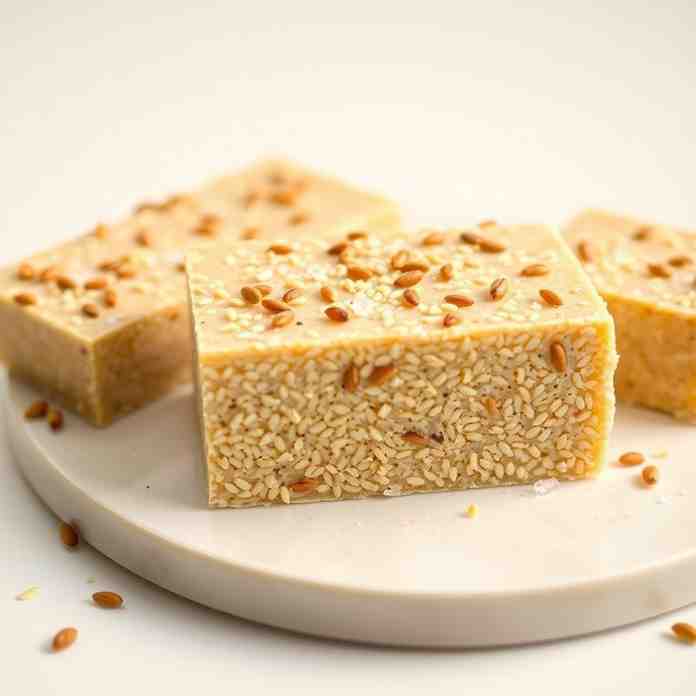
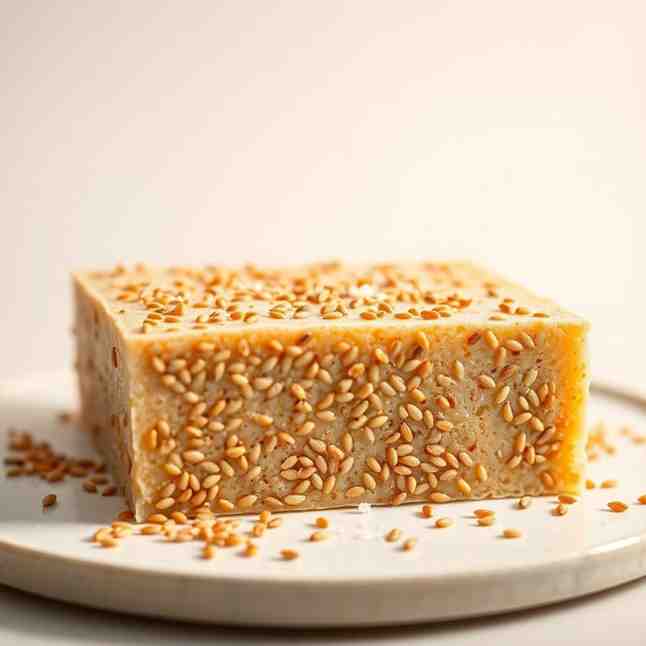
- After chilling: The halva will be firm to the touch, sliceable, and have a beautiful, slightly fibrous, crumbly texture when broken or bitten into.
Homemade Sesame Seed Halva Recipe
- Serves: 8 People
- Prepare Time: 15 minutes
- Cooking Time: 20 minutes
- Calories: -
- Difficulty: Medium
Ready to create a little magic in your kitchen? You're about to dive into the wonderful world of sesame seed halva, a classic Middle Eastern dessert that's surprisingly simple to make right at home. Forget store-bought; this foolproof recipe will guide you through crafting a perfectly sliceable, delightfully crumbly, and utterly melt-in-your-mouth tahini-based halva.
This isn't just any home made sweet; it's a symphony of nutty sesame flavor, balanced sweetness, and a texture that will have you reaching for another piece. We’ve designed this recipe for first-timers, ensuring a reliable result every time. While the active cook time is quick, remember this exquisite dairy free sweet needs an overnight chill to set perfectly. So, gather your ingredients and let's make some incredible sweet treats vegan and delicious!
First, let's get some quick answers out of the way!
Is halva dairy-free? Yes, traditional tahini halva, like this recipe, is naturally dairy-free.
Is halva vegan? It can be! This recipe is vegan as written, using granulated sugar. Some commercial halva might use honey, so always check labels if buying.
What does it taste like? Imagine a rich, nutty-sesame flavor with a hint of toastiness, perfectly sweet, and incredibly satisfying.
In plain English, halva (or halvah) is a dense, sweet confection found across the Middle East, Central Asia, and the Balkans. It's often made from a nut butter or flour base. This recipe focuses on tahini halva, which is made from sesame paste and sugar, resulting in a crumbly, fudgy texture.
You might see it spelled "halwa" sometimes, especially in South Asia, where it can refer to a broader category of dense, sweet desserts that might be grain-based (like semolina halwa) or vegetable-based (like carrot halwa). For our purposes, "halva" refers to this delicious, tahini-based sesame seed halva.
Ingredients
Directions
- Prep the Pan: Line a standard 8x4 or 9x5-inch loaf pan with parchment paper, allowing the paper to extend over the sides to create a "sling." This will make it super easy to lift out your finished halva.
- Prep the Tahini Base: In a large, heatproof bowl, combine the well-stirred tahini, vanilla extract, and salt. Have this bowl and a sturdy spatula or wooden spoon ready next to your stovetop.
- Cook the Syrup: In a heavy-bottomed saucepan, combine the granulated sugar and water. Stir gently over medium heat until the sugar completely dissolves. Once it begins to boil, stop stirring. Clip your candy thermometer to the side of the pan, making sure the tip isn't touching the bottom. Continue to boil, without stirring, until the syrup reaches 250°F (121°C) – the firm ball stage. If sugar crystals form on the sides of the pan, use a wet pastry brush to gently wipe them down.
- Combine (The Critical Moment): As soon as the syrup hits 250°F (121°C), immediately remove it from the heat. Slowly and steadily pour the hot sugar syrup into the tahini mixture in a thin stream, while continuously and vigorously mixing with your sturdy spatula or wooden spoon. At first, the mixture will look glossy and a bit loose. Keep mixing! It will quickly start to thicken and become very stiff, pulling away from the sides of the bowl. You’ll feel a distinct shift in texture. Once it's extremely thick and difficult to stir, and just begins to form a cohesive mass that pulls away from the bowl, stop mixing immediately to prevent it from becoming too crumbly.
- Fold in Nuts (Optional): If using, quickly fold in the toasted pistachios with just a few turns of your spatula. Don't overmix.
- Pack + Set: Immediately transfer the hot halva mixture into your prepared loaf pan. Using the back of your spatula or a piece of parchment paper, press it down firmly and evenly to remove any air pockets and create a smooth top. Cover the pan loosely with plastic wrap.
- Chill + Slice: Place the covered halva in the refrigerator and chill overnight (at least 8 hours). This is crucial for it to set properly. Once thoroughly chilled, use the parchment sling to lift the halva out of the pan. Slice it with a sharp knife and serve at room temperature for the best flavor and texture.
- What It Should Look Like
- Right after mixing: The halva mixture will be very thick, glossy, and pull away from the sides of the bowl as you stir, resembling a stiff dough.
- After packing into pan: It should be a dense, smooth block, pressed firmly into the pan with no large air gaps.
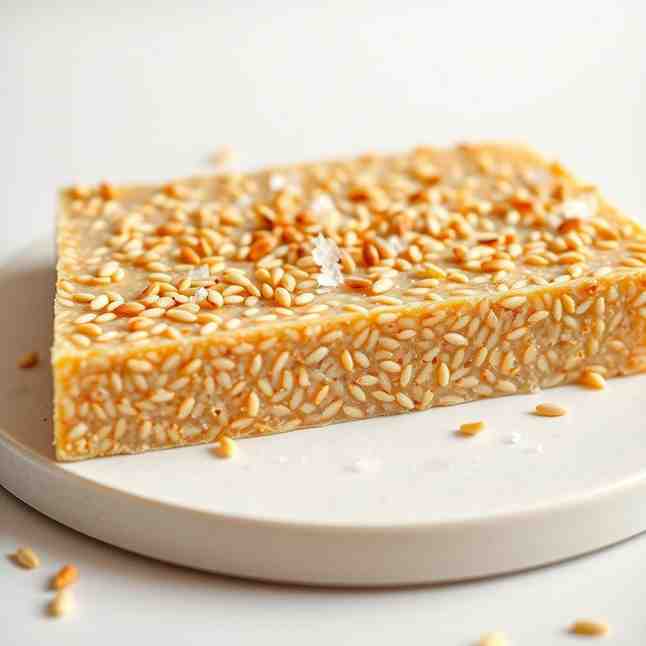
- After chilling: The halva will be firm to the touch, sliceable, and have a beautiful, slightly fibrous, crumbly texture when broken or bitten into.
You may also like

Hey there! I’m just someone who seriously loves good food and believes that cooking doesn’t have to be complicated to be amazing. Whether it’s a quick weeknight dinner or a cozy weekend meal, I’m all about sharing easy, tasty recipes that actually work.