
Make Sweet Nepali Yomari at Home | Easy Recipe
Make Sweet Nepali Yomari at Home | Easy Recipe

- Serves: 4 People
- Prepare Time: 60 minutes
- Cooking Time: 20 minutes
- Calories: -
- Difficulty: Medium
Welcome to the delightful world of Yomari, a truly special sweet Nepali dumpling that's a cornerstone of Nepali culinary tradition! While many might be familiar with savory homemade dumpling recipes like momos, Yomari offers a unique, naturally gluten free dumpling experience that's both comforting and incredibly flavorful. These beautiful, teardrop-shaped treats, traditionally made from rice flour and filled with a sweet chaku (molasses) mixture, hold deep cultural significance, particularly during the Yomari Punhi festival. If you're looking for an authentic Nepali sweet dumpling recipe or simply craving sweet dumpling ideas that are easy to make from scratch, you've come to the right place. Get ready to dive into the art of how to make Yomari and discover why this traditional Nepali dumpling is cherished by so many!
Ingredients
Directions
- Make the Dough
- Prepare the Rice Flour: In a large mixing bowl, combine the rice flour and salt (if using).
- Add Hot Water: Gradually pour the hot water into the flour mixture, stirring continuously with a wooden spoon or spatula. Be careful, as the water is hot!
- Form a Shaggy Dough: Continue mixing until the flour comes together into a shaggy, somewhat crumbly dough. It might still be a bit sticky.
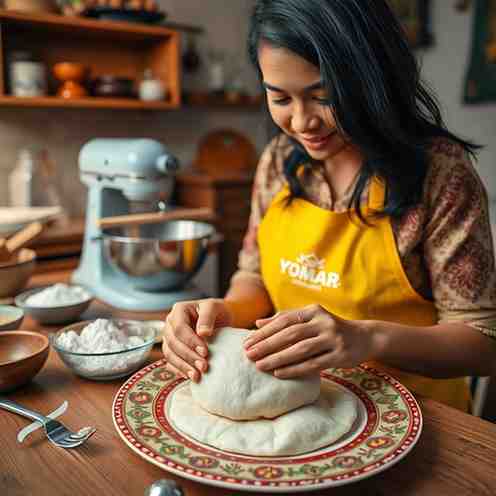
- Cool and Knead: Let the dough cool down for 5-10 minutes until it's cool enough to handle. Lightly grease your hands with a little vegetable oil (if using) and knead the dough on a clean surface for about 5-7 minutes. You're looking for a smooth, pliable, and non-sticky dough. If it's too dry, add a tiny bit more hot water, a teaspoon at a time. If too sticky, add a little more rice flour.
- Rest the Dough: Cover the dough with a damp cloth or plastic wrap and let it rest for at least 30 minutes. This helps the flour hydrate fully and makes the dough easier to work with.
- Prepare the Filling
- Melt Chaku: In a small saucepan or microwave-safe bowl, melt the chaku (or jaggery/palm sugar) over low heat or in short bursts in the microwave, along with the ghee or butter. Stir until smooth.
- Add Flavorings: Remove from heat and stir in the toasted sesame seeds, cardamom powder, and grated coconut (if using). Mix well.
- Cool the Filling: Let the filling cool down completely. As it cools, it will thicken. You want it to be firm enough to handle and shape, but still pliable. If it's too runny, you can refrigerate it for a few minutes. If it's too hard, gently warm it slightly.
- Shape the Yomari
- This is where the magic happens! Yomari have a distinctive teardrop or fig-like shape.
- Portion the Dough: Divide the rested dough into small, equal-sized balls, about the size of a golf ball. Keep the remaining dough covered to prevent it from drying out.
- Form a Cone/Cup: Take one dough ball and, using your thumb and fingers, press and rotate it to form a small, hollow cone or cup shape. The walls should be thin but not transparent.
- Add the Filling: Place about 1-2 teaspoons of the cooled chaku filling into the hollow cone. Don't overfill!
- Seal and Shape: Carefully bring the edges of the dough together, pinching and sealing them tightly to enclose the filling completely. Then, gently shape the dumpling into its characteristic teardrop or fig shape, making sure there are no cracks for the filling to leak out during steaming. The bottom should be wider, tapering to a point at the top.
- Repeat: Continue shaping the remaining Yomari until all the dough and filling are used.
- Steam the Yomari
- Steaming is the traditional and best method for cooking Yomari, resulting in a soft, chewy texture.
- Prepare Steamer: Fill a steamer pot with water and bring it to a rolling boil. Lightly grease the steamer basket or line it with parchment paper to prevent the Yomari from sticking.
- Arrange Yomari: Carefully place the shaped Yomari in the steamer basket, ensuring there's a little space between each one to prevent them from sticking together. Don't overcrowd the steamer.
- Steam: Cover the steamer and steam the Yomari for 10-15 minutes. The cooking time can vary slightly depending on their size. They are done when they look translucent and feel firm but still soft.
- Serve Hot: Carefully remove the steamed Yomari from the steamer. Serve them immediately while hot and fresh.
Make Sweet Nepali Yomari at Home | Easy Recipe
- Serves: 4 People
- Prepare Time: 60 minutes
- Cooking Time: 20 minutes
- Calories: -
- Difficulty: Medium
Welcome to the delightful world of Yomari, a truly special sweet Nepali dumpling that's a cornerstone of Nepali culinary tradition! While many might be familiar with savory homemade dumpling recipes like momos, Yomari offers a unique, naturally gluten free dumpling experience that's both comforting and incredibly flavorful. These beautiful, teardrop-shaped treats, traditionally made from rice flour and filled with a sweet chaku (molasses) mixture, hold deep cultural significance, particularly during the Yomari Punhi festival. If you're looking for an authentic Nepali sweet dumpling recipe or simply craving sweet dumpling ideas that are easy to make from scratch, you've come to the right place. Get ready to dive into the art of how to make Yomari and discover why this traditional Nepali dumpling is cherished by so many!
Ingredients
Directions
- Make the Dough
- Prepare the Rice Flour: In a large mixing bowl, combine the rice flour and salt (if using).
- Add Hot Water: Gradually pour the hot water into the flour mixture, stirring continuously with a wooden spoon or spatula. Be careful, as the water is hot!
- Form a Shaggy Dough: Continue mixing until the flour comes together into a shaggy, somewhat crumbly dough. It might still be a bit sticky.
- Cool and Knead: Let the dough cool down for 5-10 minutes until it's cool enough to handle. Lightly grease your hands with a little vegetable oil (if using) and knead the dough on a clean surface for about 5-7 minutes. You're looking for a smooth, pliable, and non-sticky dough. If it's too dry, add a tiny bit more hot water, a teaspoon at a time. If too sticky, add a little more rice flour.
- Rest the Dough: Cover the dough with a damp cloth or plastic wrap and let it rest for at least 30 minutes. This helps the flour hydrate fully and makes the dough easier to work with.
- Prepare the Filling
- Melt Chaku: In a small saucepan or microwave-safe bowl, melt the chaku (or jaggery/palm sugar) over low heat or in short bursts in the microwave, along with the ghee or butter. Stir until smooth.
- Add Flavorings: Remove from heat and stir in the toasted sesame seeds, cardamom powder, and grated coconut (if using). Mix well.
- Cool the Filling: Let the filling cool down completely. As it cools, it will thicken. You want it to be firm enough to handle and shape, but still pliable. If it's too runny, you can refrigerate it for a few minutes. If it's too hard, gently warm it slightly.
- Shape the Yomari
- This is where the magic happens! Yomari have a distinctive teardrop or fig-like shape.
- Portion the Dough: Divide the rested dough into small, equal-sized balls, about the size of a golf ball. Keep the remaining dough covered to prevent it from drying out.
- Form a Cone/Cup: Take one dough ball and, using your thumb and fingers, press and rotate it to form a small, hollow cone or cup shape. The walls should be thin but not transparent.
- Add the Filling: Place about 1-2 teaspoons of the cooled chaku filling into the hollow cone. Don't overfill!
- Seal and Shape: Carefully bring the edges of the dough together, pinching and sealing them tightly to enclose the filling completely. Then, gently shape the dumpling into its characteristic teardrop or fig shape, making sure there are no cracks for the filling to leak out during steaming. The bottom should be wider, tapering to a point at the top.
- Repeat: Continue shaping the remaining Yomari until all the dough and filling are used.
- Steam the Yomari
- Steaming is the traditional and best method for cooking Yomari, resulting in a soft, chewy texture.
- Prepare Steamer: Fill a steamer pot with water and bring it to a rolling boil. Lightly grease the steamer basket or line it with parchment paper to prevent the Yomari from sticking.
- Arrange Yomari: Carefully place the shaped Yomari in the steamer basket, ensuring there's a little space between each one to prevent them from sticking together. Don't overcrowd the steamer.
- Steam: Cover the steamer and steam the Yomari for 10-15 minutes. The cooking time can vary slightly depending on their size. They are done when they look translucent and feel firm but still soft.
- Serve Hot: Carefully remove the steamed Yomari from the steamer. Serve them immediately while hot and fresh.
You may also like




Hey there! I’m just someone who seriously loves good food and believes that cooking doesn’t have to be complicated to be amazing. Whether it’s a quick weeknight dinner or a cozy weekend meal, I’m all about sharing easy, tasty recipes that actually work.