Crispy Honduran Tostones - The Best Appetizer with Sour Cream
Crispy Honduran Tostones - The Best Appetizer with Sour Cream

- Serves: 4 People
- Prepare Time: 15 minutes
- Cooking Time: 20 minutes
- Calories: -
- Difficulty: Medium
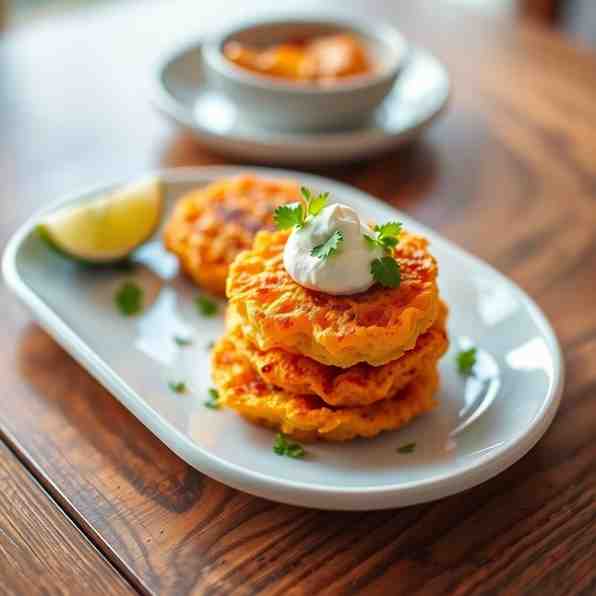
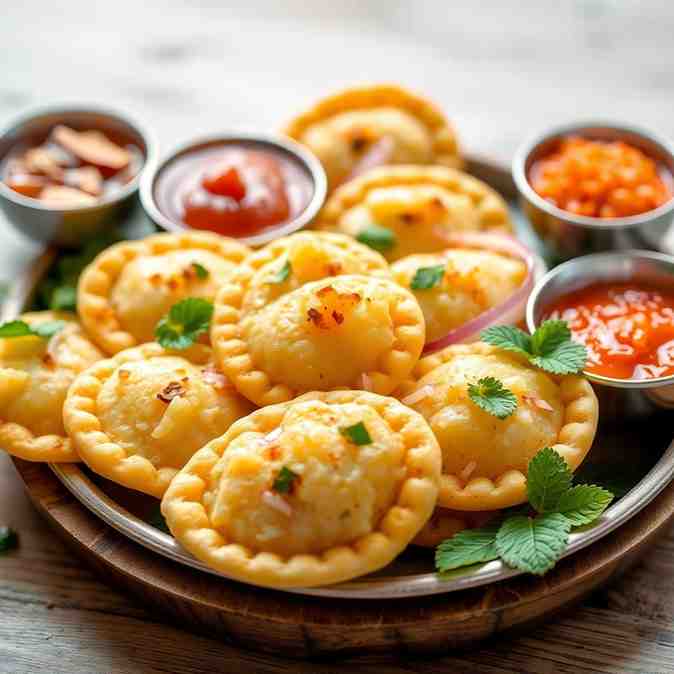
Get ready to savor the crunch! If you're looking for an incredible appetizer with sour cream that brings a taste of Central America right to your kitchen, then you absolutely have to try these Authentic Honduran Tostones. These crispy, savory, twice-fried green plantains are a staple in Honduran cuisine, often served as a fantastic side dish menu addition or a standalone recipe for appetizer perfection. What makes them so special? That double-fry technique is key, creating an irresistibly crunchy exterior and a tender, starchy inside. They're not just delicious; they're an experience, perfect for sharing at any gathering or enjoying with your favorite Honduran meal.
Ingredients
Directions
- Equipment You'll Need:
- Heavy skillet or Dutch oven (for frying)
- Tongs or slotted spoon
- Paper towels + cooling rack (best for draining and keeping crisp)
- Plate, glass, or tostonera (for smashing)
- Thermometer (optional but highly recommended for oil temperature control)
- Pick the Right PlantainsFor perfect tostones, you need very green plantains. Look for plantains that are firm to the touch, bright green all over, and show minimal to no yellowing. If they're starting to yellow, they'll be sweeter and softer, which isn't ideal for the savory crunch of tostones.
- Peel Safely & SlicePeeling green plantains can be a bit tricky! First, cut off both ends of the plantain. Then, score shallow lines lengthwise along the skin, about 3-4 times, without cutting into the flesh. Use your knife or a spoon to gently pry up the edges of the skin and peel it away. Slice the peeled plantains into thick coins, about 1 inch (2.5 cm) thick. This thickness is crucial for classic tostones, allowing them to soften without falling apart before smashing.
- First Fry (Cook/Soften)Pour your neutral high-heat oil into a heavy skillet or Dutch oven. You'll want enough oil to submerge the plantain pieces by about 1 to 1.5 inches. Heat the oil over medium-high heat to a target temperature range of 325-350°F (160-175°C). If you don't have a thermometer, you'll know it's ready when a small piece of plantain sizzles gently but not violently. Carefully add the plantain slices to the hot oil in a single layer, making sure not to overcrowd the pan. Fry for about 3-5 minutes per side, or until the outside is a pale golden color and the centers are softened. They should feel pliable when poked with a fork. Remove the plantains from the oil with tongs or a slotted spoon and place them on a paper towel-lined plate to drain briefly.
- SmashWhile the plantains are still warm from the first fry, it's time to smash! Place a plantain piece between two pieces of parchment paper or lightly oiled plastic wrap, or directly onto a plate. Use the bottom of a heavy glass, a small plate, or a specialized tostonera to firmly press down on each piece, flattening it to about ¼ inch thick. The goal is to create a flat, disc-like shape. Be careful not to smash them too thin, or they might become brittle.
- Tip: Lightly oiling the plate or using parchment paper helps prevent the smashed plantains from sticking.
- Optional Quick Dip (Extra Crunch)For an extra layer of crunch and flavor, quickly dip each smashed plantain disc into a bowl of salted water (and optionally a tiny squeeze of lime). This brief dip helps season the inside and creates a steam effect during the second fry, contributing to a crispier exterior. After dipping, it’s crucial to pat them very, very dry with paper towels before the second fry to prevent oil splattering and ensure maximum crispness.
- Second Fry (Crisp)Increase the oil temperature slightly to 350-375°F (175-190°C). Return the smashed and (optionally) dried plantain discs to the hot oil, again in a single layer. Fry for another 2-4 minutes per side, or until they are deep golden brown, beautifully crispy, and incredibly crunchy. Watch them closely, as they can brown quickly.
- Drain & SeasonOnce golden and crisp, remove the tostones from the oil. For the best results, drain them on a wire rack placed over a baking sheet. This allows air to circulate, keeping them crisp. Immediately and generously sprinkle them with salt while they are still hot. This is when the salt will adhere best and fully season the tostones.
- How to Serve Them (Honduran-forward)These Honduran Tostones are incredibly versatile and delicious! Here are some traditional Honduran-forward serving ideas:
- With chimol: A fresh Honduran-style pico de gallo with tomatoes, onions, cilantro, and sometimes bell peppers.
- With encurtido: Quick pickled onions or mixed vegetables, offering a tangy counterpoint.
- With salsa rosada: A creamy, slightly sweet, and tangy pink sauce, often a mix of ketchup and mayonnaise.
- As a perfect accompaniment next to fried fish or fried chicken.
- Arranged as an easy, impressive party snack platter with various dipping sauces.
- Deep-Frying Plantains: The “Why it Works” Mini-GuideUnderstanding the science behind frying tostones helps ensure perfect results every time:
- First fry = cooks starch + makes smashing possible: The initial fry softens the dense starch in the green plantain, making it pliable enough to smash without crumbling.
- Smash increases surface area: Flattening the plantains creates more surface area, which means more places for the oil to interact during the second fry, leading to greater crispness.
- Second fry drives off moisture and crisps: This higher-heat fry rapidly evaporates remaining moisture from the plantains, creating a light, airy, and super crunchy texture.
- Oil temp controls greasiness vs crunch: Too low a temperature and the plantains absorb too much oil, becoming greasy. Too high, and they burn before crisping properly. The right range ensures a golden, crisp, non-greasy result.
- Dry surface = crisp, wet surface = soggy: Any moisture on the surface of the plantains (especially before the second fry) turns to steam, which can prevent true crisping and make them soggy. Patting them dry is crucial!
- TroubleshootingEven experienced cooks can face challenges. Here’s how to fix common tostones issues:
- Hard center:
- Cause: Not fried long enough during the first fry, or plantains were too thick.
- Fix: Ensure plantain slices are about 1 inch thick. Fry longer in the first stage until they feel genuinely soft and pliable before smashing.
- Greasy/oily:
- Cause: Oil temperature too low, or too many plantains crowded in the pan.
- Fix: Maintain the correct oil temperature (325-350°F for first fry, 350-375°F for second). Fry in batches to avoid dropping the oil temp.
- Not crispy:
- Cause: Oil not hot enough for the second fry, not fried long enough in the second fry, or not patted dry after the optional water dip.
- Fix: Increase oil temperature for the second fry. Fry until deep golden. Ensure plantains are very dry if dipped in water.
- Falling apart:
- Cause: Plantains were too ripe (yellowish), or smashed too aggressively/thinly.
- Fix: Use only very green, firm plantains. Smash gently to about ¼ inch thick, no thinner.
- Burning outside before inside is cooked:
- Cause: Oil temperature too high, especially during the first fry.
- Fix: Lower the oil temperature slightly. The first fry should be a gentle cook, not a rapid browning.
Crispy Honduran Tostones - The Best Appetizer with Sour Cream
- Serves: 4 People
- Prepare Time: 15 minutes
- Cooking Time: 20 minutes
- Calories: -
- Difficulty: Medium
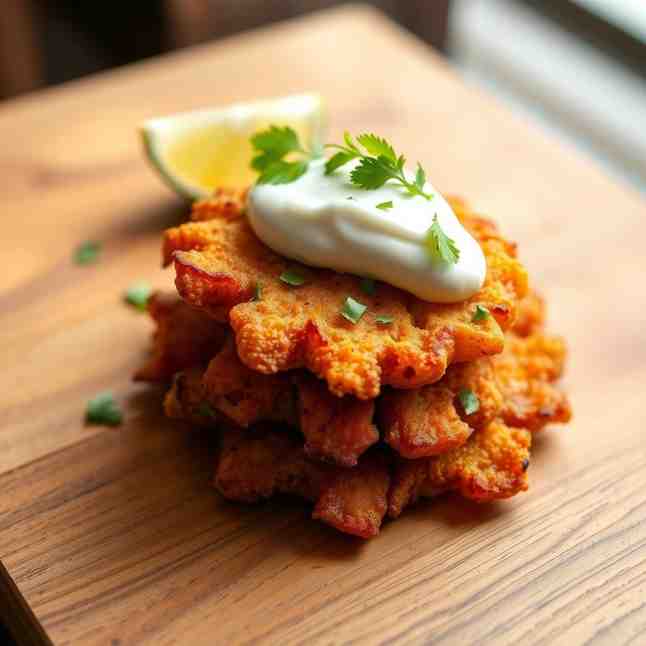
Get ready to savor the crunch! If you're looking for an incredible appetizer with sour cream that brings a taste of Central America right to your kitchen, then you absolutely have to try these Authentic Honduran Tostones. These crispy, savory, twice-fried green plantains are a staple in Honduran cuisine, often served as a fantastic side dish menu addition or a standalone recipe for appetizer perfection. What makes them so special? That double-fry technique is key, creating an irresistibly crunchy exterior and a tender, starchy inside. They're not just delicious; they're an experience, perfect for sharing at any gathering or enjoying with your favorite Honduran meal.
Ingredients
Directions
- Equipment You'll Need:
- Heavy skillet or Dutch oven (for frying)
- Tongs or slotted spoon
- Paper towels + cooling rack (best for draining and keeping crisp)
- Plate, glass, or tostonera (for smashing)
- Thermometer (optional but highly recommended for oil temperature control)
- Pick the Right PlantainsFor perfect tostones, you need very green plantains. Look for plantains that are firm to the touch, bright green all over, and show minimal to no yellowing. If they're starting to yellow, they'll be sweeter and softer, which isn't ideal for the savory crunch of tostones.
- Peel Safely & SlicePeeling green plantains can be a bit tricky! First, cut off both ends of the plantain. Then, score shallow lines lengthwise along the skin, about 3-4 times, without cutting into the flesh. Use your knife or a spoon to gently pry up the edges of the skin and peel it away. Slice the peeled plantains into thick coins, about 1 inch (2.5 cm) thick. This thickness is crucial for classic tostones, allowing them to soften without falling apart before smashing.
- First Fry (Cook/Soften)Pour your neutral high-heat oil into a heavy skillet or Dutch oven. You'll want enough oil to submerge the plantain pieces by about 1 to 1.5 inches. Heat the oil over medium-high heat to a target temperature range of 325-350°F (160-175°C). If you don't have a thermometer, you'll know it's ready when a small piece of plantain sizzles gently but not violently. Carefully add the plantain slices to the hot oil in a single layer, making sure not to overcrowd the pan. Fry for about 3-5 minutes per side, or until the outside is a pale golden color and the centers are softened. They should feel pliable when poked with a fork. Remove the plantains from the oil with tongs or a slotted spoon and place them on a paper towel-lined plate to drain briefly.
- SmashWhile the plantains are still warm from the first fry, it's time to smash! Place a plantain piece between two pieces of parchment paper or lightly oiled plastic wrap, or directly onto a plate. Use the bottom of a heavy glass, a small plate, or a specialized tostonera to firmly press down on each piece, flattening it to about ¼ inch thick. The goal is to create a flat, disc-like shape. Be careful not to smash them too thin, or they might become brittle.
- Tip: Lightly oiling the plate or using parchment paper helps prevent the smashed plantains from sticking.
- Optional Quick Dip (Extra Crunch)For an extra layer of crunch and flavor, quickly dip each smashed plantain disc into a bowl of salted water (and optionally a tiny squeeze of lime). This brief dip helps season the inside and creates a steam effect during the second fry, contributing to a crispier exterior. After dipping, it’s crucial to pat them very, very dry with paper towels before the second fry to prevent oil splattering and ensure maximum crispness.
- Second Fry (Crisp)Increase the oil temperature slightly to 350-375°F (175-190°C). Return the smashed and (optionally) dried plantain discs to the hot oil, again in a single layer. Fry for another 2-4 minutes per side, or until they are deep golden brown, beautifully crispy, and incredibly crunchy. Watch them closely, as they can brown quickly.
- Drain & SeasonOnce golden and crisp, remove the tostones from the oil. For the best results, drain them on a wire rack placed over a baking sheet. This allows air to circulate, keeping them crisp. Immediately and generously sprinkle them with salt while they are still hot. This is when the salt will adhere best and fully season the tostones.
- How to Serve Them (Honduran-forward)These Honduran Tostones are incredibly versatile and delicious! Here are some traditional Honduran-forward serving ideas:
- With chimol: A fresh Honduran-style pico de gallo with tomatoes, onions, cilantro, and sometimes bell peppers.
- With encurtido: Quick pickled onions or mixed vegetables, offering a tangy counterpoint.
- With salsa rosada: A creamy, slightly sweet, and tangy pink sauce, often a mix of ketchup and mayonnaise.
- As a perfect accompaniment next to fried fish or fried chicken.
- Arranged as an easy, impressive party snack platter with various dipping sauces.
- Deep-Frying Plantains: The “Why it Works” Mini-GuideUnderstanding the science behind frying tostones helps ensure perfect results every time:
- First fry = cooks starch + makes smashing possible: The initial fry softens the dense starch in the green plantain, making it pliable enough to smash without crumbling.
- Smash increases surface area: Flattening the plantains creates more surface area, which means more places for the oil to interact during the second fry, leading to greater crispness.
- Second fry drives off moisture and crisps: This higher-heat fry rapidly evaporates remaining moisture from the plantains, creating a light, airy, and super crunchy texture.
- Oil temp controls greasiness vs crunch: Too low a temperature and the plantains absorb too much oil, becoming greasy. Too high, and they burn before crisping properly. The right range ensures a golden, crisp, non-greasy result.
- Dry surface = crisp, wet surface = soggy: Any moisture on the surface of the plantains (especially before the second fry) turns to steam, which can prevent true crisping and make them soggy. Patting them dry is crucial!
- TroubleshootingEven experienced cooks can face challenges. Here’s how to fix common tostones issues:
- Hard center:
- Cause: Not fried long enough during the first fry, or plantains were too thick.
- Fix: Ensure plantain slices are about 1 inch thick. Fry longer in the first stage until they feel genuinely soft and pliable before smashing.
- Greasy/oily:
- Cause: Oil temperature too low, or too many plantains crowded in the pan.
- Fix: Maintain the correct oil temperature (325-350°F for first fry, 350-375°F for second). Fry in batches to avoid dropping the oil temp.
- Not crispy:
- Cause: Oil not hot enough for the second fry, not fried long enough in the second fry, or not patted dry after the optional water dip.
- Fix: Increase oil temperature for the second fry. Fry until deep golden. Ensure plantains are very dry if dipped in water.
- Falling apart:
- Cause: Plantains were too ripe (yellowish), or smashed too aggressively/thinly.
- Fix: Use only very green, firm plantains. Smash gently to about ¼ inch thick, no thinner.
- Burning outside before inside is cooked:
- Cause: Oil temperature too high, especially during the first fry.
- Fix: Lower the oil temperature slightly. The first fry should be a gentle cook, not a rapid browning.
You may also like

Hey there! I’m just someone who seriously loves good food and believes that cooking doesn’t have to be complicated to be amazing. Whether it’s a quick weeknight dinner or a cozy weekend meal, I’m all about sharing easy, tasty recipes that actually work.