
Hong Kong Beef Brisket Noodle Soup - Get Tender Brisket
Hong Kong Beef Brisket Noodle Soup - Get Tender Brisket
- Serves: 6 People
- Prepare Time: 30 minutes
- Cooking Time: 3 hours (st
- Calories: -
- Difficulty: Medium
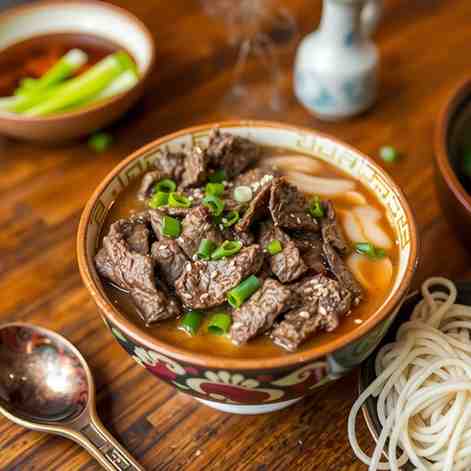
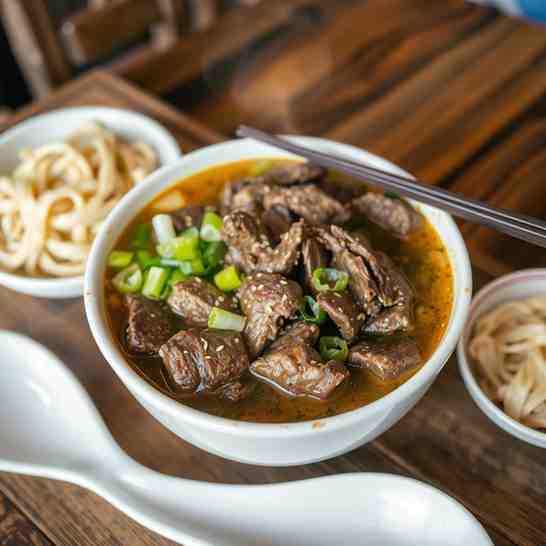
Get ready to dive into a bowl of pure comfort with our Hong Kong Beef Brisket Noodle Soup recipe! Imagine incredibly tender brisket and sweet daikon radish swimming in a deeply aromatic, savory broth, all piled high with springy noodles. This isn't just any beef noodle soup; it's a taste of Hong Kong's bustling noodle shops, brought right into your US home kitchen. We've crafted this recipe to be straightforward and rewarding, ensuring you get that authentic, satisfying flavor without needing a passport.
So, what makes it "Hong Kong-style"? Unlike its often chili-forward Taiwanese or fiery Sichuan counterparts, Cantonese-style beef brisket noodle soup (or "Ngau Lam Mein") focuses on a cleaner, profoundly aromatic broth. The star here is the tender beef brisket and sweet daikon radish, infused with a blend of warming spices like star anise and cinnamon, rather than a heavy hand of chili oil. It's a comforting, beefy, lightly sweet-savory experience designed for cozy evenings and satisfying lunches. Ready to master this classic? Let's get cooking!
Ingredients
Directions
- Prep Time Plan (mini timeline):While your soup simmers, you can prep your greens, slice your daikon, and get your noodles ready to cook. This ensures everything is fresh and hot for assembly.
- Prep the Brisket (trim + cut)
- Trim any excessively large pieces of hard fat from your beef brisket, but leave some fat for flavor and moisture.
- Cut the brisket into roughly 2-inch cubes. This size allows for good surface area for searing and ensures the pieces are substantial enough to hold up to long cooking without falling apart completely, yet small enough for a spoon.
- Quick Blanch (clean broth)
- Place the cut brisket in a large pot and cover with cold water. Bring to a rolling boil over high heat.
- Boil for 5-7 minutes, during which time a significant amount of grayish-brown scum and impurities will rise to the surface.
- "Done" looks like a thick layer of foam and scum. This step is essential for a clear, clean-tasting broth.
- Drain the brisket in a colander and rinse each piece thoroughly under cold running water to remove any clinging impurities. Rinse the pot as well.
- Build the Aromatic Base
- Return the rinsed brisket to the clean pot.
- Add a tablespoon of neutral oil (like vegetable or canola) to the pot and sear the brisket pieces over medium-high heat for a few minutes until lightly browned on all sides. This step adds a layer of rich, caramelized flavor.
- Add the ginger slices, chopped scallions, smashed garlic, and your spice sachet (containing star anise, cinnamon stick, Sichuan peppercorns, bay leaf, and any optional spices).
- Sauté for another 1-2 minutes until fragrant, being careful not to burn the aromatics.
- Braise to Tender
- Pour 10-12 cups of fresh water into the pot, ensuring the brisket is fully submerged.
- Bring the liquid to a boil, then immediately reduce the heat to a gentle simmer. You should see just a few bubbles breaking the surface, not a hard boil.
- Cover the pot and simmer for 2.5 to 3 hours (or longer, if needed), or until the brisket is fork-tender. This means a fork should easily pierce the meat and twist out with minimal resistance. The collagen should feel soft and gelatinous.
- Pressure cooker note (brief): If using a pressure cooker or Instant Pot, follow steps 1-3. Then, add water, seal, and cook on high pressure for 45-60 minutes (depending on your model and brisket size). Allow for natural pressure release for 10-15 minutes, then quick release any remaining pressure. After cooking, you may need to simmer the broth briefly to reduce and intensify flavors if it seems too thin.
- Add Daikon (and any other veg)
- Once the brisket is tender, add the peeled and cut daikon radish to the pot.
- Continue to simmer for another 20-30 minutes, or until the daikon is tender but still holds its shape and isn't mushy.
- Season at the End
- Remove the spice sachet from the broth.
- Stir in the light soy sauce, fish sauce, and sugar.
- Taste the broth and adjust the seasoning. This is your chance to fine-tune! Add more soy sauce for saltiness and depth, more sugar for balance, or a pinch of salt if needed. The goal is a harmonious balance of savory, sweet, and aromatic notes.
- Assemble Bowls Like a Noodle Shop
- Cook noodles properly: While the broth is finishing, cook your fresh egg noodles according to package directions in a separate pot of boiling water. They typically cook very quickly (1-2 minutes). Drain well to avoid gummy noodles.
- Blanch greens quickly: In the same noodle water (or a separate small pot), quickly blanch your bok choy or choy sum for 30-60 seconds until bright green and slightly tender-crisp. Drain.
- Recommended bowl ratio:
- Place a generous portion of cooked noodles into each serving bowl.
- Arrange several pieces of tender brisket and daikon over the noodles.
- Add the blanched greens.
- Ladle plenty of the hot, aromatic broth over everything.
- Garnish with fresh scallions, cilantro, or a drizzle of chili oil if desired, and serve immediately!
Hong Kong Beef Brisket Noodle Soup - Get Tender Brisket
- Serves: 6 People
- Prepare Time: 30 minutes
- Cooking Time: 3 hours (st
- Calories: -
- Difficulty: Medium
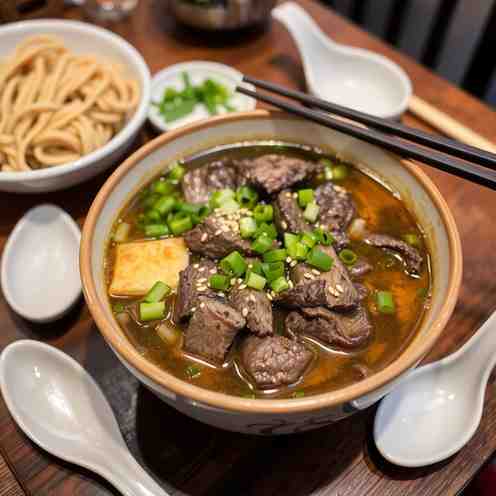
Get ready to dive into a bowl of pure comfort with our Hong Kong Beef Brisket Noodle Soup recipe! Imagine incredibly tender brisket and sweet daikon radish swimming in a deeply aromatic, savory broth, all piled high with springy noodles. This isn't just any beef noodle soup; it's a taste of Hong Kong's bustling noodle shops, brought right into your US home kitchen. We've crafted this recipe to be straightforward and rewarding, ensuring you get that authentic, satisfying flavor without needing a passport.
So, what makes it "Hong Kong-style"? Unlike its often chili-forward Taiwanese or fiery Sichuan counterparts, Cantonese-style beef brisket noodle soup (or "Ngau Lam Mein") focuses on a cleaner, profoundly aromatic broth. The star here is the tender beef brisket and sweet daikon radish, infused with a blend of warming spices like star anise and cinnamon, rather than a heavy hand of chili oil. It's a comforting, beefy, lightly sweet-savory experience designed for cozy evenings and satisfying lunches. Ready to master this classic? Let's get cooking!
Ingredients
Directions
- Prep Time Plan (mini timeline):While your soup simmers, you can prep your greens, slice your daikon, and get your noodles ready to cook. This ensures everything is fresh and hot for assembly.
- Prep the Brisket (trim + cut)
- Trim any excessively large pieces of hard fat from your beef brisket, but leave some fat for flavor and moisture.
- Cut the brisket into roughly 2-inch cubes. This size allows for good surface area for searing and ensures the pieces are substantial enough to hold up to long cooking without falling apart completely, yet small enough for a spoon.
- Quick Blanch (clean broth)
- Place the cut brisket in a large pot and cover with cold water. Bring to a rolling boil over high heat.
- Boil for 5-7 minutes, during which time a significant amount of grayish-brown scum and impurities will rise to the surface.
- "Done" looks like a thick layer of foam and scum. This step is essential for a clear, clean-tasting broth.
- Drain the brisket in a colander and rinse each piece thoroughly under cold running water to remove any clinging impurities. Rinse the pot as well.
- Build the Aromatic Base
- Return the rinsed brisket to the clean pot.
- Add a tablespoon of neutral oil (like vegetable or canola) to the pot and sear the brisket pieces over medium-high heat for a few minutes until lightly browned on all sides. This step adds a layer of rich, caramelized flavor.
- Add the ginger slices, chopped scallions, smashed garlic, and your spice sachet (containing star anise, cinnamon stick, Sichuan peppercorns, bay leaf, and any optional spices).
- Sauté for another 1-2 minutes until fragrant, being careful not to burn the aromatics.
- Braise to Tender
- Pour 10-12 cups of fresh water into the pot, ensuring the brisket is fully submerged.
- Bring the liquid to a boil, then immediately reduce the heat to a gentle simmer. You should see just a few bubbles breaking the surface, not a hard boil.
- Cover the pot and simmer for 2.5 to 3 hours (or longer, if needed), or until the brisket is fork-tender. This means a fork should easily pierce the meat and twist out with minimal resistance. The collagen should feel soft and gelatinous.
- Pressure cooker note (brief): If using a pressure cooker or Instant Pot, follow steps 1-3. Then, add water, seal, and cook on high pressure for 45-60 minutes (depending on your model and brisket size). Allow for natural pressure release for 10-15 minutes, then quick release any remaining pressure. After cooking, you may need to simmer the broth briefly to reduce and intensify flavors if it seems too thin.
- Add Daikon (and any other veg)
- Once the brisket is tender, add the peeled and cut daikon radish to the pot.
- Continue to simmer for another 20-30 minutes, or until the daikon is tender but still holds its shape and isn't mushy.
- Season at the End
- Remove the spice sachet from the broth.
- Stir in the light soy sauce, fish sauce, and sugar.
- Taste the broth and adjust the seasoning. This is your chance to fine-tune! Add more soy sauce for saltiness and depth, more sugar for balance, or a pinch of salt if needed. The goal is a harmonious balance of savory, sweet, and aromatic notes.
- Assemble Bowls Like a Noodle Shop
- Cook noodles properly: While the broth is finishing, cook your fresh egg noodles according to package directions in a separate pot of boiling water. They typically cook very quickly (1-2 minutes). Drain well to avoid gummy noodles.
- Blanch greens quickly: In the same noodle water (or a separate small pot), quickly blanch your bok choy or choy sum for 30-60 seconds until bright green and slightly tender-crisp. Drain.
- Recommended bowl ratio:
- Place a generous portion of cooked noodles into each serving bowl.
- Arrange several pieces of tender brisket and daikon over the noodles.
- Add the blanched greens.
- Ladle plenty of the hot, aromatic broth over everything.
- Garnish with fresh scallions, cilantro, or a drizzle of chili oil if desired, and serve immediately!
You may also like



Hey there! I’m just someone who seriously loves good food and believes that cooking doesn’t have to be complicated to be amazing. Whether it’s a quick weeknight dinner or a cozy weekend meal, I’m all about sharing easy, tasty recipes that actually work.