Hong Kong Snake Soup - Chinese Medicine Soup Recipe
Hong Kong Snake Soup - Chinese Medicine Soup Recipe
- Serves: 6 People
- Prepare Time: 45 minutes
- Cooking Time: 2 hours 30
- Calories: -
- Difficulty: Easy
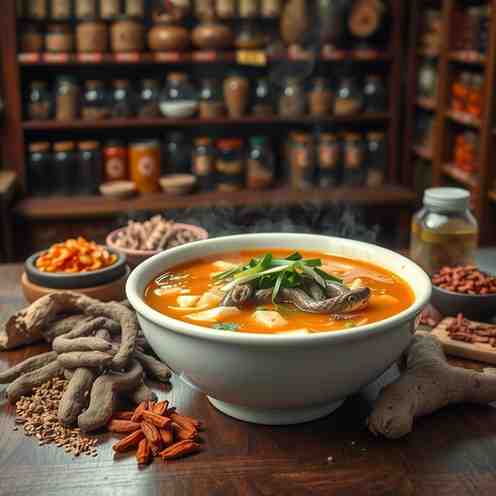
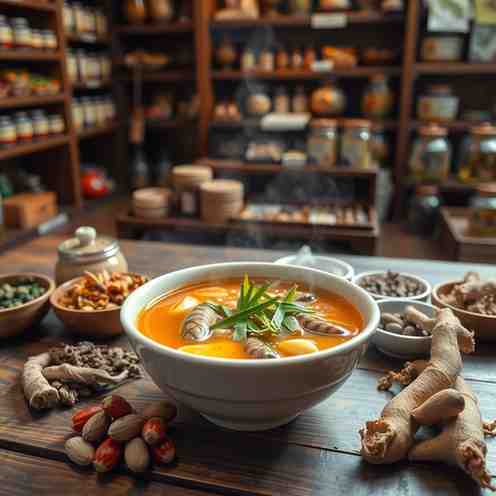
Hong Kong Snake Soup (蛇羹) isn't just a meal; it's a cherished winter tradition, a warming embrace on a chilly day. This classic Cantonese dish, often referred to as a chinese medicine soup, is renowned for its savory depth and unique texture. If you're curious about its cultural roots, traditional health benefits, or eager to master an authentic recipe, you've come to the right place. In this comprehensive guide, we'll dive deep into the heart of Hong Kong's culinary heritage, providing you with a real, home-cook friendly method for making this iconic soup, complete with safety and sourcing guidance.
[Jump to Recipe](#authentic-hong-kong-snake-soup-recipe) | [Jump to Safety Tips](#prep-safety-setup)
At its heart, Hong Kong Snake Soup, or 蛇羹 (Cantonese: se gang / ser geng), is a rich, savory, and warming Cantonese delicacy. Many describe its flavor as "savory, silky, kinda like chicken-but-deeper," often accompanied by a signature aromatic lift from citrus and herbs. Unlike a thin broth, you'll expect a thickened, glossy, and spoon-coating texture, making it a truly comforting and substantial dish, especially during the colder months.
Snake soup holds a special place in Hong Kong's culinary landscape, particularly as a winter tradition. It’s seen as the ultimate warming comfort food, believed to provide internal heat and sustenance against the chill. Specialist "Snake King" shops, often multi-generational establishments, have historically been the go-to places for this intricate dish, highlighting the idea of specialist soup makers. However, this skill-intensive art is slowly fading, with fewer new chefs taking up the mantle, making homemade versions even more precious.
In Hong Kong culture, snake soup is steeped in traditional beliefs about its health-giving properties. People traditionally believe it's deeply warming, promotes blood circulation, and acts as a general "tonic" for the body. From a basic nutritional standpoint, readers can trust that it's a good source of protein. Furthermore, the inclusion of snake meat, chicken, and other ingredients contributes to a rich collagen content, which aligns with traditional beliefs about its benefits for skin and joints.
It's worth noting the sodium content, as with many traditional soups. Enjoy it in moderation, as common-sense guidance suggests. While revered in food culture for its perceived benefits, please remember this information reflects traditional beliefs and basic nutrition; it is not medical advice.
Ingredients
Directions
- Prep + Safety Setup: Ensure your work area is clean. Use a separate cutting board for raw snake meat and sanitize thoroughly afterwards. Keep all proteins cold until ready to use. Rehydrate dried shiitake and wood ear fungus in warm water until soft, then slice. Rehydrate dried tangerine peel in warm water, then gently scrape away any white pith from the inside and julienne.
- Blanch the Snake: Bring a pot of water to a rolling boil. Carefully add the snake meat and bones. Blanch for 2-3 minutes, just until any impurities rise to the surface. Drain thoroughly and rinse the snake under cold water, ensuring all scum is removed. This step is crucial for a clear, clean-tasting soup.
- Simmer the Base Stock: In your large stockpot, combine the blanched snake meat and bones, chicken, cured ham, sliced ginger, rehydrated tangerine peel, and optional bruised lemongrass. Add 12 cups of water. Bring to a boil, then immediately reduce heat to a gentle simmer. Skim off any foam or impurities that rise to the surface. Continue to simmer for 1.5 to 2 hours, or until the chicken is very tender and the snake meat easily pulls from the bone.
- "What it should look like" checkpoint: After simmering, the stock should be fragrant and light golden, with the chicken and snake meat tender.
- Shred the Snake (and Chicken): Carefully remove the snake bones and meat, and the chicken from the pot using tongs. Let them cool slightly until handleable. Discard the snake bones (be careful not to miss any small ones!) and the chicken bones/skin if desired. Shred the snake meat and chicken meat into very thin, thread-like pieces. This is a signature texture of snake soup. Set aside.
- "What it should look like" checkpoint: The shredded meat should resemble fine, tender threads, not chunky pieces.
- Build the Soup Body: Strain the stock through a fine mesh strainer into a clean pot, discarding the ginger, tangerine peel, and lemongrass. Return the strained stock to heat. Add the sliced shiitake mushrooms, wood ear fungus, and julienned bamboo shoots. Bring to a simmer and cook for 10-15 minutes to allow the flavors to meld.
- Season to the Classic Profile: Stir in the shredded snake and chicken meat. Season the soup with light soy sauce, white pepper, and salt. Remember, white pepper is often forward in this dish, so don't be shy! Taste and adjust seasonings carefully until you achieve a balanced, savory flavor.
- Thicken for the Signature Texture: In a small bowl, whisk together the cornstarch and cold water to create a smooth slurry. While the soup is at a gentle simmer, slowly pour the slurry into the soup in a thin, steady stream, stirring constantly to prevent lumps. Continue stirring until the soup thickens to a glossy, spoon-coating consistency. You should be able to dip a spoon in, and the soup should cling to it lightly.
- "What it should look like" checkpoint: The soup should be visibly thickened, glossy, and smooth, not watery or overly gluey.
- Serve Like the Shops Do: Ladle the hot soup into individual bowls. Garnish generously with julienned egg omelet, fresh chrysanthemum petals (or steeped tea leaves), chopped cilantro, and julienned kaffir lime leaf or lime zest. Finally, top with a sprinkle of crispy fried wonton skins or fried dough strips for that essential crunch. Enjoy immediately!
Hong Kong Snake Soup - Chinese Medicine Soup Recipe
- Serves: 6 People
- Prepare Time: 45 minutes
- Cooking Time: 2 hours 30
- Calories: -
- Difficulty: Easy
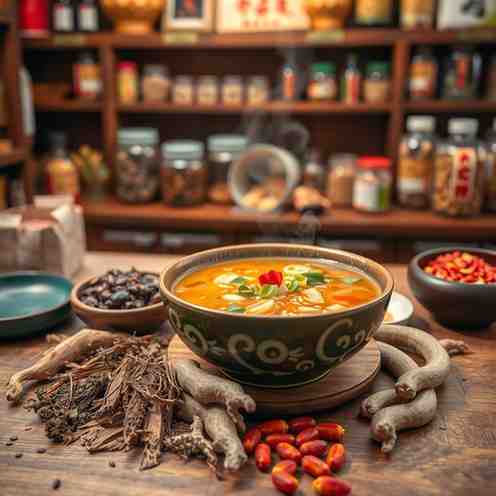
Hong Kong Snake Soup (蛇羹) isn't just a meal; it's a cherished winter tradition, a warming embrace on a chilly day. This classic Cantonese dish, often referred to as a chinese medicine soup, is renowned for its savory depth and unique texture. If you're curious about its cultural roots, traditional health benefits, or eager to master an authentic recipe, you've come to the right place. In this comprehensive guide, we'll dive deep into the heart of Hong Kong's culinary heritage, providing you with a real, home-cook friendly method for making this iconic soup, complete with safety and sourcing guidance.
[Jump to Recipe](#authentic-hong-kong-snake-soup-recipe) | [Jump to Safety Tips](#prep-safety-setup)
At its heart, Hong Kong Snake Soup, or 蛇羹 (Cantonese: se gang / ser geng), is a rich, savory, and warming Cantonese delicacy. Many describe its flavor as "savory, silky, kinda like chicken-but-deeper," often accompanied by a signature aromatic lift from citrus and herbs. Unlike a thin broth, you'll expect a thickened, glossy, and spoon-coating texture, making it a truly comforting and substantial dish, especially during the colder months.
Snake soup holds a special place in Hong Kong's culinary landscape, particularly as a winter tradition. It’s seen as the ultimate warming comfort food, believed to provide internal heat and sustenance against the chill. Specialist "Snake King" shops, often multi-generational establishments, have historically been the go-to places for this intricate dish, highlighting the idea of specialist soup makers. However, this skill-intensive art is slowly fading, with fewer new chefs taking up the mantle, making homemade versions even more precious.
In Hong Kong culture, snake soup is steeped in traditional beliefs about its health-giving properties. People traditionally believe it's deeply warming, promotes blood circulation, and acts as a general "tonic" for the body. From a basic nutritional standpoint, readers can trust that it's a good source of protein. Furthermore, the inclusion of snake meat, chicken, and other ingredients contributes to a rich collagen content, which aligns with traditional beliefs about its benefits for skin and joints.
It's worth noting the sodium content, as with many traditional soups. Enjoy it in moderation, as common-sense guidance suggests. While revered in food culture for its perceived benefits, please remember this information reflects traditional beliefs and basic nutrition; it is not medical advice.
Ingredients
Directions
- Prep + Safety Setup: Ensure your work area is clean. Use a separate cutting board for raw snake meat and sanitize thoroughly afterwards. Keep all proteins cold until ready to use. Rehydrate dried shiitake and wood ear fungus in warm water until soft, then slice. Rehydrate dried tangerine peel in warm water, then gently scrape away any white pith from the inside and julienne.
- Blanch the Snake: Bring a pot of water to a rolling boil. Carefully add the snake meat and bones. Blanch for 2-3 minutes, just until any impurities rise to the surface. Drain thoroughly and rinse the snake under cold water, ensuring all scum is removed. This step is crucial for a clear, clean-tasting soup.
- Simmer the Base Stock: In your large stockpot, combine the blanched snake meat and bones, chicken, cured ham, sliced ginger, rehydrated tangerine peel, and optional bruised lemongrass. Add 12 cups of water. Bring to a boil, then immediately reduce heat to a gentle simmer. Skim off any foam or impurities that rise to the surface. Continue to simmer for 1.5 to 2 hours, or until the chicken is very tender and the snake meat easily pulls from the bone.
- "What it should look like" checkpoint: After simmering, the stock should be fragrant and light golden, with the chicken and snake meat tender.
- Shred the Snake (and Chicken): Carefully remove the snake bones and meat, and the chicken from the pot using tongs. Let them cool slightly until handleable. Discard the snake bones (be careful not to miss any small ones!) and the chicken bones/skin if desired. Shred the snake meat and chicken meat into very thin, thread-like pieces. This is a signature texture of snake soup. Set aside.
- "What it should look like" checkpoint: The shredded meat should resemble fine, tender threads, not chunky pieces.
- Build the Soup Body: Strain the stock through a fine mesh strainer into a clean pot, discarding the ginger, tangerine peel, and lemongrass. Return the strained stock to heat. Add the sliced shiitake mushrooms, wood ear fungus, and julienned bamboo shoots. Bring to a simmer and cook for 10-15 minutes to allow the flavors to meld.
- Season to the Classic Profile: Stir in the shredded snake and chicken meat. Season the soup with light soy sauce, white pepper, and salt. Remember, white pepper is often forward in this dish, so don't be shy! Taste and adjust seasonings carefully until you achieve a balanced, savory flavor.
- Thicken for the Signature Texture: In a small bowl, whisk together the cornstarch and cold water to create a smooth slurry. While the soup is at a gentle simmer, slowly pour the slurry into the soup in a thin, steady stream, stirring constantly to prevent lumps. Continue stirring until the soup thickens to a glossy, spoon-coating consistency. You should be able to dip a spoon in, and the soup should cling to it lightly.
- "What it should look like" checkpoint: The soup should be visibly thickened, glossy, and smooth, not watery or overly gluey.
- Serve Like the Shops Do: Ladle the hot soup into individual bowls. Garnish generously with julienned egg omelet, fresh chrysanthemum petals (or steeped tea leaves), chopped cilantro, and julienned kaffir lime leaf or lime zest. Finally, top with a sprinkle of crispy fried wonton skins or fried dough strips for that essential crunch. Enjoy immediately!
You may also like

.jpg)

Hey there! I’m just someone who seriously loves good food and believes that cooking doesn’t have to be complicated to be amazing. Whether it’s a quick weeknight dinner or a cozy weekend meal, I’m all about sharing easy, tasty recipes that actually work.