
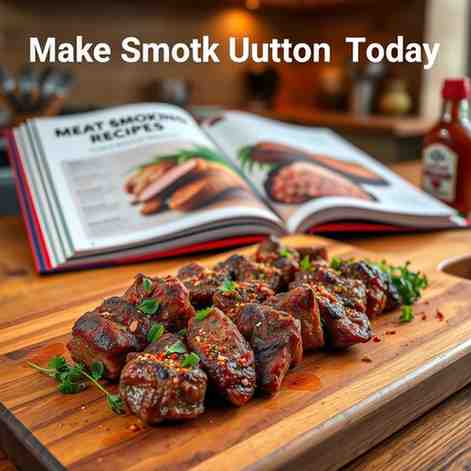
Meat Smoking Recipes - Make Smoky Mutton Today
Meat Smoking Recipes - Make Smoky Mutton Today

- Serves: 6 People
- Prepare Time: 30 minutes
- Cooking Time: 2 hours 30
- Calories: -
- Difficulty: Medium
Welcome, fellow food enthusiasts, to a culinary journey that promises to elevate your cooking game! If you've ever dreamt of mastering the art of creating deeply flavorful, restaurant-style dry mutton right in your own kitchen, you're in the right place. Today, we're diving deep into one of the most satisfying meat smoking recipes out there: a definitive guide to making smoky mutton that’s tender, rich, and utterly irresistible.
Forget bland stews or watery gravies. We’re talking about a dish where every bite bursts with complex flavors, a testament to proper marination and the magic of smoke. This isn't just about cooking; it's about crafting a delicacy that harks back to traditional methods, emphasizing the beauty of dry cured meat and the aromatic wonders of smoked meat spices. While many recipes focus on curries, our spotlight is firmly on a dry preparation, echoing the robust character often found in dry aged meats and the best jerky. Whether you're a seasoned chef or just starting your adventure with recipes for smoking savory dishes, we'll guide you through each step to ensure your smoky mutton is nothing short of spectacular. Get ready to impress!
Ingredients
Directions
- Marinate the Mutton for Smoky Flavor In a large bowl, combine the mutton cubes with ginger-garlic paste, turmeric powder, red chili powder, black pepper powder, yogurt (if using), lemon juice, salt, smoked paprika, and crushed dried fenugreek leaves. Mix everything thoroughly, ensuring each piece of mutton is well coated. This long marination, leveraging `meat and salt` for flavor penetration and tenderizing, is crucial for developing that deep, savory character. Cover the bowl and refrigerate for at least 4 hours, or ideally overnight (12-24 hours). The longer it marinates, the more flavorful and tender your mutton will be, resembling the best `dry cured meat` preparations.
- Sautéing the Onions & Spices Heat the oil or ghee in a heavy-bottomed pot or Dutch oven over medium-high heat. Add the whole spices (bay leaves, cardamom, cinnamon, cloves, cumin seeds) and let them splutter and become fragrant, about 30 seconds. Next, add the thinly sliced onions. Sauté the onions on medium heat, stirring frequently, until they turn a beautiful golden brown. This step is key for building the base flavor, so don't rush it! Add the green chilies and sauté for another minute.
- Adding Mutton and Cooking Techniques (with a focus on smoking) Add the marinated mutton to the pot. Increase the heat to high and sear the mutton for 5-7 minutes, stirring occasionally, until it changes color and is lightly browned on all sides. This locks in the juices. Now, reduce the heat to medium-low. Add the chopped tomatoes, coriander powder, cumin powder, and garam masala. Mix well. Cover the pot tightly and let the mutton cook in its own juices for about 30-40 minutes, stirring occasionally to prevent sticking.
- For the Smoky Infusion: While the mutton is cooking, prepare your smoking setup. Heat a small piece of charcoal directly over a flame until it's red hot. Place this hot charcoal in a small, heat-proof bowl or a piece of foil, then set it in the center of the mutton in the pot. Drizzle about 1 teaspoon of ghee or oil over the hot charcoal (this will create smoke instantly). Immediately cover the pot tightly again, trapping the smoke inside. Let it infuse for 5-10 minutes. Remove the charcoal and discard it. This technique imparts a beautiful, authentic smoky flavor without needing a full smoker, making it one of the simplest `recipes for smoking` meat at home.
- Slow Cooking and Infusing the Flavors After the smoking step, continue to cook the mutton on low heat, covered, until it is melt-in-your-mouth tender. This can take anywhere from 1.5 to 2 hours, depending on the cut and quality of your mutton. Stir occasionally and add a splash of hot water only if absolutely necessary to prevent burning (we're aiming for a dry dish, not a curry!). The goal is for the mutton to release its fats and for the moisture to evaporate, leaving you with a rich, dry, and deeply flavored dish. Once the mutton is tender and the oil separates from the masala, indicating it's dry and cooked through, turn off the heat. Garnish with fresh cilantro if desired.
Meat Smoking Recipes - Make Smoky Mutton Today

- Serves: 6 People
- Prepare Time: 30 minutes
- Cooking Time: 2 hours 30
- Calories: -
- Difficulty: Medium
Welcome, fellow food enthusiasts, to a culinary journey that promises to elevate your cooking game! If you've ever dreamt of mastering the art of creating deeply flavorful, restaurant-style dry mutton right in your own kitchen, you're in the right place. Today, we're diving deep into one of the most satisfying meat smoking recipes out there: a definitive guide to making smoky mutton that’s tender, rich, and utterly irresistible.
Forget bland stews or watery gravies. We’re talking about a dish where every bite bursts with complex flavors, a testament to proper marination and the magic of smoke. This isn't just about cooking; it's about crafting a delicacy that harks back to traditional methods, emphasizing the beauty of dry cured meat and the aromatic wonders of smoked meat spices. While many recipes focus on curries, our spotlight is firmly on a dry preparation, echoing the robust character often found in dry aged meats and the best jerky. Whether you're a seasoned chef or just starting your adventure with recipes for smoking savory dishes, we'll guide you through each step to ensure your smoky mutton is nothing short of spectacular. Get ready to impress!
Ingredients
Directions
- Marinate the Mutton for Smoky Flavor In a large bowl, combine the mutton cubes with ginger-garlic paste, turmeric powder, red chili powder, black pepper powder, yogurt (if using), lemon juice, salt, smoked paprika, and crushed dried fenugreek leaves. Mix everything thoroughly, ensuring each piece of mutton is well coated. This long marination, leveraging `meat and salt` for flavor penetration and tenderizing, is crucial for developing that deep, savory character. Cover the bowl and refrigerate for at least 4 hours, or ideally overnight (12-24 hours). The longer it marinates, the more flavorful and tender your mutton will be, resembling the best `dry cured meat` preparations.
- Sautéing the Onions & Spices Heat the oil or ghee in a heavy-bottomed pot or Dutch oven over medium-high heat. Add the whole spices (bay leaves, cardamom, cinnamon, cloves, cumin seeds) and let them splutter and become fragrant, about 30 seconds. Next, add the thinly sliced onions. Sauté the onions on medium heat, stirring frequently, until they turn a beautiful golden brown. This step is key for building the base flavor, so don't rush it! Add the green chilies and sauté for another minute.
- Adding Mutton and Cooking Techniques (with a focus on smoking) Add the marinated mutton to the pot. Increase the heat to high and sear the mutton for 5-7 minutes, stirring occasionally, until it changes color and is lightly browned on all sides. This locks in the juices. Now, reduce the heat to medium-low. Add the chopped tomatoes, coriander powder, cumin powder, and garam masala. Mix well. Cover the pot tightly and let the mutton cook in its own juices for about 30-40 minutes, stirring occasionally to prevent sticking.
- For the Smoky Infusion: While the mutton is cooking, prepare your smoking setup. Heat a small piece of charcoal directly over a flame until it's red hot. Place this hot charcoal in a small, heat-proof bowl or a piece of foil, then set it in the center of the mutton in the pot. Drizzle about 1 teaspoon of ghee or oil over the hot charcoal (this will create smoke instantly). Immediately cover the pot tightly again, trapping the smoke inside. Let it infuse for 5-10 minutes. Remove the charcoal and discard it. This technique imparts a beautiful, authentic smoky flavor without needing a full smoker, making it one of the simplest `recipes for smoking` meat at home.
- Slow Cooking and Infusing the Flavors After the smoking step, continue to cook the mutton on low heat, covered, until it is melt-in-your-mouth tender. This can take anywhere from 1.5 to 2 hours, depending on the cut and quality of your mutton. Stir occasionally and add a splash of hot water only if absolutely necessary to prevent burning (we're aiming for a dry dish, not a curry!). The goal is for the mutton to release its fats and for the moisture to evaporate, leaving you with a rich, dry, and deeply flavored dish. Once the mutton is tender and the oil separates from the masala, indicating it's dry and cooked through, turn off the heat. Garnish with fresh cilantro if desired.
You may also like

Hey there! I’m just someone who seriously loves good food and believes that cooking doesn’t have to be complicated to be amazing. Whether it’s a quick weeknight dinner or a cozy weekend meal, I’m all about sharing easy, tasty recipes that actually work.