
Hungarian Sztrapacska - Best Hungary Food Recipes
Hungarian Sztrapacska - Best Hungary Food Recipes
- Serves: 4 People
- Prepare Time: 25 minutes
- Cooking Time: 20 minutes
- Calories: -
- Difficulty: Medium
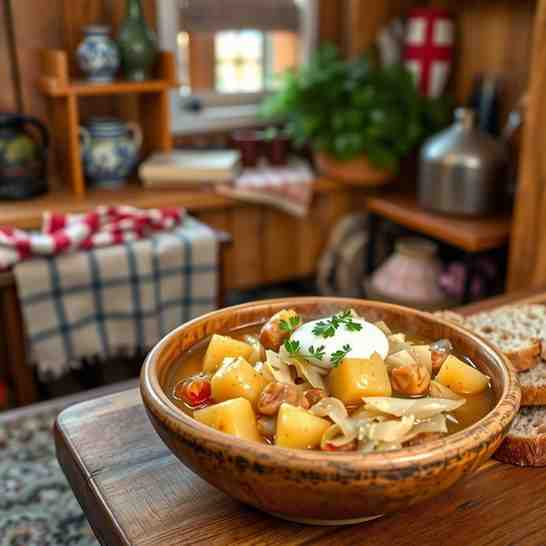
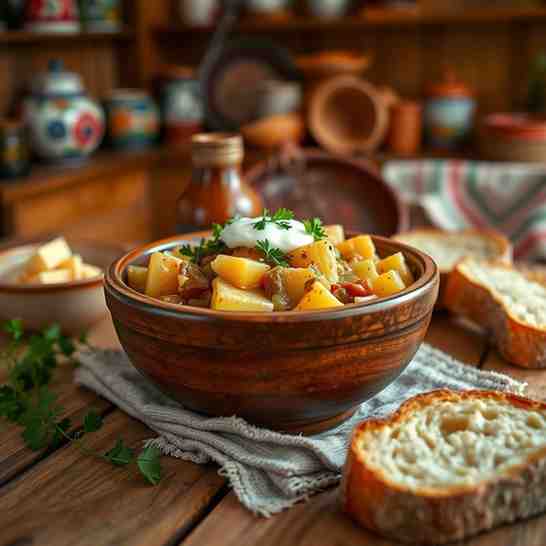
Craving a truly satisfying, stick-to-your-ribs meal that feels like a warm hug? Look no further than Hungarian Sztrapacska! These incredible potato dumplings, often called potato noodles, are a cornerstone of ``hungary food recipes`` and a beloved comfort food. Made from simple pantry ingredients like potatoes, flour, and eggs, they transform into a dish bursting with flavor, especially when paired with crispy bacon and sweet, caramelized onions. If you've ever struggled with dumplings that fall apart in the pot or end up gummy, this definitive guide is your secret weapon, ensuring perfect, tender Sztrapacska every time. Get ready to master one of the ``best dinner recipes`` and add an authentic taste of Hungary to your ``best home recipes`` collection!
Sztrapacska (pronounced "strah-pah-ch-kah") are small, soft Hungarian potato dumplings or noodles, typically made from grated raw potatoes, flour, and egg. They're often compared to other Central European potato dishes but have a distinct texture and preparation.
How it’s different from…
Pierogi/Vareniki: These are filled dumplings, usually larger, and often boiled then pan-fried. Sztrapacska are smaller, un-filled dropped dumplings.
German Potato Dumplings (Kartoffelkloesse): Often made with cooked potatoes and are much larger, typically served with roasts and gravy.
Gnocchi: While also potato-based, gnocchi often use cooked potatoes and are typically rolled and cut, resulting in a slightly different texture and shape.
Spätzle: These are egg noodles, sometimes with a small amount of potato, but primarily flour and egg. Sztrapacska are distinctly potato-heavy.
Ingredients
Directions
- Start the Water & Set Up Your "No-Sticking" PlanFill a very large pot with plenty of water (at least 6-8 quarts). Add a generous tablespoon of Kosher salt – it should taste like the ocean. Bring the water to a gentle, steady simmer, not a rolling boil. Keep a slotted spoon handy for scooping.
- Cook Bacon & Caramelize OnionsWhile the water heats, place the diced bacon in a large skillet over medium heat. Cook until crispy, about 8-10 minutes. Remove the bacon with a slotted spoon and set aside on a paper towel-lined plate, leaving the rendered bacon fat in the skillet. Add 1 tablespoon of butter to the skillet with the bacon fat. Add the sliced yellow onion and cook slowly over medium-low heat for 15-20 minutes, stirring occasionally, until deeply golden brown and caramelized. This takes time, but it's worth it for the flavor!
- Prep the Potatoes (This is the Make-or-Break Step!)Peel the Russet potatoes and grate them finely using the fine side of a box grater. Immediately transfer the grated potatoes to a clean kitchen towel or several layers of cheesecloth. Gather the edges and squeeze very hard to remove as much liquid as possible. This step is crucial for preventing gummy or falling-apart dumplings. You'll be surprised how much liquid comes out! Optional but helpful: Collect the squeezed potato liquid in a bowl. Let it sit for a few minutes, then carefully pour off the clear water, leaving the potato starch at the bottom. This reserved starchy liquid can be used for tiny adjustments later.
- Make the Dumpling DoughIn a large bowl, combine the squeezed grated potatoes, 1 teaspoon of Kosher salt, and the egg. Mix well. Gradually add the all-purpose flour, mixing with your hands or a sturdy spoon until a sticky, thick dough forms. The dough should hold its shape briefly but still be quite tacky, not pourable. It's a balance – too much flour makes them tough, too little makes them fall apart.
- Do a 1-Dumpling Test (Mandatory for Reliability)Drop a small, pea-sized spoonful of dough into the simmering salted water. Let it cook for about 1-2 minutes.
- If it falls apart: Your dough is too wet. Add another tablespoon or two of flour to the main dough mixture and mix well. Squeeze the potatoes even harder next time!
- If it’s tough or dense: Your dough might be too dry or have too much flour. Add a tiny splash (about ½ teaspoon) of the reserved potato liquid (if you saved it) or plain water to the main dough mixture and mix.
- Form and Cook the Sztrapacska DumplingsThere are a few ways to form the dumplings:
- Method A (Traditional Board & Knife): Place a small amount of dough onto a damp cutting board. Using a knife or a bench scraper, push small, pea-sized pieces of dough directly into the simmering water.
- Method B (Spätzle Maker): Press the dough through a spätzle maker or halušky maker directly into the simmering water.
- Finish in the SkilletAdd the drained dumplings to the skillet with the caramelized onions and any remaining bacon fat. Toss gently to coat. Add the remaining 1 tablespoon of butter and the black pepper. Cook for 2-3 minutes over medium heat, allowing the dumplings to slightly crisp and absorb all the delicious flavors. Remove the skillet from the heat. Fold in the cooked crispy bacon pieces. Finally, add the sour cream and gently toss until everything is coated. Adding the sour cream off the heat prevents it from splitting.
Hungarian Sztrapacska - Best Hungary Food Recipes
- Serves: 4 People
- Prepare Time: 25 minutes
- Cooking Time: 20 minutes
- Calories: -
- Difficulty: Medium
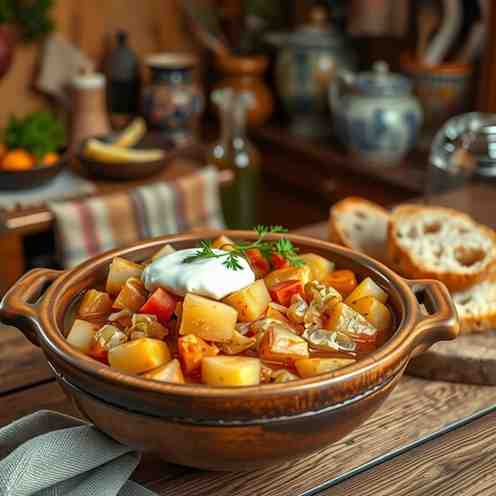
Craving a truly satisfying, stick-to-your-ribs meal that feels like a warm hug? Look no further than Hungarian Sztrapacska! These incredible potato dumplings, often called potato noodles, are a cornerstone of ``hungary food recipes`` and a beloved comfort food. Made from simple pantry ingredients like potatoes, flour, and eggs, they transform into a dish bursting with flavor, especially when paired with crispy bacon and sweet, caramelized onions. If you've ever struggled with dumplings that fall apart in the pot or end up gummy, this definitive guide is your secret weapon, ensuring perfect, tender Sztrapacska every time. Get ready to master one of the ``best dinner recipes`` and add an authentic taste of Hungary to your ``best home recipes`` collection!
Sztrapacska (pronounced "strah-pah-ch-kah") are small, soft Hungarian potato dumplings or noodles, typically made from grated raw potatoes, flour, and egg. They're often compared to other Central European potato dishes but have a distinct texture and preparation.
How it’s different from…
Pierogi/Vareniki: These are filled dumplings, usually larger, and often boiled then pan-fried. Sztrapacska are smaller, un-filled dropped dumplings.
German Potato Dumplings (Kartoffelkloesse): Often made with cooked potatoes and are much larger, typically served with roasts and gravy.
Gnocchi: While also potato-based, gnocchi often use cooked potatoes and are typically rolled and cut, resulting in a slightly different texture and shape.
Spätzle: These are egg noodles, sometimes with a small amount of potato, but primarily flour and egg. Sztrapacska are distinctly potato-heavy.
Ingredients
Directions
- Start the Water & Set Up Your "No-Sticking" PlanFill a very large pot with plenty of water (at least 6-8 quarts). Add a generous tablespoon of Kosher salt – it should taste like the ocean. Bring the water to a gentle, steady simmer, not a rolling boil. Keep a slotted spoon handy for scooping.
- Cook Bacon & Caramelize OnionsWhile the water heats, place the diced bacon in a large skillet over medium heat. Cook until crispy, about 8-10 minutes. Remove the bacon with a slotted spoon and set aside on a paper towel-lined plate, leaving the rendered bacon fat in the skillet. Add 1 tablespoon of butter to the skillet with the bacon fat. Add the sliced yellow onion and cook slowly over medium-low heat for 15-20 minutes, stirring occasionally, until deeply golden brown and caramelized. This takes time, but it's worth it for the flavor!
- Prep the Potatoes (This is the Make-or-Break Step!)Peel the Russet potatoes and grate them finely using the fine side of a box grater. Immediately transfer the grated potatoes to a clean kitchen towel or several layers of cheesecloth. Gather the edges and squeeze very hard to remove as much liquid as possible. This step is crucial for preventing gummy or falling-apart dumplings. You'll be surprised how much liquid comes out! Optional but helpful: Collect the squeezed potato liquid in a bowl. Let it sit for a few minutes, then carefully pour off the clear water, leaving the potato starch at the bottom. This reserved starchy liquid can be used for tiny adjustments later.
- Make the Dumpling DoughIn a large bowl, combine the squeezed grated potatoes, 1 teaspoon of Kosher salt, and the egg. Mix well. Gradually add the all-purpose flour, mixing with your hands or a sturdy spoon until a sticky, thick dough forms. The dough should hold its shape briefly but still be quite tacky, not pourable. It's a balance – too much flour makes them tough, too little makes them fall apart.
- Do a 1-Dumpling Test (Mandatory for Reliability)Drop a small, pea-sized spoonful of dough into the simmering salted water. Let it cook for about 1-2 minutes.
- If it falls apart: Your dough is too wet. Add another tablespoon or two of flour to the main dough mixture and mix well. Squeeze the potatoes even harder next time!
- If it’s tough or dense: Your dough might be too dry or have too much flour. Add a tiny splash (about ½ teaspoon) of the reserved potato liquid (if you saved it) or plain water to the main dough mixture and mix.
- Form and Cook the Sztrapacska DumplingsThere are a few ways to form the dumplings:
- Method A (Traditional Board & Knife): Place a small amount of dough onto a damp cutting board. Using a knife or a bench scraper, push small, pea-sized pieces of dough directly into the simmering water.
- Method B (Spätzle Maker): Press the dough through a spätzle maker or halušky maker directly into the simmering water.
- Finish in the SkilletAdd the drained dumplings to the skillet with the caramelized onions and any remaining bacon fat. Toss gently to coat. Add the remaining 1 tablespoon of butter and the black pepper. Cook for 2-3 minutes over medium heat, allowing the dumplings to slightly crisp and absorb all the delicious flavors. Remove the skillet from the heat. Fold in the cooked crispy bacon pieces. Finally, add the sour cream and gently toss until everything is coated. Adding the sour cream off the heat prevents it from splitting.
You may also like


Hey there! I’m just someone who seriously loves good food and believes that cooking doesn’t have to be complicated to be amazing. Whether it’s a quick weeknight dinner or a cozy weekend meal, I’m all about sharing easy, tasty recipes that actually work.