Ikan Bakar - Malaysian Grilled Fish Recipe
Ikan Bakar - Malaysian Grilled Fish Recipe
- Serves: 2 People
- Prepare Time: 40 minutes
- Cooking Time: 20-25 minut
- Calories: -
- Difficulty: Medium
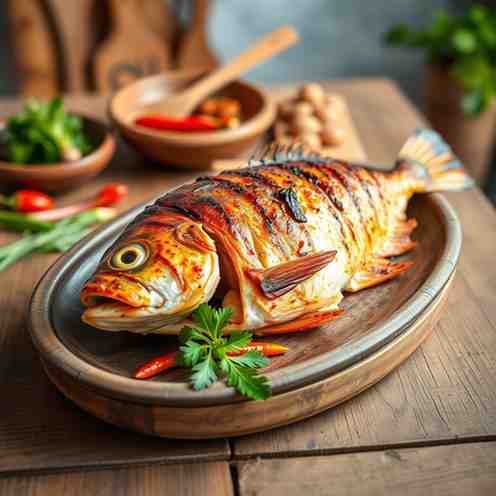
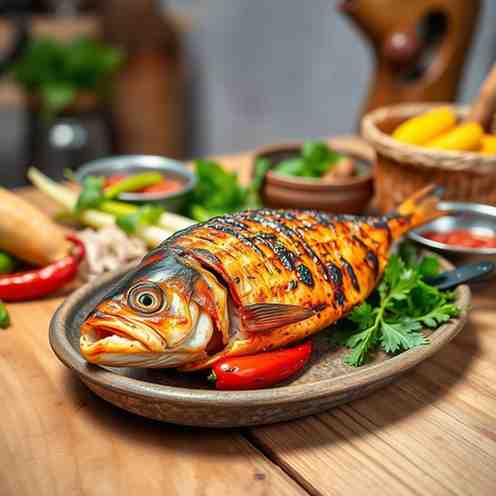
Ready to elevate your outdoor cooking? Say hello to Ikan Bakar, Malaysia's iconic grilled fish that's bursting with incredible flavor! This isn't just any grilled fish; it's a culinary journey featuring a whole fish, slathered in a vibrant homemade sambal chili paste, and often cooked over fragrant banana leaves on the grill. If you've been looking for authentic recipes for cooking on the grill that truly impress, you've found your match.
Our definitive Ikan Bakar recipe brings the authentic taste of Malaysia right to your backyard, but with clear, doable steps for home cooks in the US. We're talking smoky char from the grill, a spicy kick from our special sambal, a tangy brightness from lime, and that irresistible, slightly funky depth from belacan (shrimp paste) – all in the best possible way! Get ready to discover your new favorite seafood on grill recipes and transform your grilling white fish game.
Ingredients
Directions
- Prep the Banana Leaves:
- If using frozen banana leaves, thaw them first. Rinse both sides of the leaves thoroughly under cool water and wipe them dry with a clean cloth.
- To make them pliable and prevent cracking, quickly pass each leaf over an open flame (from a gas burner or grill) for a few seconds until they soften and turn a brighter green. Alternatively, you can dip them in very hot water for 30 seconds.
- If you only have smaller pieces, you can layer them slightly overlapping to create a larger surface. Set aside.
- Make the Sambal Chili Paste (The Heart of Ikan Bakar!):
- In a food processor, combine the fresh red chilies, shallots, and sliced lemongrass. Process until you have a coarse paste. You might need to scrape down the sides a few times.
- Toast the Belacan: This step is crucial for flavor and managing the smell. Heat a small, dry skillet over medium-low heat. Add the belacan and toast it for 2-3 minutes, stirring occasionally, until it's fragrant and slightly crumbly. Warning: It will be pungent! Open a window or turn on your exhaust fan.
- Add the toasted belacan, lime juice, 1 teaspoon salt, and 1 tablespoon sugar to the food processor with the chili paste. Blend again until everything is well combined and relatively smooth.
- Stir-fry the Sambal: Heat the ¼ cup neutral oil in a wok or large skillet over medium heat. Add the sambal paste. Stir-fry constantly for 10-15 minutes, or until the oil separates from the paste and the raw smell of the chilies and shallots is gone. The color will deepen, and the sambal will become very fragrant. This process is key for developing complex flavors and ensures your spices for grilled fish are perfectly cooked.
- Remove the sambal from the heat and let it cool completely before applying it to the fish. This prevents the acid in the sambal from "cooking" the fish prematurely. Taste and adjust salt or sugar if needed.
- Prep the Fish:
- Pat the whole fish thoroughly dry inside and out with paper towels. Excess moisture is the enemy of crispy skin!
- Using a sharp knife, make 3-4 diagonal scores on each side of the fish, cutting about ½ inch deep into the flesh. Don't cut all the way through. These scores help the fish cook evenly and allow the sambal flavor to penetrate deep.
- Generously salt the cavity of the fish.
- Now, it's time for the sambal! Rub a generous amount of the cooled sambal paste inside the fish cavity and thoroughly into the scored cuts on the skin. Ensure the fish is well coated.
- Marinating Time: Place the sambal-coated fish on a plate, cover, and refrigerate for a minimum of 30 minutes, ideally 2 hours, or up to 8 hours for maximum flavor absorption.
- Prepare the Optional Dipping Sauce (If Using):
- While the fish marinates, if you're making the tamarind dipping sauce, combine the strained tamarind liquid with a pinch of sugar and salt. Stir until dissolved. Taste and adjust. If you prefer a spicier dip, simply use some of the leftover homemade sambal.
- Grill Setup (This is Where You Beat the Competitors!):
- Prepare your outdoor grill (gas or charcoal) for two-zone heat. This means having one side of the grill hot (direct heat) and the other side medium-low (indirect heat). For a gas grill, light burners on one side to medium-high and leave others off or on low. For charcoal, pile coals on one side.
- Target a grill temperature range of 350-400°F (175-200°C) on the direct heat side.
- Lay a double layer of the prepared banana leaves directly on the grill grates over the indirect heat side. This protects the fish, infuses it with a subtle aroma, and prevents sticking.
- Grill the Fish:
- Once the grill is preheated and your banana leaves are in place, carefully transfer the marinated fish onto the banana leaves, ideally over the indirect heat zone.
- Close the grill lid. Grill timing will depend on the thickness of your fish. A good rule of thumb is 8-10 minutes per inch of thickness at its thickest part. For a 1.5-2 lb snapper, this usually means 15-25 minutes total.
- Basting Schedule: After about 7-8 minutes, carefully open the grill. If the sambal on the fish looks dry, spoon a little more fresh sambal onto the fish (avoiding the areas directly touching the hottest part of the grill to prevent burning).
- How to Flip Cleanly: This is where those two wide spatulas or a grill basket come in handy! Gently slide one spatula under the head and another under the tail. In one swift, confident motion, flip the fish over. If using a grill basket, simply close it and flip the entire basket.
- Continue grilling for another 7-10 minutes on the second side, basting with more sambal if needed.
- Doneness Checks:
- The flesh should flake easily when tested with a fork at its thickest part.
- For absolute certainty, use an instant-read thermometer. The internal temperature should reach 145°F (63°C) at the thickest part.
- Serve:
- Carefully transfer the grilled fish (still on its banana leaf if possible) to a serving platter.
- Rest the fish briefly for 5 minutes.
- Spoon a little extra fresh sambal on top of the cooked fish for an extra flavor boost.
- Serve immediately with fresh lime wedges for squeezing, steamed white rice, sliced cucumbers, and fresh herbs like cilantro or mint.
Ikan Bakar - Malaysian Grilled Fish Recipe
- Serves: 2 People
- Prepare Time: 40 minutes
- Cooking Time: 20-25 minut
- Calories: -
- Difficulty: Medium
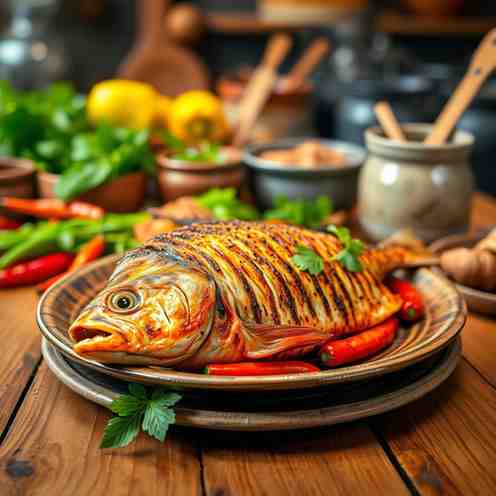
Ready to elevate your outdoor cooking? Say hello to Ikan Bakar, Malaysia's iconic grilled fish that's bursting with incredible flavor! This isn't just any grilled fish; it's a culinary journey featuring a whole fish, slathered in a vibrant homemade sambal chili paste, and often cooked over fragrant banana leaves on the grill. If you've been looking for authentic recipes for cooking on the grill that truly impress, you've found your match.
Our definitive Ikan Bakar recipe brings the authentic taste of Malaysia right to your backyard, but with clear, doable steps for home cooks in the US. We're talking smoky char from the grill, a spicy kick from our special sambal, a tangy brightness from lime, and that irresistible, slightly funky depth from belacan (shrimp paste) – all in the best possible way! Get ready to discover your new favorite seafood on grill recipes and transform your grilling white fish game.
Ingredients
Directions
- Prep the Banana Leaves:
- If using frozen banana leaves, thaw them first. Rinse both sides of the leaves thoroughly under cool water and wipe them dry with a clean cloth.
- To make them pliable and prevent cracking, quickly pass each leaf over an open flame (from a gas burner or grill) for a few seconds until they soften and turn a brighter green. Alternatively, you can dip them in very hot water for 30 seconds.
- If you only have smaller pieces, you can layer them slightly overlapping to create a larger surface. Set aside.
- Make the Sambal Chili Paste (The Heart of Ikan Bakar!):
- In a food processor, combine the fresh red chilies, shallots, and sliced lemongrass. Process until you have a coarse paste. You might need to scrape down the sides a few times.
- Toast the Belacan: This step is crucial for flavor and managing the smell. Heat a small, dry skillet over medium-low heat. Add the belacan and toast it for 2-3 minutes, stirring occasionally, until it's fragrant and slightly crumbly. Warning: It will be pungent! Open a window or turn on your exhaust fan.
- Add the toasted belacan, lime juice, 1 teaspoon salt, and 1 tablespoon sugar to the food processor with the chili paste. Blend again until everything is well combined and relatively smooth.
- Stir-fry the Sambal: Heat the ¼ cup neutral oil in a wok or large skillet over medium heat. Add the sambal paste. Stir-fry constantly for 10-15 minutes, or until the oil separates from the paste and the raw smell of the chilies and shallots is gone. The color will deepen, and the sambal will become very fragrant. This process is key for developing complex flavors and ensures your spices for grilled fish are perfectly cooked.
- Remove the sambal from the heat and let it cool completely before applying it to the fish. This prevents the acid in the sambal from "cooking" the fish prematurely. Taste and adjust salt or sugar if needed.
- Prep the Fish:
- Pat the whole fish thoroughly dry inside and out with paper towels. Excess moisture is the enemy of crispy skin!
- Using a sharp knife, make 3-4 diagonal scores on each side of the fish, cutting about ½ inch deep into the flesh. Don't cut all the way through. These scores help the fish cook evenly and allow the sambal flavor to penetrate deep.
- Generously salt the cavity of the fish.
- Now, it's time for the sambal! Rub a generous amount of the cooled sambal paste inside the fish cavity and thoroughly into the scored cuts on the skin. Ensure the fish is well coated.
- Marinating Time: Place the sambal-coated fish on a plate, cover, and refrigerate for a minimum of 30 minutes, ideally 2 hours, or up to 8 hours for maximum flavor absorption.
- Prepare the Optional Dipping Sauce (If Using):
- While the fish marinates, if you're making the tamarind dipping sauce, combine the strained tamarind liquid with a pinch of sugar and salt. Stir until dissolved. Taste and adjust. If you prefer a spicier dip, simply use some of the leftover homemade sambal.
- Grill Setup (This is Where You Beat the Competitors!):
- Prepare your outdoor grill (gas or charcoal) for two-zone heat. This means having one side of the grill hot (direct heat) and the other side medium-low (indirect heat). For a gas grill, light burners on one side to medium-high and leave others off or on low. For charcoal, pile coals on one side.
- Target a grill temperature range of 350-400°F (175-200°C) on the direct heat side.
- Lay a double layer of the prepared banana leaves directly on the grill grates over the indirect heat side. This protects the fish, infuses it with a subtle aroma, and prevents sticking.
- Grill the Fish:
- Once the grill is preheated and your banana leaves are in place, carefully transfer the marinated fish onto the banana leaves, ideally over the indirect heat zone.
- Close the grill lid. Grill timing will depend on the thickness of your fish. A good rule of thumb is 8-10 minutes per inch of thickness at its thickest part. For a 1.5-2 lb snapper, this usually means 15-25 minutes total.
- Basting Schedule: After about 7-8 minutes, carefully open the grill. If the sambal on the fish looks dry, spoon a little more fresh sambal onto the fish (avoiding the areas directly touching the hottest part of the grill to prevent burning).
- How to Flip Cleanly: This is where those two wide spatulas or a grill basket come in handy! Gently slide one spatula under the head and another under the tail. In one swift, confident motion, flip the fish over. If using a grill basket, simply close it and flip the entire basket.
- Continue grilling for another 7-10 minutes on the second side, basting with more sambal if needed.
- Doneness Checks:
- The flesh should flake easily when tested with a fork at its thickest part.
- For absolute certainty, use an instant-read thermometer. The internal temperature should reach 145°F (63°C) at the thickest part.
- Serve:
- Carefully transfer the grilled fish (still on its banana leaf if possible) to a serving platter.
- Rest the fish briefly for 5 minutes.
- Spoon a little extra fresh sambal on top of the cooked fish for an extra flavor boost.
- Serve immediately with fresh lime wedges for squeezing, steamed white rice, sliced cucumbers, and fresh herbs like cilantro or mint.
You may also like

Hey there! I’m just someone who seriously loves good food and believes that cooking doesn’t have to be complicated to be amazing. Whether it’s a quick weeknight dinner or a cozy weekend meal, I’m all about sharing easy, tasty recipes that actually work.