
Indonesian Bakso - Delicious Egg Noodles & Meatballs Recipe
Indonesian Bakso - Delicious Egg Noodles & Meatballs Recipe
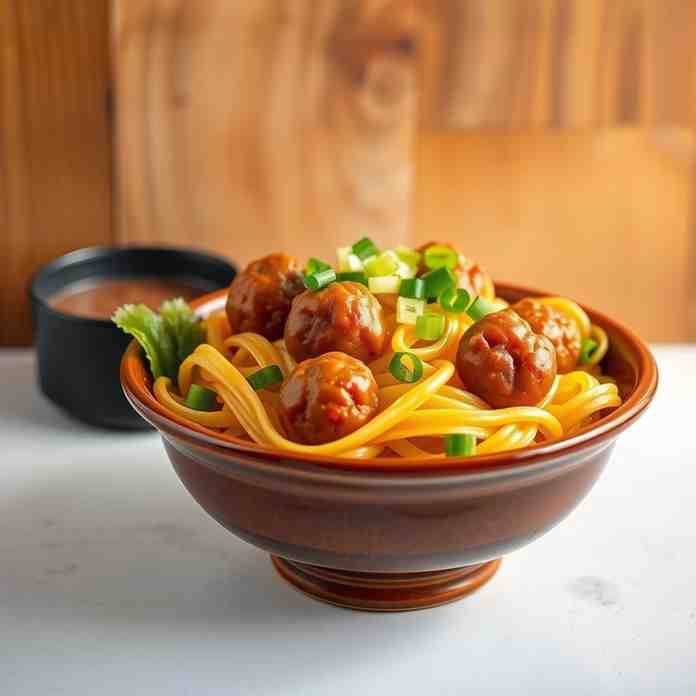
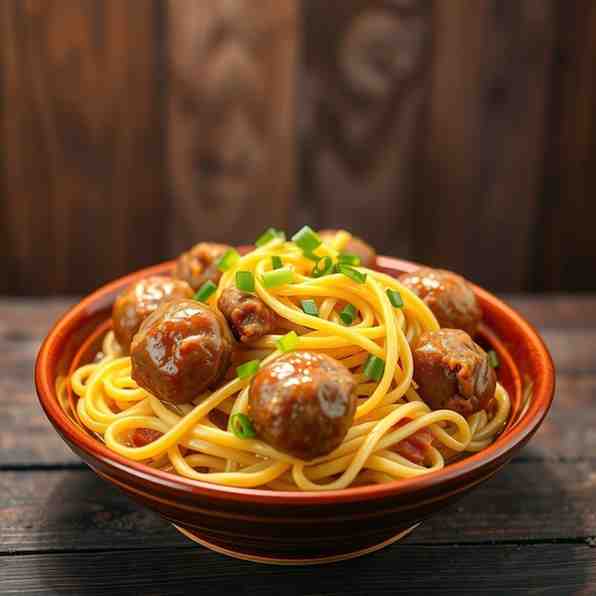
- Serves: 6 People
- Prepare Time: 45 minutes
- Cooking Time: 4 hours
- Calories: -
- Difficulty: Medium
Get ready to dive spoon-first into a bowl of pure comfort! Indonesian Bakso is a seriously satisfying meatball soup that's miles away from your typical Italian version. We're talking about bouncy, flavorful beef meatballs swimming in a rich, deeply savory beef bone broth, often served with slurp-worthy egg noodles and meatballs. It's a culinary hug that's both hearty and incredibly fresh, making it a standout dish you absolutely have to try. This recipe will guide you through creating an authentic Bakso experience right in your own kitchen, complete with those delicious noodles and meatballs that make it so special.
What makes it "Bakso": The unique bouncy texture of the meatballs and the clear, flavorful beef broth.
Ready to cook? Jump straight to the [Recipe](#recipe), learn about making the perfect [Broth](#broth), master the [Meatballs](#meatballs), get your [Noodles](#noodles) just right, understand [Storage](#storage) tips, or check out our [FAQ](#faq) section!
Bakso is Indonesia's beloved street food — a warm, comforting bowl of soup featuring tender, springy meatballs. When you see "mie bakso," it simply means you're getting those delicious meatballs served with noodles, typically yellow wheat egg noodles. What really sets bakso apart from, say, Italian meatballs? It's all about the texture! Bakso meatballs are known for their incredibly bouncy, almost rubbery bite, achieved through a specific mixing method and the use of tapioca starch. They're typically smaller and smoother, designed to be slurped up with spoonfuls of savory broth.
Ingredients
Directions
- Equipment Notes: You'll need a large stockpot for the broth, a fine mesh strainer, and ideally a food processor for the best bakso texture (though you can mix by hand if needed).
- Build the Beef Bone Broth
- Blanch Bones (Optional but Recommended): Place the beef bones in your large stockpot and cover with cold water. Bring to a rolling boil for 5-10 minutes. This step helps remove impurities and reduces scum for a clearer broth. Drain the bones and rinse them thoroughly under cold water. Wash out your pot.
- Roast Bones (Optional for Deeper Flavor): For an even richer, deeper flavored broth, you can roast the blanched bones on a baking sheet at 400°F (200°C) for 20-30 minutes until lightly browned. This step is a game-changer!
- Simmer the Broth: Return the blanched (and optionally roasted) bones to the clean stockpot. Cover them with about 10-12 cups of fresh cold water. Bring the water to a bare simmer over medium-low heat – absolutely no rolling boil here, as that can make your broth cloudy.
- Skim and Add Aromatics: As the broth gently simmers, foam and scum will rise to the surface. Use a ladle or spoon to skim this off frequently during the first hour. After about an hour, add the quartered onion, smashed garlic, sliced ginger, and any optional aromatics like star anise or cinnamon stick.
- Gentle Simmer: Continue to simmer the broth gently for at least 3-4 hours, or even longer (up to 8 hours for maximum flavor). Keep an eye on the water level and add more hot water if needed to keep the bones submerged.
- Strain and Adjust: Once the broth has simmered sufficiently, carefully strain it through a fine mesh strainer into a clean pot or heatproof container. Discard the bones and aromatics. Taste the broth and season generously with salt. Remember, the broth needs to be flavorful on its own, as it will be the base for the entire soup.
- Make the Bakso Meatball Mixture
- Keep it Cold: The secret to bouncy bakso is keeping your ingredients very cold. Place your ground beef in the freezer for about 15-20 minutes before mixing, just until the edges start to firm up but it's not frozen solid.
- Process for Texture: If using a food processor, combine the cold ground beef, tapioca starch, minced garlic, white pepper, and salt in the bowl. Pulse several times until the mixture starts to come together. While pulsing, slowly drizzle in the ice-cold water until the mixture becomes very smooth, sticky, and almost paste-like. This could take 1-2 minutes of pulsing. The "right texture" is key – it should look like a thick, smooth paste, not just crumbly ground meat. If mixing by hand, you'll need to vigorously knead the mixture for 10-15 minutes, adding the ice water gradually, until it's very sticky and smooth.
- Quick Test-Ball (Optional): To check for seasoning and texture, drop a tiny bit of the mixture into simmering water. Cook for a minute or two, then taste. Adjust salt or pepper in the main mixture if needed.
- Poach the Meatballs
- Prepare Poaching Liquid: Fill a medium pot with water or some of your strained beef broth (if you have extra) and bring it to a gentle simmer – just barely bubbling. Do NOT let it boil rapidly.
- Shape the Meatballs: Have a bowl of cold water handy. There are two main ways to shape:
- Spoon Method: Scoop a spoonful of the meat mixture into your hand. Using another spoon, scoop out small portions and gently drop them into the simmering liquid.
- Hand Squeeze Method: Take a handful of the mixture and gently squeeze it through your thumb and forefinger to form a small ball. Use a spoon dipped in cold water to scoop off the ball and drop it into the simmering liquid.
- Poach Until Done: Poach the meatballs in batches if necessary, making sure not to overcrowd the pot. They are done when they float to the surface and feel firm to the touch (internal temperature around 160°F/71°C if you want to be precise). This usually takes about 5-8 minutes depending on size.
- Transfer: Use a slotted spoon to transfer the cooked meatballs directly into your hot, simmering beef bone broth.
- Cook Noodles and Prep Greens
- Cook Egg Noodles Separately: Bring a separate pot of water to a boil. Cook the fresh egg noodles according to package directions, usually just 1-2 minutes. It's crucial to cook them separately to prevent the broth from becoming starchy and cloudy. Drain well.
- Quick Blanch Greens: Briefly blanch the bok choy or spinach in the same noodle water for about 30 seconds until just wilted. If using bean sprouts, they can be added raw or quickly blanched. Drain well.
- Assemble Bowls Like a Bakso Stall
- Layer the Bowl: In each serving bowl, place a portion of cooked egg noodles at the bottom.
- Add Veggies & Meatballs: Arrange the blanched greens and bean sprouts (if using) over the noodles. Ladle in several of the hot, bouncy bakso meatballs.
- Pour Hot Broth: Generously pour the hot, flavorful beef bone broth over everything, ensuring the noodles and meatballs are submerged.
- Garnish: Finish with a sprinkle of crispy fried shallots and fresh celery leaves or sliced scallions.
- Personalize: Serve immediately with lime wedges, sambal or chili oil, and sweet soy sauce (kecap manis) on the side, allowing each person to season their bowl to their liking. Enjoy!
Indonesian Bakso - Delicious Egg Noodles & Meatballs Recipe
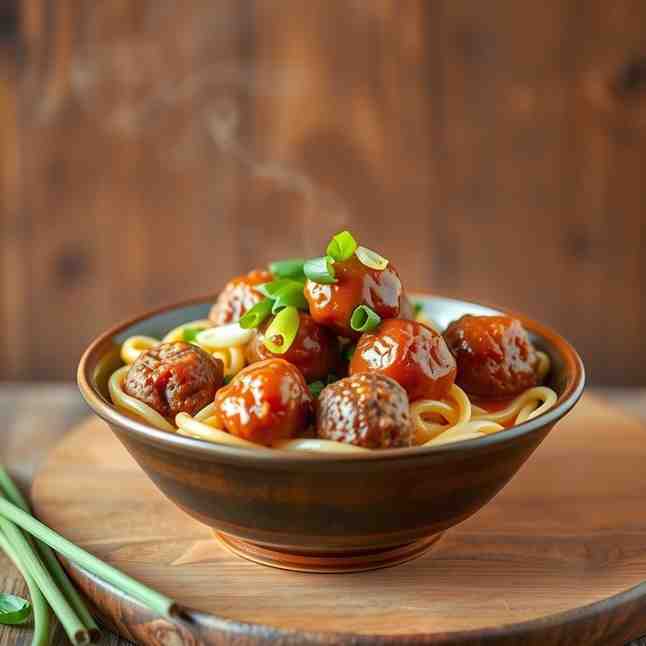
- Serves: 6 People
- Prepare Time: 45 minutes
- Cooking Time: 4 hours
- Calories: -
- Difficulty: Medium
Get ready to dive spoon-first into a bowl of pure comfort! Indonesian Bakso is a seriously satisfying meatball soup that's miles away from your typical Italian version. We're talking about bouncy, flavorful beef meatballs swimming in a rich, deeply savory beef bone broth, often served with slurp-worthy egg noodles and meatballs. It's a culinary hug that's both hearty and incredibly fresh, making it a standout dish you absolutely have to try. This recipe will guide you through creating an authentic Bakso experience right in your own kitchen, complete with those delicious noodles and meatballs that make it so special.
What makes it "Bakso": The unique bouncy texture of the meatballs and the clear, flavorful beef broth.
Ready to cook? Jump straight to the [Recipe](#recipe), learn about making the perfect [Broth](#broth), master the [Meatballs](#meatballs), get your [Noodles](#noodles) just right, understand [Storage](#storage) tips, or check out our [FAQ](#faq) section!
Bakso is Indonesia's beloved street food — a warm, comforting bowl of soup featuring tender, springy meatballs. When you see "mie bakso," it simply means you're getting those delicious meatballs served with noodles, typically yellow wheat egg noodles. What really sets bakso apart from, say, Italian meatballs? It's all about the texture! Bakso meatballs are known for their incredibly bouncy, almost rubbery bite, achieved through a specific mixing method and the use of tapioca starch. They're typically smaller and smoother, designed to be slurped up with spoonfuls of savory broth.
Ingredients
Directions
- Equipment Notes: You'll need a large stockpot for the broth, a fine mesh strainer, and ideally a food processor for the best bakso texture (though you can mix by hand if needed).
- Build the Beef Bone Broth
- Blanch Bones (Optional but Recommended): Place the beef bones in your large stockpot and cover with cold water. Bring to a rolling boil for 5-10 minutes. This step helps remove impurities and reduces scum for a clearer broth. Drain the bones and rinse them thoroughly under cold water. Wash out your pot.
- Roast Bones (Optional for Deeper Flavor): For an even richer, deeper flavored broth, you can roast the blanched bones on a baking sheet at 400°F (200°C) for 20-30 minutes until lightly browned. This step is a game-changer!
- Simmer the Broth: Return the blanched (and optionally roasted) bones to the clean stockpot. Cover them with about 10-12 cups of fresh cold water. Bring the water to a bare simmer over medium-low heat – absolutely no rolling boil here, as that can make your broth cloudy.
- Skim and Add Aromatics: As the broth gently simmers, foam and scum will rise to the surface. Use a ladle or spoon to skim this off frequently during the first hour. After about an hour, add the quartered onion, smashed garlic, sliced ginger, and any optional aromatics like star anise or cinnamon stick.
- Gentle Simmer: Continue to simmer the broth gently for at least 3-4 hours, or even longer (up to 8 hours for maximum flavor). Keep an eye on the water level and add more hot water if needed to keep the bones submerged.
- Strain and Adjust: Once the broth has simmered sufficiently, carefully strain it through a fine mesh strainer into a clean pot or heatproof container. Discard the bones and aromatics. Taste the broth and season generously with salt. Remember, the broth needs to be flavorful on its own, as it will be the base for the entire soup.
- Make the Bakso Meatball Mixture
- Keep it Cold: The secret to bouncy bakso is keeping your ingredients very cold. Place your ground beef in the freezer for about 15-20 minutes before mixing, just until the edges start to firm up but it's not frozen solid.
- Process for Texture: If using a food processor, combine the cold ground beef, tapioca starch, minced garlic, white pepper, and salt in the bowl. Pulse several times until the mixture starts to come together. While pulsing, slowly drizzle in the ice-cold water until the mixture becomes very smooth, sticky, and almost paste-like. This could take 1-2 minutes of pulsing. The "right texture" is key – it should look like a thick, smooth paste, not just crumbly ground meat. If mixing by hand, you'll need to vigorously knead the mixture for 10-15 minutes, adding the ice water gradually, until it's very sticky and smooth.
- Quick Test-Ball (Optional): To check for seasoning and texture, drop a tiny bit of the mixture into simmering water. Cook for a minute or two, then taste. Adjust salt or pepper in the main mixture if needed.
- Poach the Meatballs
- Prepare Poaching Liquid: Fill a medium pot with water or some of your strained beef broth (if you have extra) and bring it to a gentle simmer – just barely bubbling. Do NOT let it boil rapidly.
- Shape the Meatballs: Have a bowl of cold water handy. There are two main ways to shape:
- Spoon Method: Scoop a spoonful of the meat mixture into your hand. Using another spoon, scoop out small portions and gently drop them into the simmering liquid.
- Hand Squeeze Method: Take a handful of the mixture and gently squeeze it through your thumb and forefinger to form a small ball. Use a spoon dipped in cold water to scoop off the ball and drop it into the simmering liquid.
- Poach Until Done: Poach the meatballs in batches if necessary, making sure not to overcrowd the pot. They are done when they float to the surface and feel firm to the touch (internal temperature around 160°F/71°C if you want to be precise). This usually takes about 5-8 minutes depending on size.
- Transfer: Use a slotted spoon to transfer the cooked meatballs directly into your hot, simmering beef bone broth.
- Cook Noodles and Prep Greens
- Cook Egg Noodles Separately: Bring a separate pot of water to a boil. Cook the fresh egg noodles according to package directions, usually just 1-2 minutes. It's crucial to cook them separately to prevent the broth from becoming starchy and cloudy. Drain well.
- Quick Blanch Greens: Briefly blanch the bok choy or spinach in the same noodle water for about 30 seconds until just wilted. If using bean sprouts, they can be added raw or quickly blanched. Drain well.
- Assemble Bowls Like a Bakso Stall
- Layer the Bowl: In each serving bowl, place a portion of cooked egg noodles at the bottom.
- Add Veggies & Meatballs: Arrange the blanched greens and bean sprouts (if using) over the noodles. Ladle in several of the hot, bouncy bakso meatballs.
- Pour Hot Broth: Generously pour the hot, flavorful beef bone broth over everything, ensuring the noodles and meatballs are submerged.
- Garnish: Finish with a sprinkle of crispy fried shallots and fresh celery leaves or sliced scallions.
- Personalize: Serve immediately with lime wedges, sambal or chili oil, and sweet soy sauce (kecap manis) on the side, allowing each person to season their bowl to their liking. Enjoy!
You may also like

Hey there! I’m just someone who seriously loves good food and believes that cooking doesn’t have to be complicated to be amazing. Whether it’s a quick weeknight dinner or a cozy weekend meal, I’m all about sharing easy, tasty recipes that actually work.