
Juicy Pork Loin Roast - the Perfect Herb-Garlic Recipe
Juicy Pork Loin Roast - the Perfect Herb-Garlic Recipe
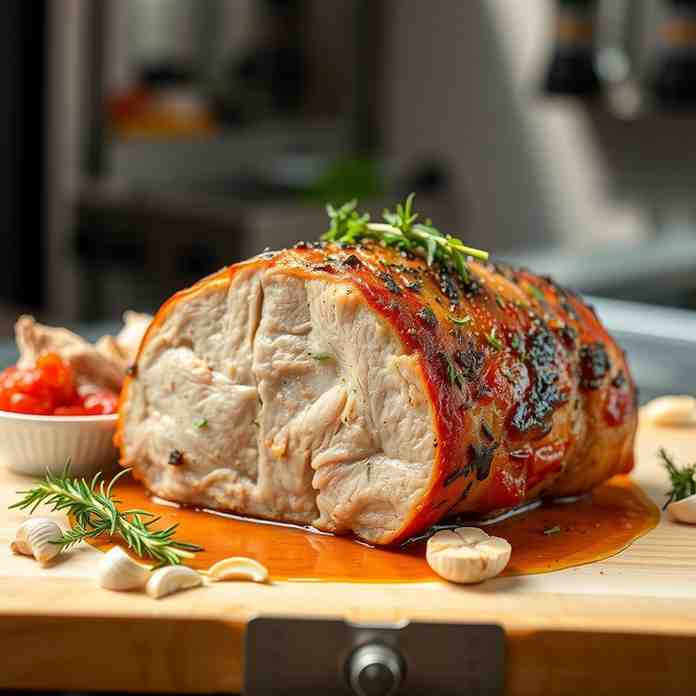
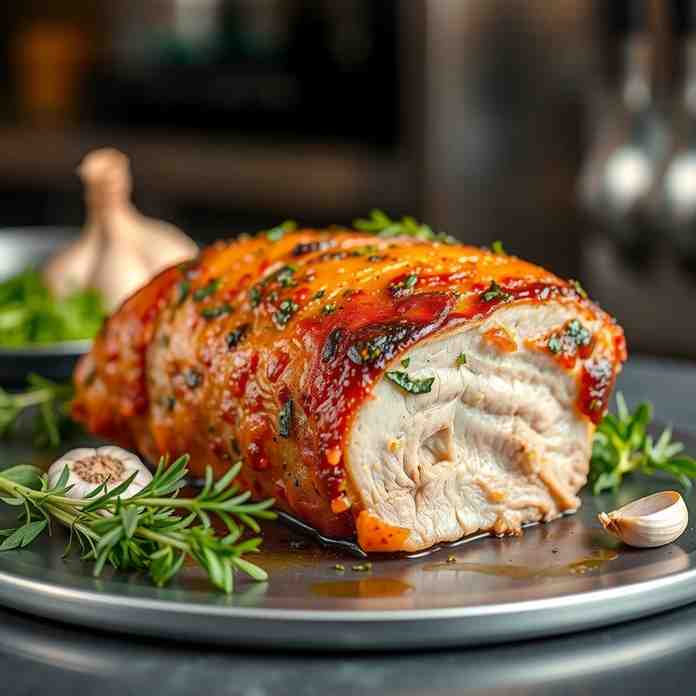
- Serves: 6 People
- Prepare Time: 20 minutes
- Cooking Time: 75-90 minut
- Calories: -
- Difficulty: Easy
Ever dreamt of a perfectly juicy, incredibly flavorful pork roast that doesn't end up dry or bland? You're in the right place! Whether you're a busy weeknight cook looking for an impressive meal or a holiday host aiming to delight your guests, this Herb-Garlic Pork Loin Roast with Apple Cider Pan Gravy is your new secret weapon. We’ll show you how to achieve tender, succulent results every single time, making this the best way to cook a pork shoulder roast in the oven (or rather, a loin!) and proving that a slightly pink center at 145°F is not only safe but the key to ultimate juiciness. Forget dry pork forever – let's get roasting!
Cut: Boneless pork loin roast, 2–4 lb
Flavor Profile: Herb-garlic, lightly tangy from apple cider and mustard
What You’ll Love: Stays juicy, simple technique, fantastic leftovers, and the best way to roast pork shoulder (or loin!) for a crowd or just for 2.
Ingredients
Directions
- Before You Start: Cut, Temps & Juiciness (Cooking Techniques)This recipe uses a boneless pork loin roast, a lean and tender cut found easily in most grocery stores. It’s long and cylindrical, often sold as a whole loin or cut into smaller roasts.
- Quick Cut Comparison:
- Tenderloin: Much smaller, cooks very fast – not suitable for this recipe.
- Shoulder/Butt: Fattier, requires low-and-slow cooking for tenderness – use a different recipe for this cut. Our method is specifically for loin.
- Safe Internal Temperature: Pork loin is safely cooked at 145°F, followed by a 3–5 minute rest. It may have a faint pink center, which is perfectly safe and signals juiciness!
- Why Loin Dries Out & How We Prevent It: Loin is lean, so overcooking is its enemy. We prevent dryness by:
- Not overcooking: Rely on a meat thermometer!
- Searing: This adds flavor, not "seals" juices.
- Resting: Crucial for juices to redistribute.
- Moist Environment: Broth/cider in the pan creates steam (around the meat, not over it).
- The Herb-Garlic Apple Cider Marinade (Best Marinades Intent)This marinade infuses the surface with amazing flavor and helps tenderize slightly, but remember, true juiciness comes primarily from not overcooking!
- How to Mix It: In a medium bowl, whisk together the apple cider, olive oil, Dijon mustard, minced garlic, rosemary, thyme, salt, and black pepper. If using brown sugar or maple syrup, whisk it in now.
- How Long to Marinate: Place the pork loin in a zip-top bag or a shallow dish. Pour the marinade over the pork, ensuring it's well-coated. Marinate in the refrigerator for a minimum of 2 hours, or up to 24 hours, flipping the roast halfway through if not fully submerged.
- Patting the Roast Dry: Before searing, remove the pork from the marinade and pat its surface thoroughly dry with paper towels. This step is essential for achieving a beautiful golden-brown crust rather than steaming the meat.
- Food Safety Note: Always discard any used marinade that has come into contact with raw meat. If you wish to use some as a sauce base, boil it vigorously for at least 5 minutes to ensure it's safe.
- Step-By-Step: How to Make Herb-Garlic Pork Loin Roast (Cooking Techniques)
- Marinate the PorkTrim any excess silverskin from the surface of your pork loin roast if present (a thin, silvery membrane). Leave the fat cap on, or trim it to about ¼ inch thick for flavor and juiciness. Place the pork in your prepared marinade and chill for 2-24 hours. About 30 minutes before you plan to cook, remove the pork from the fridge to allow it to come closer to room temperature.
- Pat Dry & Sear for FlavorThoroughly pat the marinated pork roast dry with paper towels. If needed, lightly film your heavy, oven-safe skillet or roasting pan with a touch of olive oil over medium-high heat. Once hot, sear the pork on all sides until a beautiful golden-brown crust forms. This usually takes 2-3 minutes per side. Transfer the roast (fat side up) to the roasting pan if you used a separate skillet, or keep it in the oven-safe skillet.
- Set Up the Pan & RoastPour the apple cider and chicken broth mixture around the pork in the pan (not directly over it). This liquid will create a moist cooking environment, preventing the loin from drying out, and will form the base for your future gravy. Preheat your oven to 350-375°F (175-190°C). Insert an oven-safe meat thermometer probe into the thickest part of the roast, avoiding bone or fat pockets. Roast in the preheated oven, estimating approximately 20-25 minutes per pound, but always trusting your thermometer as the final authority on doneness.
- Check Doneness & RestRemove the pork roast from the oven when your thermometer reads approximately 140°F (60°C) in the thickest part. Transfer the roast to a clean cutting board and tent it loosely with foil. Let it rest for 15-20 minutes. During this crucial resting period, carryover cooking will bring the internal temperature up to the safe 145°F (63°C), and the juices will redistribute throughout the meat, ensuring maximum tenderness and flavor. Don't be alarmed if the center is faintly pink – this is perfectly safe and a sign of a perfectly cooked, juicy loin.
- Make the Apple Cider Pan Gravy While It RestsWhile the pork rests, place your roasting pan (with the drippings) over medium heat on the stovetop. Carefully skim off any excess fat from the pan drippings, leaving about 1 tablespoon. Add the butter to the pan and melt. Sauté the finely minced onion or shallot until softened, about 3-5 minutes. Stir in the flour and cook for 1-2 minutes, stirring constantly, until lightly golden. Gradually whisk in the 1 cup of apple cider and ½ cup of chicken broth, scraping up any browned bits from the bottom of the pan. Bring to a simmer and cook, whisking, until the gravy thickens to your desired consistency. If it's too thick, add a splash more broth or cider. Stir in the extra Dijon mustard and an optional splash of cream for richness. Season with salt and black pepper to taste, and a tiny splash of vinegar or lemon juice if it needs a brighter finish.
- Slice & ServeOnce rested, slice the pork loin roast across the grain into ½-inch thick medallions. Arrange the slices on a platter and spoon the hot Apple Cider Pan Gravy over them, or serve the gravy on the side. Serve immediately to enjoy the pork at its juiciest and warmest. This is a delightful way to enjoy dishes with pork shoulder (or loin!) for any occasion.
- Pork Loin Doneness & Timing Cheatsheet (Cooking Techniques Intent)
- 2 lb roast: Approx. 40-50 minutes (start checking at 35 min) – pull at 140°F
- 3 lb roast: Approx. 60-75 minutes (start checking at 50 min) – pull at 140°F
- 4 lb roast: Approx. 80-100 minutes (start checking at 70 min) – pull at 140°F
- Ovens vary significantly; always trust your meat thermometer over the clock.
- Start checking the internal temperature 10-15 minutes before the earliest estimated time for your pork roast.
- Quick Troubleshooting Box
- “Top is browning too fast but inside is under 120°F” → Loosely tent the roast with foil to prevent further browning, and if possible, move the oven rack down one level.
- “Hit 150°F and I’m worried it’s dry” → Still tent it with foil and let it rest for the full 15-20 minutes. Slice it thinner when serving, and be generous with the apple cider pan gravy. Serve with moist sides like creamy mashed potatoes or saucy vegetables.
- “No thermometer?” → While not recommended for guaranteed juiciness, if absolutely necessary, you can cut into the thickest part. The juices should run clear, and the center should be very faintly pink, almost white. Strongly suggest buying an instant-read thermometer for future perfect cooking pork shoulder roast (or loin!).
Juicy Pork Loin Roast - the Perfect Herb-Garlic Recipe
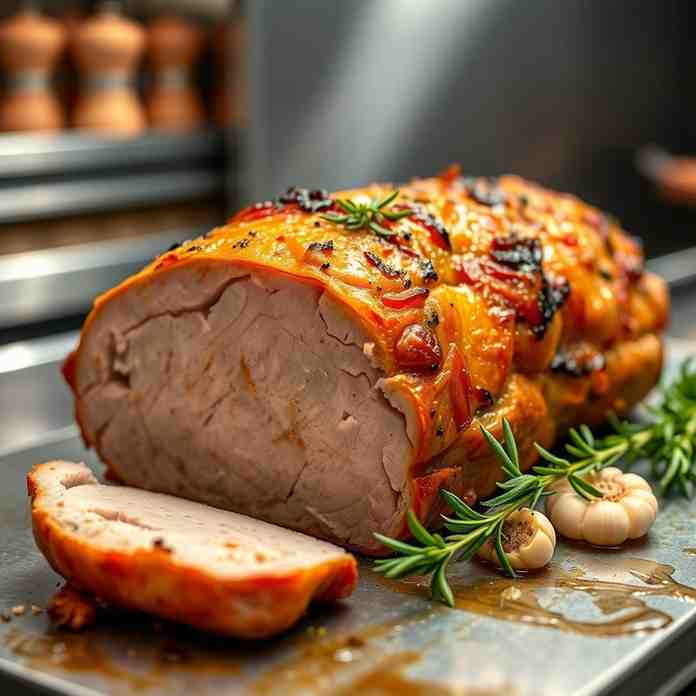
- Serves: 6 People
- Prepare Time: 20 minutes
- Cooking Time: 75-90 minut
- Calories: -
- Difficulty: Easy
Ever dreamt of a perfectly juicy, incredibly flavorful pork roast that doesn't end up dry or bland? You're in the right place! Whether you're a busy weeknight cook looking for an impressive meal or a holiday host aiming to delight your guests, this Herb-Garlic Pork Loin Roast with Apple Cider Pan Gravy is your new secret weapon. We’ll show you how to achieve tender, succulent results every single time, making this the best way to cook a pork shoulder roast in the oven (or rather, a loin!) and proving that a slightly pink center at 145°F is not only safe but the key to ultimate juiciness. Forget dry pork forever – let's get roasting!
Cut: Boneless pork loin roast, 2–4 lb
Flavor Profile: Herb-garlic, lightly tangy from apple cider and mustard
What You’ll Love: Stays juicy, simple technique, fantastic leftovers, and the best way to roast pork shoulder (or loin!) for a crowd or just for 2.
Ingredients
Directions
- Before You Start: Cut, Temps & Juiciness (Cooking Techniques)This recipe uses a boneless pork loin roast, a lean and tender cut found easily in most grocery stores. It’s long and cylindrical, often sold as a whole loin or cut into smaller roasts.
- Quick Cut Comparison:
- Tenderloin: Much smaller, cooks very fast – not suitable for this recipe.
- Shoulder/Butt: Fattier, requires low-and-slow cooking for tenderness – use a different recipe for this cut. Our method is specifically for loin.
- Safe Internal Temperature: Pork loin is safely cooked at 145°F, followed by a 3–5 minute rest. It may have a faint pink center, which is perfectly safe and signals juiciness!
- Why Loin Dries Out & How We Prevent It: Loin is lean, so overcooking is its enemy. We prevent dryness by:
- Not overcooking: Rely on a meat thermometer!
- Searing: This adds flavor, not "seals" juices.
- Resting: Crucial for juices to redistribute.
- Moist Environment: Broth/cider in the pan creates steam (around the meat, not over it).
- The Herb-Garlic Apple Cider Marinade (Best Marinades Intent)This marinade infuses the surface with amazing flavor and helps tenderize slightly, but remember, true juiciness comes primarily from not overcooking!
- How to Mix It: In a medium bowl, whisk together the apple cider, olive oil, Dijon mustard, minced garlic, rosemary, thyme, salt, and black pepper. If using brown sugar or maple syrup, whisk it in now.
- How Long to Marinate: Place the pork loin in a zip-top bag or a shallow dish. Pour the marinade over the pork, ensuring it's well-coated. Marinate in the refrigerator for a minimum of 2 hours, or up to 24 hours, flipping the roast halfway through if not fully submerged.
- Patting the Roast Dry: Before searing, remove the pork from the marinade and pat its surface thoroughly dry with paper towels. This step is essential for achieving a beautiful golden-brown crust rather than steaming the meat.
- Food Safety Note: Always discard any used marinade that has come into contact with raw meat. If you wish to use some as a sauce base, boil it vigorously for at least 5 minutes to ensure it's safe.
- Step-By-Step: How to Make Herb-Garlic Pork Loin Roast (Cooking Techniques)
- Marinate the PorkTrim any excess silverskin from the surface of your pork loin roast if present (a thin, silvery membrane). Leave the fat cap on, or trim it to about ¼ inch thick for flavor and juiciness. Place the pork in your prepared marinade and chill for 2-24 hours. About 30 minutes before you plan to cook, remove the pork from the fridge to allow it to come closer to room temperature.
- Pat Dry & Sear for FlavorThoroughly pat the marinated pork roast dry with paper towels. If needed, lightly film your heavy, oven-safe skillet or roasting pan with a touch of olive oil over medium-high heat. Once hot, sear the pork on all sides until a beautiful golden-brown crust forms. This usually takes 2-3 minutes per side. Transfer the roast (fat side up) to the roasting pan if you used a separate skillet, or keep it in the oven-safe skillet.
- Set Up the Pan & RoastPour the apple cider and chicken broth mixture around the pork in the pan (not directly over it). This liquid will create a moist cooking environment, preventing the loin from drying out, and will form the base for your future gravy. Preheat your oven to 350-375°F (175-190°C). Insert an oven-safe meat thermometer probe into the thickest part of the roast, avoiding bone or fat pockets. Roast in the preheated oven, estimating approximately 20-25 minutes per pound, but always trusting your thermometer as the final authority on doneness.
- Check Doneness & RestRemove the pork roast from the oven when your thermometer reads approximately 140°F (60°C) in the thickest part. Transfer the roast to a clean cutting board and tent it loosely with foil. Let it rest for 15-20 minutes. During this crucial resting period, carryover cooking will bring the internal temperature up to the safe 145°F (63°C), and the juices will redistribute throughout the meat, ensuring maximum tenderness and flavor. Don't be alarmed if the center is faintly pink – this is perfectly safe and a sign of a perfectly cooked, juicy loin.
- Make the Apple Cider Pan Gravy While It RestsWhile the pork rests, place your roasting pan (with the drippings) over medium heat on the stovetop. Carefully skim off any excess fat from the pan drippings, leaving about 1 tablespoon. Add the butter to the pan and melt. Sauté the finely minced onion or shallot until softened, about 3-5 minutes. Stir in the flour and cook for 1-2 minutes, stirring constantly, until lightly golden. Gradually whisk in the 1 cup of apple cider and ½ cup of chicken broth, scraping up any browned bits from the bottom of the pan. Bring to a simmer and cook, whisking, until the gravy thickens to your desired consistency. If it's too thick, add a splash more broth or cider. Stir in the extra Dijon mustard and an optional splash of cream for richness. Season with salt and black pepper to taste, and a tiny splash of vinegar or lemon juice if it needs a brighter finish.
- Slice & ServeOnce rested, slice the pork loin roast across the grain into ½-inch thick medallions. Arrange the slices on a platter and spoon the hot Apple Cider Pan Gravy over them, or serve the gravy on the side. Serve immediately to enjoy the pork at its juiciest and warmest. This is a delightful way to enjoy dishes with pork shoulder (or loin!) for any occasion.
- Pork Loin Doneness & Timing Cheatsheet (Cooking Techniques Intent)
- 2 lb roast: Approx. 40-50 minutes (start checking at 35 min) – pull at 140°F
- 3 lb roast: Approx. 60-75 minutes (start checking at 50 min) – pull at 140°F
- 4 lb roast: Approx. 80-100 minutes (start checking at 70 min) – pull at 140°F
- Ovens vary significantly; always trust your meat thermometer over the clock.
- Start checking the internal temperature 10-15 minutes before the earliest estimated time for your pork roast.
- Quick Troubleshooting Box
- “Top is browning too fast but inside is under 120°F” → Loosely tent the roast with foil to prevent further browning, and if possible, move the oven rack down one level.
- “Hit 150°F and I’m worried it’s dry” → Still tent it with foil and let it rest for the full 15-20 minutes. Slice it thinner when serving, and be generous with the apple cider pan gravy. Serve with moist sides like creamy mashed potatoes or saucy vegetables.
- “No thermometer?” → While not recommended for guaranteed juiciness, if absolutely necessary, you can cut into the thickest part. The juices should run clear, and the center should be very faintly pink, almost white. Strongly suggest buying an instant-read thermometer for future perfect cooking pork shoulder roast (or loin!).
You may also like


Hey there! I’m just someone who seriously loves good food and believes that cooking doesn’t have to be complicated to be amazing. Whether it’s a quick weeknight dinner or a cozy weekend meal, I’m all about sharing easy, tasty recipes that actually work.