
Khichuri Easy Rice and Lentil Recipe for Everyone
Khichuri Easy Rice and Lentil Recipe for Everyone
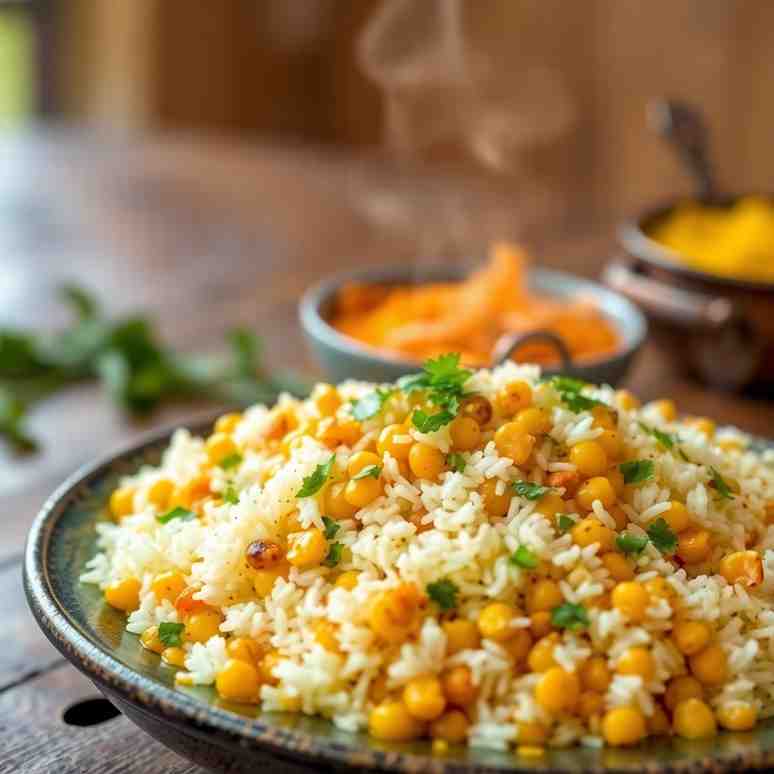
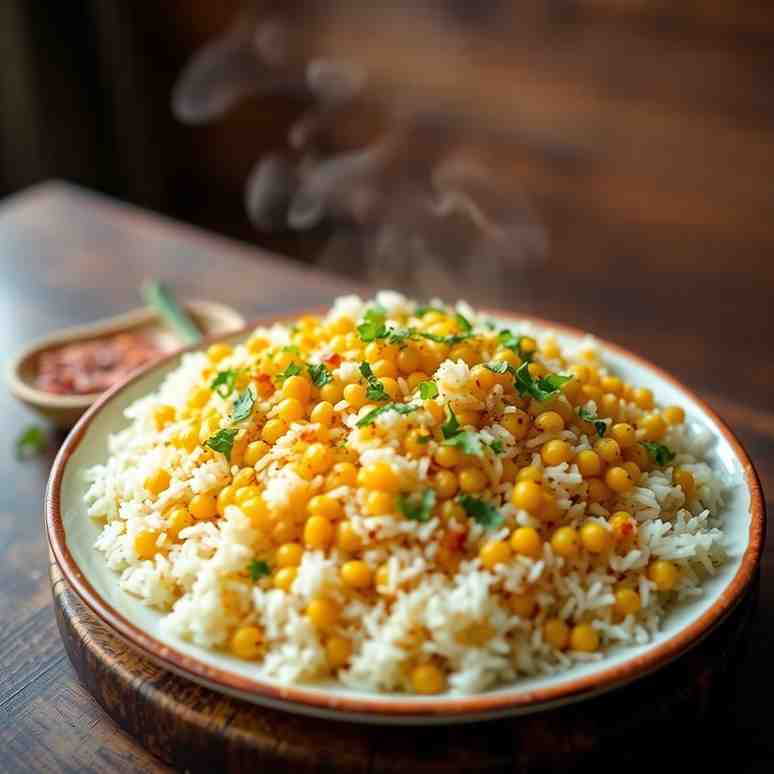
- Serves: 4 People
- Prepare Time: 20 minutes
- Cooking Time: 30 minutes
- Calories: -
- Difficulty: Easy
Step into the heart of Bangladesh with a dish that's more than just food—it's comfort, tradition, and a warm embrace in a bowl. We're talking about Khichuri, a truly beloved `rice and lentil recipe` that holds a special place in homes and hearts across the subcontinent. While many know a simple khichdi, our authentic Bangladeshi Khichuri elevates this classic to a whole new level of flavor and warmth.
Whether it's a rainy day, a festive occasion, or just a craving for something deeply satisfying, Khichuri is the answer. This isn't just an easy to make recipe for beginners; it's a culinary journey that combines fragrant basmati rice with wholesome lentils and a symphony of spices. Forget bland versions; this recipes using lentils and rice dish is vibrant, aromatic, and surprisingly simple to master. We'll guide you through every step, ensuring your Khichuri is a showstopper, perfect for both quick weeknight dinners and special gatherings. Get ready to create a dish that nourishes the soul and delights the palate!
Ingredients
Directions
- Prep the Rice & Lentils: Rinse the Basmati rice and moong dal separately under cold water until the water runs clear. Combine them in a bowl, cover with fresh water, and let them soak for at least 15-20 minutes. This helps them cook evenly. After soaking, drain thoroughly.
- Sauté Aromatics: In a large pot or Dutch oven, heat the ghee or oil over medium heat. Once hot, add the bay leaf, cardamom pods, and cinnamon stick. Sauté for about 30 seconds until fragrant.
- Brown the Onions: Add the sliced onions to the pot and cook, stirring occasionally, until they turn golden brown and caramelized, about 8-10 minutes. This step is crucial for flavor!
- Add Ginger-Garlic & Green Chilies: Stir in the ginger-garlic paste and slit green chilies. Cook for another minute until fragrant, making sure not to burn the garlic.
- Introduce the Spices: Reduce the heat to low. Add the turmeric powder, cumin powder, coriander powder, and red chili powder (if using). Stir quickly for 30 seconds to toast the spices, adding a splash of water if they start to stick.
- Combine Rice & Lentils: Add the drained rice and lentil mixture to the pot. Gently stir everything together, ensuring the grains are well coated with the spices and aromatics. Sauté for 2-3 minutes to lightly toast the rice and lentils.
- Add Water & Salt: Pour in the 4 cups of water (or broth) and add the salt. Stir well to combine. Increase the heat to high and bring the mixture to a rolling boil.
- Simmer to Perfection: Once boiling, reduce the heat to low, cover the pot tightly, and let it simmer for 15-20 minutes. Do not lift the lid during this time!
- Rest & Fluff: After 15-20 minutes, turn off the heat but leave the pot covered for another 5-10 minutes. This allows the Khichuri to steam and finish cooking perfectly.
- Garnish & Serve: Gently fluff the Khichuri with a fork. Stir in the garam masala and garnish generously with fresh chopped cilantro. Serve hot with your favorite accompaniments like pickles, yogurt, or a side of crispy fried onions.
Khichuri Easy Rice and Lentil Recipe for Everyone
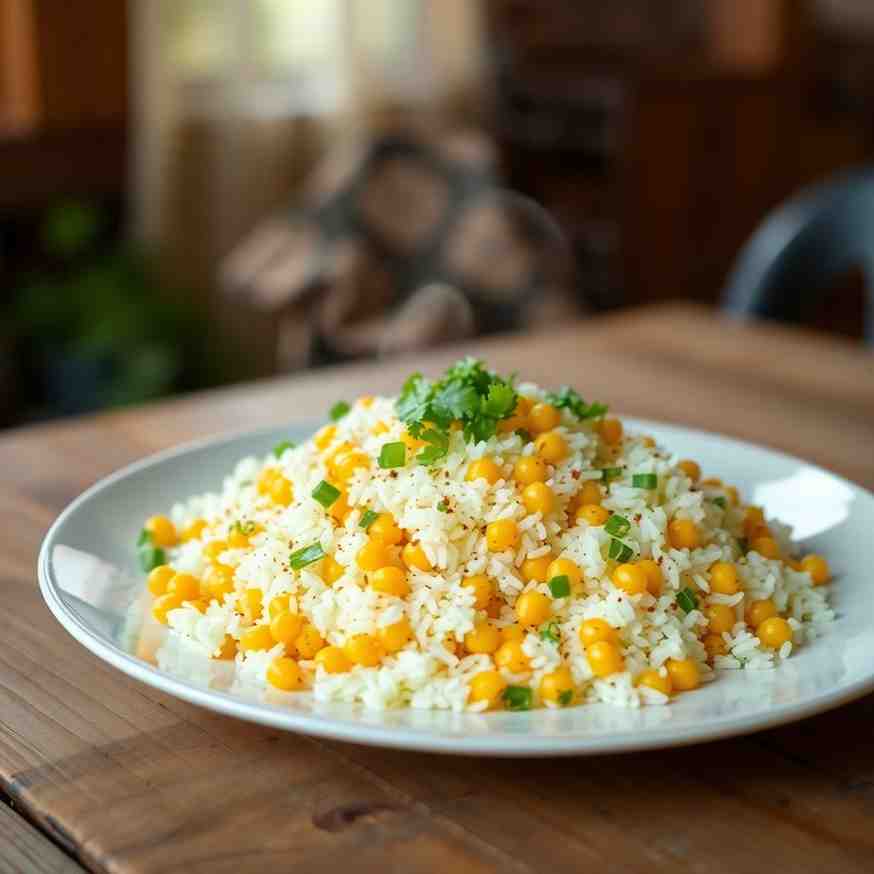
- Serves: 4 People
- Prepare Time: 20 minutes
- Cooking Time: 30 minutes
- Calories: -
- Difficulty: Easy
Step into the heart of Bangladesh with a dish that's more than just food—it's comfort, tradition, and a warm embrace in a bowl. We're talking about Khichuri, a truly beloved `rice and lentil recipe` that holds a special place in homes and hearts across the subcontinent. While many know a simple khichdi, our authentic Bangladeshi Khichuri elevates this classic to a whole new level of flavor and warmth.
Whether it's a rainy day, a festive occasion, or just a craving for something deeply satisfying, Khichuri is the answer. This isn't just an easy to make recipe for beginners; it's a culinary journey that combines fragrant basmati rice with wholesome lentils and a symphony of spices. Forget bland versions; this recipes using lentils and rice dish is vibrant, aromatic, and surprisingly simple to master. We'll guide you through every step, ensuring your Khichuri is a showstopper, perfect for both quick weeknight dinners and special gatherings. Get ready to create a dish that nourishes the soul and delights the palate!
Ingredients
Directions
- Prep the Rice & Lentils: Rinse the Basmati rice and moong dal separately under cold water until the water runs clear. Combine them in a bowl, cover with fresh water, and let them soak for at least 15-20 minutes. This helps them cook evenly. After soaking, drain thoroughly.
- Sauté Aromatics: In a large pot or Dutch oven, heat the ghee or oil over medium heat. Once hot, add the bay leaf, cardamom pods, and cinnamon stick. Sauté for about 30 seconds until fragrant.
- Brown the Onions: Add the sliced onions to the pot and cook, stirring occasionally, until they turn golden brown and caramelized, about 8-10 minutes. This step is crucial for flavor!
- Add Ginger-Garlic & Green Chilies: Stir in the ginger-garlic paste and slit green chilies. Cook for another minute until fragrant, making sure not to burn the garlic.
- Introduce the Spices: Reduce the heat to low. Add the turmeric powder, cumin powder, coriander powder, and red chili powder (if using). Stir quickly for 30 seconds to toast the spices, adding a splash of water if they start to stick.
- Combine Rice & Lentils: Add the drained rice and lentil mixture to the pot. Gently stir everything together, ensuring the grains are well coated with the spices and aromatics. Sauté for 2-3 minutes to lightly toast the rice and lentils.
- Add Water & Salt: Pour in the 4 cups of water (or broth) and add the salt. Stir well to combine. Increase the heat to high and bring the mixture to a rolling boil.
- Simmer to Perfection: Once boiling, reduce the heat to low, cover the pot tightly, and let it simmer for 15-20 minutes. Do not lift the lid during this time!
- Rest & Fluff: After 15-20 minutes, turn off the heat but leave the pot covered for another 5-10 minutes. This allows the Khichuri to steam and finish cooking perfectly.
- Garnish & Serve: Gently fluff the Khichuri with a fork. Stir in the garam masala and garnish generously with fresh chopped cilantro. Serve hot with your favorite accompaniments like pickles, yogurt, or a side of crispy fried onions.
The following nutritional values are per serving (one piece of cake) Calories 300-350 kcal Carbohydrates 50-60g Protein 10-15g Fat 8-12g Time-Saving Tools & Ingredients Cooking Khichuri from scratch is incredibly rewarding, but sometimes you just need to get that delicious meal on the table faster! Here are a few tools and ingredients that can help you shave off some precious minutes in the kitchen. Problem: Traditional methods for cooking rice and lentils can feel like they take ages, especially when you're hungry! Problem: Chopping onions, garlic, and ginger finely can be a tedious and tear-inducing task. Problem: Peeling and mincing fresh ginger and garlic individually adds extra steps to your cooking process. Click any ingredient for detailed nutritional information:Recipe Nutritional Values
Additional Information
Recipe Success Tips
Ingredient Substitutions & Variations
Cultural Variations
Make-Ahead & Storage Instructions
Frequently Asked Questions
Recommended Kitchen Tools
Pressure Cooker
Agitate: Who has time to stand over a simmering pot, constantly checking if the lentils are soft and the rice is perfectly cooked, especially on a busy weeknight?
Solution: A pressure cooker is a game-changer! It drastically reduces the cooking time for both lentils and rice, making your Khichuri come together in a fraction of the time, all while locking in flavor and nutrients.Food Processor or Mini Chopper
Agitate: Uneven cuts mean inconsistent cooking, and let's be real, nobody enjoys watery eyes while prepping dinner.
Solution: A food processor or mini chopper can take care of all your dicing and mincing needs in seconds. Just a few pulses, and your aromatics are perfectly prepped, ready to go into the pot.Pre-Prepped Ginger-Garlic Paste
Agitate: On days when you're exhausted, those extra few minutes of prep can be enough to make you reach for takeout instead.
Solution: Keep a jar of good quality ginger-garlic paste in your fridge (or make a batch yourself and freeze it!). It's a fantastic shortcut that delivers all the aromatic flavor without the fuss.Calories per Ingredient
Resources & References
You may also like




Hey there! I’m just someone who seriously loves good food and believes that cooking doesn’t have to be complicated to be amazing. Whether it’s a quick weeknight dinner or a cozy weekend meal, I’m all about sharing easy, tasty recipes that actually work.