
Kinilaw - Classic Filipino Ceviche at Home
Kinilaw - Classic Filipino Ceviche at Home
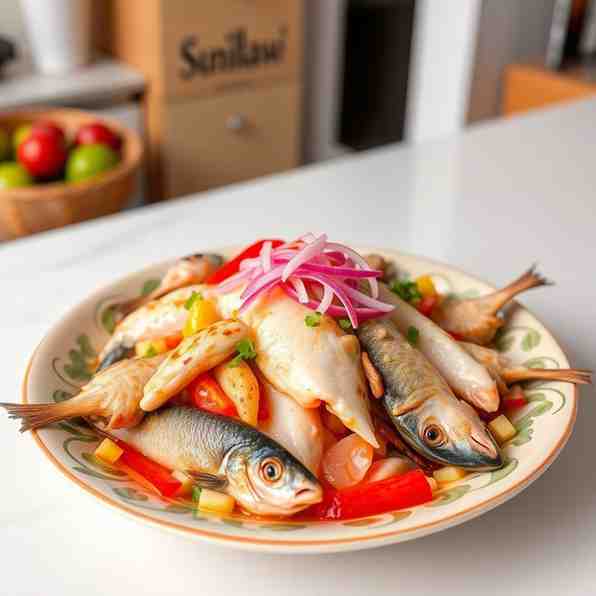

- Serves: 4 People
- Prepare Time: 20 minutes
- Cooking Time: 0 minutes
- Calories: -
- Difficulty: Easy
Welcome to the definitive guide on Kinilaw, one of the most vibrant and exciting filipino food dishes you’ll ever encounter! If you love fresh seafood and bright, zesty flavors, you’re in for a treat. Kinilaw is the Philippines' answer to ceviche: a delicious raw fish dish "cooked" not by heat, but by the acidic magic of vinegar and citrus. While Latin American ceviche often relies heavily on lime juice, Kinilaw typically features a delightful blend of local vinegars, calamansi (a small Filipino lime), ginger, onions, and chiles, giving it a uniquely complex and aromatic profile.
This isn't just another recipe; it's your comprehensive roadmap to mastering authentic Kinilaw. We'll dive deep into the technique, the essential ingredients, and even its rich cultural background, ensuring you create a dish that's not only incredibly tasty but also authentically Filipino. Whether you're a seasoned chef or just starting your culinary journey, this gluten-free, low-carb, and wonderfully simple recipe will guide you to a perfect, refreshing dish every time. Get ready to impress your taste buds and discover a new favorite!
Ingredients
Directions
- Prepare the Fish: Rinse your fish fillet gently under cold water and pat it thoroughly dry with paper towels. Using a very sharp knife, cut the fish into small, uniform 1/2-inch cubes. Why this step matters: Drying prevents dilution of the marinade, and uniform cubes ensure even "cooking" by the acid. Using sashimi-grade fish is crucial for raw consumption safety. Place the cubed fish in a non-reactive bowl (glass or ceramic).
- Rinse (Optional, but Recommended for Some Fish): For stronger-flavored fish like mackerel or if you prefer a milder taste, you can perform a quick "rinse" step. Briefly rinse the fish cubes under running cold water for 30 seconds, then immediately drain very well and gently squeeze out excess water with paper towels. Why this step matters: This helps remove some of the "fishiness" and firms up the texture slightly.
- Combine Aromatics: In a separate small bowl, gently combine the sliced red onions, julienned ginger, and sliced chilies. Why this step matters: Pre-mixing ensures these potent aromatics are evenly distributed throughout the dish.
- Marinate the Fish: Add the prepared aromatics to the cubed fish in the non-reactive bowl. Pour in the cane/coconut vinegar and calamansi/lemon/lime juice. Add the salt and black pepper. Gently toss everything together until the fish is evenly coated. Why this step matters: Gentle tossing prevents the delicate fish from breaking apart. The acid immediately begins the denaturation process, transforming the fish.
- Chill and "Cook": Cover the bowl and refrigerate for 15 to 60 minutes. Why this step matters: The marinating time is crucial. For a firmer texture, marinate longer (up to an hour), but for a softer, more delicate "cook," 15-30 minutes is often perfect. Over-marinating can make the fish rubbery. The cold temperature also maintains food safety. You'll notice the fish turning opaque, similar to cooked fish, as the acid works its magic.
- Serve Immediately: Once the fish has reached your desired texture, serve the Kinilaw chilled. Garnish with optional cucumber, mango, or cilantro if desired. Why this step matters: Kinilaw is best enjoyed fresh. The texture and flavor are at their peak shortly after marinating. Extended storage in the acid can alter the texture too much.
Kinilaw - Classic Filipino Ceviche at Home
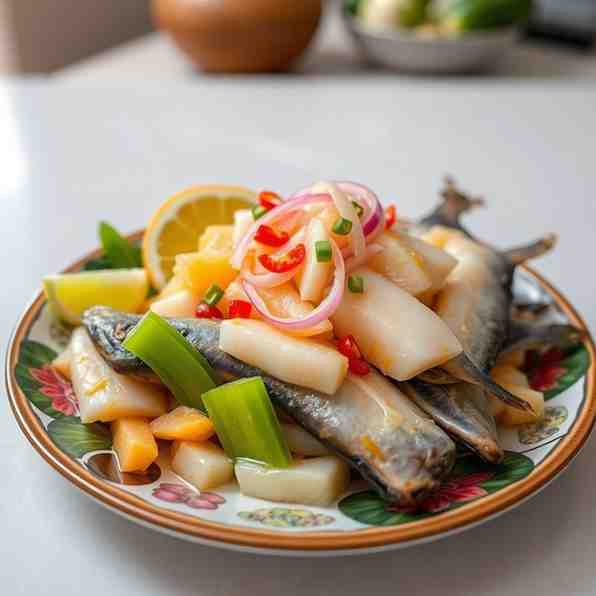
- Serves: 4 People
- Prepare Time: 20 minutes
- Cooking Time: 0 minutes
- Calories: -
- Difficulty: Easy
Welcome to the definitive guide on Kinilaw, one of the most vibrant and exciting filipino food dishes you’ll ever encounter! If you love fresh seafood and bright, zesty flavors, you’re in for a treat. Kinilaw is the Philippines' answer to ceviche: a delicious raw fish dish "cooked" not by heat, but by the acidic magic of vinegar and citrus. While Latin American ceviche often relies heavily on lime juice, Kinilaw typically features a delightful blend of local vinegars, calamansi (a small Filipino lime), ginger, onions, and chiles, giving it a uniquely complex and aromatic profile.
This isn't just another recipe; it's your comprehensive roadmap to mastering authentic Kinilaw. We'll dive deep into the technique, the essential ingredients, and even its rich cultural background, ensuring you create a dish that's not only incredibly tasty but also authentically Filipino. Whether you're a seasoned chef or just starting your culinary journey, this gluten-free, low-carb, and wonderfully simple recipe will guide you to a perfect, refreshing dish every time. Get ready to impress your taste buds and discover a new favorite!
Ingredients
Directions
- Prepare the Fish: Rinse your fish fillet gently under cold water and pat it thoroughly dry with paper towels. Using a very sharp knife, cut the fish into small, uniform 1/2-inch cubes. Why this step matters: Drying prevents dilution of the marinade, and uniform cubes ensure even "cooking" by the acid. Using sashimi-grade fish is crucial for raw consumption safety. Place the cubed fish in a non-reactive bowl (glass or ceramic).
- Rinse (Optional, but Recommended for Some Fish): For stronger-flavored fish like mackerel or if you prefer a milder taste, you can perform a quick "rinse" step. Briefly rinse the fish cubes under running cold water for 30 seconds, then immediately drain very well and gently squeeze out excess water with paper towels. Why this step matters: This helps remove some of the "fishiness" and firms up the texture slightly.
- Combine Aromatics: In a separate small bowl, gently combine the sliced red onions, julienned ginger, and sliced chilies. Why this step matters: Pre-mixing ensures these potent aromatics are evenly distributed throughout the dish.
- Marinate the Fish: Add the prepared aromatics to the cubed fish in the non-reactive bowl. Pour in the cane/coconut vinegar and calamansi/lemon/lime juice. Add the salt and black pepper. Gently toss everything together until the fish is evenly coated. Why this step matters: Gentle tossing prevents the delicate fish from breaking apart. The acid immediately begins the denaturation process, transforming the fish.
- Chill and "Cook": Cover the bowl and refrigerate for 15 to 60 minutes. Why this step matters: The marinating time is crucial. For a firmer texture, marinate longer (up to an hour), but for a softer, more delicate "cook," 15-30 minutes is often perfect. Over-marinating can make the fish rubbery. The cold temperature also maintains food safety. You'll notice the fish turning opaque, similar to cooked fish, as the acid works its magic.
- Serve Immediately: Once the fish has reached your desired texture, serve the Kinilaw chilled. Garnish with optional cucumber, mango, or cilantro if desired. Why this step matters: Kinilaw is best enjoyed fresh. The texture and flavor are at their peak shortly after marinating. Extended storage in the acid can alter the texture too much.
You may also like



Hey there! I’m just someone who seriously loves good food and believes that cooking doesn’t have to be complicated to be amazing. Whether it’s a quick weeknight dinner or a cozy weekend meal, I’m all about sharing easy, tasty recipes that actually work.