
Kiribati-Korean Mahi Mahi - Easy Teriyaki Gochujang Recipe
Kiribati-Korean Mahi Mahi - Easy Teriyaki Gochujang Recipe
- Serves: 4 People
- Prepare Time: 15 minutes
- Cooking Time: 20 minutes
- Calories: -
- Difficulty: Easy
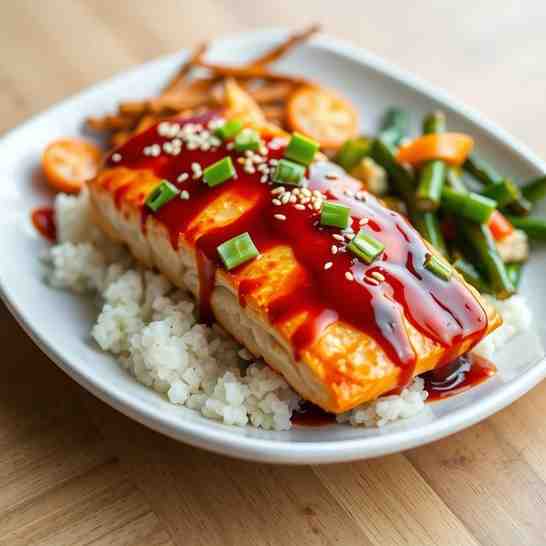
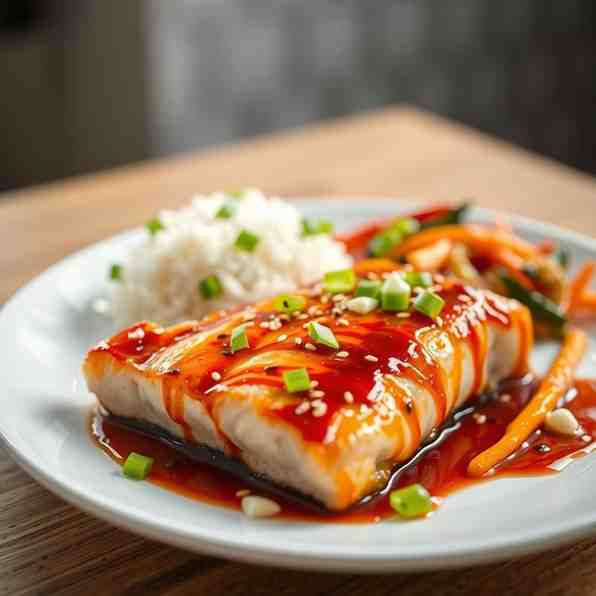
Ever dreamt of a meal that whisks your taste buds away to two incredible corners of the world at once? Get ready for a delicious adventure with our Kiribati-Korean Teriyaki Gochujang Mahi Mahi! This isn't just another `international cuisine recipe`; it's a vibrant fusion that brings together the sun-kissed flavors of the Pacific islands with the bold, savory kick of Korea. Imagine succulent mahi mahi fillets, draped in a glossy, sweet-spicy glaze, served alongside fluffy coconut-lime rice. It’s a truly unique `international food recipe` that’s surprisingly easy to make and perfect for any night you’re craving something special.
This `foreign cuisine recipe` is designed to be on your table in about 30 minutes, whether you’re working with fresh or frozen mahi mahi. The star is a sweet-spicy teriyaki gochujang glaze that caramelizes beautifully without burning, ensuring every bite is packed with flavor. Plus, that fluffy coconut-lime rice isn't just a side; it's an integral part of this incredible `food from all over the world` experience. Get ready to explore `around the world recipes` right in your own kitchen!
This dish is a masterclass in culinary harmony. The Kiribati influence brings a tropical freshness, anchored by the delicate `mahi mahi fillets`, creamy coconut, and bright citrus notes from the lime. On the Korean side, you get that unmistakable depth from `gochujang (chili paste with garlic)`, the aromatic warmth of ginger and garlic, and the nutty richness of sesame.
The real magic happens when teriyaki steps in. It acts as the perfect bridge, offering a familiar sweet-salty gloss and a rich umami foundation that ties the vibrant island coconut and Korean heat together into a cohesive, irresistible flavor profile. It’s a balance of sweet, spicy, savory, and tangy that will have you coming back for more.
Mahi Mahi Fillets: Aim for fillets that are ¾ to 1 inch thick for even cooking. If using frozen, make sure they’re completely thawed in the fridge overnight or quickly under cold running water. Always pat them thoroughly dry with paper towels before seasoning – this is crucial for a good sear and crispy exterior!
Teriyaki Components: For ease, we're using a quality bottled teriyaki glaze in this recipe. If you prefer to make a quick teriyaki base, you can combine soy sauce, honey, and rice vinegar, then fold it into the main glaze mixture.
Gochujang (Chili Paste): This fermented Korean chili paste offers a complex sweet, savory, and spicy kick. Its heat level can vary, so if you’re new to it, start with a smaller amount and add more to taste. It’s less about raw heat and more about deep flavor.
Coconut Milk: Full-fat coconut milk is highly recommended here. It provides a richer, creamier texture and a more pronounced coconut flavor for the rice, which complements the fish beautifully. Light coconut milk can be used, but the rice won't be as luxurious.
Rice: Jasmine or Basmati rice are your best bets for achieving that perfectly fluffy coconut rice. Don’t skip rinsing the rice several times until the water runs clear – this removes excess starch and prevents sticky, gummy rice.
Ingredients
Directions
- Rinse Rice & Start Coconut Rice: Place the rinsed jasmine rice in a medium pot with a tight-fitting lid. Add the full-fat coconut milk, ½ cup water, and a pinch of salt. Bring to a boil over medium-high heat, then immediately reduce heat to low, cover, and simmer for 15 minutes. Do not lift the lid! Once done, remove from heat and let it rest, still covered, for 10 minutes. Fluff gently with a fork before serving.
- Mix the Glaze: While the rice cooks, in a small bowl, whisk together the bottled teriyaki glaze, gochujang, minced garlic, grated ginger, and lime juice. Stir until well combined and the gochujang is fully incorporated. The glaze should be thick enough to coat the back of a spoon.
- Prep Fish: Pat the `mahi mahi fillets` extremely dry on all sides with paper towels. This step is vital for a good sear! Season both sides of the fillets generously with salt and black pepper.
- Sear Mahi Mahi: Heat the neutral oil in a large nonstick or stainless steel skillet over medium-high heat until shimmering. Carefully place the seasoned `mahi mahi fillets` in the hot skillet. Sear for 3-4 minutes without moving them – don’t touch it yet! This allows a beautiful crust to form.
- Glaze at the Right Moment: Flip the fish. Immediately reduce the heat to medium-low. Brush or spoon about half of the prepared teriyaki gochujang glaze over the seared side of the fish. Cook for another 2-3 minutes. Flip again, brush with the remaining glaze, and cook for another 1-2 minutes, or until the fish is opaque throughout and flakes easily with a fork. The glaze should be glossy and slightly caramelized.
- Serve: Spoon the fluffy coconut-lime rice onto serving plates. Place the glazed `mahi mahi fillets` on top of the rice. Drizzle any extra glaze from the skillet over the fish and rice. Garnish with sliced scallions, toasted sesame seeds, toasted coconut flakes, and fresh lime wedges for an extra burst of flavor. Enjoy your delicious `simple meal with rice`!
- Doneness + Timing Guide (for `cooking fish in a skillet`)
- ¾-inch fillet: Approx. 3-4 minutes per side, total 6-8 minutes.
- 1-inch fillet: Approx. 4-5 minutes per side, total 8-10 minutes.
- Visual Cues: Fish should be opaque throughout and flake easily with a fork.
- Optional Internal Temp: 135-140°F (57-60°C) for moist, tender fish.
Kiribati-Korean Mahi Mahi - Easy Teriyaki Gochujang Recipe
- Serves: 4 People
- Prepare Time: 15 minutes
- Cooking Time: 20 minutes
- Calories: -
- Difficulty: Easy
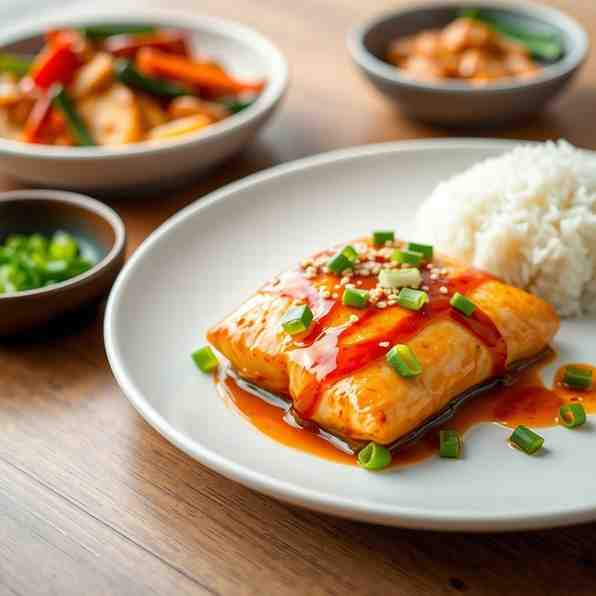
Ever dreamt of a meal that whisks your taste buds away to two incredible corners of the world at once? Get ready for a delicious adventure with our Kiribati-Korean Teriyaki Gochujang Mahi Mahi! This isn't just another `international cuisine recipe`; it's a vibrant fusion that brings together the sun-kissed flavors of the Pacific islands with the bold, savory kick of Korea. Imagine succulent mahi mahi fillets, draped in a glossy, sweet-spicy glaze, served alongside fluffy coconut-lime rice. It’s a truly unique `international food recipe` that’s surprisingly easy to make and perfect for any night you’re craving something special.
This `foreign cuisine recipe` is designed to be on your table in about 30 minutes, whether you’re working with fresh or frozen mahi mahi. The star is a sweet-spicy teriyaki gochujang glaze that caramelizes beautifully without burning, ensuring every bite is packed with flavor. Plus, that fluffy coconut-lime rice isn't just a side; it's an integral part of this incredible `food from all over the world` experience. Get ready to explore `around the world recipes` right in your own kitchen!
This dish is a masterclass in culinary harmony. The Kiribati influence brings a tropical freshness, anchored by the delicate `mahi mahi fillets`, creamy coconut, and bright citrus notes from the lime. On the Korean side, you get that unmistakable depth from `gochujang (chili paste with garlic)`, the aromatic warmth of ginger and garlic, and the nutty richness of sesame.
The real magic happens when teriyaki steps in. It acts as the perfect bridge, offering a familiar sweet-salty gloss and a rich umami foundation that ties the vibrant island coconut and Korean heat together into a cohesive, irresistible flavor profile. It’s a balance of sweet, spicy, savory, and tangy that will have you coming back for more.
Mahi Mahi Fillets: Aim for fillets that are ¾ to 1 inch thick for even cooking. If using frozen, make sure they’re completely thawed in the fridge overnight or quickly under cold running water. Always pat them thoroughly dry with paper towels before seasoning – this is crucial for a good sear and crispy exterior!
Teriyaki Components: For ease, we're using a quality bottled teriyaki glaze in this recipe. If you prefer to make a quick teriyaki base, you can combine soy sauce, honey, and rice vinegar, then fold it into the main glaze mixture.
Gochujang (Chili Paste): This fermented Korean chili paste offers a complex sweet, savory, and spicy kick. Its heat level can vary, so if you’re new to it, start with a smaller amount and add more to taste. It’s less about raw heat and more about deep flavor.
Coconut Milk: Full-fat coconut milk is highly recommended here. It provides a richer, creamier texture and a more pronounced coconut flavor for the rice, which complements the fish beautifully. Light coconut milk can be used, but the rice won't be as luxurious.
Rice: Jasmine or Basmati rice are your best bets for achieving that perfectly fluffy coconut rice. Don’t skip rinsing the rice several times until the water runs clear – this removes excess starch and prevents sticky, gummy rice.
Ingredients
Directions
- Rinse Rice & Start Coconut Rice: Place the rinsed jasmine rice in a medium pot with a tight-fitting lid. Add the full-fat coconut milk, ½ cup water, and a pinch of salt. Bring to a boil over medium-high heat, then immediately reduce heat to low, cover, and simmer for 15 minutes. Do not lift the lid! Once done, remove from heat and let it rest, still covered, for 10 minutes. Fluff gently with a fork before serving.
- Mix the Glaze: While the rice cooks, in a small bowl, whisk together the bottled teriyaki glaze, gochujang, minced garlic, grated ginger, and lime juice. Stir until well combined and the gochujang is fully incorporated. The glaze should be thick enough to coat the back of a spoon.
- Prep Fish: Pat the `mahi mahi fillets` extremely dry on all sides with paper towels. This step is vital for a good sear! Season both sides of the fillets generously with salt and black pepper.
- Sear Mahi Mahi: Heat the neutral oil in a large nonstick or stainless steel skillet over medium-high heat until shimmering. Carefully place the seasoned `mahi mahi fillets` in the hot skillet. Sear for 3-4 minutes without moving them – don’t touch it yet! This allows a beautiful crust to form.
- Glaze at the Right Moment: Flip the fish. Immediately reduce the heat to medium-low. Brush or spoon about half of the prepared teriyaki gochujang glaze over the seared side of the fish. Cook for another 2-3 minutes. Flip again, brush with the remaining glaze, and cook for another 1-2 minutes, or until the fish is opaque throughout and flakes easily with a fork. The glaze should be glossy and slightly caramelized.
- Serve: Spoon the fluffy coconut-lime rice onto serving plates. Place the glazed `mahi mahi fillets` on top of the rice. Drizzle any extra glaze from the skillet over the fish and rice. Garnish with sliced scallions, toasted sesame seeds, toasted coconut flakes, and fresh lime wedges for an extra burst of flavor. Enjoy your delicious `simple meal with rice`!
- Doneness + Timing Guide (for `cooking fish in a skillet`)
- ¾-inch fillet: Approx. 3-4 minutes per side, total 6-8 minutes.
- 1-inch fillet: Approx. 4-5 minutes per side, total 8-10 minutes.
- Visual Cues: Fish should be opaque throughout and flake easily with a fork.
- Optional Internal Temp: 135-140°F (57-60°C) for moist, tender fish.
You may also like

Hey there! I’m just someone who seriously loves good food and believes that cooking doesn’t have to be complicated to be amazing. Whether it’s a quick weeknight dinner or a cozy weekend meal, I’m all about sharing easy, tasty recipes that actually work.