Kiviak - Greenland's Unique Fermented
Kiviak - Greenland's Unique Fermented
- Serves: 1 People
- Prepare Time: 2-3 days
- Cooking Time: 0 minutes
- Calories: -
- Difficulty: Easy
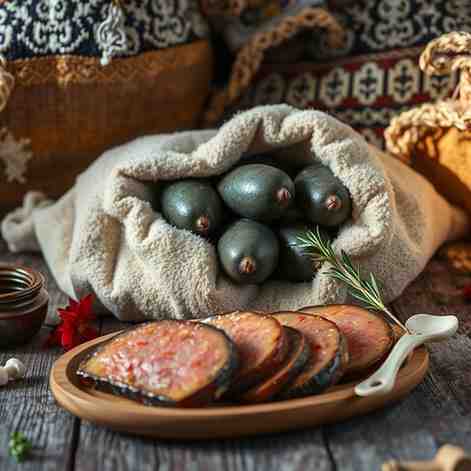
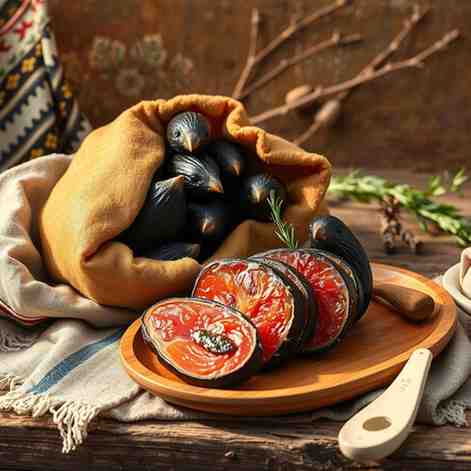
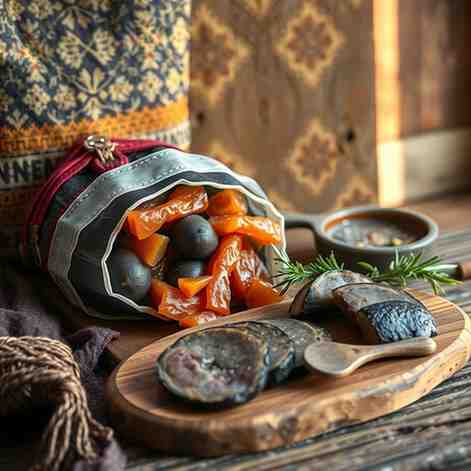
Ever wondered what truly traditional fermented foods look like in some of the world's most remote places? Brace yourself for Kiviak! This isn't your everyday sauerkraut or yogurt; Kiviak is a truly unique, age-old delicacy from Greenland that embodies the spirit of Arctic survival and celebration. Imagine tiny auk birds, carefully tucked inside a hollowed-out seal, left to ferment for months beneath a pile of rocks. Sound wild? It is!
Kiviak is far more than just a meal; it's a cornerstone of Greenlandic culture, especially during the festive Christmas season. For generations, this remarkable fermented food has brought families and communities together, symbolizing resilience, tradition, and the bounty of the land and sea. Why go through such an elaborate process? The unique fermentation transforms the birds, developing an incredibly rich, complex flavor profile that's both an acquired taste and a deeply cherished part of their heritage. If you're curious about the world of raw fermented foods and extraordinary culinary traditions, then exploring Kiviak is an adventure you won't want to miss!
Ingredients
Directions
- Preparing the Birds First things first, you need to prepare your auk birds. These tiny birds are used whole, meaning no plucking or gutting is necessary. The internal organs and feathers are crucial to the fermentation process, contributing to the unique flavor and preservation. Gently clean the exterior of each bird to remove any dirt or debris, but do not wash them excessively. Once clean, lightly press any air out of their bodies.
- Preparing the Seal Next, prepare the seal. This involves carefully gutting the seal, removing all internal organs while keeping the skin and blubber intact. The goal is to create a natural "container" or pouch. Once gutted, the inside of the seal should be as clean as possible without using water, which could introduce unwanted bacteria. You're aiming for a sterile, natural environment. Now, begin carefully packing the prepared auk birds into the seal's cavity. Pack them as tightly as possible to minimize air pockets, ensuring every available space is filled. The more birds you can fit, the better the fermentation.
- Sealing the Carcass With the seal packed full of birds, it's time to seal it up. This is a critical step to prevent air from entering and to encourage proper anaerobic fermentation. Using traditional methods, the seal's opening is sewn shut with strong sinew or thick thread, creating an airtight pouch. Once sewn, the entire seal carcass is often coated with a layer of seal blubber or fat. This acts as an additional sealant, preventing air and insects from getting in, and further insulating the contents.
- Fermentation The final, and longest, step is the fermentation. The sealed, blubber-coated seal is then buried in a cool, dry place, typically under a pile of heavy rocks or stones. This serves multiple purposes: the rocks keep scavengers away, and their weight helps to press out any remaining air from the seal, creating an ideal anaerobic environment for fermentation. The Kiviak is traditionally left to ferment for a minimum of three months, though some batches are left for much longer – up to 18 months or more! During this time, the natural enzymes in the birds' guts, combined with the seal's blubber, break down the birds, creating the distinct Kiviak flavor and texture.
Kiviak - Greenland's Unique Fermented
- Serves: 1 People
- Prepare Time: 2-3 days
- Cooking Time: 0 minutes
- Calories: -
- Difficulty: Easy
Ever wondered what truly traditional fermented foods look like in some of the world's most remote places? Brace yourself for Kiviak! This isn't your everyday sauerkraut or yogurt; Kiviak is a truly unique, age-old delicacy from Greenland that embodies the spirit of Arctic survival and celebration. Imagine tiny auk birds, carefully tucked inside a hollowed-out seal, left to ferment for months beneath a pile of rocks. Sound wild? It is!
Kiviak is far more than just a meal; it's a cornerstone of Greenlandic culture, especially during the festive Christmas season. For generations, this remarkable fermented food has brought families and communities together, symbolizing resilience, tradition, and the bounty of the land and sea. Why go through such an elaborate process? The unique fermentation transforms the birds, developing an incredibly rich, complex flavor profile that's both an acquired taste and a deeply cherished part of their heritage. If you're curious about the world of raw fermented foods and extraordinary culinary traditions, then exploring Kiviak is an adventure you won't want to miss!
Ingredients
Directions
- Preparing the Birds First things first, you need to prepare your auk birds. These tiny birds are used whole, meaning no plucking or gutting is necessary. The internal organs and feathers are crucial to the fermentation process, contributing to the unique flavor and preservation. Gently clean the exterior of each bird to remove any dirt or debris, but do not wash them excessively. Once clean, lightly press any air out of their bodies.
- Preparing the Seal Next, prepare the seal. This involves carefully gutting the seal, removing all internal organs while keeping the skin and blubber intact. The goal is to create a natural "container" or pouch. Once gutted, the inside of the seal should be as clean as possible without using water, which could introduce unwanted bacteria. You're aiming for a sterile, natural environment. Now, begin carefully packing the prepared auk birds into the seal's cavity. Pack them as tightly as possible to minimize air pockets, ensuring every available space is filled. The more birds you can fit, the better the fermentation.
- Sealing the Carcass With the seal packed full of birds, it's time to seal it up. This is a critical step to prevent air from entering and to encourage proper anaerobic fermentation. Using traditional methods, the seal's opening is sewn shut with strong sinew or thick thread, creating an airtight pouch. Once sewn, the entire seal carcass is often coated with a layer of seal blubber or fat. This acts as an additional sealant, preventing air and insects from getting in, and further insulating the contents.
- Fermentation The final, and longest, step is the fermentation. The sealed, blubber-coated seal is then buried in a cool, dry place, typically under a pile of heavy rocks or stones. This serves multiple purposes: the rocks keep scavengers away, and their weight helps to press out any remaining air from the seal, creating an ideal anaerobic environment for fermentation. The Kiviak is traditionally left to ferment for a minimum of three months, though some batches are left for much longer – up to 18 months or more! During this time, the natural enzymes in the birds' guts, combined with the seal's blubber, break down the birds, creating the distinct Kiviak flavor and texture.
You may also like

Hey there! I’m just someone who seriously loves good food and believes that cooking doesn’t have to be complicated to be amazing. Whether it’s a quick weeknight dinner or a cozy weekend meal, I’m all about sharing easy, tasty recipes that actually work.